What Is a Polyptych? A Simple Guide to Multi-Panel Wall Art
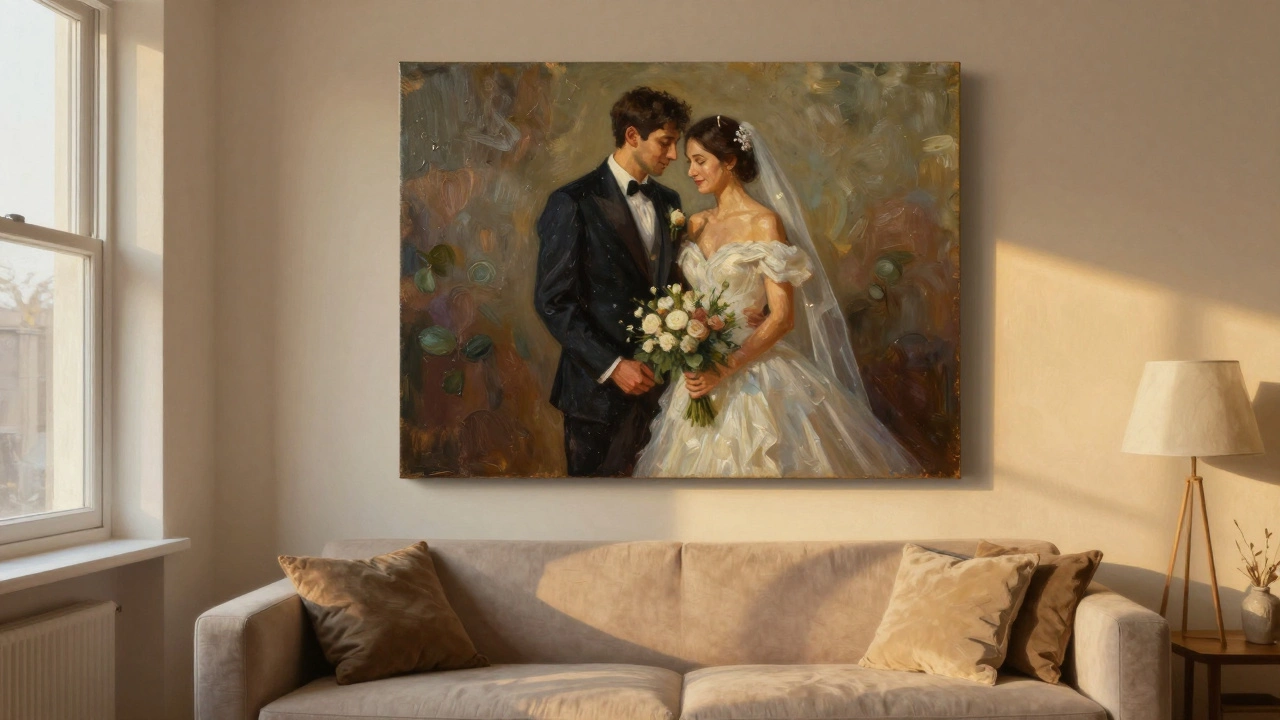
A polyptych is a multi-panel artwork, historically used in churches, now revived as bold wall decor. Learn how it works, where to find it, and how to use it in modern homes.
Looking to give your home a fresh look without a full remodel? You’re in the right spot. Below are simple, affordable ideas you can start using today. They work whether you live in a flat, a house, or a tiny studio.
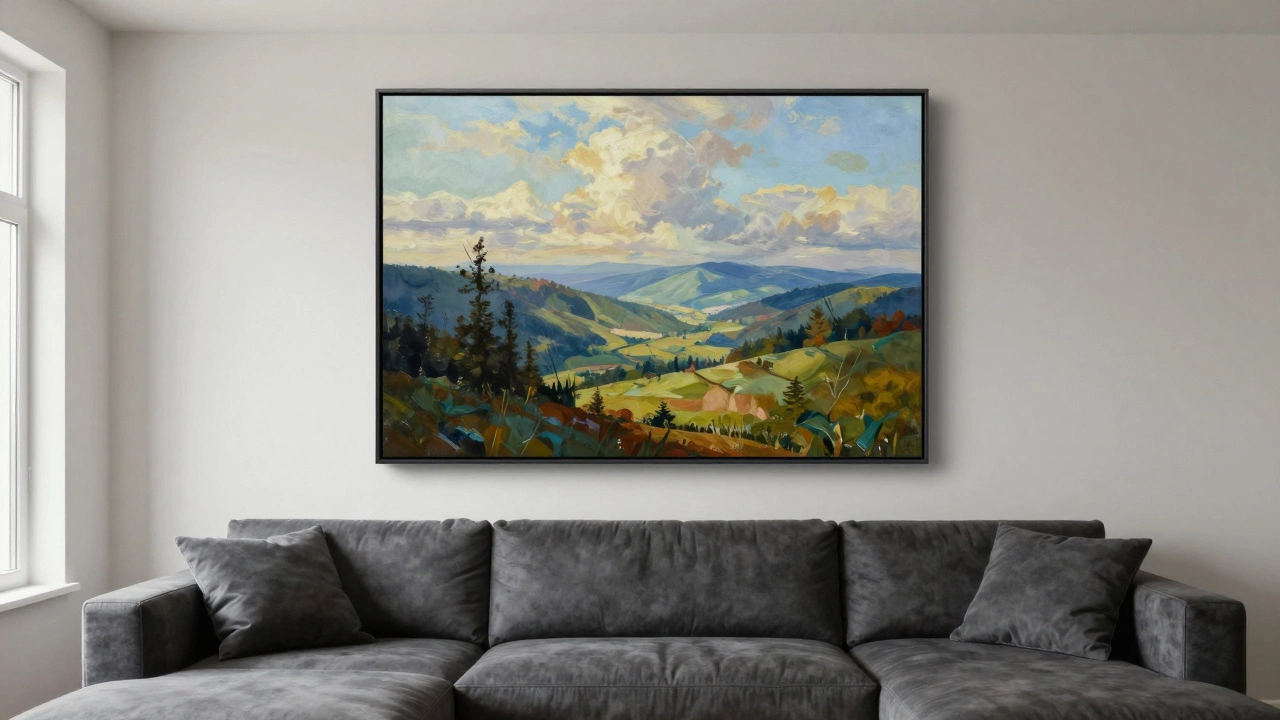
The easiest way to change a room’s mood is with the walls. A fresh coat of paint in a neutral shade adds calm, while a bold accent wall creates focus. If paint feels messy, try removable wallpaper or a large piece of art. Hanging art at eye level (about 57 inches from the floor) makes the space feel balanced.
Don’t forget the power of texture. A fabric wall panel, a woven tapestry, or a simple wooden pallet can add depth without a lot of cost. Mix a few small frames in a gallery layout for a personal touch. Remember to leave a little space between frames so each piece stands out.
How you arrange furniture can make a cramped room feel bigger. Try floating the sofa away from the wall and adding a side chair to create a conversation zone. If you’re working with a long hallway, place a narrow console table against one side and a mirror opposite it – the mirror reflects light and doubles the visual space.
When you have a dining room and wonder if a couch belongs there, think about function first. A small, low‑back couch can double as a lounge spot without blocking traffic flow. Pair it with a slim coffee table and you’ve got a multi‑use area that feels intentional.
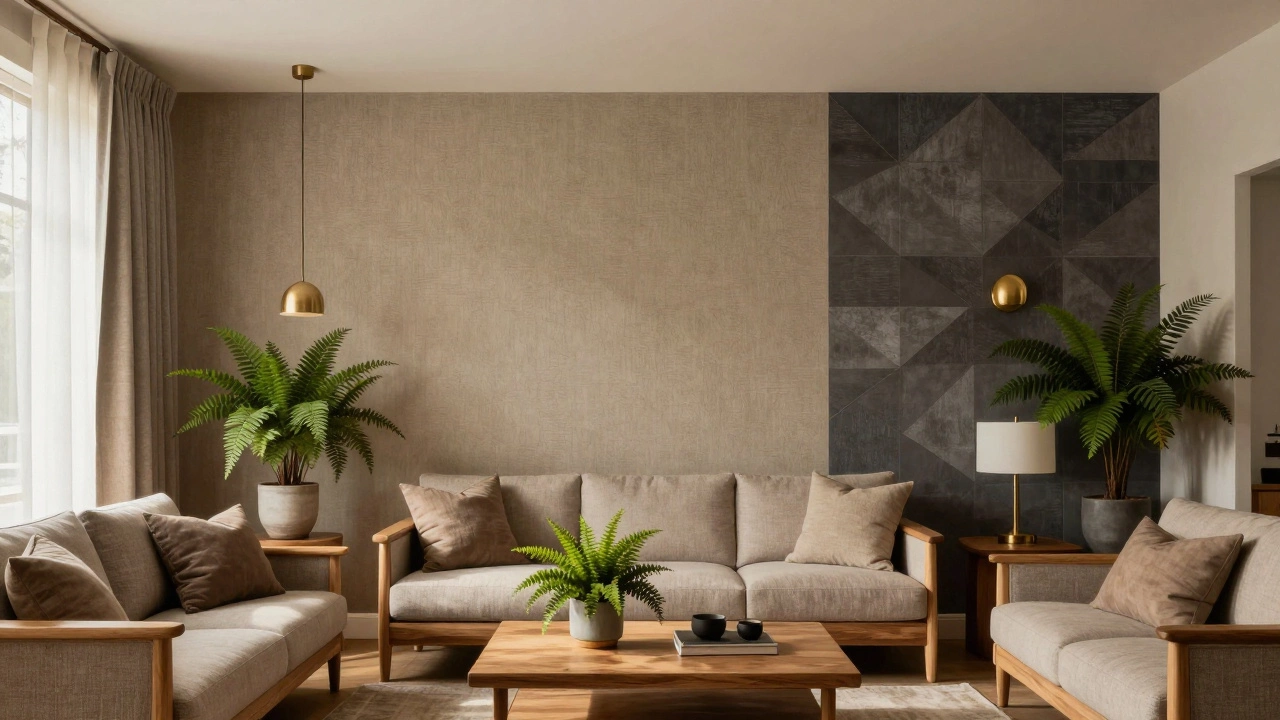
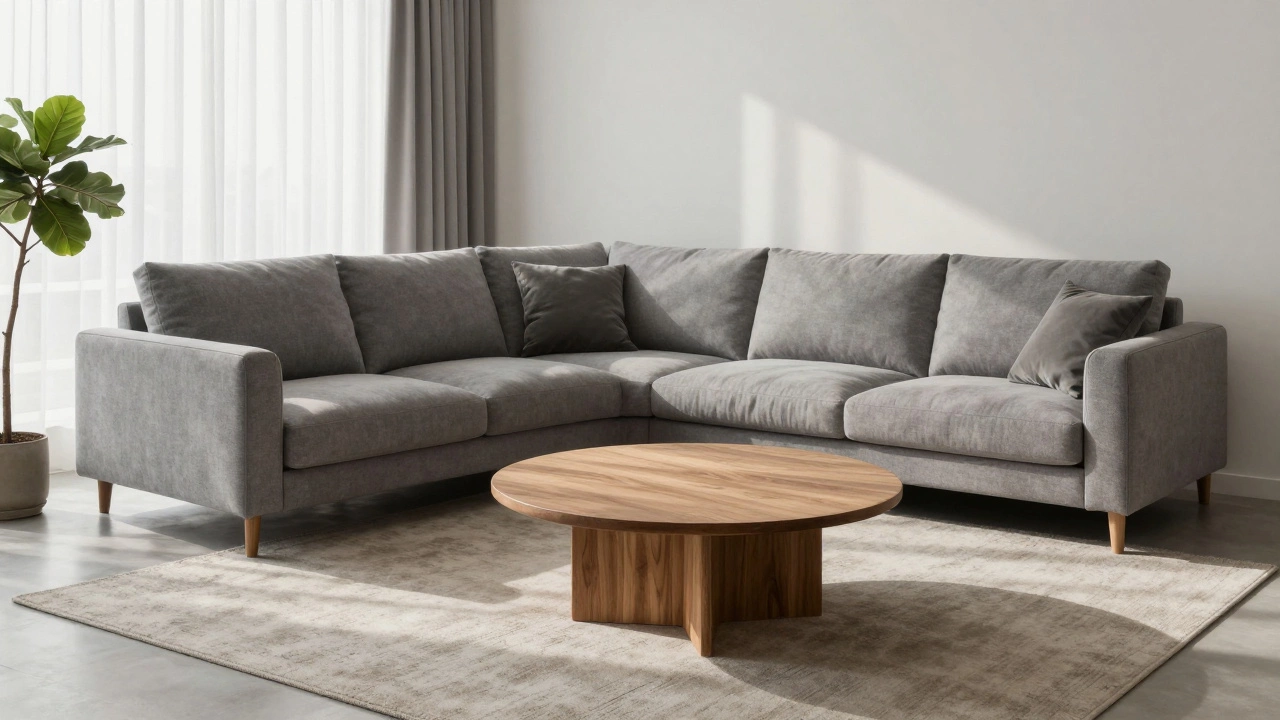
Soft furnishings are the finishing touch. Choose cushion colors that either match the wall for a seamless look or contrast for a pop of interest. For a grey sofa, throw in teal or mustard pillows to add life without overwhelming the room.
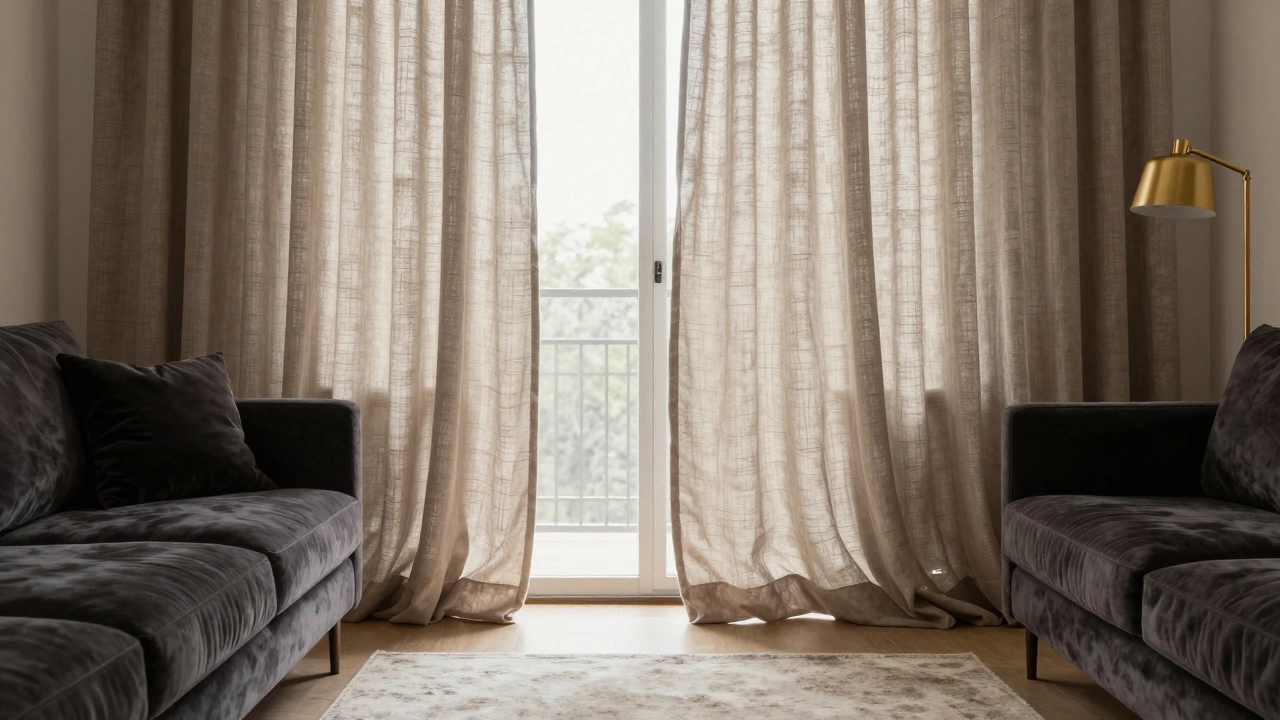
Lighting plays a big role, too. Layered lighting – a mix of ceiling, floor, and table lamps – adds warmth and flexibility. If the room feels dark, swap heavy curtains for lighter fabrics or raise them to let natural light in.
Finally, keep clutter out of sight. Use stylish baskets, built‑in storage, or sleek shelves placed strategically. A tidy room lets your decor shine and feels more inviting.
These ideas are quick, budget‑friendly, and don’t require a designer’s help. Pick one or two that fit your style, try them out, and watch your space transform. Happy decorating!

A polyptych is a multi-panel artwork, historically used in churches, now revived as bold wall decor. Learn how it works, where to find it, and how to use it in modern homes.
The 357 rule in decorating is a simple guideline for hanging wall art at eye level - with the center of the piece at 57 inches from the floor. It creates balance, connects art to furniture, and makes spaces feel intentional.
The triangle rule for shelves is a simple design trick that uses three items at different heights to create visual balance. It turns cluttered bookcases into curated displays with minimal effort.
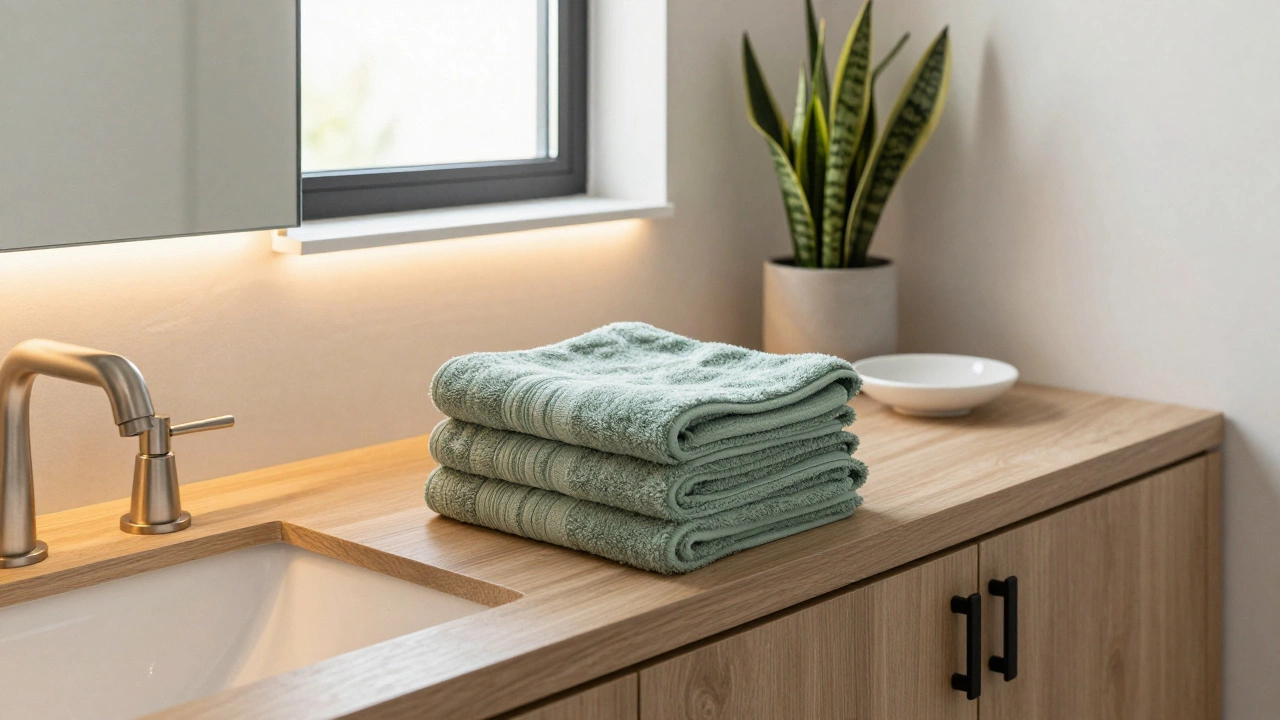
You don’t need a full renovation to transform your bathroom. Simple updates like new hardware, better lighting, textured towels, and smart storage can turn a dull space into a calming retreat. Here’s how to do it without spending a fortune.
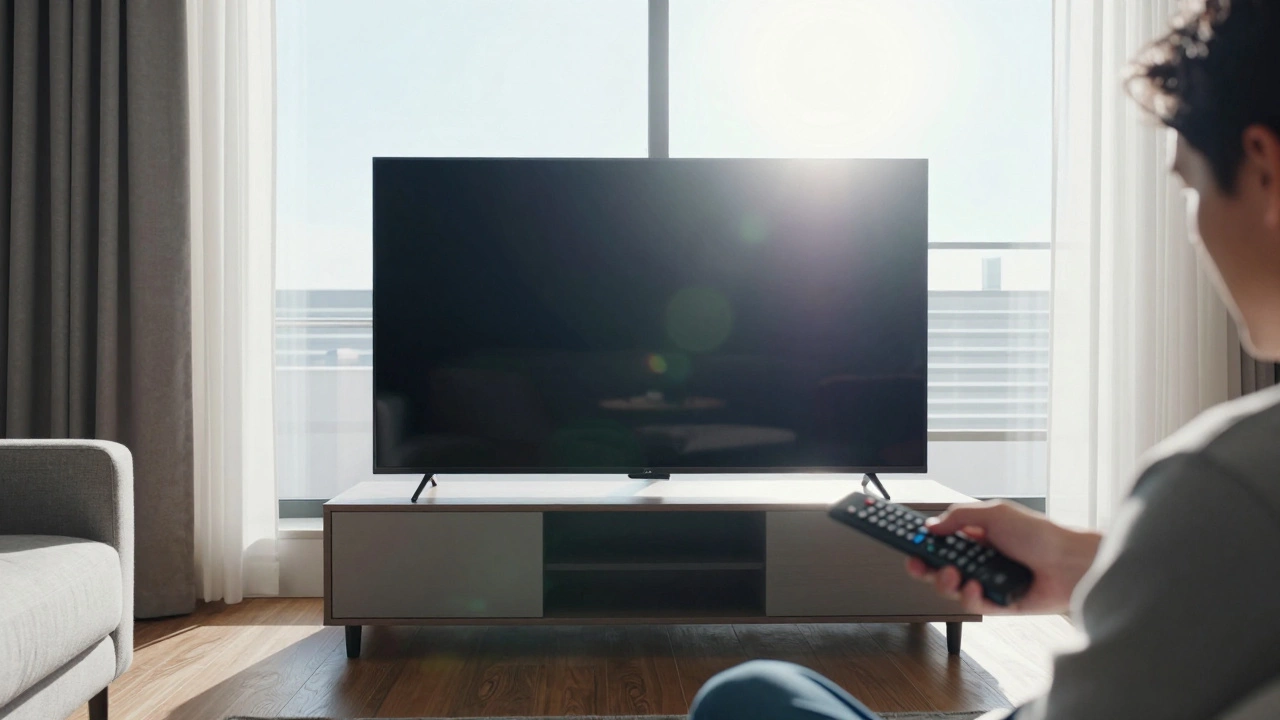
Avoid common TV placement mistakes that damage your screen, create safety hazards, or ruin viewing comfort. Learn where not to put your TV for better performance and longevity.
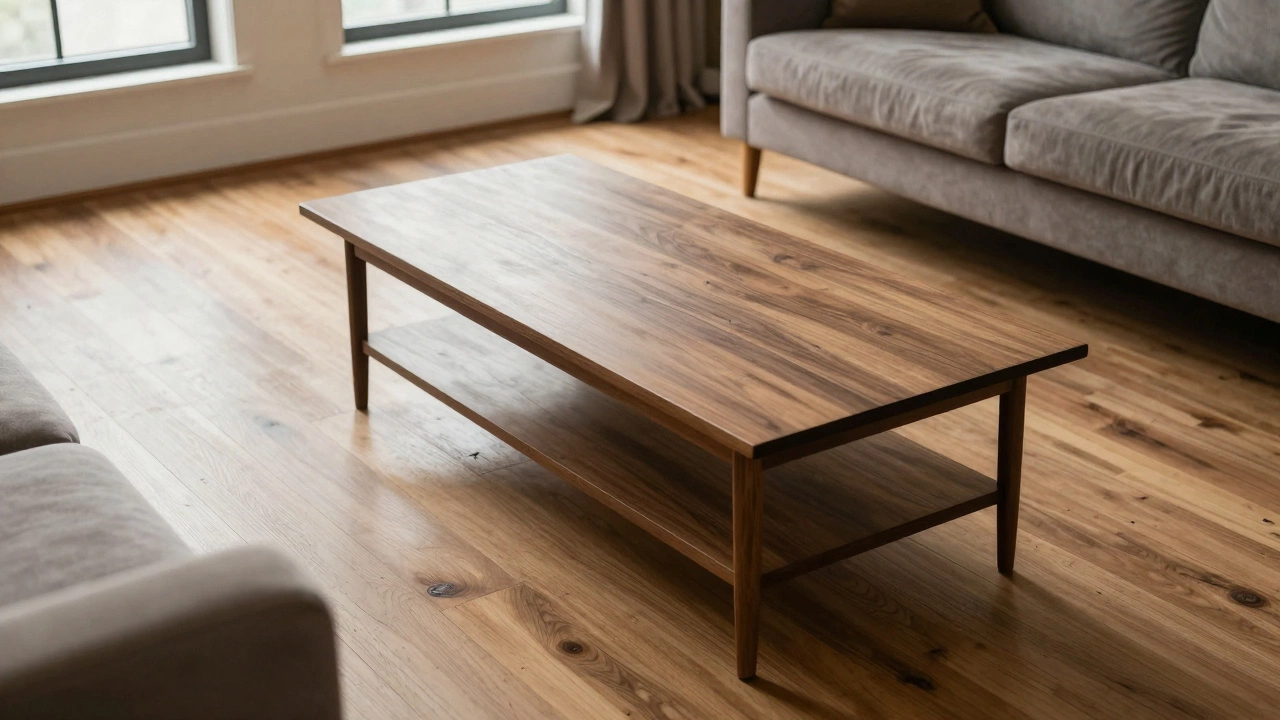
Learn how to choose a coffee table that complements your couch without overwhelming the space. Focus on size, height, shape, and material to create a balanced, functional living room layout.
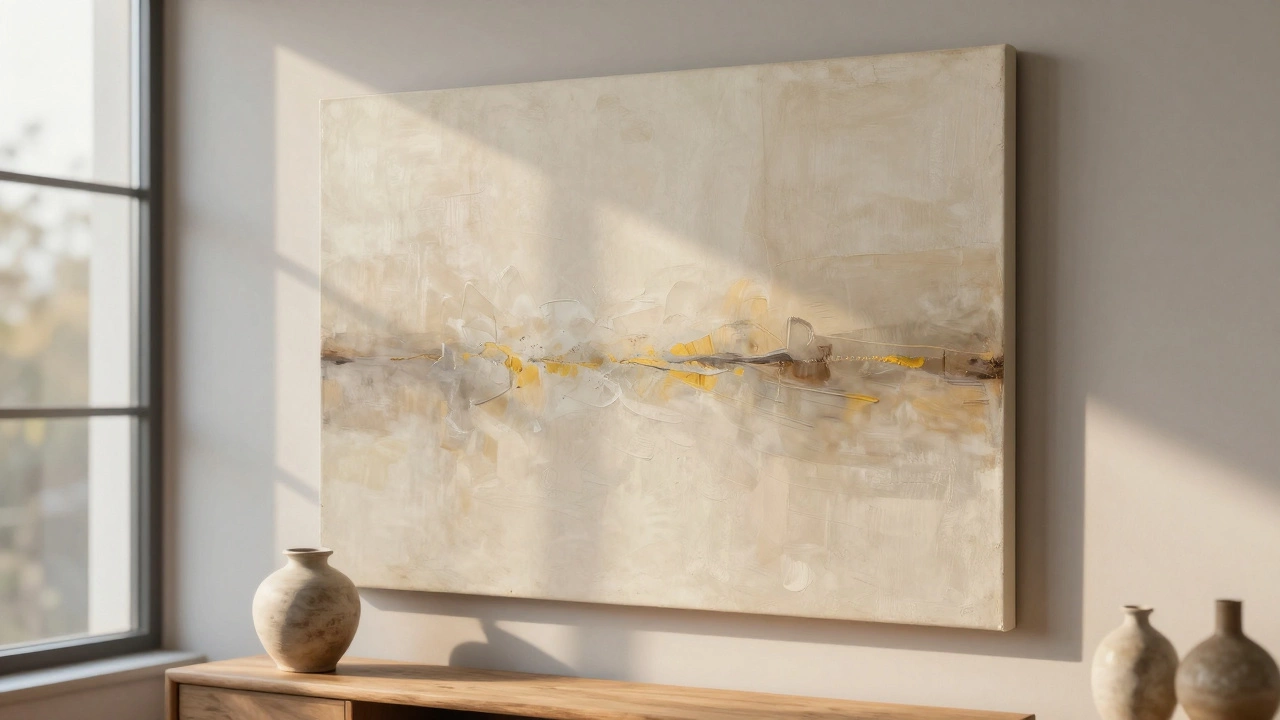
Beige is replacing gray as the go-to color for wall art, offering warmth, depth, and calm. Modern beige tones bring life to spaces without overwhelming them, making homes feel more inviting and grounded.
Deciding whether to use a rug under your coffee table depends on your space, flooring, and style. Learn when rugs enhance your living room and when to skip them for a cleaner look.
Turn your favorite photos into stunning wall art with simple steps-choose the right image, pick a style, use AI tools, print on quality materials, and frame it to match your space. No design skills needed.
Learn practical, real-world ways to maximize storage in a small house without spending a fortune. From decluttering to smart furniture and vertical hacks, these tips turn cramped spaces into organized, calm homes.
American homes often skip curtains in favor of blinds and shades due to practicality, energy efficiency, and low maintenance. It’s not about style-it’s about how homes were built and how people live today.
European homes don’t have built-in closets because of history, space limits, and cultural habits. Instead, they use freestanding wardrobes-portable, flexible, and designed to last. Here’s why this storage style still dominates.