Coffee Table Rug Size Calculator
Find Your Perfect Rug Size
For optimal look: Rug should extend 12-18 inches beyond table on all sides. For sofa seating, ensure rug covers front sofa legs.
You've arranged your living room furniture, placed the coffee table, and now you're staring at the empty floor. Should there be a coffee table rug under it? Let's cut through the noise-here's what actually matters.
Why People Put Rugs Under Coffee Tables
area rugs aren't required, but they serve several practical purposes. A well-chosen rug anchors your seating area, making the space feel cohesive. Without one, furniture can look scattered. It also protects your floors-especially hardwood or tile-from scratches caused by furniture legs and daily foot traffic. Plus, rugs add warmth underfoot and soften the room's acoustics. In a living room with hard flooring, a rug can transform a cold, echoey space into something cozy and inviting.
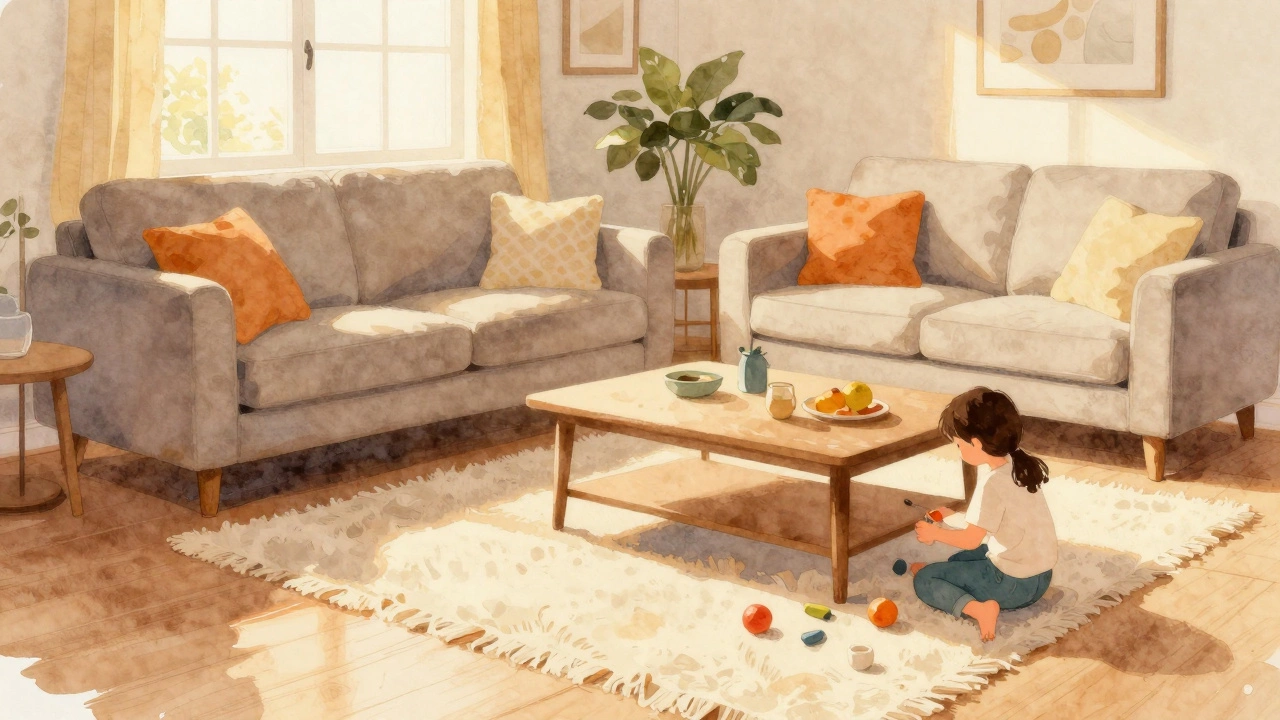
For example, in a home with young children or pets, a rug provides a soft landing spot for spills and falls. It also helps define the seating zone in open-plan layouts. If you have a coffee table in the middle of a large room, a rug ties everything together, making the area feel intentional rather than random.
When a Rug Makes Sense
Consider a rug if your living room has hardwood floors, laminate, or tile flooring. These surfaces can get scratched or worn over time, and a rug acts as a protective layer. In larger rooms, a rug helps define the seating area, preventing furniture from looking lost in space. High-traffic areas benefit from rugs too-they absorb wear and tear, making cleaning easier. If you have a sofa and coffee table setup, a rug that extends under the front legs of the sofa creates a unified look.
Take a family living room with a leather sofa and marble coffee table. Without a rug, the marble could scratch easily, and the leather might show wear from constant use. A durable wool rug solves both issues while adding texture and color. Similarly, in a home office with a desk and chair, a rug can reduce noise and protect the floor.
When You Can Skip the Rug
Not every space needs a rug. If your living room is very small, a rug might make it feel cramped. In minimalist designs, some people prefer a clean, uncluttered look without rugs. If your flooring already has a striking pattern-like herringbone wood or intricate tile-a rug could clash with the existing design. Also, in rooms with radiant heating, rugs can insulate the floor too much, reducing the heat's effectiveness.
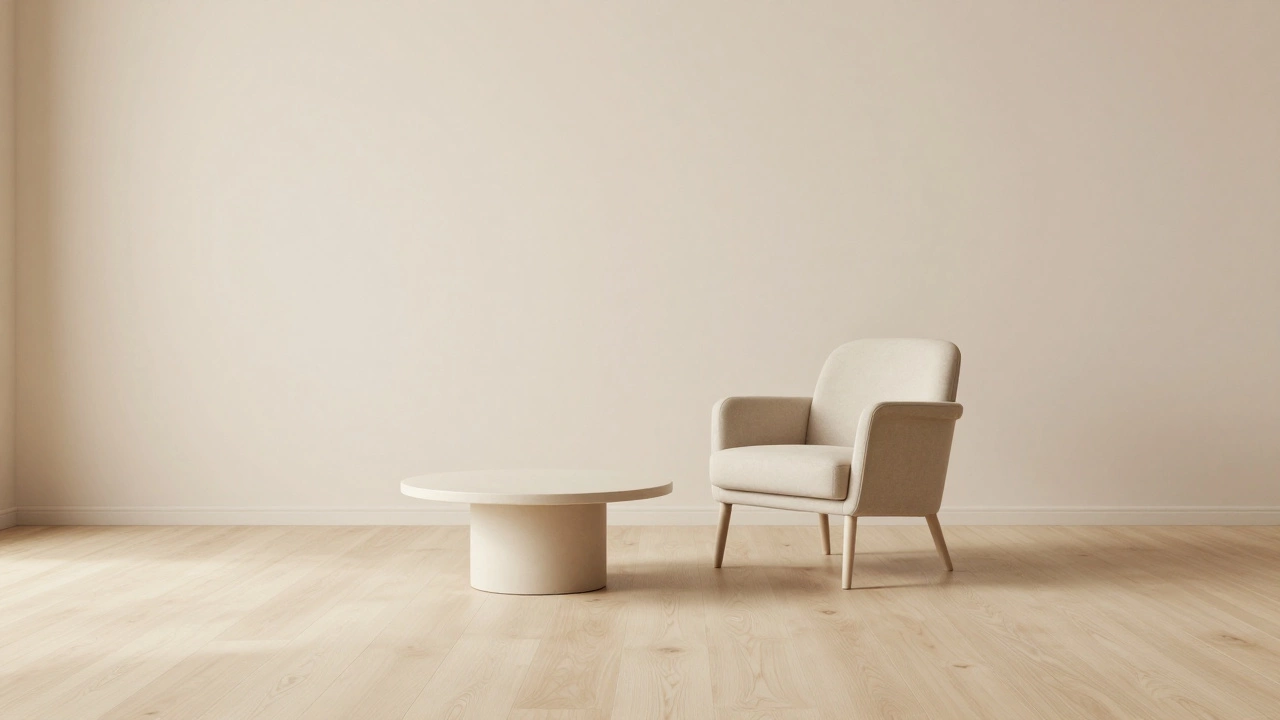
For instance, a tiny apartment with a single armchair and coffee table might look better without a rug. The space feels more open, and the floor's natural beauty stands out. Similarly, in a Scandinavian-style room with light wood floors, skipping the rug keeps the aesthetic airy and uncluttered.
Choosing the Right Rug Size
Size matters more than you think. A rug too small looks awkward, while one too large can overwhelm the space. For a coffee table alone, the rug should extend 12-18 inches beyond the table on all sides. If you have a sofa, the rug should fit under the front legs of the sofa and the coffee table. A standard 8x10 rug works well for most living rooms, but always measure first.
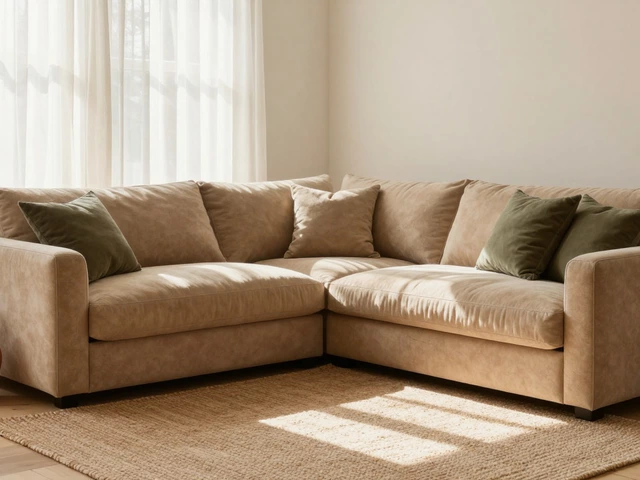
Here's a quick guide: For a coffee table that's 48 inches wide, aim for a rug at least 72 inches wide. If you have a sectional sofa, the rug should be wide enough to fit under the entire seating area. A common mistake is choosing a rug that only fits under the coffee table-this makes the sofa look disconnected. Instead, the rug should anchor the entire seating arrangement.
Common Mistakes to Avoid
Many people mess up rug placement. One big error is using a rug that's too small. Imagine a rug only under the coffee table-it makes the seating feel disjointed. Another mistake is picking the wrong material. A delicate silk rug in a high-traffic area will wear out quickly. Also, ignoring the room's flow can lead to a rug that blocks pathways or feels out of place.
For example, in a room with a narrow hallway leading into the living area, a large rug that extends into the hallway can make navigation difficult. Instead, keep the rug within the seating zone. Similarly, avoid rugs with rubber backings on hardwood floors-they can leave residue. Always use a non-slip pad underneath for safety and floor protection.
Do I need a rug if I have a coffee table but no sofa?
Not necessarily. If your coffee table is standalone, a small rug can still help define the space. For example, in a reading nook, a 3x5 rug under the table and chair can create a cozy zone. However, if the table is in a large open space with no seating, a rug may not be needed. The key is whether the rug adds purpose-like anchoring the area or protecting the floor.
What size rug works best for a coffee table?
The rug should be at least 12 inches wider than the coffee table on all sides. For a standard 48x24 inch table, aim for a 72x48 inch rug. If you have a sofa, the rug should extend under the sofa's front legs. For a sectional, the rug should be large enough to fit all seating pieces. A common mistake is choosing a rug too small, which makes the setup look unbalanced.
Can rugs damage hardwood floors?
Properly maintained rugs won't damage hardwood. However, some rugs have rubber backings that can leave residue or discolor floors over time. Opt for rugs with natural fiber backings or use a non-slip pad underneath. This prevents slipping and protects the floor from scratches and moisture.
Should I match the rug to my sofa or the walls?
It depends on your design style. If your sofa is bold, a neutral rug (like beige or gray) can balance the room. If your walls are neutral, a patterned rug adds visual interest. The rug should complement the room's color scheme, not necessarily match any single element. Think of it as a unifying layer that ties together furniture and decor.
Are there rugs that are better for high-traffic areas?
Yes. For busy living rooms, choose durable materials like wool, polypropylene, or nylon. These fibers resist stains and wear. Avoid delicate materials like silk or thin cotton. Also, low-pile rugs (like flat-weave rug or looped) are easier to clean and maintain in high-traffic zones.