Can You Do Interior Design Yourself? Here's What Actually Works
You can design your own home without hiring a pro - if you skip the trends, measure everything, and focus on how you actually live. Here's how to do it right.
Welcome to the hub for everything interior design. Whether you dream of a design job, want to learn from home, or need a credential boost, you’ll find straight‑to‑the‑point advice here.
First off, ask yourself what draws you to interiors. Do you love rearranging rooms, spotting colour clashes, or turning empty spaces into livable art? If the answer is yes, a career could fit. The job mixes creativity with practical problem‑solving – you’ll need to talk to clients, manage budgets, and keep up with trends. It’s not all glamour; you’ll spend time on paperwork, source materials and sometimes juggle multiple projects at once.
Pay and growth depend on experience and specialisation. Entry‑level roles start modestly, but gaining a recognised certification can lift your earning power quickly. Think of certifications as a fast‑track: they prove you know the rules, standards and software tools that clients expect.
You don’t have to enrol in a pricey college to get started. Online platforms now offer step‑by‑step courses that cover the basics – space planning, colour theory, lighting, and even 3D modelling. Pick a course that offers hands‑on projects, because practice beats theory every time.
Start small: pick a room in your house and redesign it using free tools like SketchUp or Planner 5D. Document your process, share before‑after photos on social media, and ask for feedback. Real‑world practice builds a portfolio that future employers or clients will love.
When you feel confident, move to bigger challenges – redesign a friend’s flat, volunteer for a community space, or create mood boards for a local café. Each project adds proof of skill and shows you can handle real budgets and timelines.
Lastly, stay curious. Subscribe to design magazines, follow industry blogs, and attend virtual webinars. Trends shift fast, and staying updated keeps your ideas fresh and marketable.
Ready to take the next step? Browse our three featured articles below. They dive deeper into the pros and cons of the career, give you a DIY roadmap, and list the top certifications that can set you apart.
Is It Worth Becoming an Interior Designer? – Find out what a day on the job looks like, the perks, challenges, and the earning potential you can expect.
Mastering Interior Design from Home: A DIY Approach – Discover the best online resources, tools, and project ideas to learn design without leaving your sofa.
Top Certifications to Boost Your Interior Design Career – Learn which credentials are most respected and how they can accelerate your professional growth.
Whichever path you choose, remember that good design starts with listening – to the space, the client, and your own instincts. Keep experimenting, stay organized, and let your personal style shine through every project.
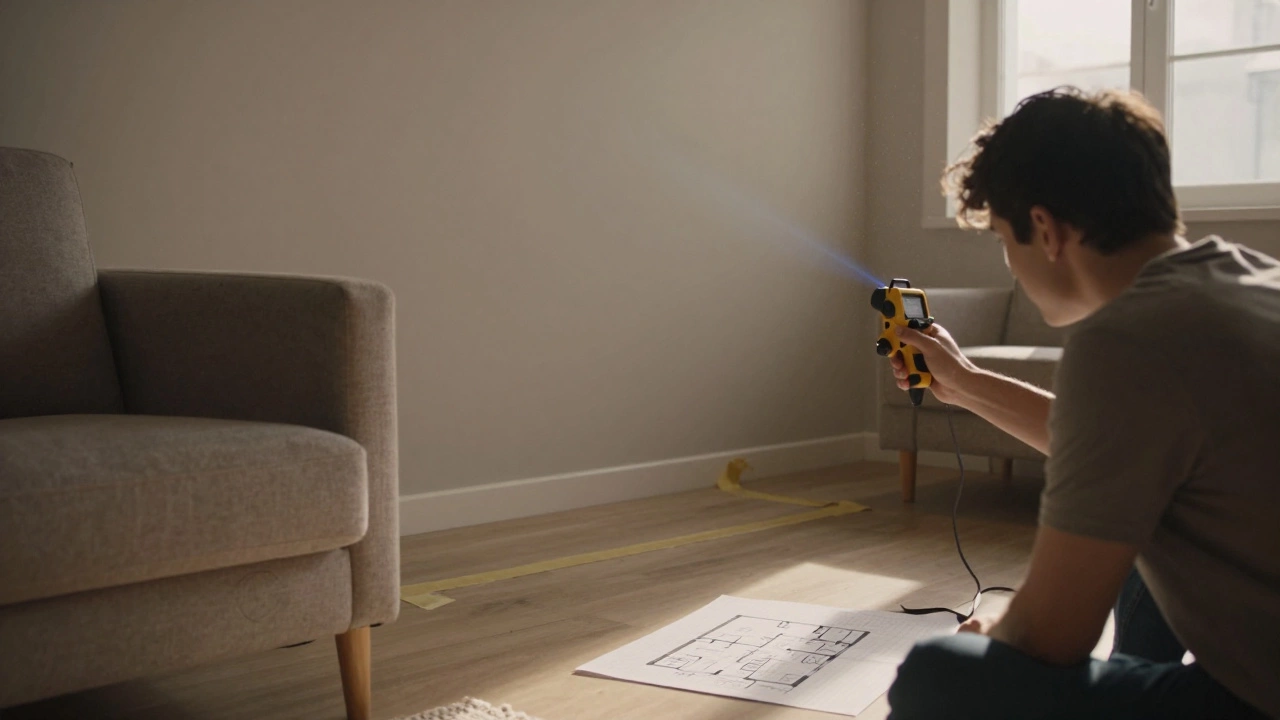
You can design your own home without hiring a pro - if you skip the trends, measure everything, and focus on how you actually live. Here's how to do it right.

Learn the real difference between interior designers and decorators-what they do, how they train, and which path fits your skills and goals. No fluff, just clear facts.
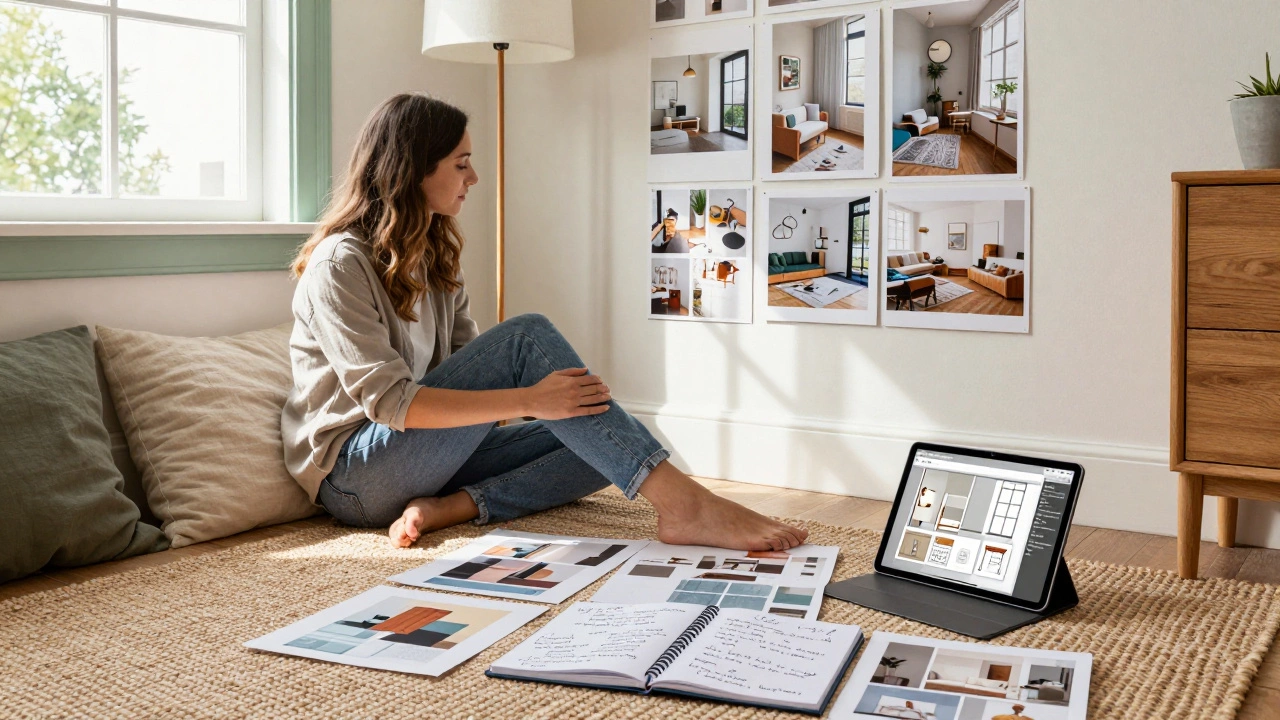
You don't need a degree to become an interior designer. Real people are building careers by learning on their own-starting with their own homes, using free tools, and taking small paid projects. Here's how to begin.
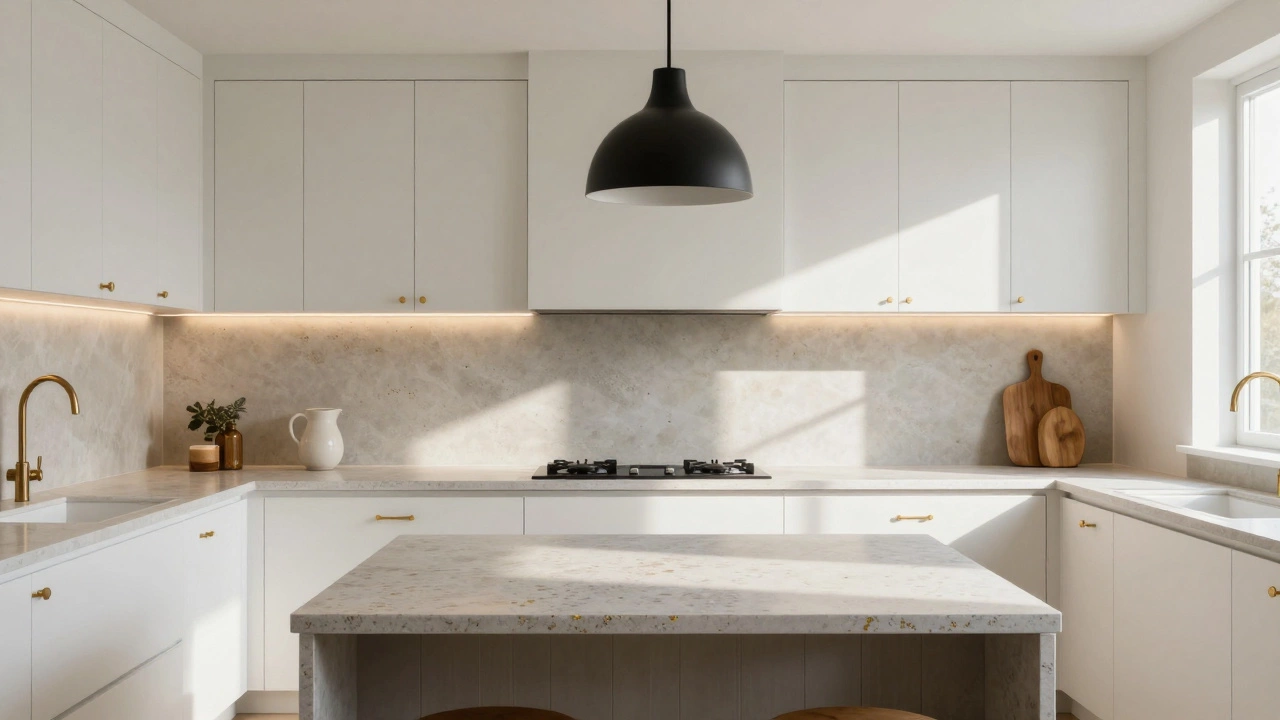
A classy kitchen isn't about expensive materials-it's about thoughtful design, quality details, and quiet elegance. Learn the real secrets that make kitchens feel refined, not just expensive.
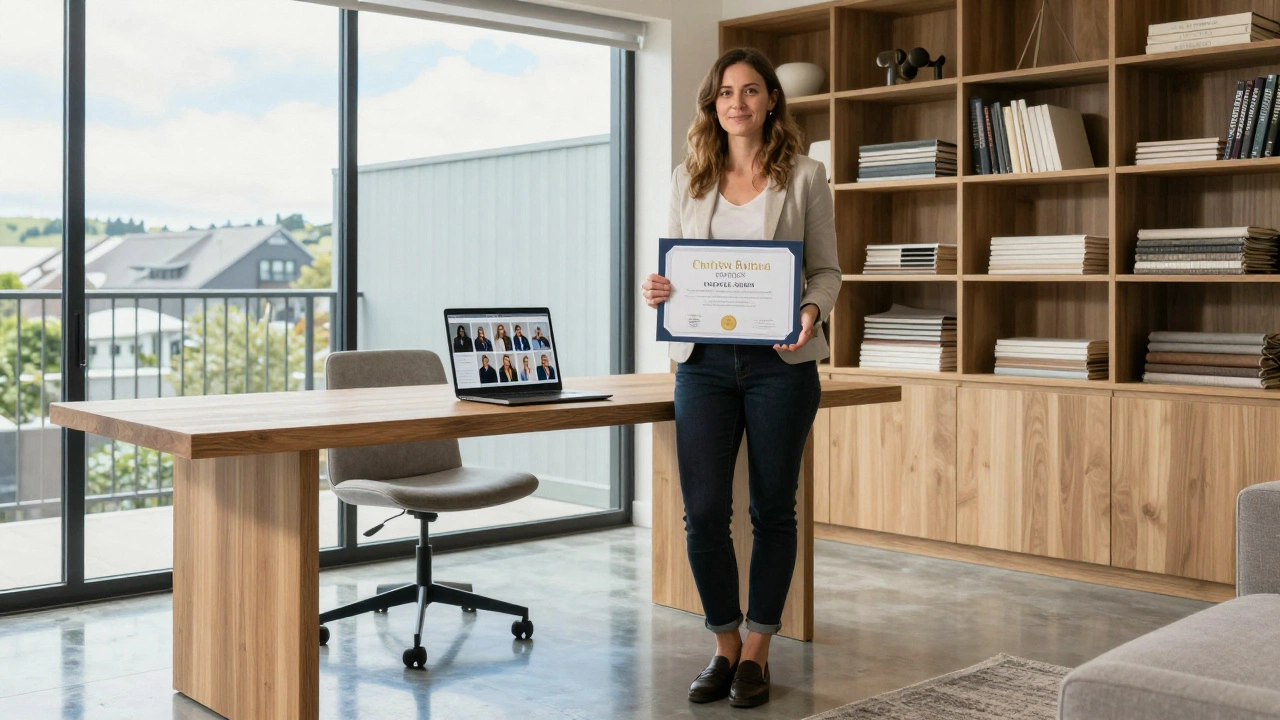
Is a certificate in interior design worth it? It depends on your goals. For freelancers, a portfolio matters more. For commercial work, certification opens doors. Here’s what actually helps you get hired and paid.
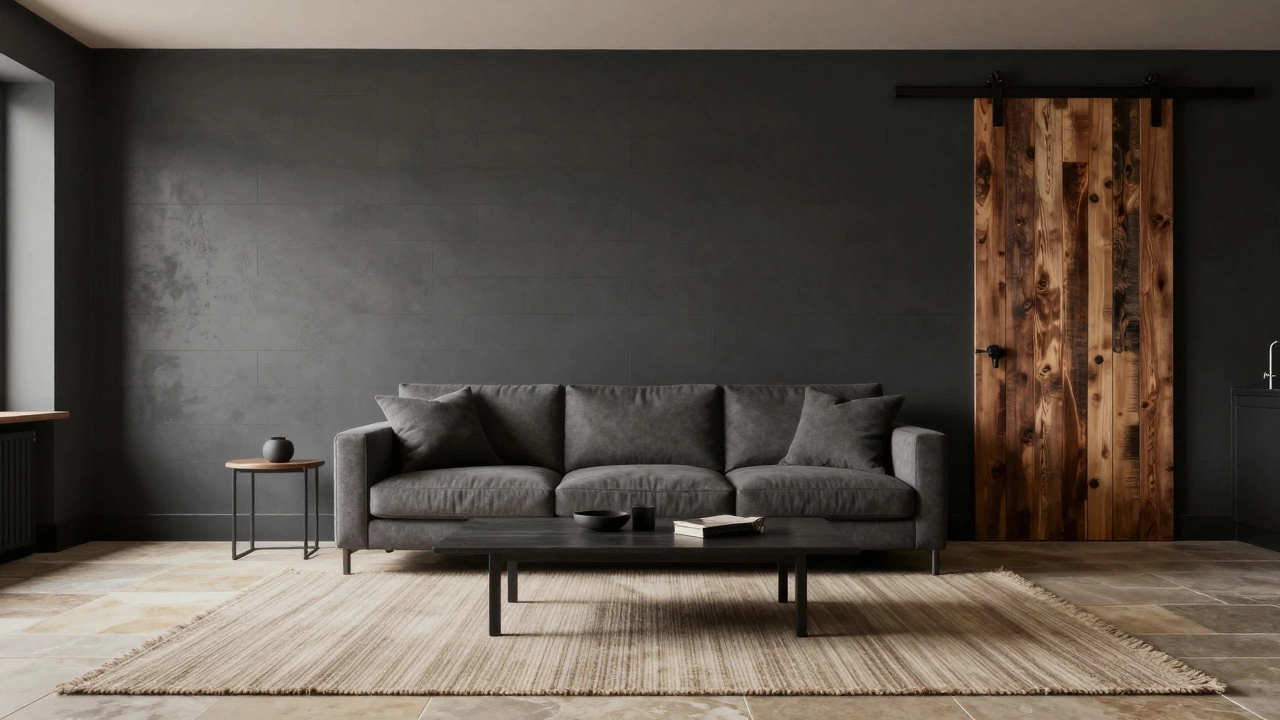
Farmhouse style is fading out in 2024 as homeowners embrace authentic materials, deeper colors, and minimalist functionality. Shiplap, barn doors, and apron sinks are no longer the go-to choices for modern interiors.
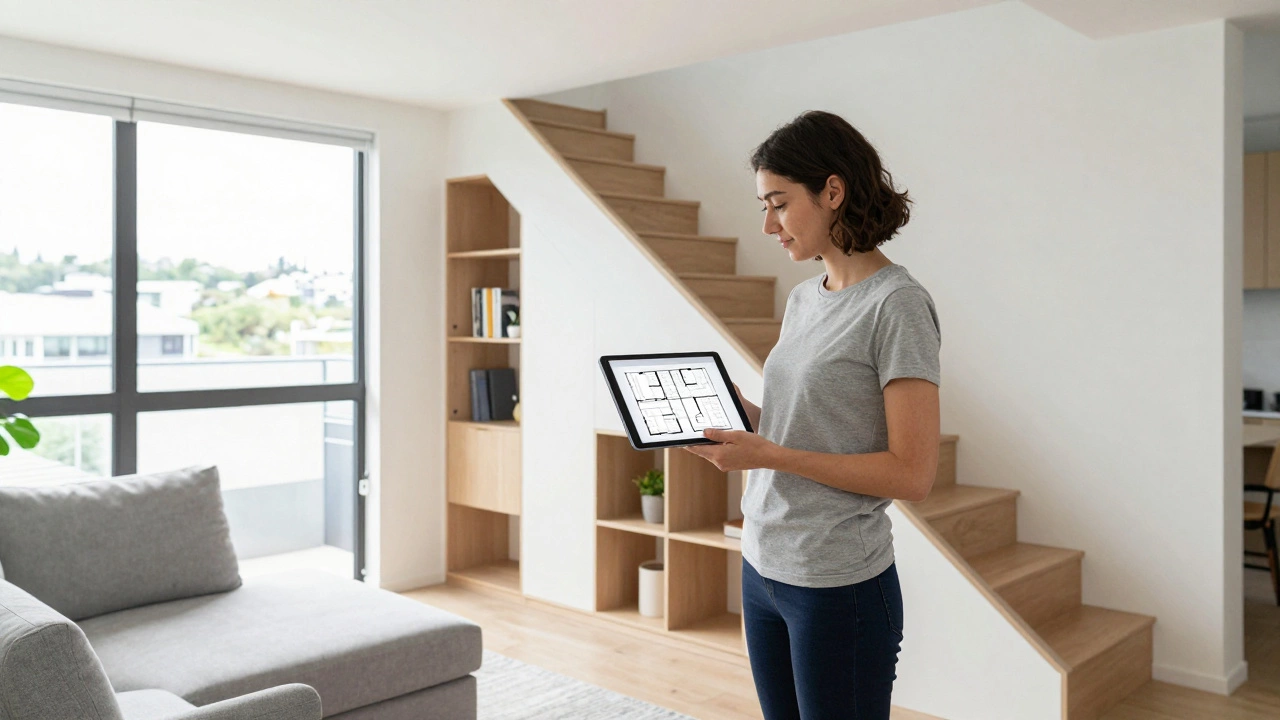
Learn how to start a profitable interior design business from scratch in 2025-no degree, no big budget, no clients needed. Real steps for freelancers in New Zealand.
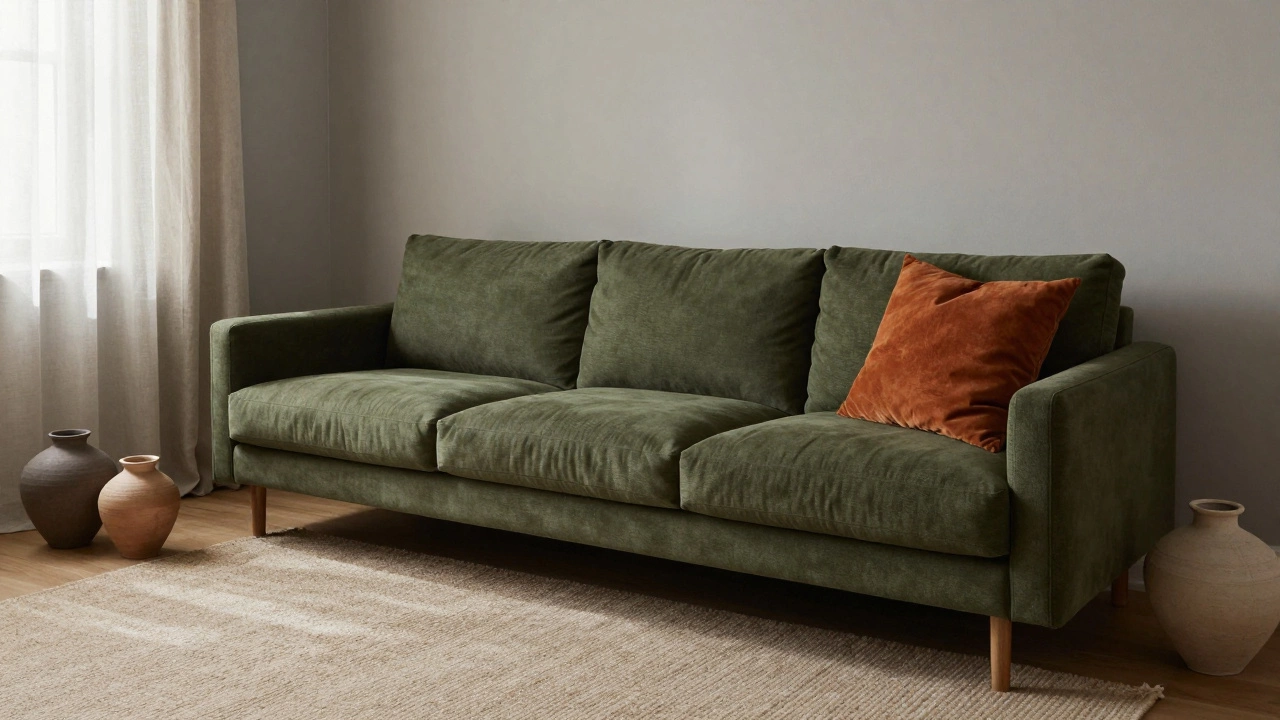
The 3 color rule in interior design helps create balanced, calming spaces by using one dominant, one supporting, and one accent color. Learn how to apply it to any room for professional-looking results.

Which two colors feel happiest? See why yellow and orange win, backed by research and real-world design tips, with palettes, hex codes, and easy room-by-room advice.

Thinking about becoming an interior designer? This article digs into what the job really involves, the perks and challenges, and what you can expect day-to-day. See if your personality and skills actually line up with what the industry needs right now. Learn what it takes to succeed, how to boost your earning power, and whether the long-term benefits are really worth all the effort.

Learning interior design from home has never been more accessible. With the right resources and dedication, individuals can acquire design skills effectively without attending formal classes. From exploring online courses to DIY projects, enthusiasts will find a wide array of platforms and tools to hone their crafts. Discover essential tips, resources, and strategies that empower you to transform your living space into a design masterpiece. Embrace creativity and turn your home into a stunning showcase of personal style and functionality.
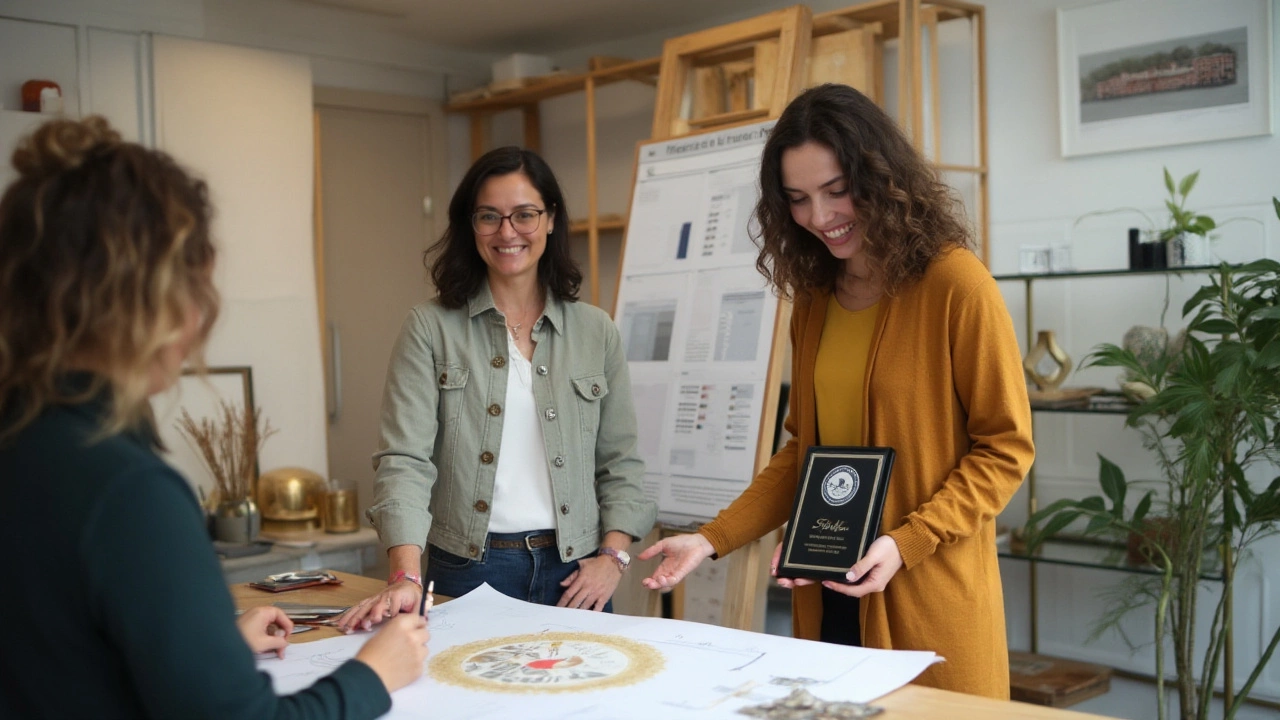
Getting certified in interior design elevates your skills and offers formal recognition, making you stand out in the competitive field. With numerous certifications available, it's crucial to choose one that aligns with your professional goals. This article explores some of the top certifications in the interior design industry, highlighting their benefits and what they cover. Whether you're new to the field or an established professional, understanding these credentials can guide your career development.