Classy Kitchen Assessment Tool
How Classy Is Your Kitchen?
Select all design elements your kitchen has that follow the principles from the article.
A classy kitchen doesn’t need gold fixtures or a million-dollar budget. It needs thought. It’s about how things fit together-not how expensive they are. You can walk into a 1970s home with worn laminate and still feel like you’ve stepped into something refined. And you can walk into a brand-new space with marble and smart appliances and feel nothing but cold. What’s the difference? It’s not the materials. It’s the intention.
Quality Over Flash
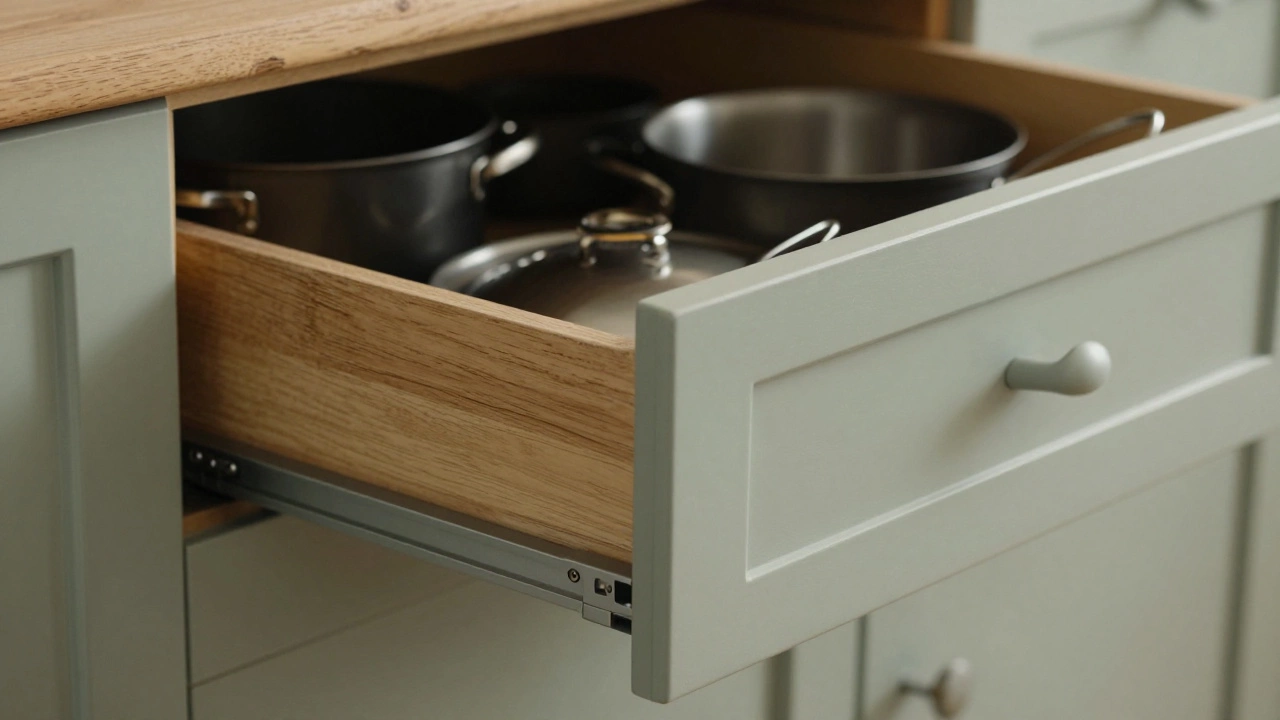
Classy kitchens avoid the trap of trying to look expensive. They look expensive because they’re well-made. That means solid wood cabinets, not veneer that peels after three years. It means drawer slides that glide silently, not the kind that squeak and jam. It means hinges that don’t sag after a year of use. These aren’t luxury upgrades-they’re basic expectations. If you can’t open a cabinet without bracing yourself, it’s not classy. It’s broken.
Look at the hardware. Pulls and handles matter more than people admit. A brushed brass pull on a white shaker cabinet says "I care." A cheap, plastic, oversized handle says "I bought this from a catalog." There’s no middle ground. Stick to simple shapes-bar pulls, cylindrical knobs, or recessed finger pulls. Avoid anything that looks like it came from a Halloween costume store.
Countertops That Last
Countertops are the stage. The rest of the kitchen is the set. You don’t want a stage that cracks, stains, or yellows. Quartz is the most popular for a reason: it’s low-maintenance, comes in consistent colors, and doesn’t need sealing. But if you want something more natural, honed granite or soapstone are solid choices. Avoid glossy finishes unless you’re okay with fingerprints and water spots being visible all day.
Don’t feel pressured to go all-white. A kitchen with a warm-toned countertop-like a beige quartz with flecks of gold or a charcoal granite-feels more grounded. White looks clean, but it also looks sterile. A little color, even subtle, adds depth. Think of it like a good pair of jeans: they’re not flashy, but they look better the more you wear them.
Cabinets That Breathe
Classy kitchens never feel cluttered. That’s not because they have less stuff-it’s because they have better storage. Hidden appliances. Pull-out pantries. Deep drawers for pots and pans. If your cabinets look like a storage unit with the doors open, you’re doing it wrong.
Shaker-style cabinets dominate for a reason: clean lines, no ornate carvings, timeless. Paint them in a soft matte finish-sage, warm gray, or even a muted navy. Avoid high-gloss white; it reflects every imperfection. Matte finishes hide dust, smudges, and fingerprints. They also age gracefully.
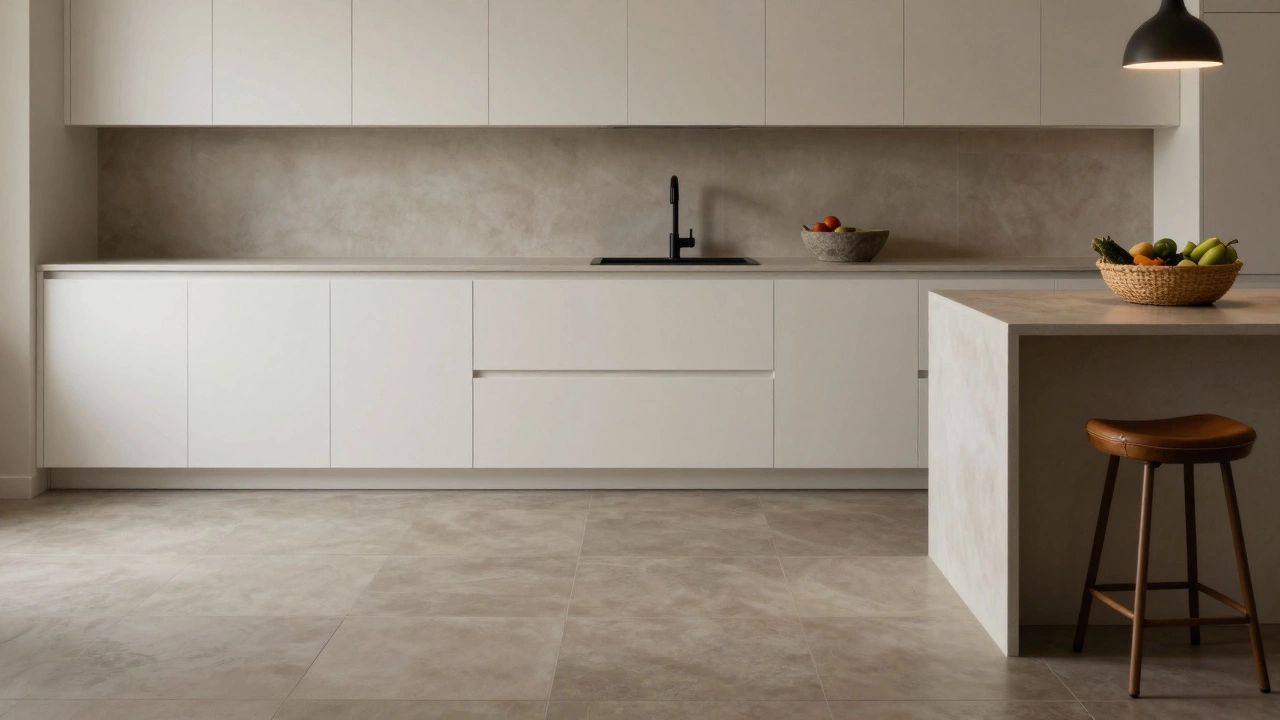
Don’t forget the backsplash. It’s not just a splash guard. It’s a design element. Subway tile is classic, but don’t lay it in the boring running bond pattern. Try herringbone or vertical stack for a subtle lift. Or skip tile altogether-use a solid slab of stone or even a painted wall. A seamless transition from counter to wall feels more expensive than any patterned tile.
Lighting That Sets the Mood
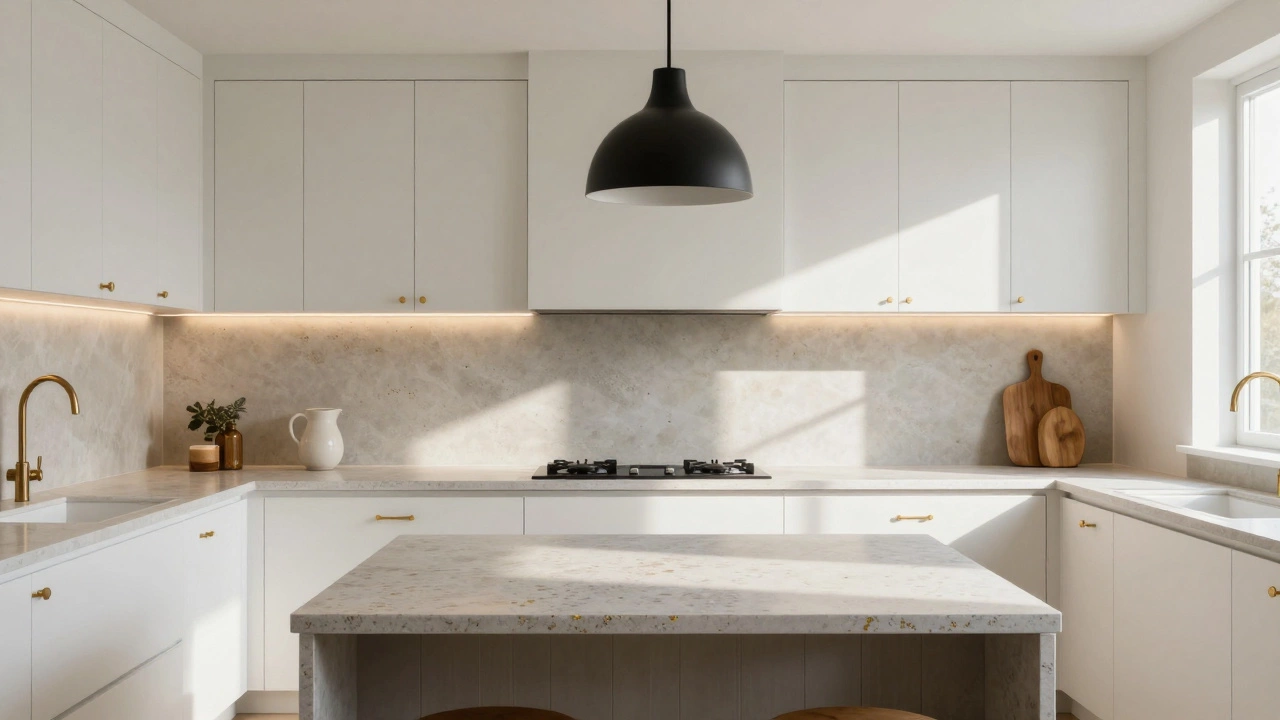
Most kitchens are lit like a hospital. Overhead LEDs. Harsh. Flat. Lifeless. Classy kitchens use layers. Ambient light from under-cabinet strips. Task lighting over the sink. Accent lighting inside glass-front cabinets. And one statement piece-a pendant over the island.
The pendant should be simple. A single globe. A matte black cylinder. A brass cone. Not a chandelier with crystals. Not a cluster of five mini-lights. One well-placed fixture does more than five cheap ones. And make sure it’s hung at the right height-about 30 to 36 inches above the island. Too high and it’s decorative. Too low and you’re hitting your head every time you reach for a bowl.
Dimmers aren’t optional. They’re essential. A kitchen that can go from bright morning prep to soft evening dinner is a kitchen that works for life, not just for photos.
Flow and Function
A kitchen that looks classy also feels effortless. That means the work triangle-sink, stove, fridge-isn’t stretched out like a marathon course. You shouldn’t have to walk ten steps to get from washing dishes to grabbing a pan. Keep it tight. Three to six feet between each point is ideal.
Islands aren’t just for eating. They’re for prep, for storage, for gathering. But they need to be the right size. Too small and they’re useless. Too big and they eat the room. A good rule: your island should leave at least 42 inches of walking space on all sides. If you can’t comfortably open the fridge while someone’s standing at the island, you’ve gone too far.
And don’t forget the floor. Hardwood is warm, but it scratches. Porcelain tile is durable, but cold. A large-format, matte-finish tile in a neutral tone-think light gray or warm taupe-gives you both. It’s easy to clean, hides dirt, and doesn’t scream "I’m a kitchen."
The Details That Make the Difference
Classy kitchens live in the details. A towel bar that matches your faucet. A trash can that slides into a cabinet. A spice rack that doesn’t stick out like an afterthought. These aren’t luxuries-they’re necessities.
Even the little things: the way the cabinet doors align perfectly, the gap between the countertop and backsplash is even, the grout is clean. These aren’t things you notice right away. But you notice when they’re missing. It’s like a well-tailored suit-you don’t see the stitching, but you feel the fit.
And here’s the secret no one tells you: clutter kills class. Even the most beautiful kitchen looks cheap if the counter is covered in coffee makers, mail, and half-used spice jars. Keep counters clear. Store what you use daily in easy reach. Put the rest away. A minimalist kitchen isn’t about having less-it’s about having only what matters.
Color and Texture
White kitchens aren’t wrong. But they’re not the only way. A classy kitchen uses texture to add warmth. Wood grain on cabinets. Stone veins in the countertop. Woven baskets for storage. A leather stool at the island. These aren’t decorations-they’re layers.
Color should be quiet. A kitchen with three different shades of gray, a splash of green, and brass accents feels intentional. A kitchen with teal cabinets, gold handles, and rainbow tiles feels like a theme park. Stick to a palette of two or three tones max. Let one element-like a wood floor or a stone island-be the anchor. Everything else supports it.
And don’t underestimate the power of black. Black sinks, black faucets, black lighting. They’re not edgy-they’re grounding. They pull the whole space together. A black faucet on white cabinets? That’s the kind of detail that makes people pause and say, "This feels expensive."
What Doesn’t Belong
Classy kitchens avoid trends. Open shelving? Fine-if you have perfect dishware and zero clutter. But if your shelves are full of mismatched mugs and cereal boxes, it looks like a storage failure. Glass-front cabinets? Only if you’re showing off beautiful ceramics. Otherwise, closed cabinets look cleaner.
Too many materials? Don’t mix stainless steel, chrome, and brass. Pick one metal tone and stick with it. Brass is warm. Stainless is cool. Mixing them creates visual noise. Same with countertops and floors. If your countertop is gray, your floor shouldn’t be red oak. Keep it harmonious.
And no more of those fake marble contact papers. They peel. They look cheap. They don’t age. If you can’t afford real stone, go with quartz. It’s better than fake.
It’s Not About the Price Tag
Classy kitchens are built on patience. Not money. You don’t need to replace everything at once. Start with the cabinets. Then the lighting. Then the hardware. One upgrade at a time. A new faucet can change the whole feel of a kitchen. A new backsplash can make it feel brand new.
It’s not about what you spend. It’s about what you choose. A kitchen that feels calm, quiet, and intentional-where every element serves a purpose and nothing feels rushed-that’s what looks classy. Not marble. Not gold. Not a $50,000 renovation. Just good decisions, repeated over time.