Interior Design Pricing Calculator
Set Your Project Parameters
Pricing Recommendation
Based on your project specifications
This range matches industry standards for projects in New Zealand.
The lower end is for basic services, while the higher end covers comprehensive solutions.
Being a self-employed interior designer isn’t just about picking pretty colors and arranging furniture. It’s about running a business that solves real problems for real people-whether that’s helping a young family turn their cramped apartment into a calm retreat, or guiding a small business owner to create a workspace that actually boosts productivity. If you’re thinking about going solo, you’re not alone. In New Zealand, the number of freelance interior designers has grown by over 40% since 2020, according to the Designers Institute of New Zealand. But here’s the truth: most people who start don’t last two years. Why? Because they focus on design and forget the business side. This guide cuts through the fluff. It shows you exactly what to do, step by step, to build a real, profitable interior design business-no prior clients, no big budget, no connections needed.
Know What You’re Really Selling
Most new designers think they’re selling aesthetics. They’re not. You’re selling peace of mind, time savings, and confidence. A client isn’t hiring you because they want a blue sofa. They’re hiring you because they’re overwhelmed, stressed, and don’t know where to start. Your job is to remove that stress. That’s your value.
Think about it: a client who’s spent weeks scrolling Pinterest, buying rugs they hate, and arguing with their partner over paint swatches? You’re the person who takes that chaos and turns it into a space they love-without them lifting a finger. That’s worth more than any design degree.
Start by defining your niche. Don’t say you do “residential design.” Too broad. Instead, say: “I help small-space apartment dwellers in Wellington turn their 1-bed flats into functional, stylish homes without spending over $15,000.” That’s specific. That’s memorable. That’s how you attract the right clients.
Build Your Portfolio (Even If You Have No Clients)
You don’t need paid projects to start. You need proof you can deliver results. Start with three mock projects. Pick three real apartments or houses in your area-use public listings or even your own place. Design a full layout: floor plan, color scheme, lighting, furniture picks, and a shopping list with real prices.
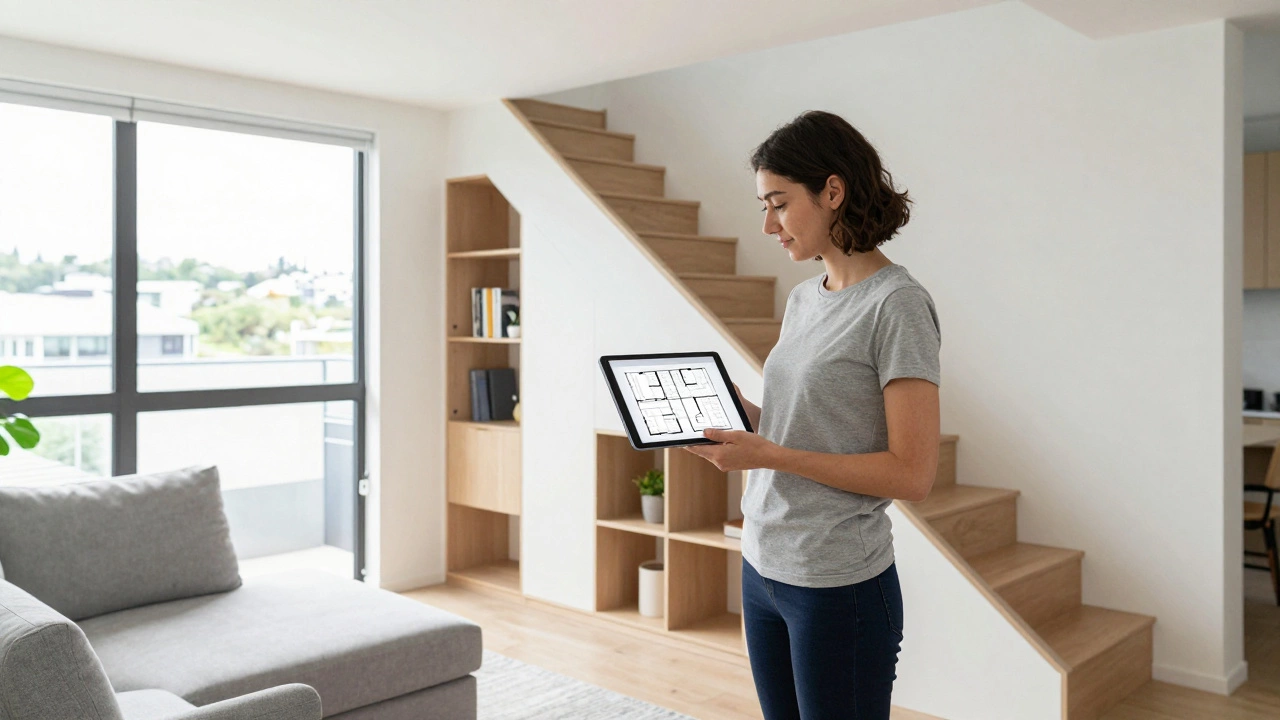
Take high-quality photos. Use natural light. Shoot from different angles. Edit them simply-no filters, just clean brightness and contrast. Then write a short case study for each: “Client: First-time homeowner, 28, living in a 55m² Wellington flat. Challenge: No storage, dark kitchen, no sense of flow. Solution: Open-plan kitchen extension, built-in storage under stairs, light wood tones, and layered lighting. Result: 80% cost reduction vs. full renovation, client moved in in 6 weeks.”
Put these on a simple website. Use Carrd or Canva. No need for fancy WordPress sites yet. Your portfolio isn’t a gallery-it’s a story of problem-solving. Clients don’t care about your favorite paint brand. They care about whether you can fix their problem.
Get Your Legal and Financial Basics in Place
Before you take your first dollar, set up the basics. In New Zealand, you need to:
- Register as a sole trader with the IRD (free online)
- Get an IRD number and set up GST if you expect to earn over $60,000/year (you can start without it)
- Open a separate business bank account (ASB, BNZ, or Co-operative Bank all offer free business accounts for starters)
- Get basic liability insurance through a provider like Markel or Hiscox (around $300/year)
Keep every receipt. Use a free app like Receipt Bank or even your phone’s camera to snap invoices and expenses. You’ll need them for tax season. Don’t wait until March. Do it monthly. Even if you’re only earning $500 a month, treat it like a real business. That mindset changes everything.
Find Your First Three Clients (Without Spending a Dollar)
You don’t need Facebook ads or a big LinkedIn presence to land your first clients. Start local.
Walk into three local real estate agents. Bring a printed case study (three pages max). Say: “I help first-time buyers turn their new apartments into homes without breaking the bank. I’d love to be on your list of recommended designers for clients who want to personalize their space.” Most agents will say yes. They want happy clients who stay in their homes longer.
Join your local Facebook group for your suburb-Wellington’s “Kilbirnie Community” or “Miramar Living.” Don’t post ads. Post helpful questions: “Anyone else struggling with dark hallways in old flats? I just did a redesign on one in Island Bay-here’s how I fixed it.” People will reply. Respond. Build trust.
Offer a free 30-minute design consult. No pressure. Just listen. Ask: “What’s the one thing you hate about your space?” Most people have a long list. Write it down. Then say: “I can fix that. Let me send you a quick sketch.” Send it within 24 hours. That’s how you turn interest into a paid job.
Set Your Prices (And Don’t Undersell)
Don’t charge by the hour. You’re not a plumber. Charge by project. Here’s what’s working in 2025:
- Full room redesign (including furniture, lighting, accessories): $2,500-$5,000
- Small space consultation + layout plan only: $800-$1,200
- Online design package (remote, no site visits): $1,500
Don’t say “I’ll do it for $500.” That signals low value. Instead, say: “My standard full-room package includes a custom floor plan, lighting layout, shopping list with real links, and two revisions. Most clients save $3,000+ by avoiding costly mistakes.”
Always ask for 50% upfront. It filters out tire-kickers. It also gives you cash to pay suppliers. You’re not begging for work-you’re offering a solution. Own it.
Use Tools That Actually Save Time
You don’t need expensive software. Here’s what real freelancers use:
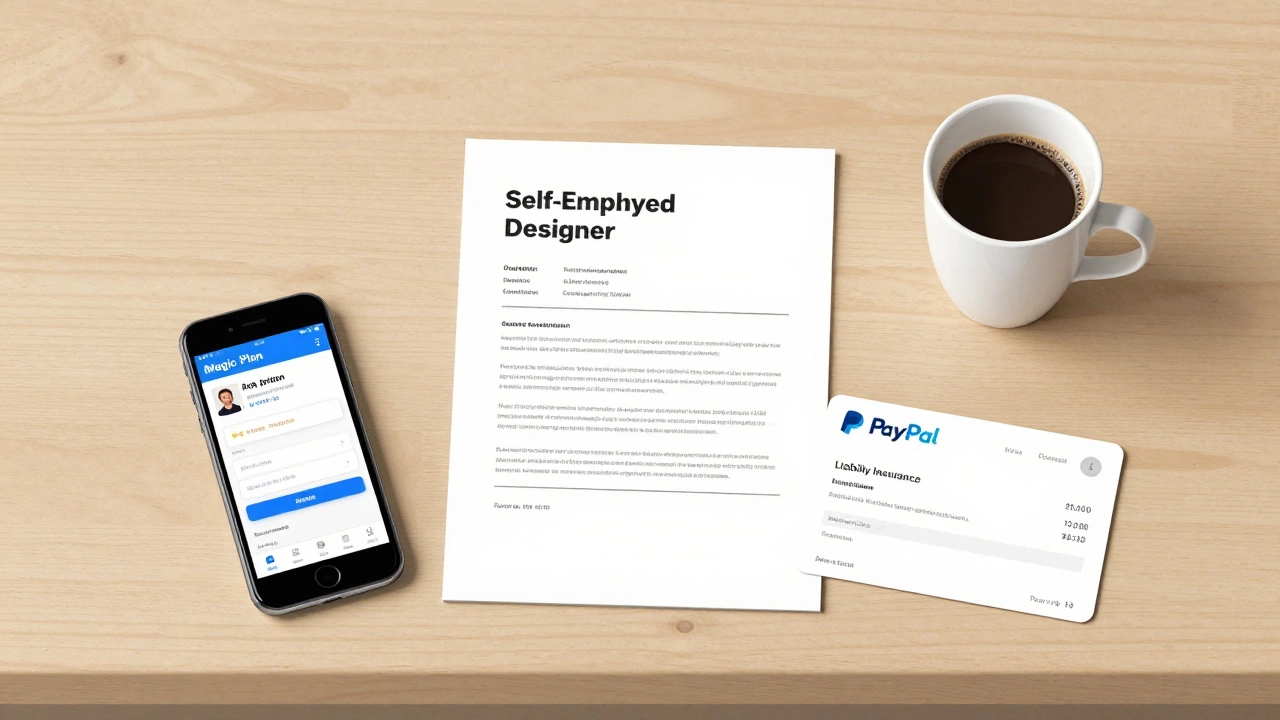
- SketchUp Free for basic floor plans
- Canva for client presentations (use their interior design templates)
- Notion to track clients, invoices, and project timelines
- PayPal or Stripe for invoices and payments
- Google Sheets for expense tracking
One designer I know in Dunedin uses only her phone and a free app called Magic Plan to scan rooms and generate floor plans in 10 minutes. She sends it to clients the same day. That’s speed. That’s professionalism.
Scale Without Hiring Staff
You don’t need to hire assistants to grow. You need systems.
Start by creating a client onboarding packet: welcome email, questionnaire, contract template, payment terms. Use Notion or Google Docs. Once it’s done, you never have to write it again.
Outsource the boring stuff. Hire a virtual assistant from Upwork for $10/hour to send follow-up emails or organize your Pinterest boards. Use Fiverr for basic image editing. You’re not a graphic designer-you’re a designer who solves problems. Let others handle the tasks that don’t use your unique skills.
After your first 10 clients, raise your prices by 20%. You’ve proven you can deliver. Now charge what you’re worth.
Stay in Business Beyond Year One
The biggest reason designers quit? Burnout. You’re not just designing spaces-you’re managing people’s emotions. A client who changes their mind three times? That’s normal. A client who ghosts you after the deposit? Happens. Don’t take it personally.
Protect your energy. Set boundaries. No weekend calls. No 11pm emails. Charge late fees. Say no to projects that drain you. Your business isn’t a hobby. It’s your livelihood.
Keep learning. Follow designers in Australia and Canada-they’re ahead in pricing and marketing. Join the Designers Institute of New Zealand. Attend their free webinars. Read the latest trends in sustainable materials. The market shifts fast. Stay sharp.
And remember: your first client won’t be your last. Your second won’t be your best. But if you show up, deliver value, and treat every job like it matters, you’ll build a business that lasts.
Do I need a degree to become a self-employed interior designer?
No. While a degree can help with credibility, it’s not required in New Zealand or most countries. Clients care more about your portfolio, communication, and results than your diploma. Many successful designers started with online courses from platforms like Skillshare or Domestika, then built real projects to prove their skills.
How much money do I need to start?
You can start with under $500. That covers a basic website (Carrd), liability insurance, a few design tools (SketchUp Free, Canva), and printing your first portfolio. Your biggest investment is time-not money. Avoid spending on fancy software, Instagram ads, or expensive furniture samples until you’ve earned your first $5,000.
Can I work remotely as an interior designer?
Yes, and many do. Online design packages are growing fast. You can serve clients across New Zealand-or even internationally-by using video calls, digital floor plans, and curated shopping lists. Site visits are helpful but not always necessary. Start with remote clients to build confidence and cash flow before taking on local in-person jobs.
How do I find clients if I’m not on social media?
You don’t need Instagram or TikTok. Start with real-world connections: local real estate agents, small furniture shops, community centers, and Facebook groups for your suburb. Offer free 30-minute consultations. Ask for referrals. Word-of-mouth still works better than any algorithm. One happy client can bring you three more.
What’s the most common mistake new designers make?
They focus on design instead of business. They spend weeks perfecting a mood board but never send an invoice. They say yes to every project, even the ones that pay poorly or drain them. They don’t track expenses or set boundaries. The best designers aren’t the most creative-they’re the most organized and consistent.