Interior Design vs. Decoration Career Path Quiz
Ever stared at a room full of beautiful furniture and wondered if you could make a living turning spaces into something people love? Maybe you’ve painted a wall, picked out curtains, or rearranged a living room just to feel better about it. Now you’re asking: should I be an interior designer or interior decorator? The answer isn’t about which one looks prettier-it’s about what you actually want to do every day.
Interior designers change how spaces work
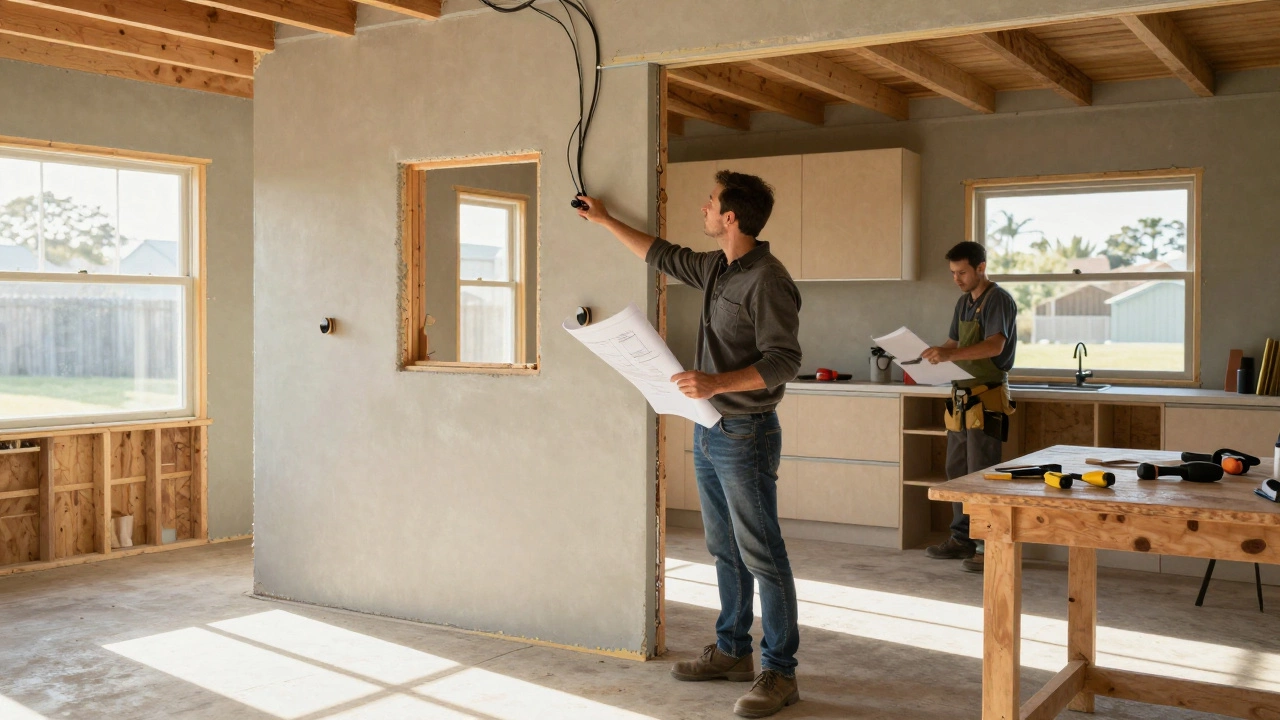
An interior designer works with walls, floors, lighting, and structure. They’re the ones who move load-bearing walls, install new windows, or redesign a kitchen layout so the workflow makes sense. They know building codes, accessibility standards, and how electrical systems run behind drywall. You don’t just pick a color-you figure out if the electrical outlet is in the right spot for a new island.
In New Zealand, interior designers often need formal training. Many complete a diploma or degree in interior design, and some register with the New Zealand Institute of Interior Design (NZIID). They handle permits, coordinate with architects and builders, and manage timelines. If you’re the kind of person who gets excited about floor plans, structural load calculations, or how ventilation affects air quality in a bathroom, this is your path.
Think of it like this: if you’re hired to redesign a small apartment into a functional two-bedroom, the designer is the one who decides where the bathroom goes, whether the kitchen needs a new vent, and if the stairs are safe. They don’t just make it look good-they make it safe, legal, and usable.
Interior decorators focus on what’s visible
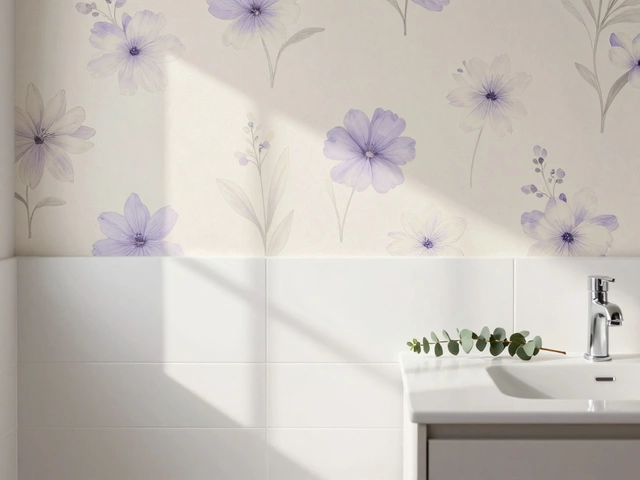
An interior decorator works with surfaces, textures, and finishes. They pick paint colors, choose rugs, arrange artwork, and source furniture that fits the vibe. They don’t touch walls or wiring. Their tools are fabric swatches, mood boards, and a sharp eye for balance.
Most decorators don’t need formal qualifications-though many take courses in color theory or styling. You can start decorating with just a notebook, a camera, and a love for Pinterest. If you love flipping through magazines, obsessing over texture combinations, or knowing exactly which shade of green makes a room feel calm, this is your lane.
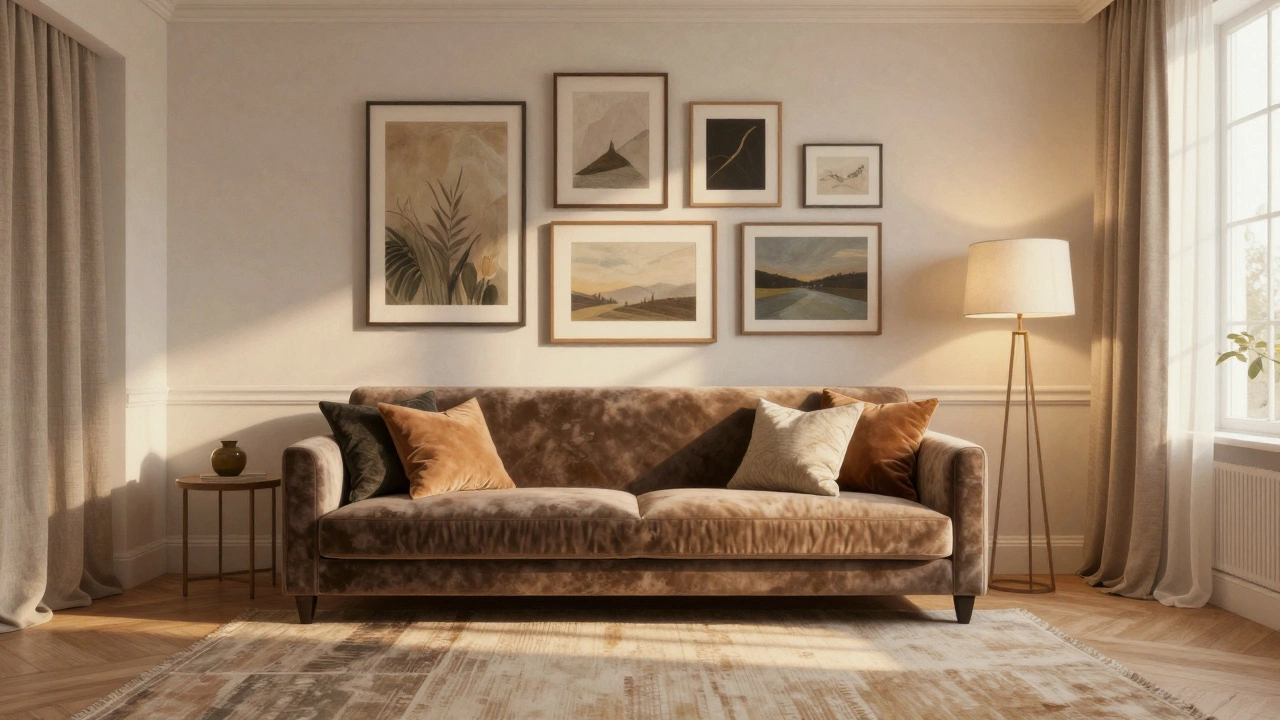
Picture this: a client has a perfectly laid-out room with good flow and lighting. The decorator comes in and replaces the sofa, adds layered lighting, hangs a gallery wall, and throws in some throw pillows. The structure stays the same. The feel changes completely. That’s decoration.
The job differences aren’t just about skills-they’re about scope
Here’s a quick breakdown:
- Interior designers can alter architecture, install built-ins, and manage construction. They often work on new builds, renovations, and commercial spaces like cafes or clinics.
- Interior decorators work on existing spaces. They don’t remove walls or rewire circuits. Their projects are usually residential and focus on aesthetics.
Designers charge more because they handle more risk and responsibility. A decorator might charge $50-$150 per hour. A designer might charge $80-$200+, especially if they’re managing contractors. In Wellington, where homes are often older and need upgrades, designers are in demand for heritage restorations and small-space optimization.
What you’re really choosing: creativity or control
Both roles need creativity. But the kind of creativity differs.
If you want to control the outcome from the ground up-if you dream of sketching a layout that turns a dark hallway into a bright reading nook-you’ll lean toward design. You’ll need patience for permits, meetings with plumbers, and waiting for custom cabinetry to arrive.
If you want to see immediate results-if you love the thrill of walking into a room on Friday and leaving it transformed by Sunday-you’ll prefer decorating. You can start today. Order a few items online. Style a shelf. Take photos. Build a portfolio with your own space.
One client I worked with in Newtown had a 1920s bungalow. She wanted to keep the original floorboards and fireplace but make it feel modern. The designer moved the kitchen wall two feet to open up the view. The decorator then chose the matte black taps, the linen curtains, and the oversized abstract painting above the mantel. Both were essential. But only one could touch the structure.
How to test which path fits you
Don’t just guess. Try this:
- Take a room in your home. Draw a floor plan. Can you identify where the electrical outlets are? Can you sketch where a new window might go? If yes, you’re thinking like a designer.
- Now, ignore the structure. Just pick three new items to change: a lamp, a rug, and a piece of art. Can you imagine how they’d change the mood? If that excites you more than moving walls, you’re a decorator at heart.
Try a free online tool like SketchUp Free or Roomstyler to play with layouts. Then try Canva or Pinterest to build mood boards. Which one do you spend more time on? That’s your hint.
Can you do both?
Yes. Many professionals start as decorators and later get certified as designers. Others begin with design training and focus on styling once they’ve got the technical side down. The market in New Zealand is shifting-clients increasingly want someone who understands both function and feel.
Some firms now hire “design-stylists”-people with design qualifications who specialize in finishes and furnishings. It’s a growing hybrid role. You don’t have to pick one forever. But you do need to start somewhere.

What’s the real barrier to entry?
For decorators: time and confidence. You don’t need a degree. You need a portfolio. Start by styling your own space, then offer to help a friend. Document everything. Post it. Build a simple Instagram page. Within six months, you could have real clients.
For designers: money and time. A diploma in interior design in New Zealand costs $10,000-$25,000 and takes 1-3 years. You’ll need to pass practical assessments and often complete internships. But once you’re qualified, you can bid on larger projects, work with architects, and get insurance coverage.
There’s no shortcut to becoming a designer. But there’s a fast lane to becoming a decorator.
Which path leads to more freedom?
Decorators often work freelance. You can take on one client a month and still make a good income. You set your own hours. You can work from home. Many decorate part-time while holding another job.
Designers often start in firms or on construction sites. It’s more structured. But once you build a reputation, you can run your own practice. You’ll have bigger projects-hotels, offices, multi-unit buildings-but also more responsibility, paperwork, and liability.
If you crave flexibility and low startup cost, go decorator. If you want to build a lasting business with higher earning potential and deeper impact, go designer.
Final thought: it’s not about titles-it’s about impact
People don’t remember whether you were a designer or decorator. They remember how the space made them feel. Did the light flow better? Did the kitchen finally work for their family? Did their kid stop bumping into the corner of the coffee table?
Both roles change lives. One just does it with a hammer. The other does it with a velvet pillow.
Ask yourself: do you want to build the stage-or choose the lights, the music, and the curtains?
Can I become an interior designer without a degree?
Technically, yes-you can call yourself a designer without formal training. But in New Zealand, you won’t be able to legally alter structural elements or pull permits without certification. Most reputable clients and contractors will only work with certified designers. A degree or diploma opens doors to insurance, contracts, and larger projects.
Do interior decorators need insurance?
Not legally, but it’s smart. If you’re working in someone’s home and accidentally scratch a floor or break a vase, liability insurance protects you. Many decorators get basic business insurance for under $300 a year. It’s a small cost for peace of mind and professionalism.
Which pays more: interior design or decorating?
Designers generally earn more because their work involves higher stakes and longer projects. In New Zealand, experienced designers earn $60,000-$100,000+ annually. Decorators often earn $40,000-$70,000, especially if they work part-time or on smaller jobs. But top decorators with strong branding can match or exceed designer earnings by working with high-end clients.
Can I start as a decorator and become a designer later?
Absolutely. Many designers started as decorators. Your eye for detail, client communication skills, and portfolio will give you a head start. You’ll still need to complete formal training, but you’ll already know how clients think-and that’s half the battle.
Is interior design a growing field in New Zealand?
Yes. With rising home values, aging housing stock, and more people working from home, demand is increasing. Small-space solutions, accessible design, and sustainable materials are hot areas. The Ministry of Business, Innovation and Employment (MBIE) reports steady growth in residential renovation projects, which means more work for qualified designers and skilled decorators alike.