Modern Decor Style Quiz
Can you tell the difference between Modern, Contemporary, and Traditional styles? Take this quick quiz to test your eye for design before you buy your next piece of furniture.
Quiz Complete!
You scored 0 out of 5.
You walk into a friend’s house and immediately feel a sense of calm. There’s no clutter on the shelves, no heavy drapes blocking the light, and everything seems to have its exact place. You ask them, "Is this minimalism?" They shake their head. "No," they say, "it’s just modern." This confusion is common. People often mix up Modern Home Decor with Minimalism, Contemporary, or Industrial styles. But there are distinct rules that define what makes a space truly "modern."
If you’re trying to update your living room or start from scratch in a new build, understanding these boundaries saves you money and headaches. It stops you from buying a piece that looks great in a photo but feels out of place in real life. Let’s break down exactly what constitutes modern decor, how it differs from similar trends, and how you can apply it without turning your home into a sterile showroom.
The Core Definition: Form Follows Function
At its heart, modern home decor is rooted in the Modernist movement of the early 20th century. Think Bauhaus school, mid-century modern architects like Frank Lloyd Wright, and designers like Mies van der Rohe. The guiding principle was simple: remove anything that doesn’t serve a purpose. If an object has no function, it shouldn’t be there. If it has a function, it should look good while doing it.
This isn’t about being cold or empty. It’s about intentionality. In a modern space, every chair, lamp, and rug earns its spot through utility and aesthetic harmony. The style rejects the ornate detailing of Victorian or Traditional eras. You won’t find carved wood legs, floral wallpaper, or excessive molding here. Instead, you see honest materials used in their natural state.
| Feature | Modern Style | Traditional Style |
|---|---|---|
| Lines | Clean, straight, geometric | Curved, ornate, decorative |
| Materials | Glass, steel, concrete, natural wood | Carved wood, velvet, silk, brass |
| Color Palette | Neutral base with bold accents | Warm tones, patterns, rich hues |
| Clutter | Minimal, hidden storage | Display-oriented, collections visible |
Modern vs. Contemporary: The Big Mix-Up
Here is where most people get tripped up. Are modern and contemporary the same thing? No. And getting this wrong leads to mismatched furniture.
Modern refers to a specific historical period, roughly from the 1920s to the 1970s. It has fixed characteristics: low-profile furniture, lack of ornamentation, and a focus on horizontal lines. It is static; it doesn’t change with current fads.
Contemporary means "of the moment." It changes every few years. Today’s contemporary style might include curved sofas, organic shapes, and warmer textures-things that were strictly forbidden in classic modern design. If you buy a piece today because it’s trendy, you are buying contemporary. If you buy a replica of a 1950s Eames lounge chair, you are buying modern.
Why does this matter? Because if you try to blend strict modern pieces with ultra-contemporary trends, the result can feel disjointed. A sleek, chrome-and-leather modern sofa looks odd next to a chunky, bouclé contemporary armchair unless you bridge them carefully. Knowing which lane you’re driving in helps you curate a cohesive look.
Essential Elements of a Modern Room
To achieve the look, you need to master four pillars: line, color, material, and light.
1. Clean Lines and Geometry
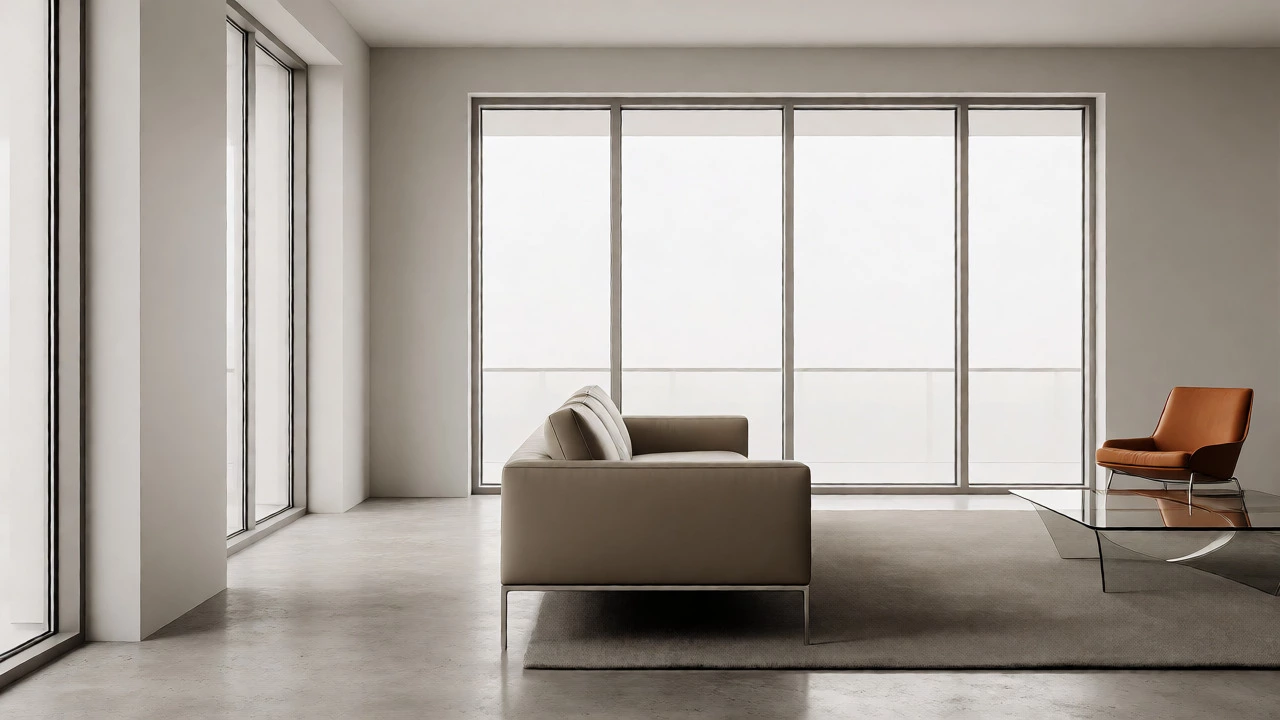
Modern design loves geometry. Look for rectangular coffee tables, square rugs, and linear shelving units. Furniture should sit low to the ground. High-backed, bulky sofas push the ceiling down visually. Modern sofas have exposed legs (often metal or wood) rather than skirts touching the floor. This creates a sense of openness and airiness.
2. The Neutral Foundation
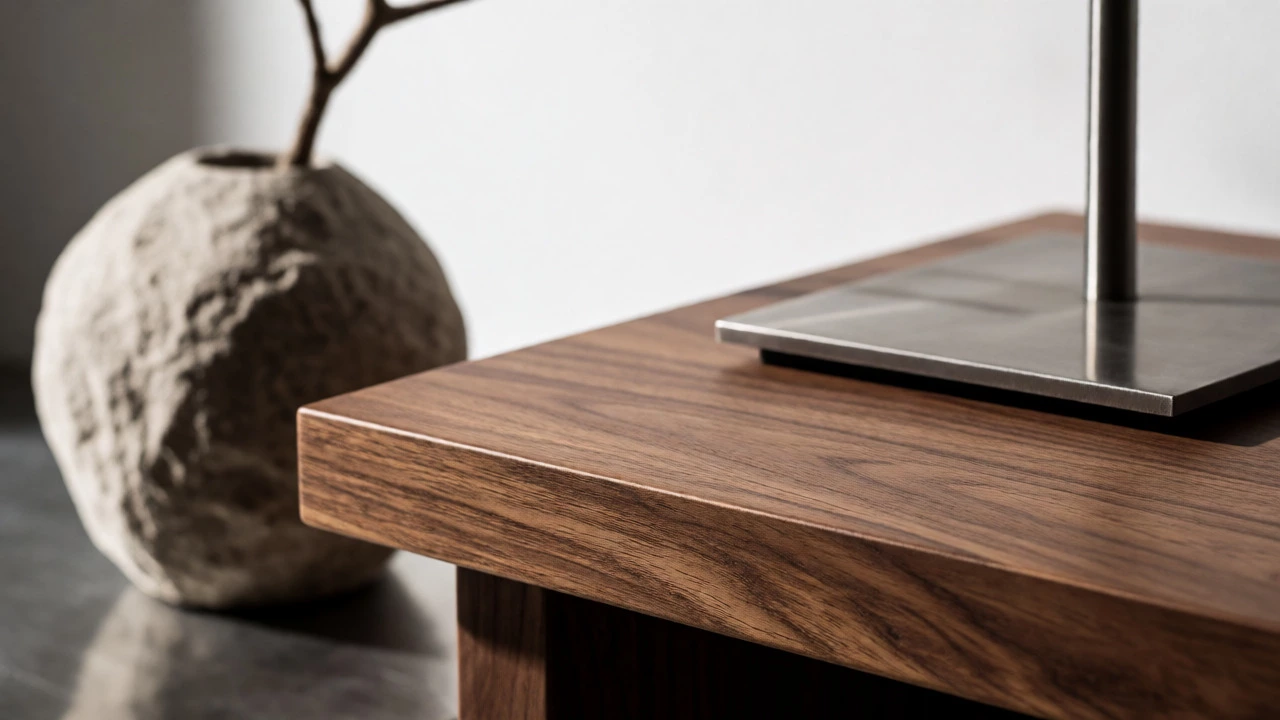
You’ll rarely see busy wallpapers in a true modern home. Walls are typically painted in whites, grays, beiges, or soft blacks. This neutral canvas allows architectural features and statement furniture to shine. However, "neutral" doesn’t mean boring. Texture becomes crucial here. Since you’ve removed visual noise, you must add tactile interest. Think nubby wool throws, smooth leather cushions, or rough-hewn stone vases.
3. Honest Materials
Modernism celebrates the truth of materials. Wood should look like wood, not fake veneer. Metal should show its grain. Glass should be transparent. Popular materials include:
- Chrome and Steel: For legs, frames, and fixtures.
- Glass: Used for tabletops and partitions to maintain sightlines.
- Concrete: Often used for floors or accent walls.
- Natural Wood: Teak, walnut, or oak, usually with a matte finish rather than high-gloss lacquer.
4. Natural Light and Open Space
Windows are treated as art. Heavy curtains are replaced by sheer shades or left bare. The goal is to flood the room with daylight. Artificial lighting is also strategic. Instead of one big central chandelier, use track lighting, recessed spots, or sculptural floor lamps. Lighting should highlight specific areas-a reading nook, a piece of art-not just brighten the whole room uniformly.
Furniture Selection: Quality Over Quantity
In a modern home, you own fewer things, but each item costs more. Why? Because when there’s nothing else to look at, flaws become obvious. A poorly constructed table wobbles visibly in an open, uncluttered room.
When shopping for Mid-Century Modern Furniture, look for tapered legs and organic curves. These pieces are iconic. But you don’t need to buy authentic vintage items. Many brands produce high-quality reproductions. Just ensure the proportions fit your space. Modern furniture is designed for efficiency, so oversized sectionals can kill the vibe. Stick to smaller, modular pieces that allow flow.
Avoid "fast furniture" made of particleboard with plastic laminates. In a minimalist setting, cheap materials age poorly and look cheap. Invest in solid wood, genuine leather, or high-grade metals. Your wallet will hurt now, but your eyes will thank you later.
Common Mistakes to Avoid
Trying to go modern often leads to spaces that feel cold or clinical. Here is how to fix that.
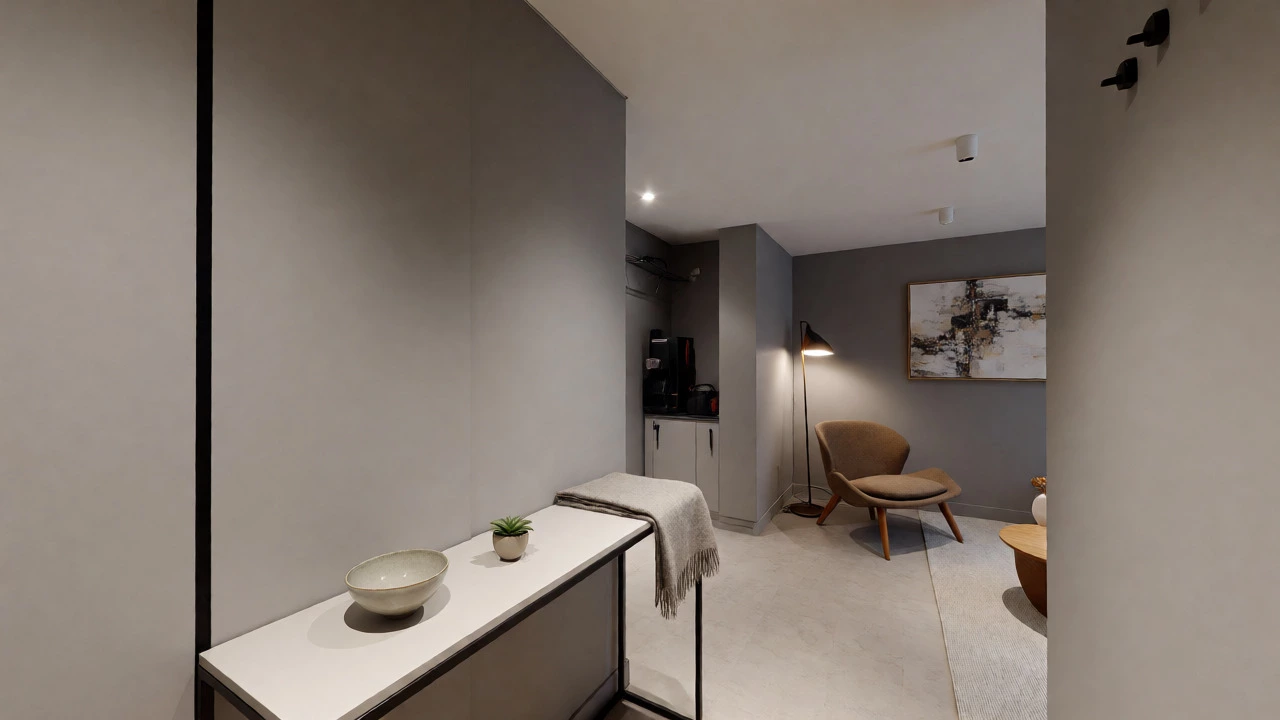
Mistake #1: Going Too Sterile. Some people think modern means empty. It doesn’t. It means curated. You still need personality. Add a large abstract painting, a unique ceramic vase, or a vibrant throw pillow. One pop of color-like mustard yellow, teal, or burnt orange-against a gray background creates energy without chaos.
Mistake #2: Ignoring Acoustics. Hard surfaces (concrete, glass, tile) reflect sound. Without soft furnishings, a modern room echoes. This is exhausting to live in. Counteract this with area rugs, upholstered seating, and perhaps acoustic panels disguised as art. Comfort matters as much as looks.
Mistake #3: Cluttering the Surfaces. Modern design relies on negative space. If you cover every shelf with knick-knacks, you lose the effect. Pick three items per surface, maximum. Rotate them seasonally if you want variety. Keep cables hidden. Visible wires ruin the clean-line aesthetic instantly.
How to Start Transitioning
You don’t need to renovate overnight. Start small.
- Declutter ruthlessly. Remove anything broken, unused, or purely decorative without meaning.
- Paint your walls. Switch to a crisp white or warm gray. This single change updates any room.
- Swap one key piece. Replace your old, skirted sofa with a low-profile modern one. Or swap heavy drapes for roller blinds.
- Add texture. Buy a textured rug or a linen cushion set to soften the hard edges.
Remember, modern decor is a mindset. It’s about asking "do I need this?" before bringing something into your home. It’s about respecting space and light. Once you grasp the principles, you can adapt them to your budget and lifestyle. It’s not about having a magazine-perfect home; it’s about having a home that feels clear, calm, and intentional.
Is modern decor expensive?
It can be, but it doesn't have to be. Authentic mid-century modern pieces are pricey due to demand. However, you can achieve the look affordably by focusing on clean lines and neutral colors using mass-produced furniture from retailers like IKEA or West Elm. The key is avoiding ornate details, not necessarily buying designer brands.
Can modern style work in small apartments?
Yes, modern style is excellent for small spaces. Its emphasis on open floor plans, low-profile furniture, and lack of visual clutter makes rooms feel larger. Using mirrors and glass surfaces further enhances the sense of space in compact urban dwellings.
What colors are best for modern interiors?
Stick to a neutral base: whites, grays, creams, and blacks. Use these for walls and large furniture. Then, introduce one or two bold accent colors through accessories like pillows, art, or rugs. Earth tones like terracotta or sage green are currently popular additions to the traditional modern palette.
Is modern the same as minimalist?
They overlap but aren't identical. Minimalism is a subset of modern design that takes simplicity to the extreme, often removing almost all decoration. Modern design allows for more personal expression and color, provided the forms remain clean and functional. You can have a modern home that is cozy and filled with meaningful objects, whereas strict minimalism might feel sparse.
How do I make a modern home feel cozy?
Add warmth through texture and lighting. Use layered rugs, wool blankets, and wooden elements to soften hard surfaces. Choose warm-toned bulbs (2700K-3000K) instead of cool white LEDs. Incorporate plants to bring life and organic shapes into the geometric structure.