Outdoor Furniture Material Selector
Your Requirements
Recommended Material
Based on your specific needs
Select your options
Click 'Find Best Match' to analyze which material suits your lifestyle best.
Picture this: you’ve just invested in a beautiful new dining set for your patio. You host dinner parties, enjoy morning coffees, and let the kids play around it. Then, six months later, the cushions are stained, the metal is rusting, or the wood has turned gray and splintered. It’s frustrating, expensive, and honestly, avoidable.
The question isn’t just about what looks good; it’s about what survives the elements without turning into an eyesore. When we talk about durable outdoor furniture, we aren’t just talking about strength. We’re talking about resistance to UV rays, moisture, temperature swings, and daily wear. If you live somewhere with harsh winters or intense summer sun, your material choice matters more than ever.
Why Material Matters More Than Design
You can have the most stylish frame in the world, but if it’s made from low-grade steel that corrodes when it rains, it’s useless after one season. Durability comes down to chemistry and physics. How does the material react to water? Does it expand and contract with heat? Will it fade under direct sunlight?
In Wellington, where I live, the weather changes fast. One minute it’s sunny, the next it’s lashing rain with high winds. My furniture needs to handle that unpredictability. Whether you’re in Arizona dealing with scorching heat or Seattle facing constant dampness, understanding how materials behave is the first step to making a smart purchase.
Let’s look at the top contenders. We’ll break down wood, metal, plastic composites, and synthetic fibers. For each, I’ll tell you what makes them tough, where they fail, and who should buy them.
Teak Wood: The Gold Standard for Natural Beauty
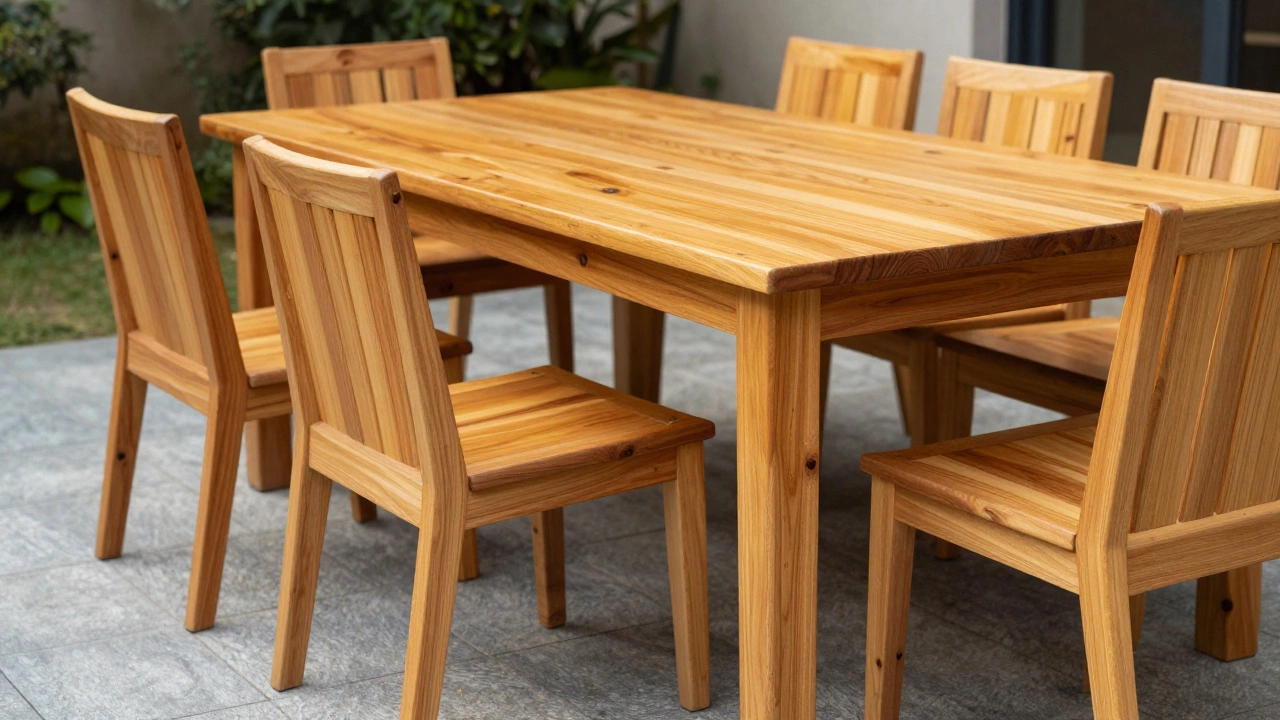
Teak is a dense tropical hardwood known for its natural oils and silica content, which provide inherent resistance to rot, insects, and moisture. It has been the go-to material for marine decks and luxury garden furniture for centuries.
Here’s why teak wins on durability: it doesn’t need paint or varnish to survive. The natural oils repel water, and the silica keeps bugs away. If you leave untreated teak outside, it won’t rot. Instead, it will slowly turn a silvery-gray color. Some people love that rustic look; others prefer to sand it back to its golden hue every few years.
- Pros: Extremely long-lasting (can last 50+ years), ages gracefully, heavy enough to resist wind, repairable.
- Cons: Very expensive upfront, requires occasional oiling if you want to keep the original color, can crack slightly in extreme dryness.
- Best For: People who want heirloom-quality pieces and don’t mind paying a premium for longevity.
If you buy teak, make sure it’s Grade A heartwood. Lower grades include sapwood, which lacks those protective oils and will rot much faster. Also, check the joinery. Mortise-and-tenon joints hold up better over decades than simple screws, which can loosen as the wood expands and contracts.
Powder-Coated Aluminum: Lightweight and Rust-Proof
Powder-coated aluminum is an aluminum frame finished with a baked-on polymer coating that provides superior protection against chipping, fading, and corrosion compared to traditional paint.
Aluminum is naturally rust-proof because it forms a protective oxide layer when exposed to air. But raw aluminum can oxidize into a dull white powder over time. That’s where powder coating comes in. This process electrostatically applies a dry powder that is then cured under heat, creating a thick, durable shell.
This is my personal favorite for modern patios. It’s light, so I can move chairs around easily when the wind picks up. It doesn’t rust like wrought iron, and it doesn’t fade quickly if the coating is high-quality.
- Pros: Lightweight, rust-resistant, sleek modern look, affordable compared to teak, easy to clean.
- Cons: Can dent if dropped heavily, cheap coatings may chip revealing bare metal underneath, less "warm" feel than wood.
- Best For: Apartment balconies, coastal areas (salt air friendly), and people who like to rearrange their space often.
Avoid tubular aluminum that feels flimsy. Look for cast aluminum or thick-walled tubes. Cast aluminum is poured into molds, allowing for intricate designs and greater structural integrity. It’s heavier than tubular but still lighter than steel.
All-Weather Wicker (Synthetic Rattan): Style Meets Strength
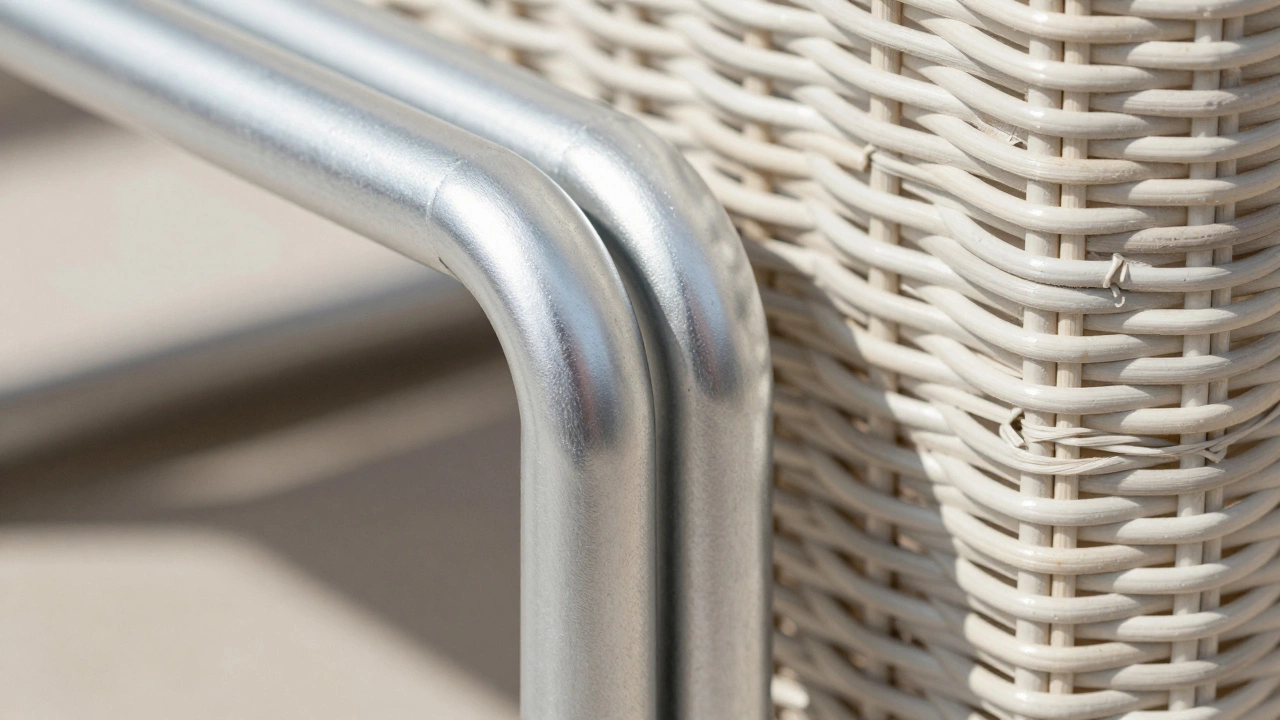
Synthetic wicker is a man-made fiber, usually HDPE (High-Density Polyethylene), woven around an aluminum or steel frame to mimic the look of natural rattan without the maintenance.
Gone are the days when "wicker" meant brittle, splintery natural cane that broke in a year. Today’s all-weather wicker is made from High-Density Polyethylene (HDPE). It’s flexible, UV-stabilized, and waterproof. You can hose it down, and it dries quickly.
The key here is the frame underneath. If the wicker is wrapped around steel, it might rust eventually. If it’s wrapped around aluminum, it’s nearly indestructible. Always check the specs.
- Pros: Comfortable, many style options, UV resistant, hides dirt well, relatively affordable.
- Cons: Can sag over many years, difficult to repair if torn, frames can get hot in direct sun.
- Best For: Loungers, daybeds, and casual seating areas where comfort and aesthetics are priorities.
Don’t confuse PE wicker with PVC wicker. PVC is cheaper but becomes brittle in cold weather and degrades faster in UV light. Stick to HDPE for true durability.
Polywood (Recycled Plastic Lumber): The Low-Maintenance Hero
Polywood is a composite material made from recycled high-density polyethylene plastic, designed to look like wood but requiring zero staining, sealing, or painting.
If you hate maintenance, this is your best friend. Polywood is made from milk jugs and other recycled plastics. It’s molded into planks that look like cedar or mahogany but act like plastic. It won’t rot, warp, crack, or splinter. It also resists mold and mildew, which is huge if you live in a humid climate.
I’ve seen Polywood benches in public parks that have been there for ten years looking brand new. No peeling paint, no green algae buildup. Just wipe it down with soap and water once a year.
- Pros: Zero maintenance, eco-friendly (recycled content), extremely durable, color is solid throughout (so scratches aren’t visible).
- Cons: Limited design styles (mostly Adirondack chairs, benches, tables), can be heavy, higher initial cost than basic plastic.
- Best For: Beach houses, poolside areas, and anyone who wants to sit back and never worry about upkeep.
Note that Polywood can get warm in direct sunlight. If you’re in a very hot climate, consider using cushions or placing it in partial shade.
Stainless Steel: Industrial Toughness
Stainless steel is an alloy containing chromium that forms a passive layer protecting it from rust and corrosion, making it ideal for high-moisture environments.
Not all stainless steel is created equal. You want 304 or 316 grade. 316 is "marine-grade" and contains molybdenum, which offers extra protection against saltwater corrosion. If you live near the ocean, 316 is non-negotiable. Otherwise, 304 is fine for inland use.
Stainless steel is incredibly strong and has a sleek, industrial look. It’s often used for commercial patios because it can withstand heavy abuse. However, it shows fingerprints and water spots easily, so you’ll need to wipe it down occasionally to keep it looking sharp.
- Pros: Virtually indestructible, fireproof, hygienic, modern aesthetic.
- Cons: Expensive, shows stains/water marks, can become uncomfortably hot or cold to the touch.
- Best For: Coastal properties, commercial settings, and minimalist design lovers.
Cushions and Fabrics: The Weak Link
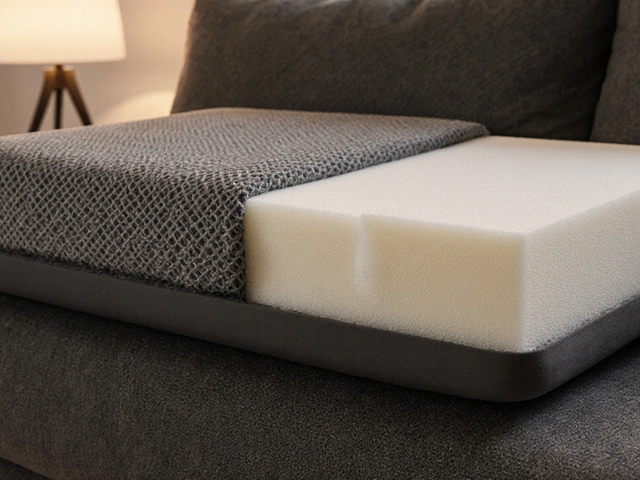
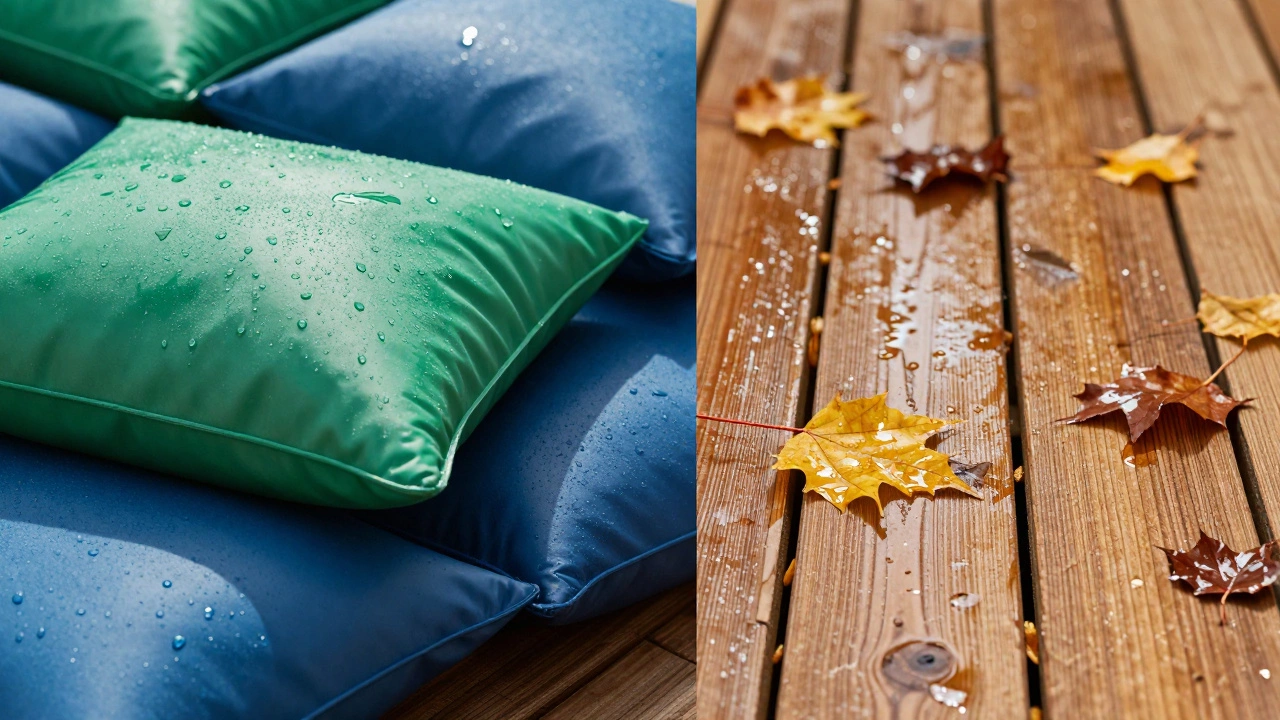
Your frame might last 20 years, but your cushions might last two. Fabric is usually the first thing to go. Sun fades colors, rain causes mold, and pets destroy stitching.
Look for solution-dyed acrylic fabrics like Sunbrella is a brand of solution-dyed acrylic fabric renowned for its fade resistance, stain repellency, and breathability, widely considered the industry standard for outdoor upholstery.. Solution-dyeing means the color is embedded in the fiber before it’s spun into yarn. This makes it far more fade-resistant than printed fabrics. It’s also breathable, so it dries quickly after rain, preventing mildew.
Check the zippers. Cheap metal zippers rust. Look for plastic or coated brass zippers. And always buy extra cushion covers. They’re easier to replace than buying whole new cushions.
Comparison Table: At a Glance
| Material | Lifespan | Maintenance Level | Cost Range | Best Climate |
|---|---|---|---|---|
| Teak Wood | 20-50+ years | Low (optional oiling) | $$$ | All climates |
| Aluminum (Powder-Coated) | 10-20 years | Very Low | $$ | Coastal, Dry |
| Synthetic Wicker (HDPE) | 5-10 years | Low | $$ | Moderate, Sheltered |
| Polywood (Recycled Plastic) | 15-25 years | None | $$-$$$ | Humid, Sunny |
| Stainless Steel (316) | 20+ years | Low (cleaning) | $$$ | Coastal, Urban |
Pro Tips for Maximizing Longevity
Even the best furniture needs some care. Here are a few habits that will add years to your investment:
- Use Covers: Yes, even if the material is weather-resistant. UV rays fade everything over time. A breathable cover protects against dust, bird droppings, and intense sun.
- Store Cushions Indoors: Don’t leave cushions out overnight if rain is forecast. Mold grows fast on wet foam.
- Clean Regularly: Dirt holds moisture. Sweep off debris weekly and wash with mild soap monthly. For wood, use a specialized teak cleaner if you want to remove gray discoloration.
- Move Heavy Pieces: If you have extreme weather (hurricanes, blizzards), bring lightweight items inside. Anchor heavy items down.
- Inspect Joints: Once a year, tighten any loose screws or bolts. Wood expands and contracts, loosening hardware over time.
Final Thoughts: What Should You Buy?
There is no single "best" material. It depends on your budget, your climate, and your style preferences. If money is no object and you want something that lasts generations, go for Teak. If you want modern, lightweight, and rust-free, choose Powder-Coated Aluminum. If you hate maintenance, pick Polywood. If you want cozy lounging, invest in HDPE Wicker with quality cushions.
Whatever you choose, avoid the cheapest options. In outdoor furniture, you often get what you pay for. A $200 set might look great for a summer, but a $800 set can serve you for a decade. Think of it as a cost-per-year calculation.
Is teak wood really worth the high price?
Yes, if you value longevity and natural aesthetics. Teak can last 50 years or more with minimal care. While the upfront cost is high, the cost per year of use is often lower than replacing cheaper sets every few years. It also retains resale value better than other materials.
Will aluminum furniture rust in coastal areas?
No, aluminum itself does not rust. However, the powder coating can degrade over time due to salt spray. Choose high-quality powder-coated aluminum and rinse it with fresh water occasionally to remove salt residue. Avoid wrought iron or untreated steel near the ocean.
How do I know if wicker is high quality?
Look for HDPE (High-Density Polyethylene) wicker, not PVC. HDPE is thicker, more flexible, and UV-stabilized. Check the underside of the weave; it should be tight and uniform. Also, ensure the frame underneath is aluminum or stainless steel, not thin steel tubing.
Can I leave Polywood furniture outside all winter?
Yes, Polywood is designed to withstand freezing temperatures, snow, and ice without cracking or warping. It’s one of the few materials that truly requires zero seasonal storage. Just stack snow off it gently to prevent physical damage from weight.
What is the best fabric for outdoor cushions?
Solution-dyed acrylic fabrics like Sunbrella are the gold standard. They resist fading, stains, and mildew. Polyester blends are cheaper but fade faster. Always look for a rating of at least 100,000 hours of light exposure for maximum durability.
Does stainless steel get too hot in the sun?
Yes, stainless steel conducts heat well and can become very hot in direct sunlight. If you live in a hot climate, consider adding seat cushions or choosing finishes that reflect more light. It also gets cold in winter, so it’s best suited for temperate zones or covered patios.