Wallpaper vs Paint Cost Estimator (NZD)
Enter your room details to compare upfront costs and long-term value. Prices are estimates based on 2026 New Zealand market rates.
Cost Comparison
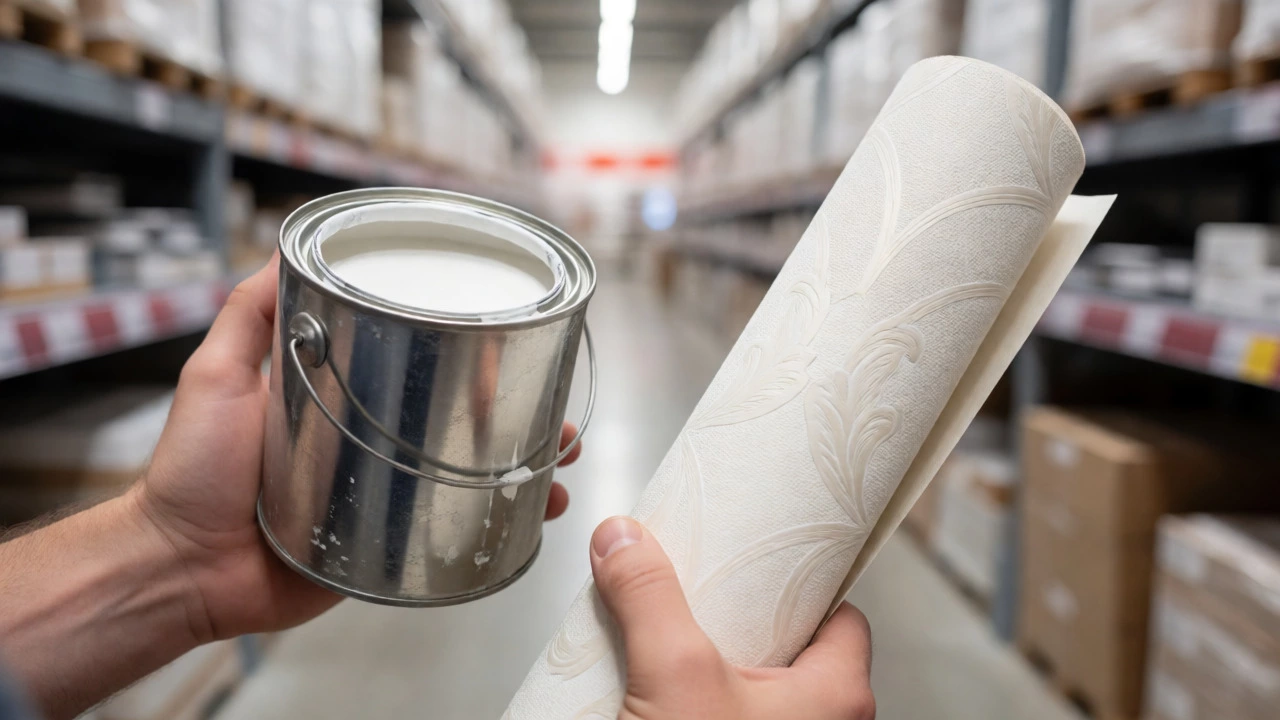
You’re standing in the aisle of your local hardware store, staring at a can of paint priced at $45 and a roll of designer wallpaper sitting next to it for $80. Your instinct says paint is cheaper because the sticker price is lower. But here’s the twist that trips up almost every homeowner: once you factor in labor, prep time, and longevity, the math often flips. Is wallpaper actually cheaper than paint? The short answer is no-paint usually wins on upfront cash flow. But the long answer? It depends entirely on how you define "cheap." Are you counting dollars spent today, or years until you have to do it again?
| Cost Factor | Standard Paint | Standard Wallpaper | Designer Wallpaper |
|---|---|---|---|
| Material Cost | $3-$5/m² | $15-$25/m² | $40-$80+/m² |
| Prep Work | High (filling, sanding) | Low (if walls are smooth) | Low (hides imperfections) |
| Labor (DIY Time) | 2-3 days per room | 1-2 days per room | 1 day (paste-the-wall) |
| Lifespan | 5-7 years | 10-15 years | 15+ years |
The Hidden Costs of Painting
When people say painting is cheap, they’re looking at the tin. A 10-liter bucket of quality interior emulsion might cost you $80-$120. That sounds like a bargain until you realize how much surface area it covers. You’ll need primer if you’re changing colors drastically or covering stains. Then there’s the tape, drop cloths, brushes, rollers, and trays. These consumables add up fast-often adding another $50-$100 to your project before you’ve even rolled a single stroke.
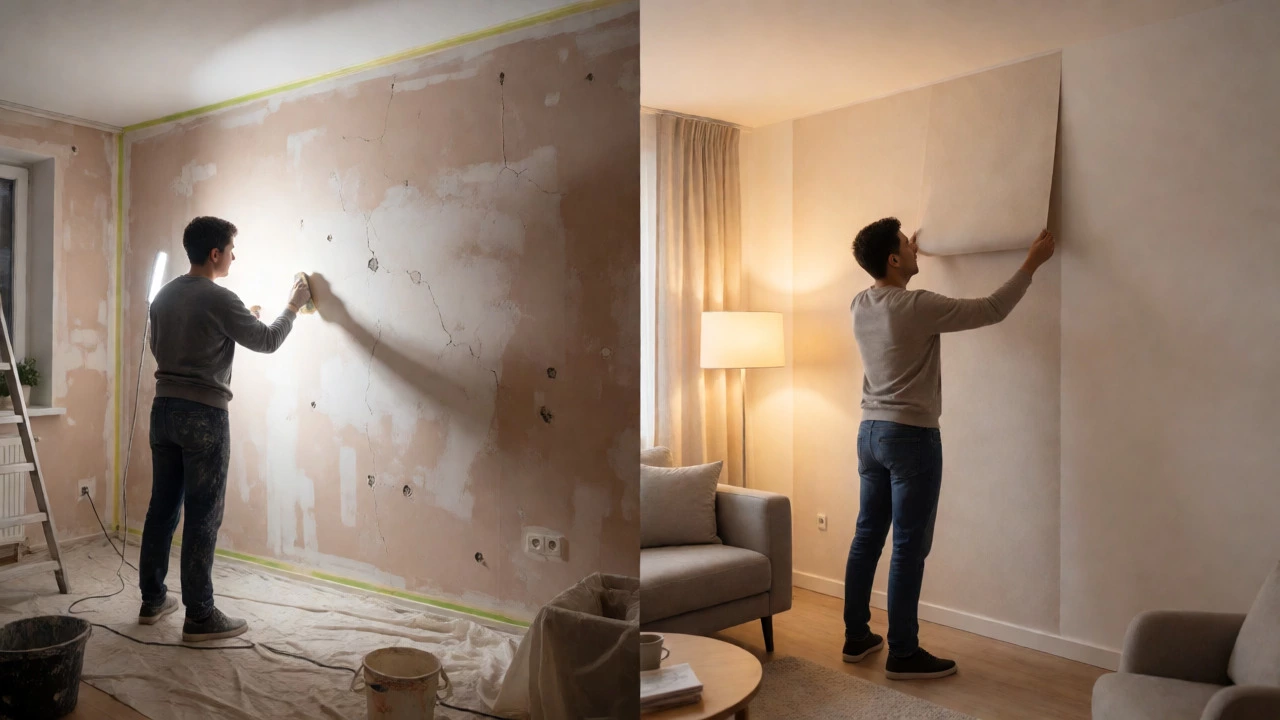
But the real killer isn’t the supplies; it’s the prep work. Paint doesn’t forgive bad walls. If your plaster has cracks, nail holes, or uneven texture, you must fill, sand, and prime. This process takes hours, sometimes days, depending on the damage. If you hire a professional painter in Wellington, expect to pay between $400 and $800 per day. For an average-sized bedroom, that’s easily $1,500-$2,500 just for labor. And here’s the catch: paint chips. It scuffs when you move furniture. It fades near windows. Within five to seven years, you’re likely repainting anyway.
Why Wallpaper Isn’t as Expensive as It Looks
Let’s look at wallpaper. Yes, a single roll costs more than a liter of paint. But one roll covers about 5-6 square meters, whereas a liter of paint covers roughly 10-12 square meters with two coats. So yes, material-wise, wallpaper is pricier. However, modern wallpaper technologies have changed the game. Non-woven wallpapers are dimensionally stable, meaning they don’t expand when wet and contract when dry. This makes hanging them significantly faster than traditional paste-the-paper methods.
More importantly, wallpaper hides sins. If your walls are textured or slightly uneven, wallpaper bridges those gaps seamlessly. You skip the heavy sanding and multiple coats of filler required for paint. This saves massive amounts of time. If you’re doing it yourself, you might finish a room in a weekend rather than dragging it out over three weekends. Time is money, especially if you value your free evenings. Plus, high-quality vinyl or non-woven wallpapers are scrubbable. Kids’ handprints? Wipe them off. Scuff marks from a vacuum cleaner? Gone. With paint, you’d be touching up spots or repainting the whole wall.
Longevity and Replacement Cycles
This is where the conversation gets interesting. Let’s run a 15-year scenario for a standard living room. If you choose paint, you’ll likely repaint twice during this period due to wear, tear, and style changes. Each repaint cycle costs materials plus labor (or your time). If you choose durable vinyl wallpaper, you might only replace it once, or not at all if you stick with a neutral pattern.
Consider the resale value angle too. Real estate agents often note that well-maintained, unique feature walls can help a property stand out. A freshly painted white box is safe but forgettable. A tasteful, high-quality wallpapered accent wall suggests care and design intent. While it won’t necessarily increase the appraisal by thousands, it can speed up the sale. Conversely, peeling wallpaper is a major red flag for buyers. It signals deferred maintenance. So, while paint is safer for quick sales, good wallpaper adds character that paint struggles to mimic without expensive faux finishes.
DIY Difficulty: Where You Save Money
If you’re handy, both options are DIY-friendly, but they require different skills. Painting is forgiving. Miss a spot? Roll over it later. Get a drip on the floor? Clean it up. Wallpaper demands precision. Pattern matching is critical. If you cut a strip wrong, you waste material. Aligning seams requires patience and steady hands. Mistakes are harder to fix once the adhesive sets.
- Painting Pros: Easy to touch up, widely available tools, low barrier to entry.
- Painting Cons: High prep requirements, fumes (even low-VOC), longer drying times between coats.
- Wallpaper Pros: Hides wall defects, durable, washable, instant transformation.
- Wallpaper Cons: Harder to remove, precise alignment needed, higher initial material cost.
In New Zealand, labor rates for skilled tradespeople remain high. Hiring a paper-hanger can cost similar to a painter, but because they work faster on large flat surfaces, the total job price might be comparable or even lower for complex rooms. However, removing old wallpaper is a nightmare. It involves soaking, scraping, and potentially repairing damaged plaster underneath. This adds cost and time if you’re switching back to paint later. Always assess the condition of your existing walls before deciding.
Environmental and Health Considerations
Modern paints are far less toxic than they were twenty years ago. Low-VOC (Volatile Organic Compounds) options are standard now, reducing indoor air pollution risks. However, they still emit some gases during application and drying. Wallpaper adhesives vary. Traditional wheat-based pastes are natural and biodegradable. Synthetic adhesives may contain chemicals, though most reputable brands comply with strict environmental standards.
Disposal is another factor. Empty paint tins are recyclable metal. Leftover paint can be donated or dried out for landfill. Wallpaper scraps are trickier. Vinyl coatings make recycling difficult in many councils. Check with your local Wellington City Council guidelines on disposing of synthetic wall coverings. Sometimes, the eco-footprint favors paint simply because it’s easier to recycle and reuse.
When Wallpaper Wins on Budget
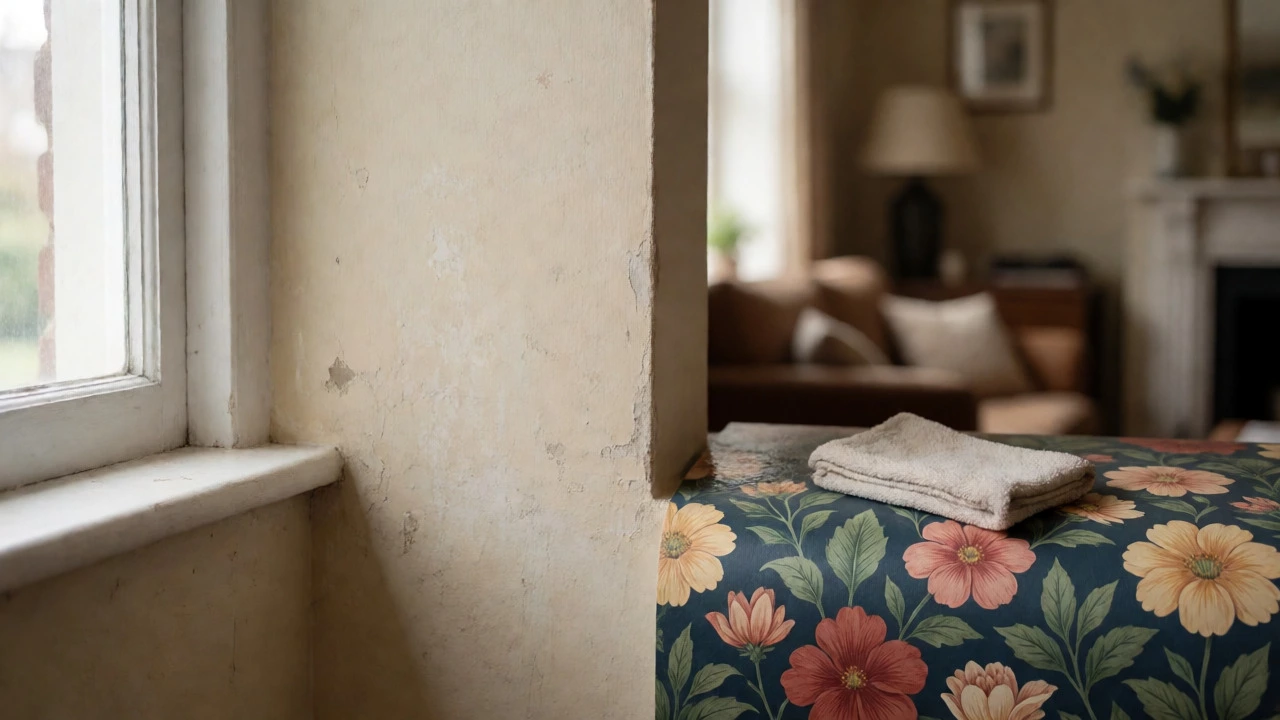
There are specific scenarios where wallpaper is actually the cheaper option overall. First, if your walls are heavily textured or damaged. The cost of skim-coating a whole house to get a smooth surface for paint can exceed the cost of covering it with thick, textured wallpaper. Second, in small spaces like powder rooms or hallways. You buy less material, and the impact is high. Third, if you love change. Removable peel-and-stick wallpapers allow you to refresh a room’s look for under $100 without hiring anyone. Paint requires full coverage each time; wallpaper lets you target specific areas.
Also, consider commercial durability. In high-traffic areas like stairwells or kids’ bedrooms, wallpaper’s resistance to abrasion means fewer repairs. Paint chips easily in these zones. Over ten years, the cost of frequent touch-ups can rival the initial premium of wallpaper.
Making the Final Decision
So, is wallpaper cheaper than paint? Strictly speaking, no. The upfront investment for materials and potential professional installation is higher. But if you calculate cost-per-year-of-service, high-quality wallpaper often matches or beats paint. It lasts longer, hides flaws better, and offers more visual depth without specialized artistic skill.
Your choice should depend on your current situation. Renting? Go for removable wallpaper or cheap paint-you need flexibility. Owning a starter home with rough walls? Wallpaper might save you thousands in plastering. Building a luxury custom home? Paint offers a clean, minimalist canvas that aligns with modern trends, while wallpaper serves best as an accent. Don’t let the sticker price fool you. Look at the whole picture: prep, lifespan, maintenance, and your own time. That’s where the real savings hide.
Is it cheaper to paint or wallpaper a bedroom?
Generally, painting is cheaper upfront. For an average bedroom, expect to spend $300-$600 on DIY paint supplies versus $500-$1,000 on wallpaper materials. However, if your walls need significant repair, wallpaper may save money by avoiding plastering costs.
How long does wallpaper last compared to paint?
Quality wallpaper typically lasts 10-15 years, whereas paint usually needs refreshing every 5-7 years due to scuffs, fading, and wear. Vinyl wallpapers are particularly durable and resistant to cleaning.
Does wallpaper increase home value?
It can. Neutral, high-quality wallpaper in good condition can enhance appeal and suggest care. However, bold patterns or peeling wallpaper can deter buyers. Fresh, neutral paint is universally accepted and often preferred for quick sales.
Can I put wallpaper over painted walls?
Yes, provided the paint is in good condition and not flaking. You must clean the walls thoroughly and apply a sizing agent or primer designed for wallpaper adhesion to ensure proper bonding.
What is the most expensive part of wallpapering?
Labor is usually the biggest cost if hiring a pro. For DIYers, the hidden cost is removal. Stripping old wallpaper is time-consuming and may reveal damaged plaster requiring repair, adding unexpected expenses.