Furniture Storage Mould Risk Calculator
Storage Configuration
Risk Assessment Results
Required Protection Steps
Check off the steps below as you complete them to see your readiness score.
Select your furniture details and click "Assess Risk" to generate a custom protection plan.
You just packed up your life into a storage container is a secure, enclosed space used for temporary or long-term storage of personal belongings and furniture. You’re excited to move, renovate, or declutter. But then the question hits you: will your prized sofa, that wooden dining table, or even those upholstered chairs turn into a fuzzy, smelly mess by the time you need them again?
The short answer is yes. Furniture can absolutely go mouldy in a storage container if you don’t take specific steps to control moisture. Mould isn’t just unsightly; it ruins fabric, warps wood, and creates health hazards. But here’s the good news: with the right preparation, you can keep your items pristine for months or even years.
Why Storage Containers Are Mould Magnets
To stop mould, you first have to understand why it grows. Mould needs three things: food (organic material like wood, fabric, or leather), warmth, and most importantly, moisture. A standard storage unit, especially one made of metal or located on a concrete slab, is essentially a trap for humidity.
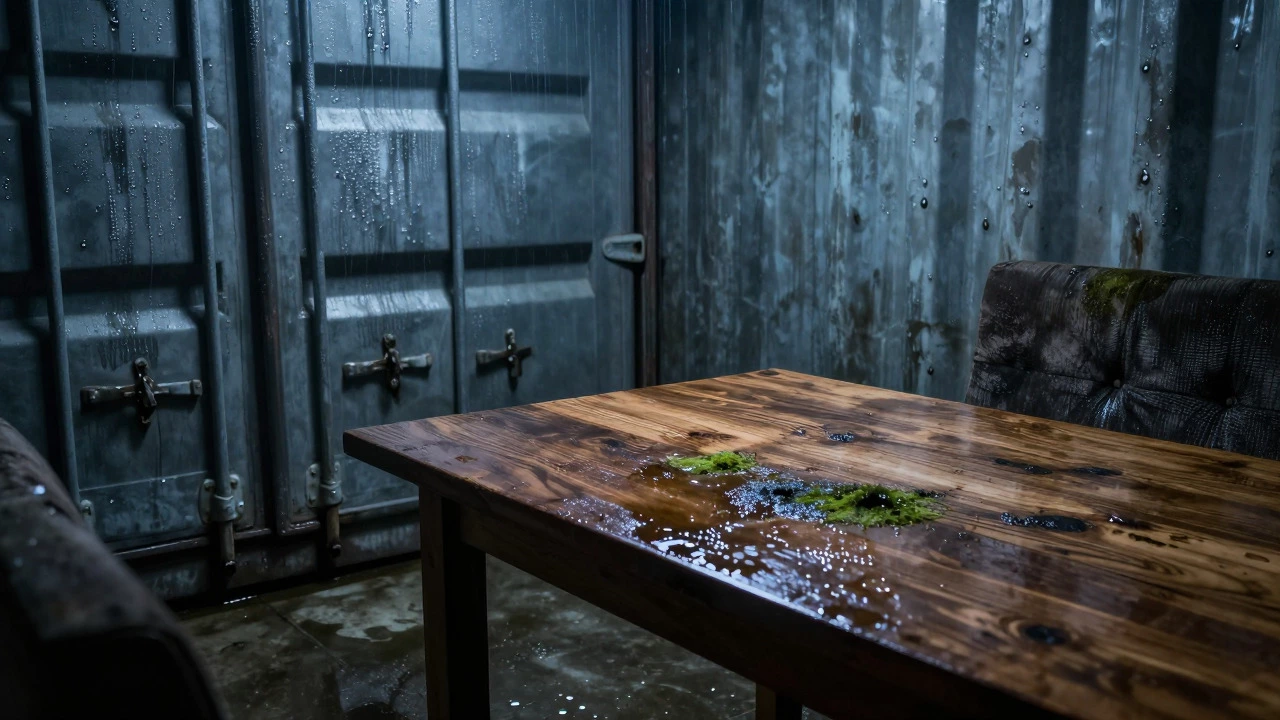
Metal containers expand and contract with temperature changes. When warm air meets cold metal surfaces, condensation forms-just like water droplets on a cold soda can on a hot day. This phenomenon, known as "sweating," introduces liquid water directly onto your stored items. If the container lacks ventilation, that moisture has nowhere to go. It sits there, soaking into cushions and seeping into wood grain, creating the perfect breeding ground for fungal spores.
Additionally, many storage facilities are not climate-controlled. In places with high rainfall or humid summers, the ambient air inside the unit can hold significant moisture. Without active management, relative humidity levels can easily spike above 60%, which is the threshold where mould begins to thrive.
Which Furniture Is Most at Risk?
Not all furniture is created equal when it comes to mould susceptibility. Understanding the material composition of your items helps you prioritize protection efforts.
| Furniture Type | Risk Level | Primary Vulnerability |
|---|---|---|
| Upholstered Items (Sofas, Chairs) | High | Fabric absorbs moisture; foam cores retain dampness for weeks. |
| Solid Wood (Tables, Cabinets) | Medium | Wood expands and contracts; unfinished surfaces absorb humidity. |
| Leather (Armchairs, Beds) | Medium-High | Leather cracks and develops mildew stains if not conditioned. |
| Metal Frames (Bed frames, Shelving) | Low | Rust is the main concern, not mould, though upholstery attached to metal suffers. |
| Plywood/Particle Board (IKEA-style) | Very High | Glues break down; boards swell and crumble when wet. |
If you have particle board furniture, treat it with extreme caution. These materials are engineered wood products held together by adhesives. When exposed to sustained humidity, they delaminate and disintegrate. Upholstered pieces are also prime targets because fabrics act like sponges, trapping moisture deep within their fibers where air circulation rarely reaches.
Preparation: Cleaning Before Storing
Never put dirty furniture into storage. Dust, food crumbs, and body oils serve as fuel for mould spores. Even if the air is dry, organic residue can attract pests and accelerate degradation.
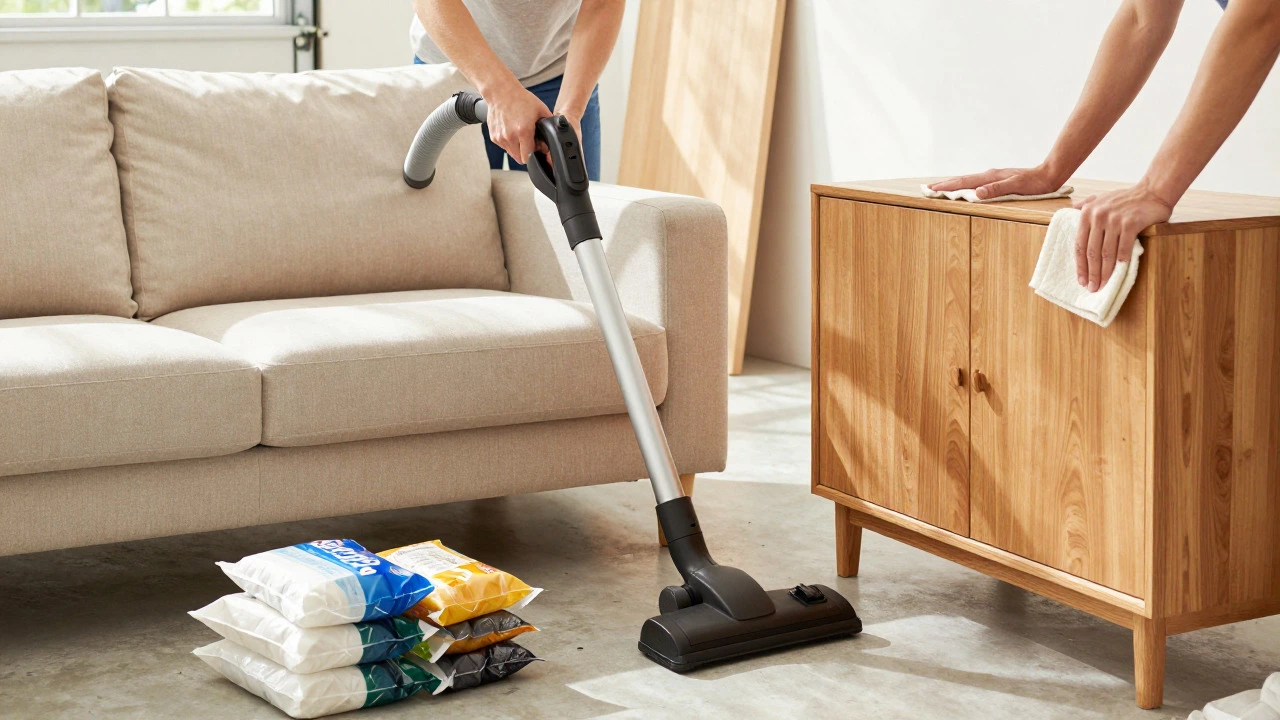
- Vacuum thoroughly: Use an upholstery attachment to remove dust from crevices in sofas and chairs. Don’t forget under cushions and behind legs.
- Wipe down hard surfaces: Clean wood tables and cabinets with a mild detergent solution. Ensure they are completely dry before packing. Any residual dampness will be sealed in once you cover the item.
- Treat leather: Apply a leather conditioner to protect the surface. Dry leather is less prone to cracking and mould growth than neglected, brittle hides.
- Air out items: If possible, leave furniture outside or in a well-ventilated garage for a few days before storage to ensure no hidden moisture remains.
This step is often skipped, but it’s critical. Think of it like washing dishes before putting them away-you wouldn’t store greasy plates without cleaning them, so why do it with expensive furniture?
Moisture Control Strategies Inside the Container
Once your furniture is clean, you need to manage the environment inside the self-storage unit is a rented space designed for secure storage of goods, often lacking climate control unless specified. Here are proven methods to keep humidity in check.
Use Desiccants Aggressively
Silica gel packets are small, but they work wonders. Place large quantities around your furniture. For larger units, consider buying bulk silica gel or calcium chloride-based moisture absorbers. These chemicals pull water vapor out of the air, preventing condensation on your items.
Another effective option is activated charcoal bags. They not only absorb moisture but also neutralize odors, keeping your space smelling fresh rather than musty.
Elevate Everything Off the Floor
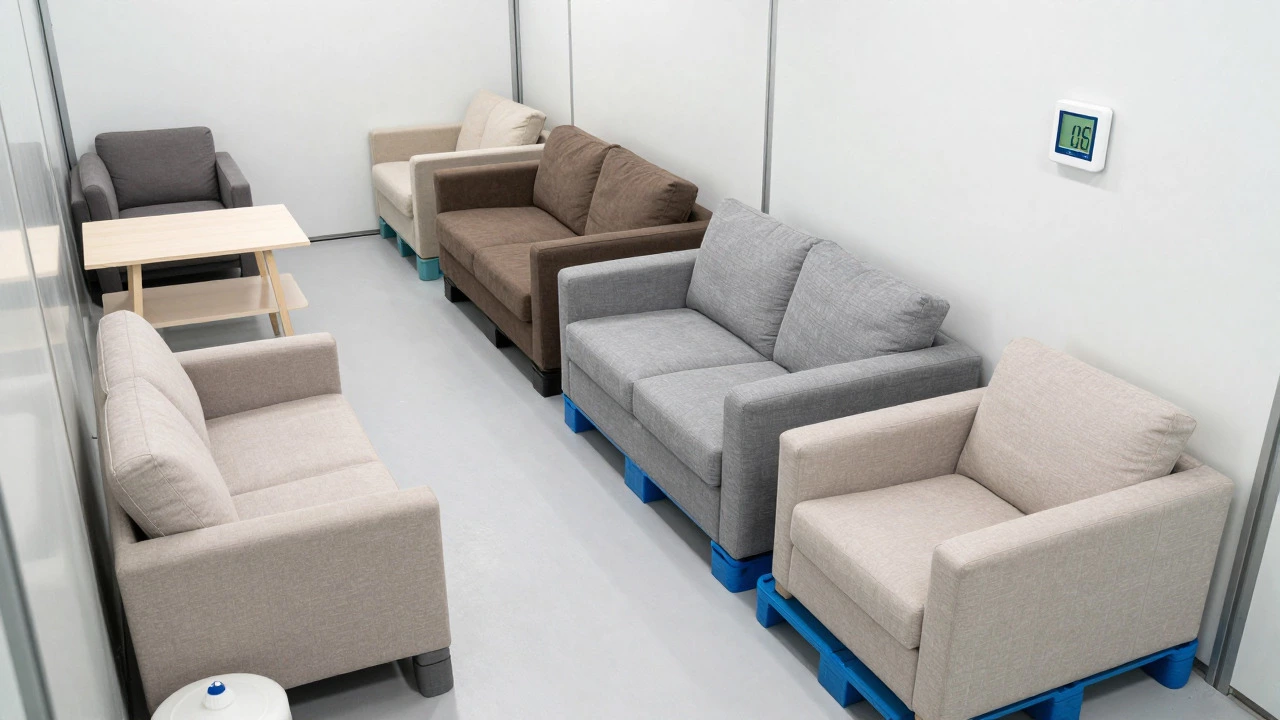
Concrete floors radiate cool temperatures, causing condensation on anything placed directly on them. Always use pallets, plastic shelving units, or thick cardboard sheets to create a barrier between your furniture and the ground. This simple trick allows air to circulate underneath, reducing the risk of bottom-up mould growth.
Create Air Gaps
Don’t pack furniture tightly against the walls or each other. Leave at least two inches of space around large items. Air movement is your best defense against stagnant, moist pockets. If you’re stacking boxes, interleave them with furniture to maintain airflow channels throughout the unit.
Wrapping and Covering Techniques
How you cover your furniture matters more than you might think. Many people make the mistake of wrapping items in plastic sheeting immediately after cleaning. While this seems protective, it can actually trap moisture inside if the item isn’t 100% dry.
Instead, use breathable cotton covers or old bedsheets. These materials allow the furniture to "breathe" while protecting it from dust. If you must use plastic, wrap it loosely and include desiccant packs inside the enclosure. Never seal plastic tightly around damp items.
For mattresses and box springs, use specialized mattress bags with built-in dehumidifier ports. These are available at most home improvement stores and provide a better balance of protection and ventilation.
Monitoring and Maintenance During Storage
Storage isn’t a "set it and forget it" process. Regular checks can save you from disaster. Aim to visit your unit every four to six weeks. Look for signs of condensation, musty smells, or visible mould spots.
Invest in a digital hygrometer-a device that measures relative humidity. Place it inside the container. If readings consistently exceed 50%, add more desiccants or improve ventilation. In humid climates like Wellington, New Zealand, where rain is frequent, monitoring becomes even more crucial.
If you detect early mould, act quickly. Remove affected items, clean them with a vinegar solution (one part white vinegar to one part water), and let them dry completely before returning them to storage. Replace any saturated desiccants immediately.
Choosing the Right Storage Facility
Not all storage options are equal. When selecting a facility, ask about climate control. Climate-controlled units maintain stable temperature and humidity levels, significantly reducing mould risk. While they cost more, the peace of mind and preservation of valuable furniture often justify the expense.
Also, inquire about pest control measures. Rodents and insects can damage furniture and introduce additional contaminants. Facilities with regular inspections and sealing protocols offer better protection overall.
Location matters too. Ground-floor units may be more susceptible to flooding or dampness from the earth. Elevated or indoor units generally perform better in maintaining drier conditions.
How long can I store furniture before it goes mouldy?
With proper preparation and moisture control, furniture can safely remain in storage for several years. Without precautions, mould can begin developing within weeks, especially in humid environments.
Is plastic wrap good for protecting furniture in storage?
Plastic wrap can trap moisture if the furniture isn't completely dry. Breathable covers are preferred. If using plastic, ensure items are bone-dry and include desiccants inside the wrapping.
What should I do if I find mould on stored furniture?
Remove the item immediately. Clean non-porous surfaces with a vinegar solution. For porous materials like fabric, professional cleaning may be required. Discard severely damaged items to prevent spread.
Do I need climate-controlled storage for all furniture?
Climate control is highly recommended for upholstered, leather, and antique wood furniture. Metal and glass items are less sensitive but still benefit from stable conditions.
Can sunlight help prevent mould in storage?
Sunlight can kill mould spores but may fade fabrics and crack wood over time. Balance exposure by rotating items or using UV-resistant covers if natural light enters the unit.