Wardrobe vs Armoire Selector
Question 1 of 4
Walk into any furniture store or browse an online catalog, and you’ll see two words used almost interchangeably: wardrobe and armoire. They both hold clothes. They both have doors. They both take up a chunk of floor space in your bedroom. So why do they have different names? And more importantly, does it actually matter which one you buy?
The short answer is yes, it matters-but not for the reasons most people think. It’s not just about semantics; it’s about structure, origin, and how the piece fits into your room’s layout. If you’ve ever tried to squeeze a heavy, freestanding unit into a tight corner only to realize it doesn’t fit, you know that understanding these differences saves you time, money, and a lot of frustration.
The Core Difference: Built-In vs. Freestanding
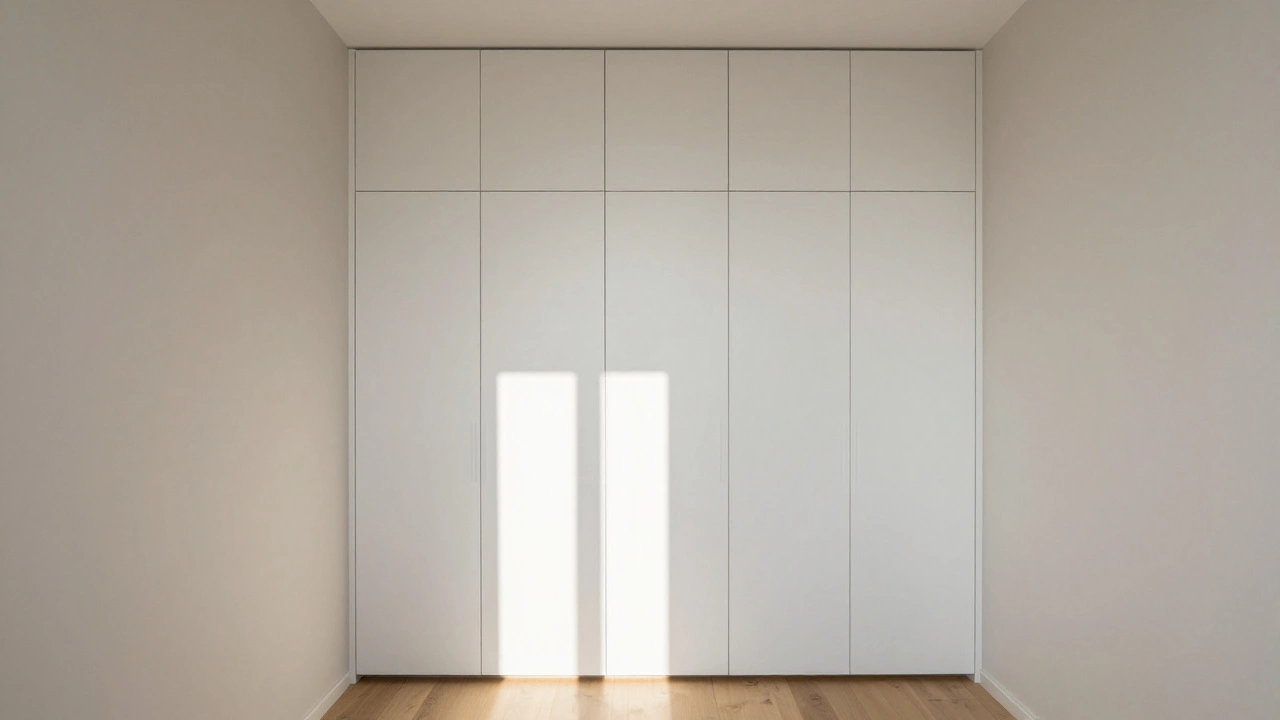
At its simplest level, the distinction comes down to installation. A wardrobe is typically a built-in fixture or a large, boxy cabinet designed to blend into the architecture of a room. An armoire is a freestanding piece of furniture, often with a distinct aesthetic presence.
Think of a wardrobe like a closet that isn’t part of the wall but sits flush against it. It’s functional, utilitarian, and meant to disappear into the background. In many parts of Europe and Asia, wardrobes are custom-built into the room during construction. In North America, we often use "wardrobe" to describe large, modular storage units that look like tall cabinets.
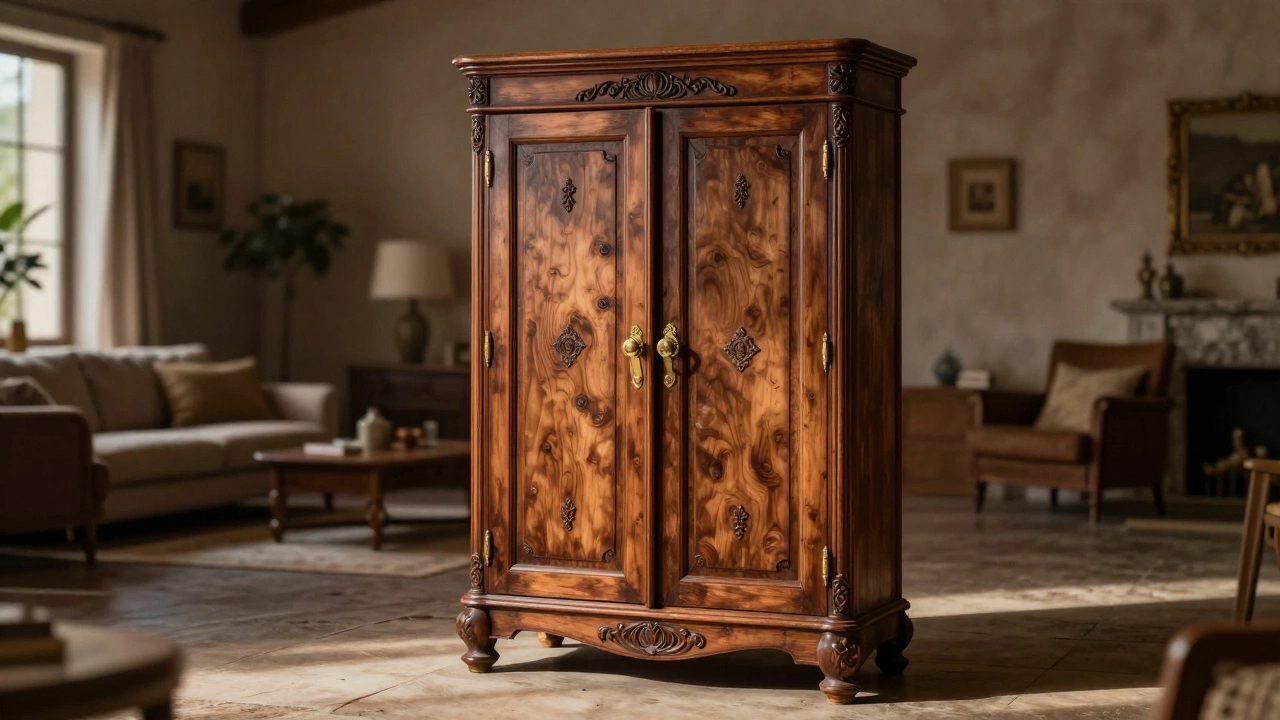
An armoire, on the other hand, is portable. You can move it from house to house without calling a contractor. Historically, armoires were massive chests used to store armor (the word comes from the French *armure*, meaning armor). Today, they’re decorative storage units that often double as room dividers or focal points.
| Feature | Wardrobe | Armoire |
|---|---|---|
| Installation | Built-in or modular | Freestanding |
| Origin | Modern/Architectural | Medieval/French |
| Aesthetic | Minimalist, hidden | Ornate, decorative |
| Portability | Low (hard to move) | High (easy to relocate) |
| Best For | Permanent homes, small spaces | Renters, eclectic decor |
Design and Aesthetics: Function vs. Form
If you’re decorating a modern, minimalist apartment, a wardrobe is likely your best friend. Modern wardrobes prioritize clean lines, flat panels, and handle-less designs. The goal is to make the storage look as invisible as possible. Many contemporary wardrobes use sliding doors to save space, which is crucial in smaller bedrooms where swinging doors would hit a bed or nightstand.
Armories lean heavily into form. Because they are freestanding, all sides are visible. This means armoires often feature carved wood, glass inserts, metal accents, or painted finishes. They look like pieces of art when closed. If you have a rustic farmhouse style, a distressed wooden armoire adds character. If you prefer industrial chic, a metal-and-glass armoire might be the choice.
Here’s a practical tip: if you plan to sell your home soon, a high-quality built-in wardrobe can increase property value because it’s seen as a permanent improvement. An armoire is personal property; you take it with you. But if you rent, an armoire is safer because you won’t be charged for removing built-ins when you move out.
Storage Capacity and Internal Layout
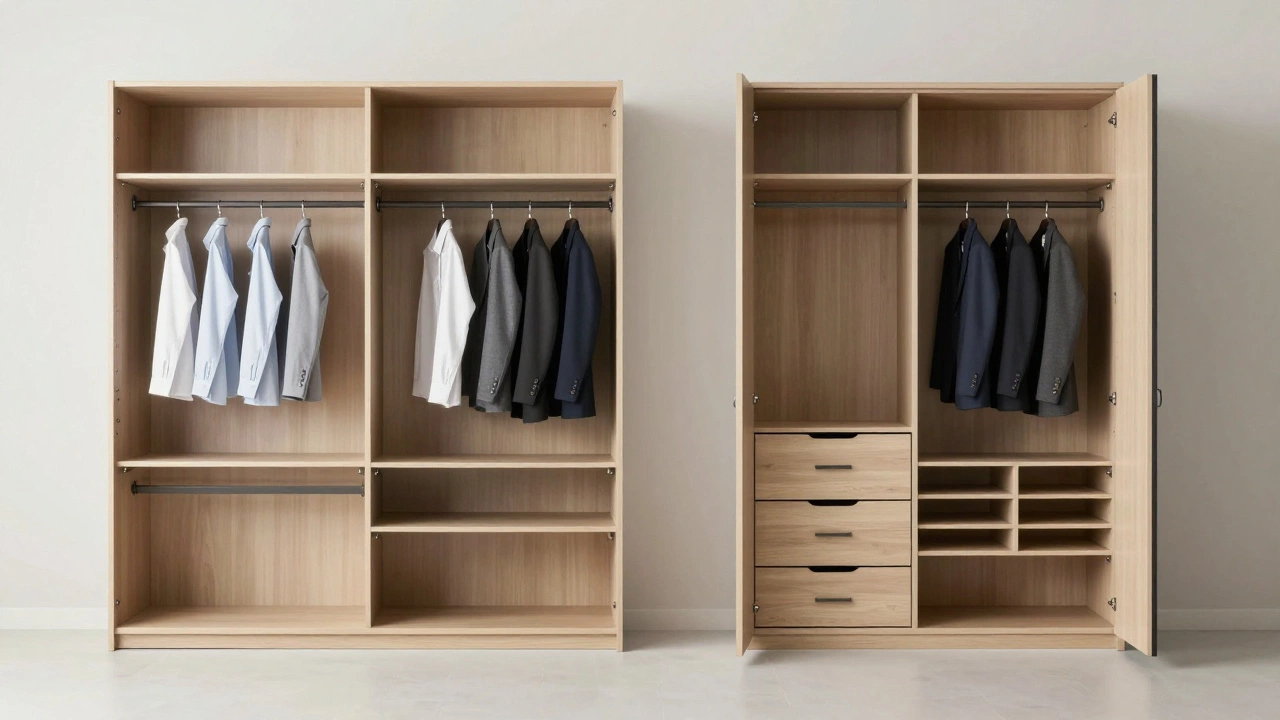
Both units store clothes, but how they store them differs significantly. A standard wardrobe usually has a simple internal layout: a hanging rail at the top, some shelves below, and maybe a drawer at the bottom. It’s efficient for shirts, pants, and jackets. Because wardrobes are often wider than they are deep, they maximize linear hanging space.
Armories tend to be deeper and taller. Historically, they stored bulky items like armor or furs, so modern armoires often accommodate larger volumes. You’ll find more varied internal configurations in armoires, including pull-out drawers, tie racks, shoe cubbies, and even mirrored interiors. Some luxury armoires include climate-controlled sections for delicate fabrics.
Consider what you own. If you have a lot of long dresses or suits, measure the height of your garments. A shallow wardrobe might force you to fold items that should hang. An armoire’s greater depth can sometimes allow for better organization of bulkier winter coats or bags.
Space Requirements and Room Flow
This is where many buyers get tripped up. A wardrobe is designed to hug the wall. Sliding door wardrobes require zero clearance for door swing, making them ideal for cramped rooms. Even hinged-door wardrobes are often shallower (18-24 inches) to minimize footprint.
An armoire needs breathing room. Since it’s a standalone object, you need enough space to open its doors fully without hitting furniture. Plus, because armoires are often visually heavier, placing one in a small room can make the space feel cluttered. They work best in master bedrooms or large closets where they can serve as a statement piece.
In Wellington, where many homes are compact terraces or apartments, I see more success with slimline wardrobes. But in larger suburban homes, an armoire can anchor a room nicely. Always measure your doorway too-armories are big. If it doesn’t fit through the front door, it won’t fit in your bedroom.
Cost and Maintenance
Generally, custom-built wardrobes are more expensive upfront. You’re paying for materials, labor, and design integration. However, they last longer and don’t go out of style because they’re neutral. Maintenance is easy: wipe down the surfaces, check the sliding tracks, and you’re good.
Armories vary wildly in price. A mass-produced particleboard armoire might cost less than $500, while a solid oak antique could run into the thousands. Because armoires are exposed on all sides, they show wear and tear more easily. Scratches on a side panel are noticeable. You may need to polish wood or touch up paint periodically to keep them looking sharp.
If you’re on a budget, a ready-to-assemble wardrobe kit offers great value. If you want instant decor impact, a pre-owned armoire from a local shop can be a steal-just check for stability and pests.
Which One Should You Choose?
Your decision depends on three factors: your housing situation, your style, and your storage needs.
- Choose a Wardrobe if: You live in a rental or small apartment, you prefer a minimalist look, you need maximum hanging space in a narrow footprint, or you want a permanent solution that adds home value.
- Choose an Armoire if: You own your home, you love decorative furniture, you have plenty of floor space, you want flexible storage options, or you plan to move frequently and want to take your storage with you.
Don’t let the label confuse you. Look at the dimensions, the interior layout, and how it feels in your room. Whether you call it a wardrobe or an armoire, the right piece will keep your clothes organized and your space stylish.
Can I convert a wardrobe into an armoire?
Not really. A wardrobe is usually fixed or modular, while an armoire is a single freestanding unit. You can add decorative elements to a wardrobe to make it look more like an armoire, but the structural difference remains.
Are armoires deeper than wardrobes?
Yes, typically. Standard wardrobes are 18-24 inches deep, while armoires can range from 24 to 36 inches deep, allowing for bulkier items.
Do armoires come with mirrors?
Many do. Mirrored doors are common in both wardrobes and armoires, but armoires often feature full-length mirrors on one or both doors for dressing convenience.
Is it harder to assemble an armoire?
It can be. Large armoires often come in multiple boxes and require two people to assemble safely due to their weight and size. Wardrobes, especially built-ins, are installed by professionals.
Which is better for small bedrooms?
A wardrobe with sliding doors is usually better for small bedrooms because it saves space and doesn’t obstruct movement. Armories can overwhelm a tiny room.