Smart Home Storage Estimator
Select your storage needs below to estimate costs and calculate how much floor space you can reclaim using 2026 smart storage strategies.
Vertical Solutions
Hidden & Furniture
Your Smart Storage Breakdown
Vertical Cost
$0
Wall Space UsedHidden/Furniture Cost
Floor Space SavedTotal Estimated Investment
$0
Complete SetupSpace Impact Analysis
- Floor Space Reclaimed: 0 sq ft estimated.
- Clutter Reduction: Low
- Recommendation: Add more items to see personalized advice.
Does your home feel like it’s shrinking? You’re not alone. Most of us have more stuff than we did ten years ago, but our square footage hasn’t changed. The problem isn’t usually the size of your house; it’s how you use the space you have. Finding the right storage options can turn a chaotic mess into a calm, functional environment without spending a fortune on renovations.
We often think storage means buying bigger bins or adding another closet. But real organization is about strategy. It’s about looking at every inch of your floor plan and asking, “What lives here?” Whether you live in a tiny studio apartment or a sprawling suburban house, the principles of smart storage remain the same. Let’s look at practical ways to reclaim your space, room by room.
The Power of Vertical Space
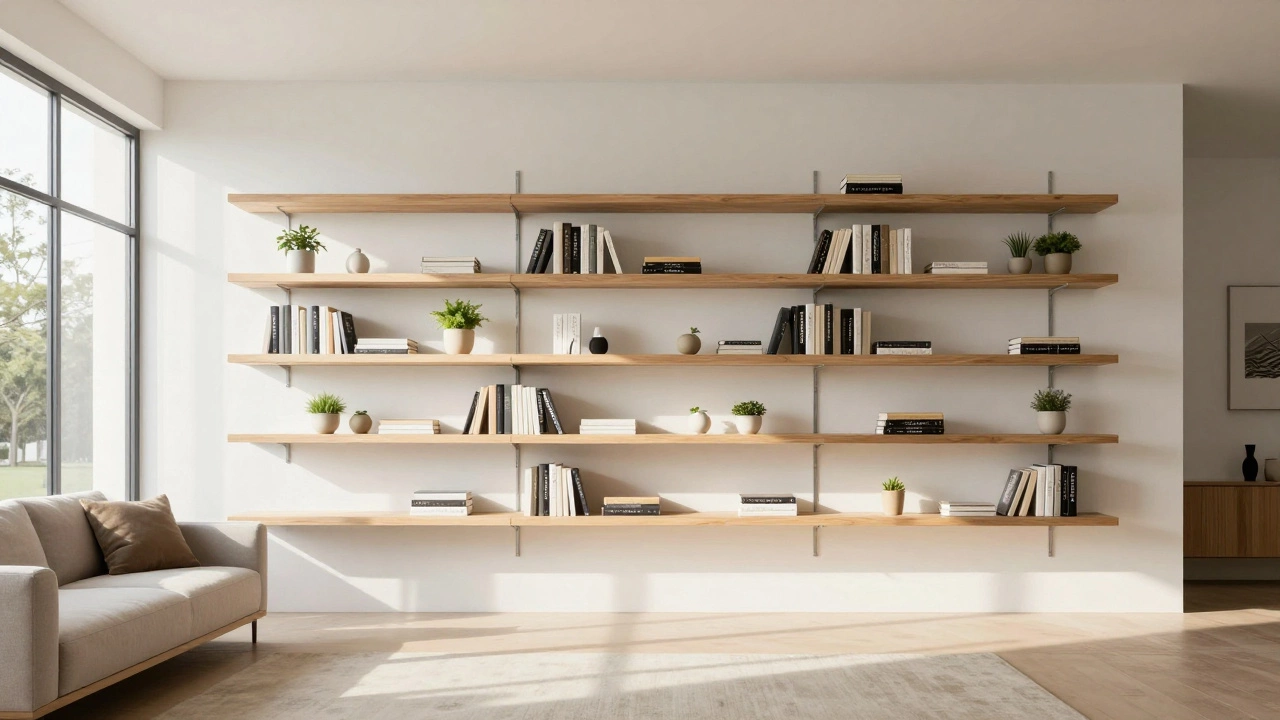
The biggest mistake people make is ignoring the walls. We focus on floor space because that’s where we walk, but the air above your head is free real estate. In 2026, modular shelving systems are cheaper and easier to install than ever before. Instead of stacking boxes on the floor, which invites dust and makes items hard to find, build up.
Consider installing floating shelves in your living room or bedroom. These don’t just hold books; they display objects you love, turning storage into decor. For heavier items, anchor sturdy bookcases directly into wall studs. If you rent and can’t drill holes, tension rods between walls or heavy-duty adhesive hooks rated for your specific weight limit work surprisingly well. The key is to keep frequently used items at eye level and reserve the higher shelves for seasonal gear or rarely accessed memories.
| Method | Best For | Installation Difficulty | Cost Range |
|---|---|---|---|
| Floating Shelves | Books, decor, small bins | Medium (requires drilling) | $10 - $50 per shelf |
| Tension Rods | Curtains, kitchen utensils, cleaning supplies | Low (no tools) | $5 - $20 |
| Modular Pegboards | Tools, office supplies, craft materials | Medium (drilling + assembly) | $30 - $100 |
| Over-Door Organizers | Shoes, pantry items, bathroom toiletries | Low (hooks over top) | $15 - $40 |
Hidden Storage: Out of Sight, Out of Mind
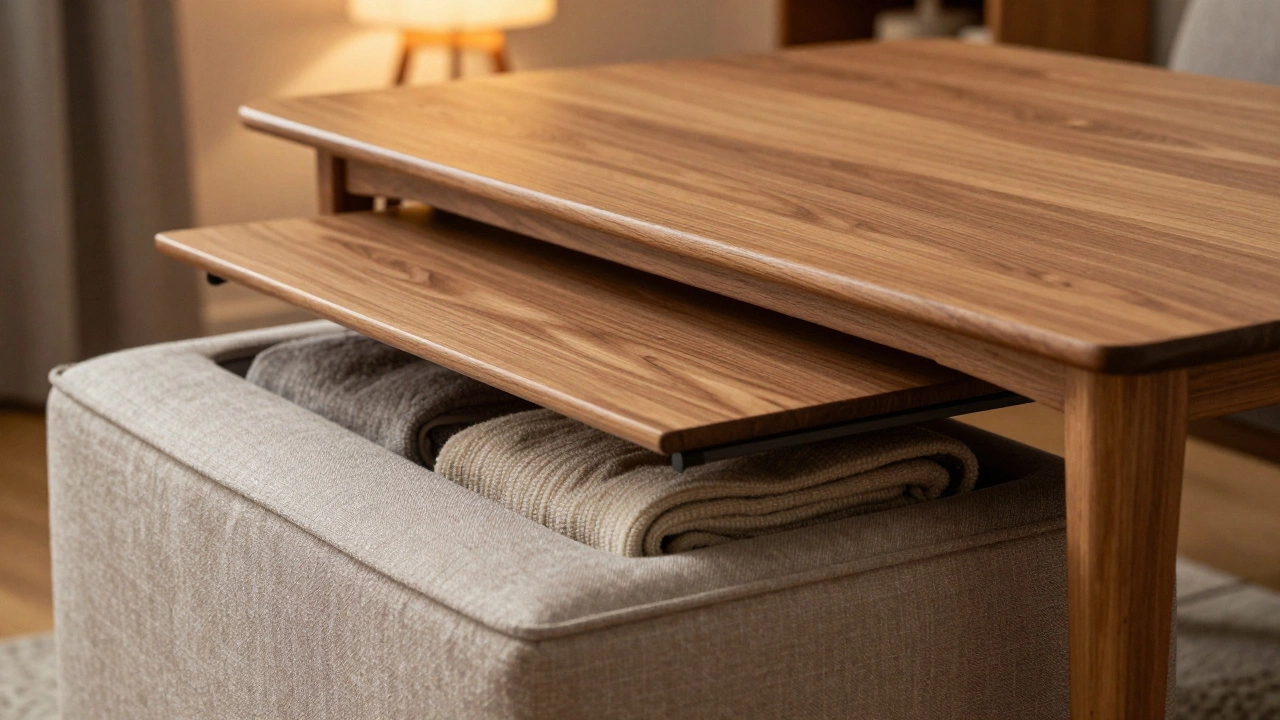
If visual clutter stresses you out, hidden storage is your best friend. This approach relies on closing things away so your brain doesn’t have to process them. Under-bed storage is the classic example, but modern solutions go further. Look for ottomans with hollow interiors, benches with lift-up lids, or even beds with built-in drawers. These pieces serve a dual purpose: seating or sleeping, plus significant cubic feet of storage.
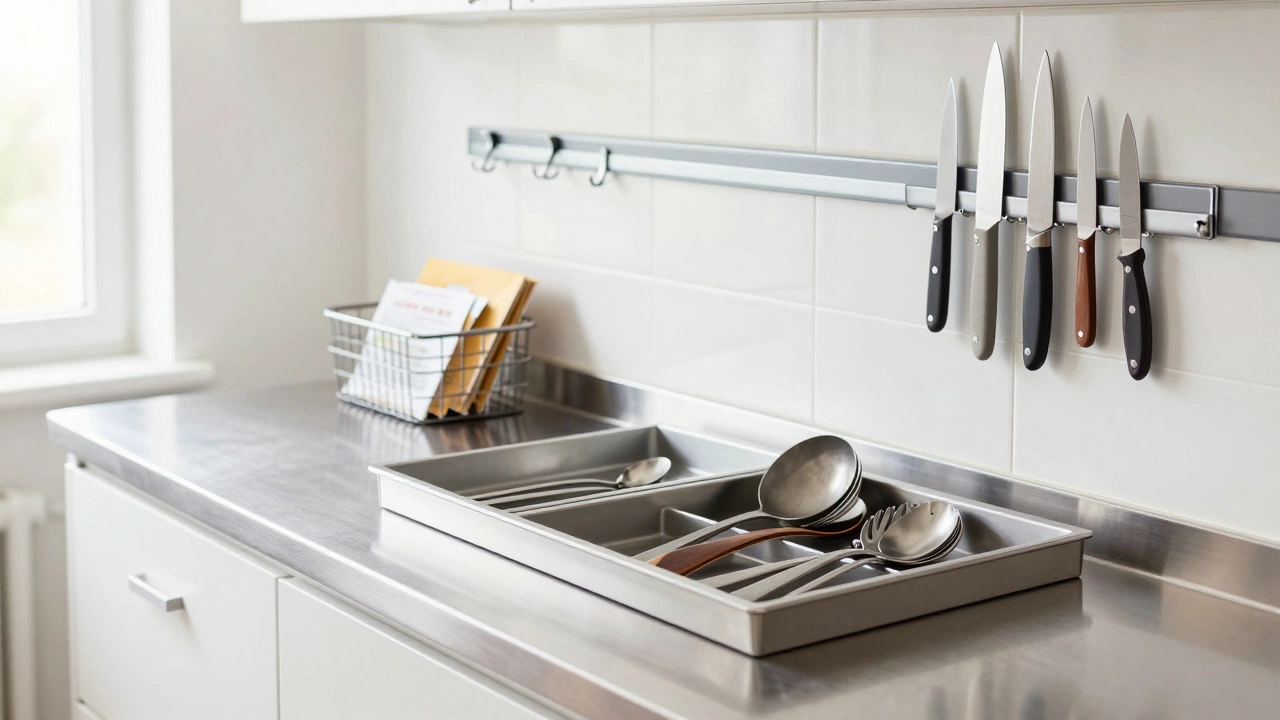
In the kitchen, drawer dividers transform chaos into order. Without them, silverware becomes a tangled knot. With them, everything has a designated slot. Similarly, vacuum-seal bags can shrink bulky winter coats or duvets by up to 80%, allowing you to store six months’ worth of bedding in a single under-bed bin. Just remember to label these containers clearly. Hidden storage fails if you forget what’s inside.
Multi-Functional Furniture for Small Spaces
When floor space is premium, every piece of furniture must earn its keep. A coffee table is nice, but a coffee table with a trunk underneath is better. Sofa beds, once reserved for guest rooms, are now staples in open-plan living areas. They provide comfortable seating during the day and a bed for guests at night, eliminating the need for a separate guest room entirely.
Extendable dining tables are another game-changer. You can eat comfortably for two people daily, then pull out leaves to host dinner parties for eight. This flexibility means you aren’t wasting space on a massive table most of the time. When shopping, look for terms like “nesting,” “expandable,” or “convertible.” These features add versatility without adding bulk.
Zone-Based Organization Strategies
Storage works best when it follows your habits. Think about your daily routine. Where do you drop your keys when you walk in? Near the door. So, install a hook rack or a shallow basket there. Don’t force yourself to walk across the house to put something away; you won’t do it. Create zones based on activity.
- The Entry Zone: Hooks for coats, a bench for shoes, and a tray for mail. Keep this area clear to set a tone of order for the rest of the home.
- The Kitchen Work Triangle: Store spices near the stove, cutting boards near the sink, and mixing bowls near the counter space. Reduce steps to reduce friction.
- The Laundry Hub: Keep detergent, stain removers, and hangers within arm’s reach of the washer and dryer. Use stackable baskets for sorting clothes immediately.
- The Digital Command Center: A dedicated spot for chargers, laptops, and paperwork prevents tech clutter from spreading to every surface.
Decluttering Before Storing
You can buy all the storage bins in the world, but if you’re storing junk, you’re just organizing trash. Before you invest in new solutions, take a hard look at what you own. The “one-year rule” is a helpful heuristic: if you haven’t used an item in the last twelve months, does it really belong in your primary living space?
Donate clothes that no longer fit. Sell electronics you’ve upgraded past. Throw away broken appliances. This step might feel emotional, but it’s necessary. Clearing out low-value items creates room for high-value possessions. Once you’ve purged, you’ll likely find you need far less storage than you initially thought. This saves money and reduces the mental load of maintaining a cluttered system.
Sustainable and Smart Storage Trends
In 2026, sustainability matters more than ever. Avoid cheap plastic bins that crack after a year. Opt for durable materials like bamboo, solid wood, or recycled PET fabric. These last longer and look better in your home. Additionally, smart storage devices are emerging. Some closets now feature integrated lighting and humidity control to protect delicate fabrics. While these are luxury items, simpler smart solutions like app-connected inventory trackers can help you know exactly what’s in your pantry or freezer, reducing food waste.
Remember, storage is not a one-time project. It’s a lifestyle. As you bring new things into your home, ask yourself where they will live. If there’s no designated spot, maybe they don’t need to come in. By combining vertical thinking, hidden compartments, and mindful consumption, you can create a home that feels spacious, clean, and truly yours.
What is the most cost-effective storage solution for small apartments?
The most cost-effective solution is utilizing vertical space with inexpensive floating shelves or tension rods. These require minimal investment compared to custom cabinetry but maximize unused wall space. Multi-functional furniture, like storage ottomans, also offers high value by serving two purposes at once.
How do I decide what to throw away vs. store?
Use the "one-year rule." If you haven't used an item in the past year, it's a candidate for donation or disposal. Exceptions include sentimental items, legal documents, and seasonal gear. If you're unsure, box it up, date the box, and hide it. If you don't open it in six months, donate it unopened.
Can renters install permanent storage solutions?
Most leases prohibit drilling into walls. Renters should opt for freestanding bookcases, tension rod organizers, over-the-door hooks, and adhesive-mounted shelves designed for easy removal. Always check your lease agreement before making any modifications.
What are the best storage options for a cluttered kitchen?
Focus on drawer dividers, magnetic knife strips, and under-cabinet racks for pots and pans. Utilize the inside of cabinet doors for hanging spice jars or measuring cups. Pull-out baskets for deep cabinets ensure nothing gets lost in the back.
Is it better to buy clear bins or opaque ones?
It depends on the item. Clear bins are great for identical items like t-shirts or socks where visibility helps count stock. Opaque bins are better for visual clutter reduction in living areas. Regardless of opacity, always label every container clearly to maintain order.