Garage Storage Risk Assessment Tool
Risk: Medium
Moderate risk of damage
Recommended Action Plan:
- Quick Verdict: Yes, but it's risky. Without protection, your couch will likely face mold, pests, or fabric degradation.
- Main Threat: Humidity and temperature swings are the biggest enemies of upholstery.
- Best Fix: Use heavy-duty plastic wraps and keep the furniture off the concrete floor.
- Duration: Short-term (weeks) is usually fine; long-term (months) requires serious prep.
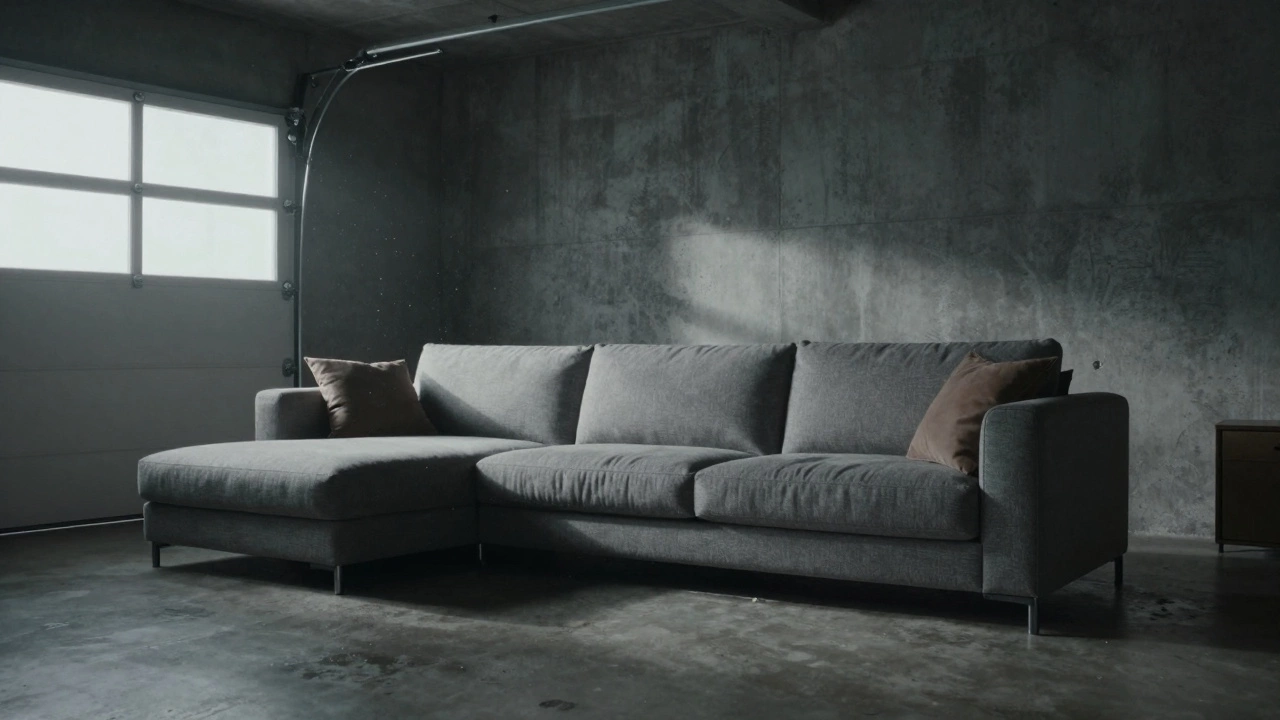
You're moving, renovating, or just clearing out the living room, and the garage seems like the easiest place to dump the sofa. It's right there, it's out of the way, and it saves you from paying for a professional storage unit. But before you drag that heavy piece of furniture across the driveway, you need to realize that garages are essentially a bridge between your controlled indoor environment and the chaos of the outdoors. They aren't designed to preserve fabric or foam.
The real problem isn't just a bit of dust. It's the fact that garage furniture storage is an uphill battle against moisture and pests. If you just leave your couch sitting there, you're basically inviting mildew and spiders to move in. However, if you take a few specific precautions, you can keep your furniture in good shape for a while.
The Invisible Dangers of Your Garage
Most people think a garage is "dry" because it has a roof. In reality, garages are prone to extreme fluctuations in Relative Humidity is the amount of water vapor present in the air expressed as a percentage of the saturation point . When the temperature drops at night and spikes during the day, condensation forms. This moisture gets trapped in the foam and fabric of your couch, creating a breeding ground for mold.
Then there's the floor. Concrete Slabs are the foundation of most garages, which are naturally porous and can wick moisture from the ground . If your couch sits directly on the concrete, it will absorb that dampness through the bottom rails and fabric, leading to a musty smell that is nearly impossible to remove without professional steam cleaning.
Don't forget the locals. Spiders, ants, and moths love the dark, undisturbed corners of a garage. A plush sofa is basically a five-star hotel for pests. If you have a high-end fabric or a natural fiber piece, you might find small holes or webs by the time you decide to bring it back inside.
Matching Your Couch Material to the Environment
Not all couches are created equal when it comes to surviving a garage stay. A leather sofa handles the environment differently than a linen one. If you're wondering if your specific piece can handle the trip, look at the materials.
| Material | Risk Level | Primary Concern | Survival Strategy |
|---|---|---|---|
| Leather | Medium | Cracking / Dry Rot | Apply leather conditioner; avoid direct heat. |
| Polyester/Synthetic | Low | Dust / Odors | Plastic wrap and elevation. |
| Cotton/Linen | High | Mold / Mildew | Dehumidifier and airtight sealing. |
| Velvet | High | Dust Attraction / Crushing | Breathable covers + rigid protection. |
Leather is surprisingly tricky. While it doesn't absorb moisture as fast as fabric, extreme temperature swings cause the natural oils in the hide to evaporate. This leads to cracking. If you store a leather couch in a garage during a brutal winter or a scorching summer, you might find the material becoming brittle.
How to Store Your Couch the Right Way
If you've decided the garage is your only option, don't just push it into a corner. Follow these steps to ensure you aren't throwing your money away.
- Clean it thoroughly: Vacuum every crevice. If you leave crumbs or organic spills in the cushions, you're basically leaving a buffet for insects.
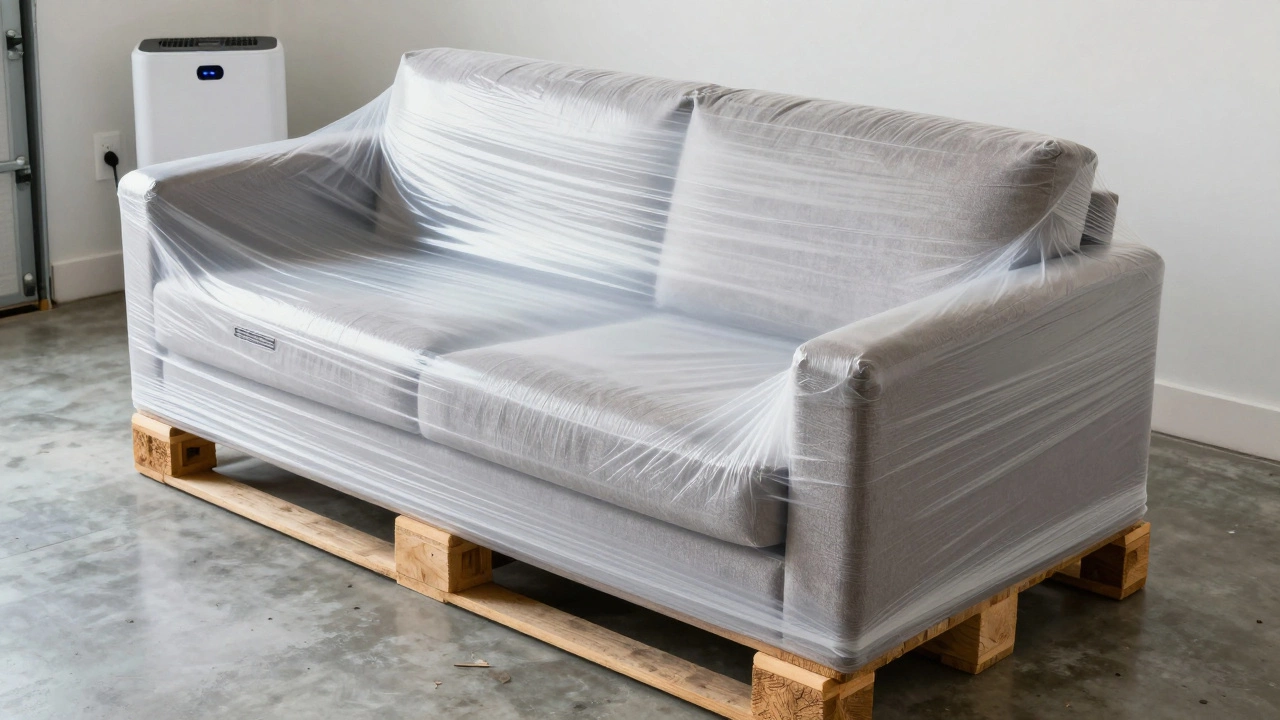
- Get it off the floor: This is the most important rule. Use Wooden Pallets or heavy-duty plastic shelving to create a gap between the couch and the concrete. This allows air to circulate underneath and stops moisture from wicking up.
- Wrap it properly: Don't use old bedsheets; they just collect dust. Use professional-grade stretch wrap or heavy-duty plastic furniture covers. However, leave a tiny bit of ventilation if you live in a very humid area to prevent "sweating" inside the plastic.
- Control the air: If the garage is attached and you can run a Dehumidifier is an electrical device that removes moisture from the air to prevent mold and mildew , do it. Setting it to 50% humidity will protect not just your couch, but your tools and car as well.
- Strategic Placement: Keep the couch away from the garage door (where rain might blow in) and away from the water heater or lawnmower, which could leak oil or chemicals.
Dealing with the Aftermath: Bringing it Back Inside
When the time comes to move the couch back into the living room, don't just peel off the plastic and sit down. You need a transition process to ensure you aren't bringing pests or spores into your home.
First, inspect the piece outside. Check the undersides for spider webs or signs of insects. If you see any, use a vacuum with a HEPA filter to suck them up before the couch crosses your threshold. Next, check for a "musty" smell. If the fabric smells like a damp basement, avoid using heavy perfumes to mask it. Instead, sprinkle baking soda over the upholstery, let it sit for a few hours, and vacuum it off.
For leather pieces, the first thing you should do is check for dryness. Gently press the material; if it feels stiff or looks dull, apply a high-quality leather cream to restore the moisture that the garage air stripped away.
When You Should Absolutely NOT Use the Garage
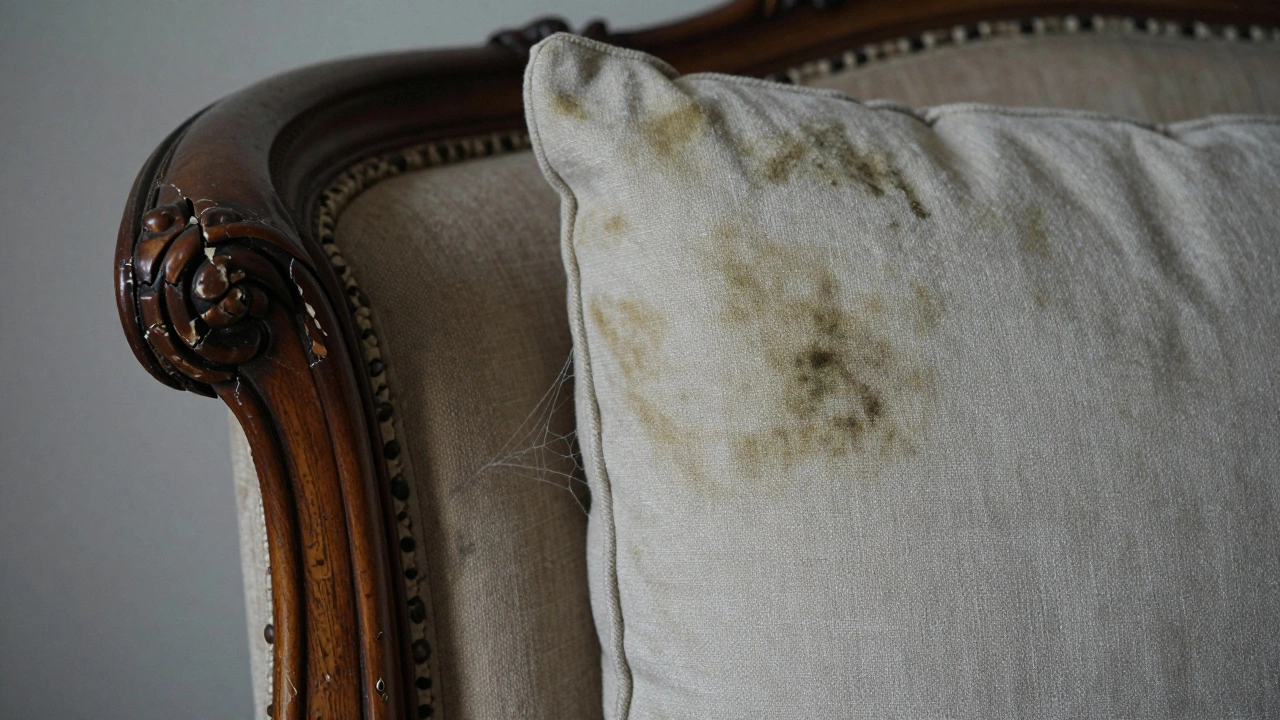
There are a few scenarios where a garage is simply not an option. If you have a piece of Antique Furniture which furniture that is at least 100 years old and often made of rare woods and delicate fabrics , the garage will destroy it. Old wood expands and contracts with humidity, which can crack joints and peel veneers. The risk is too high for something irreplaceable.
Similarly, if your garage has a history of flooding or significant leaks during storms, forget about it. Even a small amount of standing water can ruin the internal frame of a couch. Once the internal particle board or plywood absorbs water, it swells and warps, meaning the couch will never sit flat again.
Will a couch get moldy in a garage in just a few weeks?
It depends on your climate. In a dry desert environment, a few weeks is usually fine. In a humid coastal area, mold can start forming within 7 to 10 days if the furniture is sitting on concrete without any protection. Always use a barrier between the couch and the floor.
Can I use a tarp to cover my couch?
A tarp is better than nothing, but it's not ideal. Tarps are often loosely woven and can let in dust and insects. A heavy-duty, sealed plastic furniture bag is much more effective because it creates a more consistent barrier against the elements.
How do I get the "garage smell" out of my sofa?
The best way is to use baking soda. Sprinkle a generous amount over the fabric, let it sit for at least 4 hours (or overnight), and vacuum it thoroughly. If the smell persists, a professional enzyme cleaner can break down the mold spores causing the odor.
Is it safe to store a couch near the garage door?
No. The area near the garage door is the most vulnerable to "wind-driven rain" and temperature shocks. Every time you open the door, you're letting in a blast of humid or cold air that can condense on the fabric. Keep the couch toward the center or back of the garage.
Should I remove the cushions before storing?
Yes, if you have the space. Storing cushions separately in sealed plastic bags reduces the risk of mold growth in the deep crevices of the sofa frame and makes it easier to inspect the furniture for pests.
Next Steps for Different Situations
If you're planning to store your couch for less than a month, a simple plastic cover and some wooden blocks under the legs are enough. Just check on it once a week to make sure no leaks have developed in the ceiling.
If you're storing it for three months to a year, you need to invest in a dehumidifier and professional-grade vacuum sealing. If you can't afford to run electricity in the garage, you might want to look into a climate-controlled storage unit to avoid losing a thousand-dollar piece of furniture.
For those with expensive luxury fabrics (like silk or high-end velvet), the garage is a gamble you'll likely lose. In this case, the only safe move is a temperature-controlled environment where the humidity stays between 40% and 60% year-round.