Patio Furniture Covering Decision Tool
Answer three quick questions to get a personalized recommendation on whether to cover your furniture today.
Result
Here is a fact that might surprise you: covering your patio furniture every single night can actually shorten its lifespan. While it feels like the responsible thing to do-especially when rain or high winds are forecast-it often does more harm than good if you aren’t careful. The issue isn't the cover itself; it’s the microclimate you create under it. If moisture gets trapped between the fabric and the furniture, you’re essentially wrapping your chairs in a damp towel for days on end. That leads to mold, mildew, and rust spots that no amount of cleaning can fully fix.
The Moisture Trap Problem
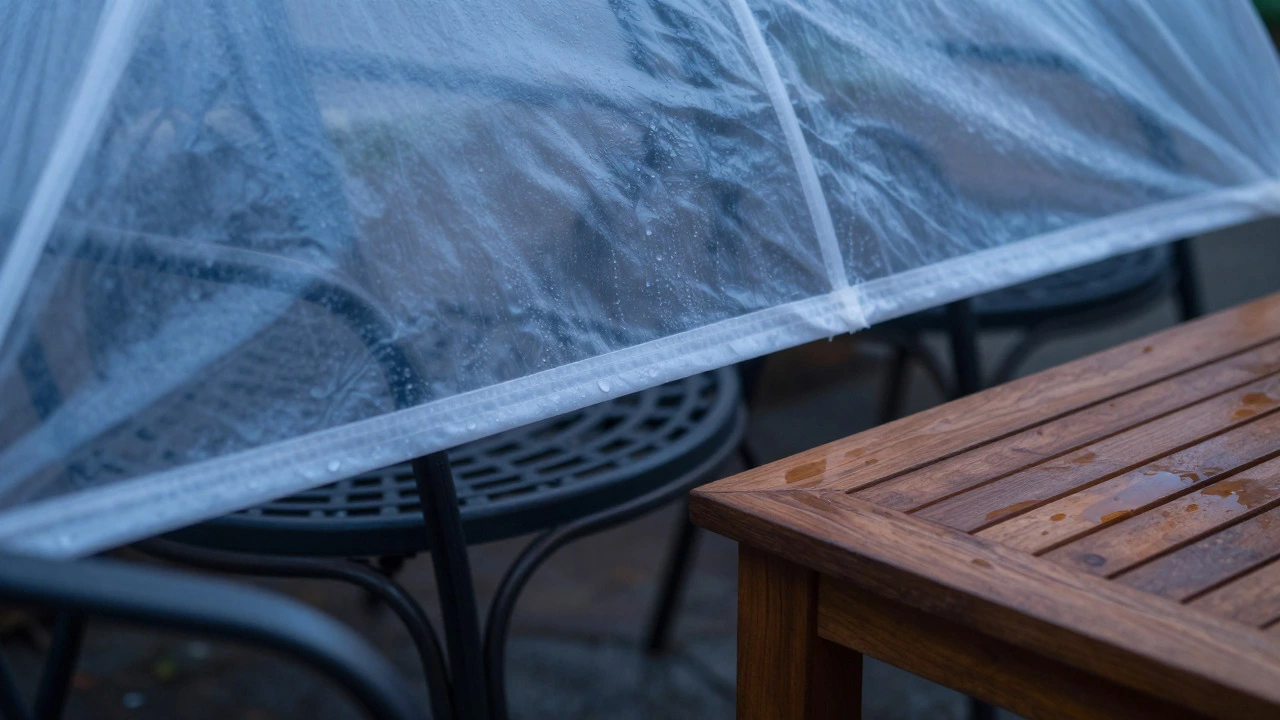
To understand why nightly covering is risky, you have to look at how water moves. When it rains, some water always sneaks under the edges of a standard patio furniture cover. If the air underneath is still and humid, that water doesn't evaporate. Instead, it sits there. In Wellington, where we get plenty of wind and variable humidity, this is a constant battle. Wood swells when wet and shrinks when dry. Metal oxidizes when exposed to trapped condensation. Even synthetic wicker can develop black spots if it stays damp for too long.
The best rule of thumb is simple: only cover when necessary. If the forecast shows clear skies and low humidity, leave them out. Sunlight is actually one of your best friends here. UV rays kill bacteria and help surfaces dry out naturally. By keeping the furniture uncovered during dry spells, you allow natural ventilation to work in your favor.
Material Matters: What Needs Protection?
Not all garden furniture is created equal. The material you choose dictates how much protection it truly needs. Let's break down the most common types and their specific vulnerabilities.
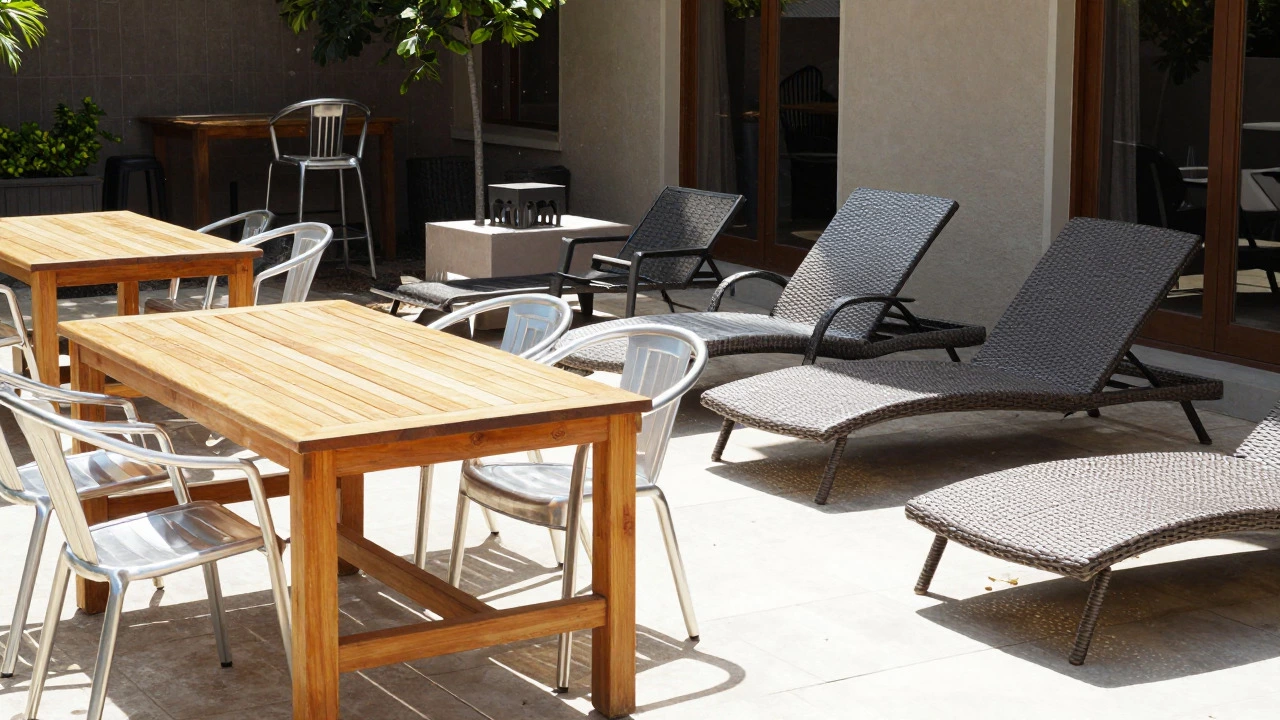
- Teak and Hardwoods: These woods contain natural oils that repel water. However, they are prone to silvering (a gray patina) from sun exposure and cracking from extreme drying. They don't need nightly covering, but they do benefit from occasional oiling and protection during prolonged heavy rain.
- Aluminum and Wrought Iron: Aluminum is lightweight and resistant to rust, making it very low-maintenance. Wrought iron, on the other hand, is beautiful but fragile. It rusts quickly if the paint chips. For iron, a breathable cover during wet seasons is crucial, but daily removal is essential to prevent condensation buildup.
- Polyester and Acrylic Fabrics: Most modern cushion fabrics are treated with UV inhibitors. However, these treatments degrade over time. Constant sun exposure fades colors, while constant moisture promotes mold. A balanced approach-covering during storms and removing on sunny days-is ideal.
- Wicker (Synthetic): Unlike natural wicker, synthetic resin wicker is highly durable and water-resistant. It rarely needs covering unless you are preparing for a major storm or moving into winter storage.
Choosing the Right Cover Type
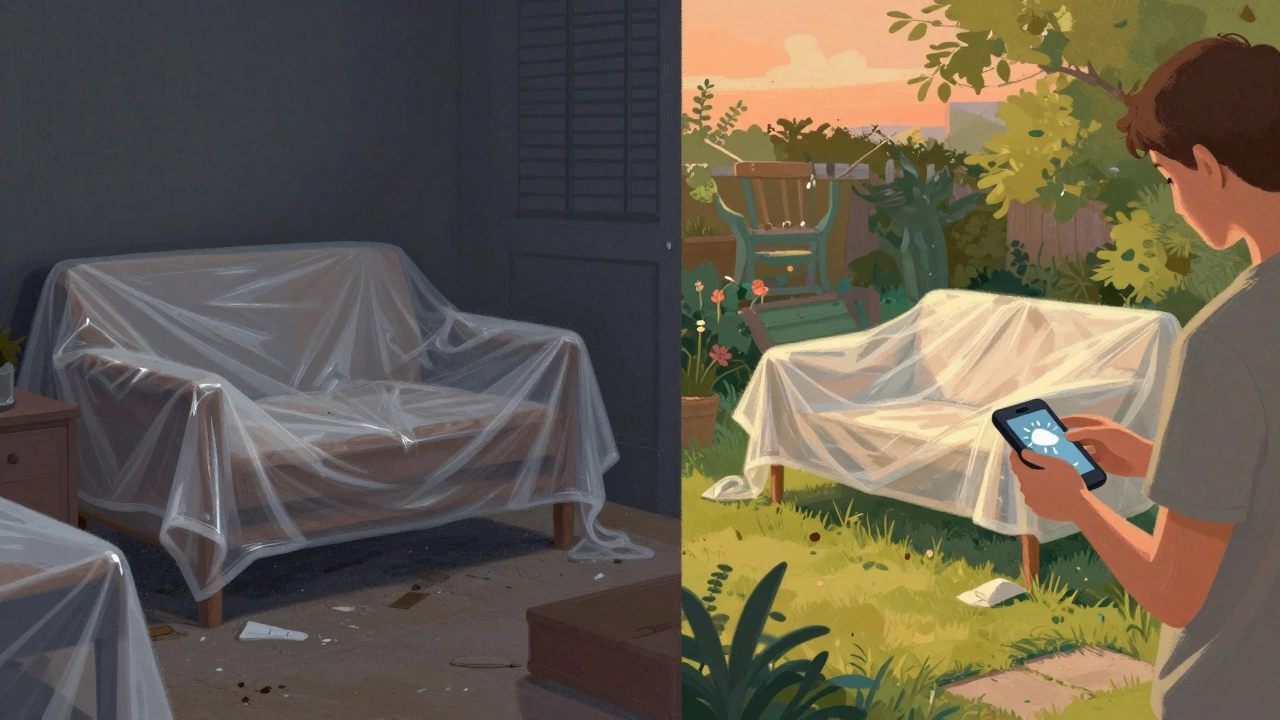
If you decide to use covers, the type you buy matters just as much as when you put them on. Not all covers are breathable. Cheap plastic tarps are the enemy of outdoor furniture because they trap heat and moisture completely. Look for covers made from polyethylene or canvas blends that feature mesh vents or eyelets. These allow air to circulate, preventing that dreaded greenhouse effect.
| Cover Material | Breathability | Durability | Best Use Case |
|---|---|---|---|
| Plastic Tarp | Poor | Low | Emergency storm protection only |
| Canvas Blend | Good | Medium | Long-term seasonal storage |
| Mesh/Vented Poly | Excellent | High | Nightly or frequent use |
When to Actually Cover Your Furniture
So, when should you grab the covers? There are three specific scenarios where covering is non-negotiable.
- Prolonged Rain: If the forecast predicts rain for more than 48 hours, cover the furniture. This prevents deep saturation of cushions and wood joints.
- Heavy Wind Events: High winds can throw debris around. A secured cover acts as a shield against branches and flying objects that could scratch finishes or tear fabric.
- Seasonal Storage: If you are putting furniture away for months (like in mid-winter), a high-quality, fitted cover is essential to protect against dust, leaves, and long-term moisture exposure.
For everything else? Leave it out. Trust the design. Modern outdoor furniture is built to withstand the elements. Over-protecting it is often unnecessary anxiety rather than practical maintenance.
Maintenance Tips Beyond Covering
Covers are just one tool in your maintenance kit. Regular care makes a bigger difference than any piece of fabric draped over your chair.
First, clean regularly. Dust and pollen accumulate on surfaces, creating a gritty layer that scratches finishes when you wipe them. A quick rinse with a garden hose and a soft brush once a month keeps things fresh. Second, check fasteners. Wind and temperature changes cause metal screws and bolts to loosen. Tightening them every few months prevents structural issues. Finally, rotate cushions. If you have removable cushions, flip them weekly. This ensures even wear and helps them dry faster if they get slightly damp.
The Verdict for New Zealand Conditions
Living in places like Wellington, we deal with "four seasons in a day." This variability makes rigid schedules difficult. Instead of a strict "cover every night" rule, adopt a flexible routine. Check the morning forecast. If it looks wet and cloudy, put the covers on. If it’s bright and breezy, take them off. This adaptive approach saves you time and protects your investment better than blind compliance with a schedule.
Your furniture is an investment. Treat it with respect, but don't smother it. Balance is key.
Do I need to cover my furniture in summer?
Generally, no. Summer sun helps dry out materials and kills mold spores. Only cover during intense storms or if you are leaving for an extended vacation and want to prevent UV fading on light-colored fabrics.
What is the best material for patio furniture covers?
Look for breathable materials like canvas blends or polyethylene with mesh vents. Avoid solid plastic tarps as they trap moisture and heat, which can damage wood and metal components underneath.
How often should I remove covers to let furniture air out?
If you use covers frequently, remove them at least once a week to inspect for moisture buildup and allow the furniture to dry naturally. In humid climates, you may need to do this more often.
Will covering my furniture prevent rust?
It depends. If the cover traps moisture, it can actually accelerate rust on wrought iron. If the cover is breathable and used correctly, it prevents direct rain impact, which helps reduce rust risk. Always ensure the furniture is dry before covering.
Is it better to store furniture indoors or outside with covers?
Indoor storage is best for delicate items like natural wicker or unsealed wood. For durable materials like aluminum or synthetic wicker, outdoor storage with proper covers is perfectly fine and saves indoor space.