Couch Quality Inspector
Enter the specifications of the couch you are considering to get an instant quality score and recommendation.
Inspection Checklist
Quality Score
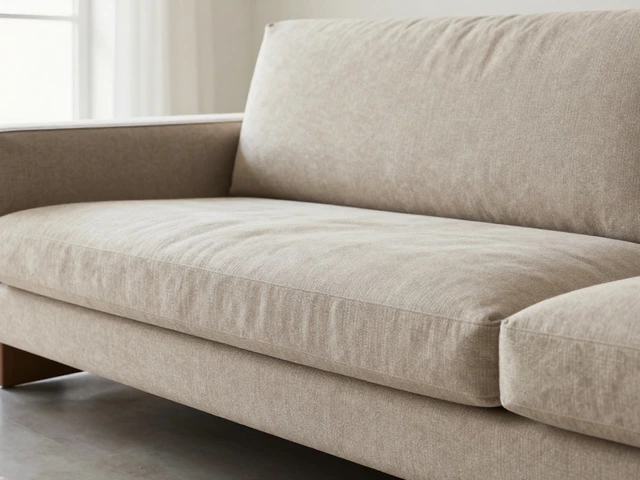
You just walked into a showroom, and there it is: the perfect corner sofa. It looks plush, inviting, and expensive. But will it survive your kids, your dog, and five years of Sunday naps? Or will it sag like a cheap hammock within twelve months?
Most people buy couches based on how they look in the store. That’s a mistake. A couch is a piece of engineering disguised as comfort. If you don’t know what’s hiding under those cushions, you’re gambling with thousands of dollars. Here is exactly how to spot high-quality construction before you swipe your card.
The Frame: The Skeleton Matters Most
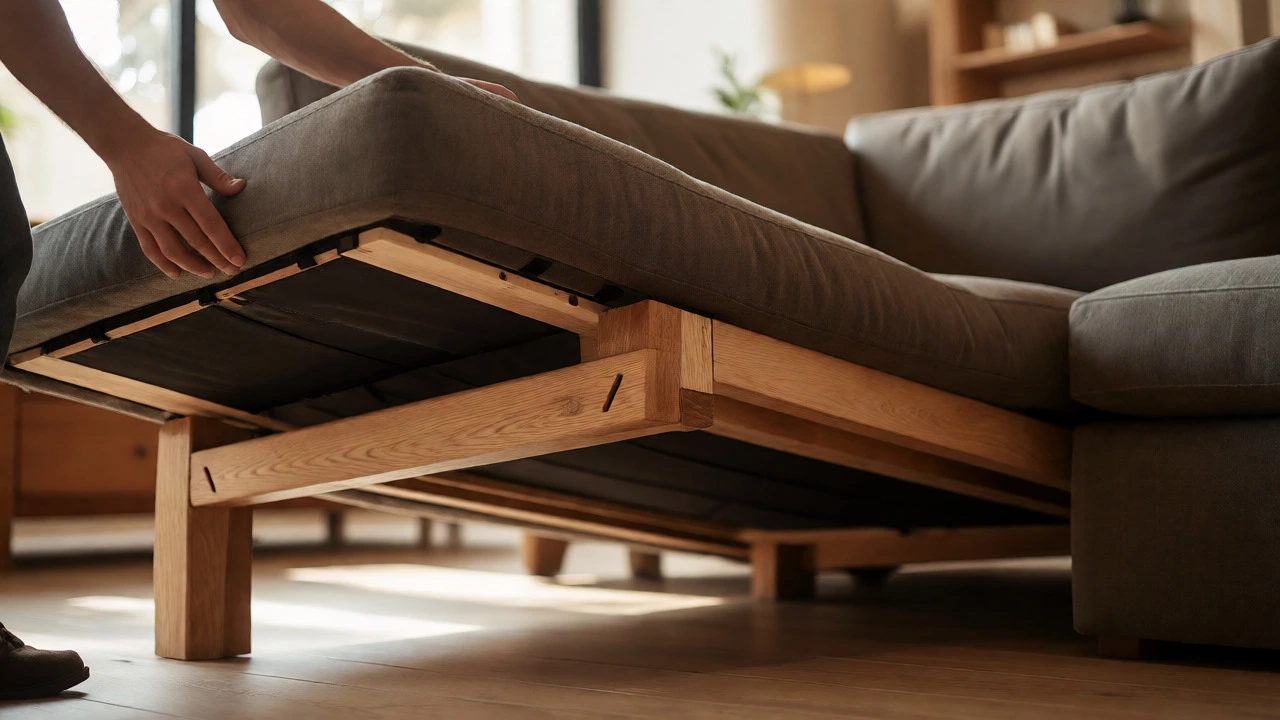
If the frame fails, everything else fails. You need to lift the couch. Yes, physically lift it. If it feels light, put it down. A high-quality frame is made from kiln-dried hardwood, which weighs significantly more than softwoods or particleboard. Hardwood doesn’t warp or crack over time, whereas engineered wood can delaminate when exposed to humidity changes-something we deal with plenty here in Wellington.
Check the joints. You want mortise-and-tenon or dowel joinery. These are traditional woodworking techniques that lock pieces together tightly. Avoid frames held together only by staples or glue. If you see metal brackets screwed into thin plywood, walk away. Those screws will pull out within a year. A solid wood frame should have no wobble when you rock it gently side-to-side.
Suspension Systems: The Secret to Longevity
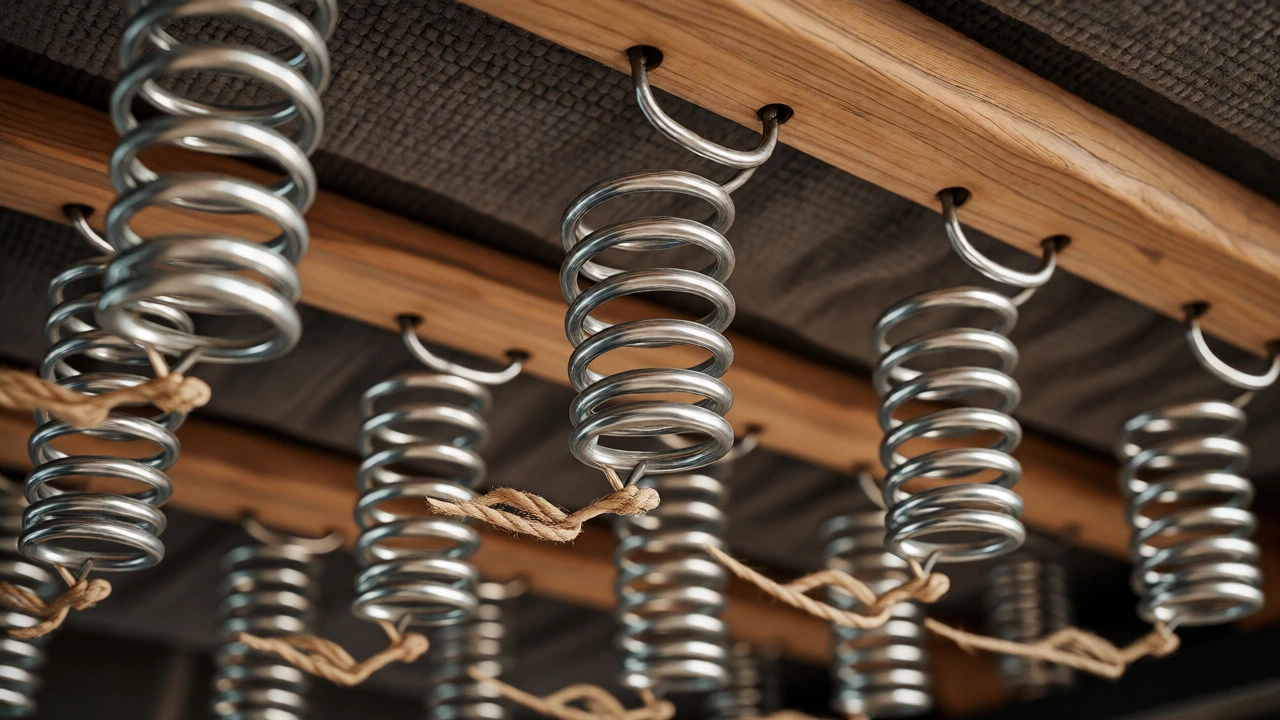
Once you’ve checked the frame, flip the couch over or ask the salesperson to show you the underside. This is where the suspension system lives. Cheap couches use sinuous springs (zig-zag wires) stapled directly to the frame. They work okay for a while, but eventually, they lose tension and create that dreaded "sinking" feeling in the middle.
High-end couches use eight-way hand-tied springs. Each spring is tied to its neighbors horizontally, vertically, and diagonally. This creates a uniform surface that distributes weight evenly. It costs more to make, but it lasts decades. Another excellent option is webbing suspension, specifically high-grade elastic webbing, often used in modern minimalist designs. Just ensure the webbing is tight and securely anchored. Loose webbing leads to sagging corners faster than you can say "buyer's remorse."
Cushion Fill: Density Over Fluffiness
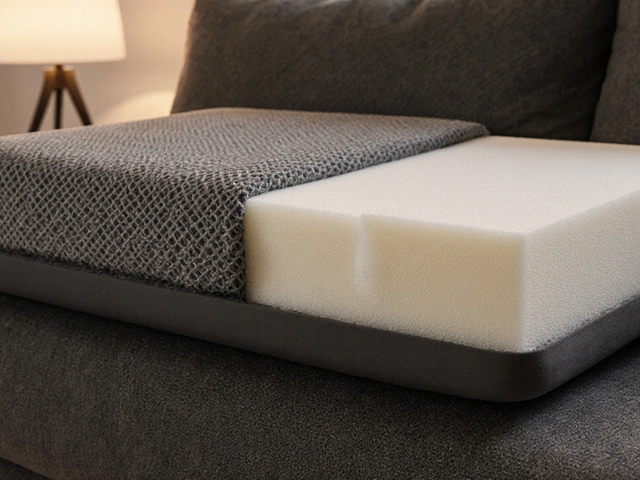
Here is where most shoppers get fooled. A couch might feel incredibly soft in the store because it’s stuffed with low-density foam or feather wraps. After six months, that foam compresses permanently. You’re left sitting on the wooden deck.
Ask about foam density. For seat cushions, you want high-resilience (HR) foam with a density of at least 1.8 pounds per cubic foot. Anything lower is marketing fluff. For back cushions, medium-density foam wrapped in fiber or feathers offers the best balance of support and softness. Pure feather cushions are luxurious but require constant plumping. If you hate maintenance, stick to foam-wrapped-feather hybrids.
| Material Type | Durability | Maintenance | Best For |
|---|---|---|---|
| Low-Density Foam | Poor (sags in 1-2 years) | None | Budget rentals |
| High-Density HR Foam | Excellent (lasts 7+ years) | Minimal | Daily family use |
| Feather & Down | Fair (loses shape quickly) | High (plumping required) | Occasional lounging |
| Foam-Wrapped Feather | Very Good | Moderate | Luxury comfort seekers |
Upholstery: Fabric Strength and Seam Integrity
The fabric is your first line of defense against stains and tears. Look for the Martindale test rating. This measures abrasion resistance. For household use, you need a minimum of 15,000 double rubs. Commercial grade starts at 30,000. If the label says "decorator fabric," it might be pretty but fragile.
Inspect the seams. Turn a cushion inside out if possible. Seams should be straight, even, and reinforced. Double-stitched seams last longer than single-stitched ones. Check for loose threads. Also, look at pattern matching. On a striped or floral fabric, the pattern should align perfectly across seams. Sloppy alignment indicates rushed manufacturing.
Natural fibers like cotton and linen breathe well but stain easily. Synthetics like polyester and olefin resist stains better. Blends often offer the best compromise. If you have pets, avoid loose weaves like chenille; claws catch on them instantly. Tight-weave fabrics like canvas or microfiber are tougher.
Legs and Base Construction
It sounds trivial, but legs tell you a lot about the builder’s attention to detail. Wooden legs should be solid wood, not hollow plastic painted to look like wood. Shake the leg. If it rattles, it’s poorly attached. Metal legs should be thick-gauge steel, not thin tubing that bends under weight.
Also, check the dust cover underneath. Cheap couches leave the bottom open or use thin paper-like material. A high-quality couch uses a heavy-duty fabric dust cover. This keeps debris out and prevents the internal springs from rusting or collecting dust bunnies that smell bad after a few years.

Testing the Comfort: Sit Like You Live There
Don’t just sit politely on the edge. Slump. Lie down. Put your feet up. Sit in the corner section specifically if you’re buying a L-shaped sofa. Corner seats take the most stress. Press your hands into the seat cushion. Does it bounce back immediately? If it leaves an impression for more than ten seconds, the foam is too soft or low-density.
Check the armrests. Lean on them. Are they sturdy? Soft arms are nice for resting heads, but hard wooden arms are more durable for leaning. Decide what matters more to you. Also, measure the depth. Deep seats (over 60cm) are great for tall people but can be uncomfortable for shorter users who need lumbar support.
Warranty and Brand Reputation
A company that stands behind its product will offer a warranty. Not a generic one-year warranty, but a specific frame warranty of 5-10 years. Read the fine print. Does it cover sagging? Many warranties exclude "normal wear," which conveniently covers sagging unless it’s catastrophic.
Look for brands that specialize in upholstery rather than general furniture retailers. Specialists tend to have higher quality control standards. Ask questions. If the salesperson can’t answer technical questions about foam density or frame materials, that’s a red flag. They probably don’t know what they’re selling.
Common Pitfalls to Avoid
- Ignoring Weight Limits: Every couch has a weight capacity. Exceeding it voids warranties and breaks frames. Calculate total user weight plus dynamic load (jumping kids).
- Buying Online Without Samples: Colors look different on screens. Always order fabric swatches before committing to a large custom order.
- Overlooking Delivery Access: Measure your doorways and stairwells. A high-quality couch is useless if it gets stuck on the third-floor landing.
- Assuming Price Equals Quality: Sometimes you pay for brand name or trendy design, not construction. Always inspect the internals regardless of price tag.
Is leather always higher quality than fabric?
No. Full-grain leather is durable and ages well, but bonded leather is essentially plastic and peels within years. High-quality synthetic fabrics can outlast cheap leather. Judge by material grade and construction, not just material type.
How long should a good couch last?
A high-quality couch with a hardwood frame and high-density foam should last 7-15 years with regular use. Cheap couches typically fail within 2-3 years due to frame breakage or foam collapse.
What is the best foam density for a couch?
For seat cushions, aim for 1.8 lbs/cu ft or higher. For back cushions, 1.5-1.8 lbs/cu ft is acceptable. Below 1.5 is considered low density and will sag quickly.
Are corner sofas harder to maintain?
Not necessarily, but they collect more crumbs and debris in the corner joint. Ensure the corner mechanism is sturdy and easy to clean. Some modular corners allow for easier disassembly for cleaning.
Does a heavier couch mean better quality?
Generally, yes. Heavier usually indicates a solid hardwood frame and denser foam. Lightweight couches often use particleboard, pine, or low-density foam, which degrade faster.