Shrink Wrap Suitability Checker
Select the details of the item you are planning to move or store to get a professional recommendation.
Why?
Pro Tip
Fill in the details on the left and click Check Recommendation to see if you should use shrink wrap.
You’re staring at a pile of dusty armchairs and a wooden dining table in your garage. The rain is hammering the roof outside, and you’re wondering if those $20 rolls of industrial stretch film are actually going to save your stuff or just create a mountain of non-recyclable waste. It’s a common dilemma: shrink wrapping furniture is marketed as the ultimate shield against dust, moisture, and scratches during moves or long-term storage, but does it live up to the hype?
The short answer? Yes, but only if you do it right. Done poorly, shrink wrap can trap moisture against wood, crush upholstery foam, or stick to painted surfaces like a bad tattoo. Done well, it’s the difference between a pristine sofa and one that smells like mildew after six months in a unit. This guide breaks down exactly when to use it, when to skip it, and how to avoid the rookie mistakes that turn a helpful tool into a disaster.
When Shrink Wrap Saves Your Skin (and Your Stuff)
Shrink wrap isn’t a one-size-fits-all solution. Think of it as a specific tool in your kit, not a universal bandage. You need to assess the material of your furniture and the conditions it will face before you start pulling that plastic tight.
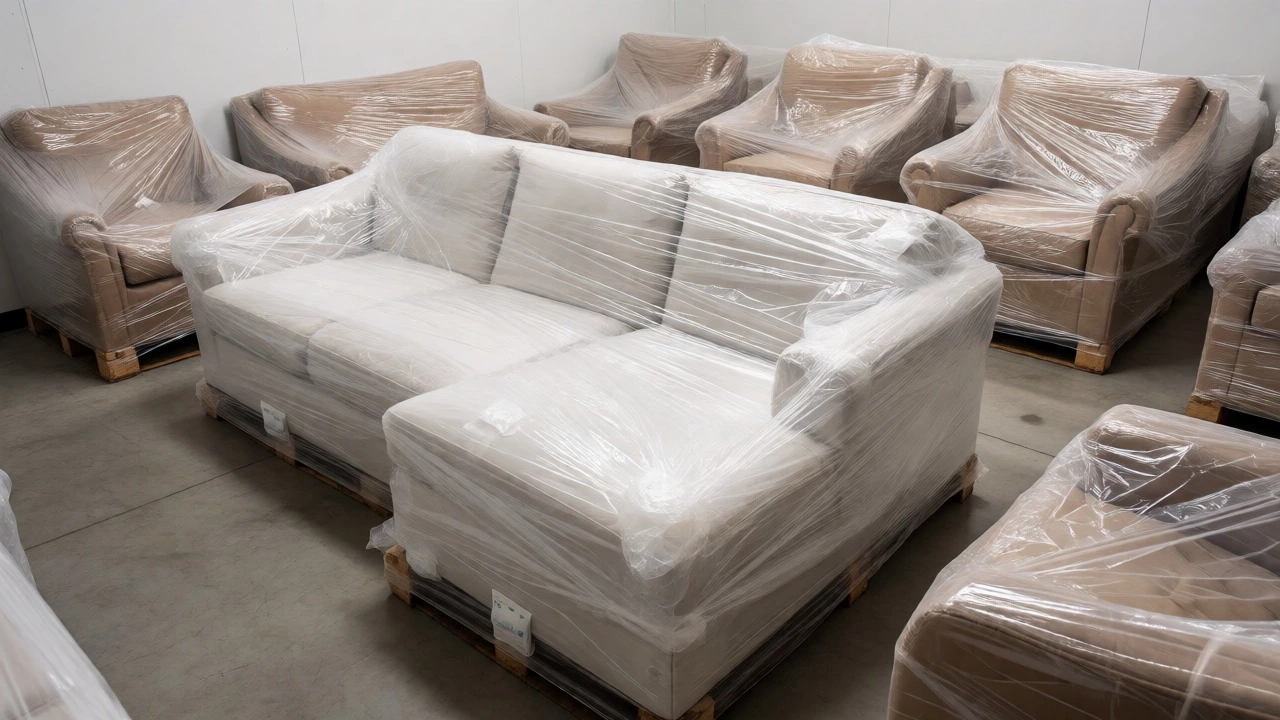
Moving trucks are the primary win here. If you’re loading a truck yourself, friction is your enemy. Chairs sliding against each other, boxes rubbing against cabinet doors-this causes scuffs and dents. Stretch film holds everything in place and creates a slick surface that allows items to slide without grinding against one another. In Wellington, where humidity can spike rapidly, this barrier also keeps road grime off clean surfaces until you unload.
Long-term storage requires a different approach. If you’re putting a sectional sofa into a climate-controlled unit for a year, shrink wrap protects against dust mites and accidental spills from neighbors’ leaking containers. However, if your storage unit is hot and humid (like many unconditioned units in older facilities), trapping air inside plastic can create a greenhouse effect. We’ll cover how to mitigate that later.
Painted and finished wood benefits most. Lacquered tables, glossy dressers, and painted chairs are prone to micro-scratches. Plastic wrap acts as a sacrificial layer. But be careful with oil-based finishes; some plastics contain plasticizers that can react with fresh paint or certain oils, leaving marks that take weeks to fade.
The Risks: When Plastic Becomes the Problem
Not every piece of furniture should touch polyethylene. Understanding what materials hate being wrapped is crucial to avoiding damage.
- Leather: Leather needs to breathe. Sealing it in plastic traps natural oils and moisture against the hide, which can lead to mold growth or cracking once you unwrap it. Use breathable cotton blankets instead.
- Velvet and Chenille: These fabrics have a "pile" (the direction of the fibers). Tight plastic wrap crushes the pile, leaving permanent flat spots that no amount of steaming will fully fix. If you must wrap them, do so loosely and remove immediately upon arrival.
- Freshly Painted Items: If you painted that dresser last week, do not wrap it. Even if it feels dry to the touch, it may still be curing. Trapped heat and lack of airflow can cause the paint to bubble or adhere to the plastic.
- High-Gloss Laminates: Static electricity from the plastic can sometimes attract dust particles directly onto the sticky side of the wrap, which then gets pressed into the gloss. Wipe the surface thoroughly first.
Step-by-Step: How to Shrink Wrap Correctly
Most people wrap too tightly or leave gaps. Here is the professional method used by movers in New Zealand to ensure protection without damage.
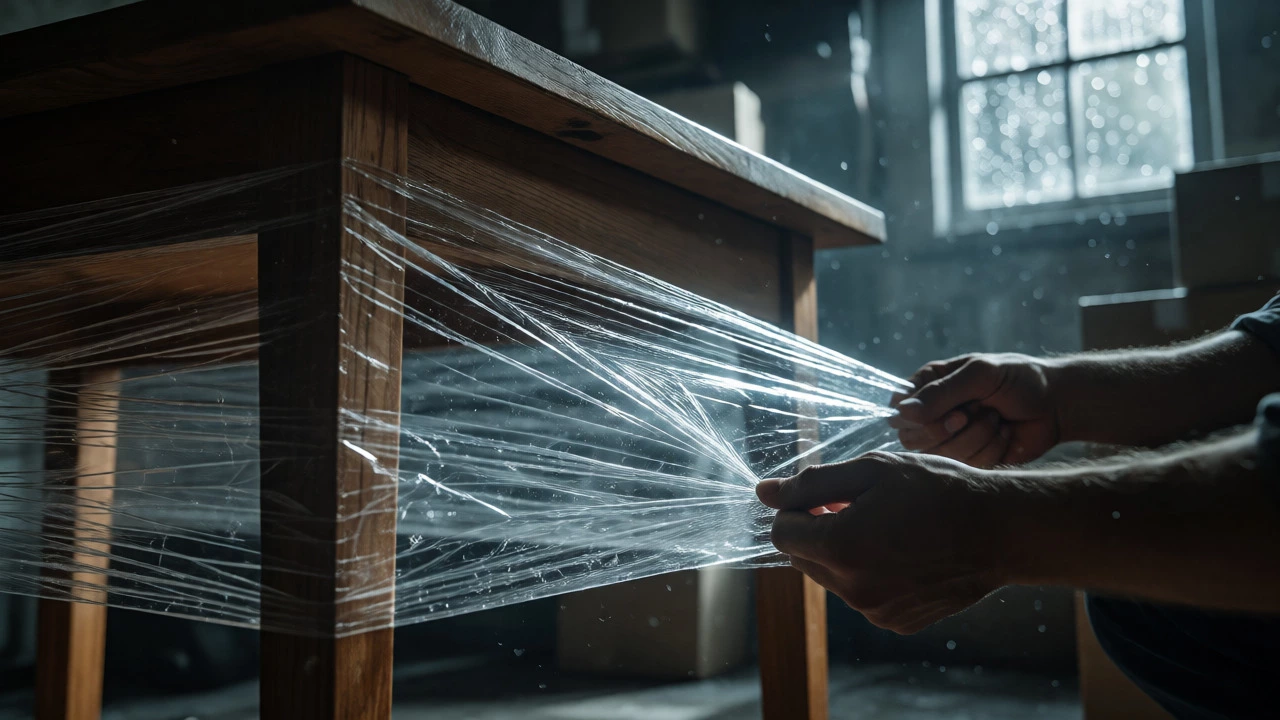
- Clean and Dry: Never wrap dirty or damp furniture. Dust trapped under plastic becomes abrasive grit. Moisture trapped under plastic becomes mold. Wipe down all surfaces with a slightly damp cloth and let them air dry completely.
- Protect Sharp Edges: Cardboard corners are your best friend. Tape them to sharp edges of tables, cabinets, and bed frames before wrapping. This prevents the plastic from tearing and stops the edge from cutting through the wrap and damaging adjacent items.
- Start at the Bottom: Begin wrapping around the legs or base of the item. Work your way up. This ensures water runs off the top rather than getting trapped in pockets near the floor.
- Keep Tension Moderate: Pull the film taut enough to hold it in place, but not so hard that it compresses foam cushions or warps lightweight wood. For upholstered items, wrap gently to preserve shape.
- Overlap Generously: Each new layer should overlap the previous one by at least 50%. This eliminates gaps where dust or moisture can sneak in.
- Seal Securely: Use packing tape to secure the end of the roll. Do not rely on static cling alone, especially for vertical items like wardrobes.
Comparing Protection Methods
How does shrink wrap stack up against the alternatives? Let’s look at the trade-offs.
| Method | Best For | Cost | Risk Factor | Ease of Removal |
|---|---|---|---|---|
| Stretch Film | Wood, metal, sealed leather, moving transit | Low ($15-$30 per roll) | Medium (moisture trapping) | Easy (cut and peel) |
| Bubble Wrap | Glass tops, fragile ornaments, mirrors | Medium | Low | Hard (lots of tape residue) |
| Blanket Pads | Upholstery, antiques, high-end wood | High (rental or purchase) | Very Low | Easy (shake out) |
| Nothing | Short trips, durable outdoor plastic furniture | Free | High (scratches/dust) | N/A |
Dealing with Moisture in Storage
If you are storing furniture in a unit in a coastal area like Wellington, humidity is the silent killer. Plastic wrap seals out external humidity but traps internal humidity. If you put a slightly damp chair in plastic, it stays damp. Over time, this leads to wood rot and fabric mildew.
To combat this, use desiccants. Place silica gel packets inside the wrapped enclosure or tape them to the inside of the plastic layers. Alternatively, don’t seal the item completely. Leave small ventilation holes in the wrap for long-term storage. This allows air circulation while still blocking dust. Check your stored items every three months to ensure no condensation has formed.
Environmental Considerations
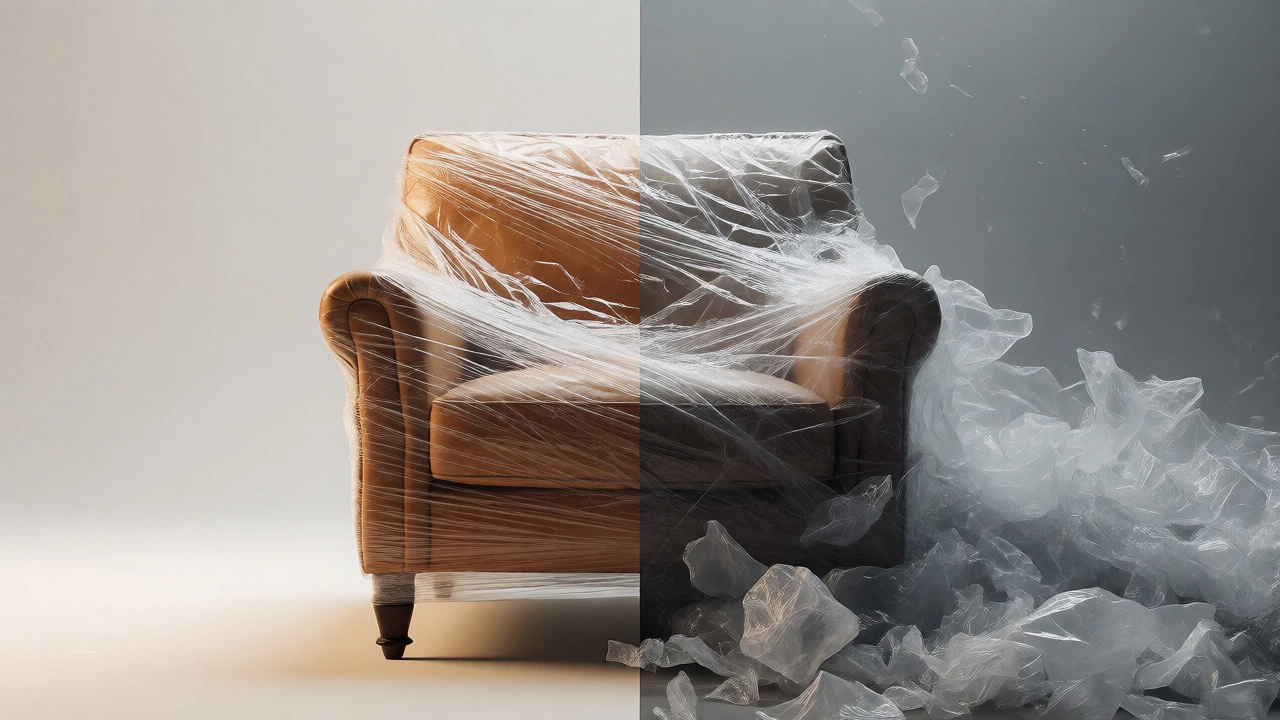
Let’s address the elephant in the room: plastic waste. Industrial stretch film is typically made from linear low-density polyethylene (LLDPE). While technically recyclable, most curbside programs in New Zealand do not accept soft plastics unless they are clean and bundled. Often, these rolls end up in landfill.
If sustainability matters to you, consider reusable furniture pads. They cost more upfront but last for decades. Or, buy smaller rolls of high-quality film and reuse them for multiple moves. Some companies now offer biodegradable stretch films, though they are less common and often weaker. For a single move, the environmental impact of shrink wrap is relatively small compared to replacing damaged furniture, but it’s worth considering if you move frequently.
Pro Tips for Specific Furniture Types
Sofas and Sectionals: Remove the legs if possible. Wrap the frame separately from the cushions. Put cushions in large garbage bags (sealed) rather than wrapping them in film, as this prevents crushing. Reattach legs only after unwrapping.
Dining Tables: Wrap the tabletop first, then the legs. If the table disassembles, wrap each part individually. Do not stack heavy items on top of a wrapped glass-top table unless it is padded with cardboard.
Wardrobes: Empty them completely. Clothes left inside add weight and can shift, causing the wardrobe to tip. Wrap the exterior tightly. If the doors have locks, tape them shut so they don’t swing open during transit.
Final Verdict: Is It Worth It?
For moves over 50km or storage longer than one month, yes. The cost of a few rolls of film is negligible compared to the cost of refinishing scratched oak or cleaning moldy upholstery. For short hops across town with durable, modern furniture, you might get away with just blankets and straps. But if you value your belongings, learning to shrink wrap correctly is a skill that pays for itself in peace of mind.
Can I use regular cling wrap for furniture?
No. Regular kitchen cling wrap is too thin, lacks tensile strength, and tears easily. It cannot provide the structural integrity needed to keep drawers closed or protect against abrasion during a move. Always use industrial-grade stretch film (also known as pallet wrap).
Will shrink wrap damage painted furniture?
It can, if the paint is not fully cured or if the plastic contains certain additives. Wait at least two weeks after painting before wrapping. For high-gloss or delicate finishes, use a layer of acid-free tissue paper or a cotton sheet between the furniture and the plastic as a buffer.
How thick should the stretch film be?
Look for a gauge of 80 microns or higher for furniture. Thinner films (50-60 microns) are designed for light pallets and tear easily when dragged across rough surfaces like concrete floors or truck beds.
Do I need to remove shrink wrap immediately after moving?
Yes. Leaving furniture wrapped for days or weeks in a warm environment can trap heat and moisture, leading to condensation. Unwrap items as soon as they are in their final location and allow them to air out for a few hours before placing rugs or reattaching hardware.
Is shrink wrapping eco-friendly?
Not particularly. Most stretch films are single-use plastics. While recyclable in theory, they are rarely recycled in practice due to contamination and handling difficulties. To reduce impact, reuse the film for smaller items or choose reusable moving blankets if you move often.