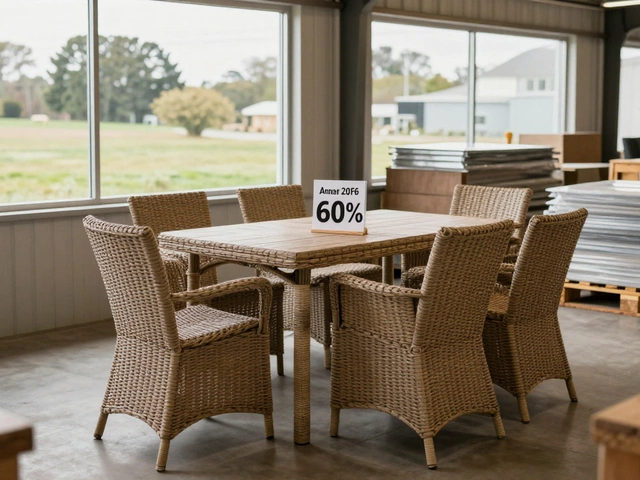
Is Shrink Wrapping Furniture Worth It? A Practical Guide for Storage and Moving
Discover if shrink wrapping furniture is worth the effort. Learn when to use it, how to avoid damaging wood or upholstery, and compare it to other storage methods.
We all love a good sofa or a beautiful wooden table, but everyday life can wear them down fast. A few easy habits can stop scratches, stains, and fading before they happen. Below are the most useful tricks you can start using right now to keep every piece looking like it just arrived.
First, think about where you put drinks and food. A coaster or placemat is a tiny thing that saves a lot of headaches. It stops rings from coffee and water from soaking into wood or fabric. The same goes for pet claws – a simple slip‑on pet mat or a scratch‑proof rug under the pet’s favorite spot can keep sofa arms and wooden legs safe.
When you sit down, ask yourself if the cushion is sagging. Fluffing sofa cushions regularly spreads the stuffing evenly and prevents permanent dents. If you have a pull‑out sofa bed, give the mattress a quick rotate every few months so one side doesn’t wear out faster.
Sunlight is a silent enemy. UV rays fade fabrics and dry out wood. Keep large windows dressed with curtains or blinds, especially in rooms that get a lot of afternoon sun. If you can’t cover the windows, rotate cushions and throw blankets every few weeks so the same spot isn’t always exposed.
During the colder months, keep humidity in check. Too dry air can crack wooden surfaces, while too much moisture can make upholstery smell musty. A simple humidifier in the living room or a dehumidifier in damp areas does the trick.
When you’re moving furniture, always use furniture pads or thick blankets. Sliding a heavy table across a carpet can scrape the wood, and dragging a sofa over a rug can pull the fibers. A small investment in moving kits saves you from costly repairs later.
For upholstered pieces, a quick vacuum with a brush attachment removes dust that can wear fabric fibers. Spot‑clean spills with a mild soap solution right away – the longer a stain sits, the harder it is to remove. Test any cleaner on a hidden spot first to avoid color changes.Finally, think about protective finishes. A clear wax or polyurethane coat on wooden tables adds a thin, invisible shield against water and scratches. Reapply it every 6‑12 months for the best results.
Protecting furniture isn’t about spending a lot of time or money. It’s about small, consistent actions that keep your home looking fresh. Try adding one habit this week – a coaster, a blanket, or a quick vacuum – and watch how much longer your pieces stay beautiful.
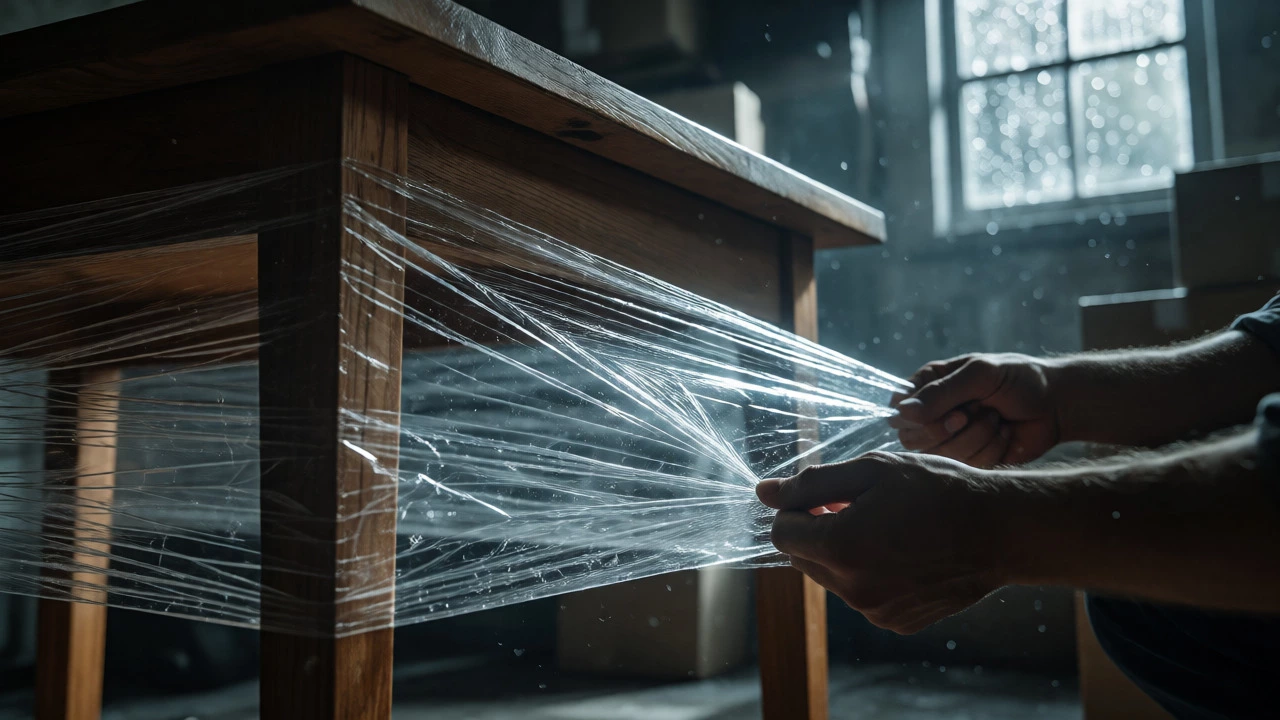
Discover if shrink wrapping furniture is worth the effort. Learn when to use it, how to avoid damaging wood or upholstery, and compare it to other storage methods.

When it comes to storing furniture, choosing the right wrapping material is essential for protection. This article explores various materials you can use to safeguard your furniture from damage during storage. It reveals their benefits, and provides tips to ensure your possessions remain in top condition. Furniture can be made of wood, fabric, metal, or a mixture of materials, and protecting it from scratches, dust, and moisture is necessary. With the right techniques and materials, your furniture will be ready to use again with no deteriorations.