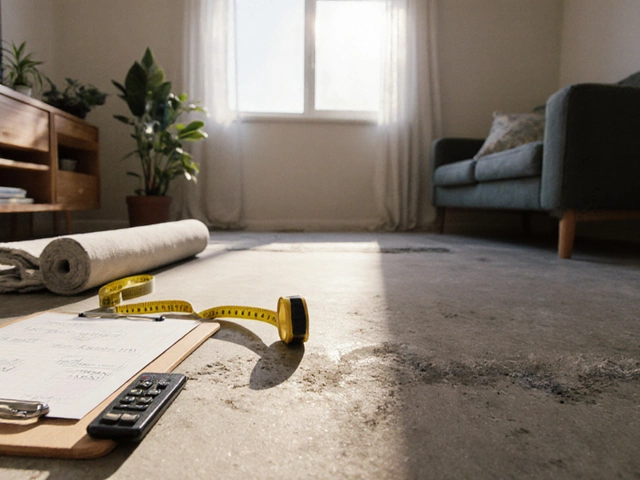

Sofa Cushion Replacement Cost Calculator
New Sofa Cost
$1,500
Total Cushion Cost
$300
Verdict: Replacing cushions is significantly cheaper than buying a new sofa. You are saving over 80% of the cost while retaining the existing frame structure.
- Financial Benefit: High return on investment.
- Eco-Friendly: Reduces landfill waste.
You sink into your favorite chair after a long day, expecting that familiar cloud-like support. Instead, you hit bottom. The fabric might still look decent, but the comfort is gone. This is the moment every homeowner faces: do you buy a new $1,500 sofa, or is it worth replacing the cushions?
The short answer is yes-often, it is absolutely worth it. In many cases, replacing cushions costs less than 30% of buying a new piece of furniture while restoring 90% of the comfort. But before you rush to order replacements, you need to understand why your current ones failed and how to ensure the next set lasts longer.
Why Do Sofa Cushions Go Flat?
It isn't just bad luck. Sofa cushions compress because of physics and material science. Most mass-produced sofas use low-density polyurethane foam. Over time, the air bubbles inside the foam collapse under repeated pressure. This process is called 'bottoming out.'
If your cushions are less than three years old and already flat, the manufacturer likely used cheap foam with a density below 1.5 pounds per cubic foot. High-quality furniture uses foam with a density of 2.0 to 2.5 pounds per cubic foot. This higher density resists compression for decades, not months.
Another culprit is the filling type. Some cushions use fiberfill or down instead of foam. While these feel luxurious initially, they shift around and lose their shape quickly without regular fluffing. If you prefer a structured seat, foam is your only reliable option.
The Cost Breakdown: New Sofa vs. New Cushions
Let’s talk numbers. A mid-range sectional sofa typically costs between $1,200 and $2,500. Even budget options rarely drop below $600 if you want decent durability. Now, compare that to the cost of replacement cushions.
You can buy custom-cut foam blocks and have them upholstered for roughly $80 to $150 per seat cushion. For a standard three-seater, that’s $240 to $450 total. That includes high-resilience foam and quality fabric matching your existing sofa.
If you’re handy, you can cut the foam yourself and sew simple covers, bringing the cost down to under $100 for the whole couch. Either way, you save hundreds, if not thousands, of dollars. Plus, you keep the frame, which is often the most durable part of the sofa.
| Item | Average Cost (USD) | Lifespan Expectancy |
|---|---|---|
| New Mid-Range Sofa | $1,200 - $2,500 | 7 - 10 Years |
| Replacement Cushions (Custom) | $240 - $450 | 5 - 8 Years |
| DYI Foam & Fabric Kit | $80 - $150 | 3 - 5 Years |
When Should You Replace the Whole Sofa?
Replacing cushions makes sense only if the rest of the sofa is in good condition. Inspect the frame first. Sit on the corners and listen for creaks. If the wood frame is cracked or the joints are loose, new cushions won’t fix the structural instability.
Check the springs too. Many sofas use sinuous wire springs or eight-way hand-tied springs. If you feel individual wires poking through the padding, or if the seat sags unevenly despite firm cushions, the spring system has failed. Repairing springs is labor-intensive and often costs more than the cushions themselves.
Also consider the fabric. If the upholstery is stained, torn, or smells like mildew, cleaning it might not be enough. You’ll likely need to reupholster the entire sofa, which brings the cost closer to buying a new one. In those cases, replacement cushions are just a temporary band-aid.
Choosing the Right Foam Density
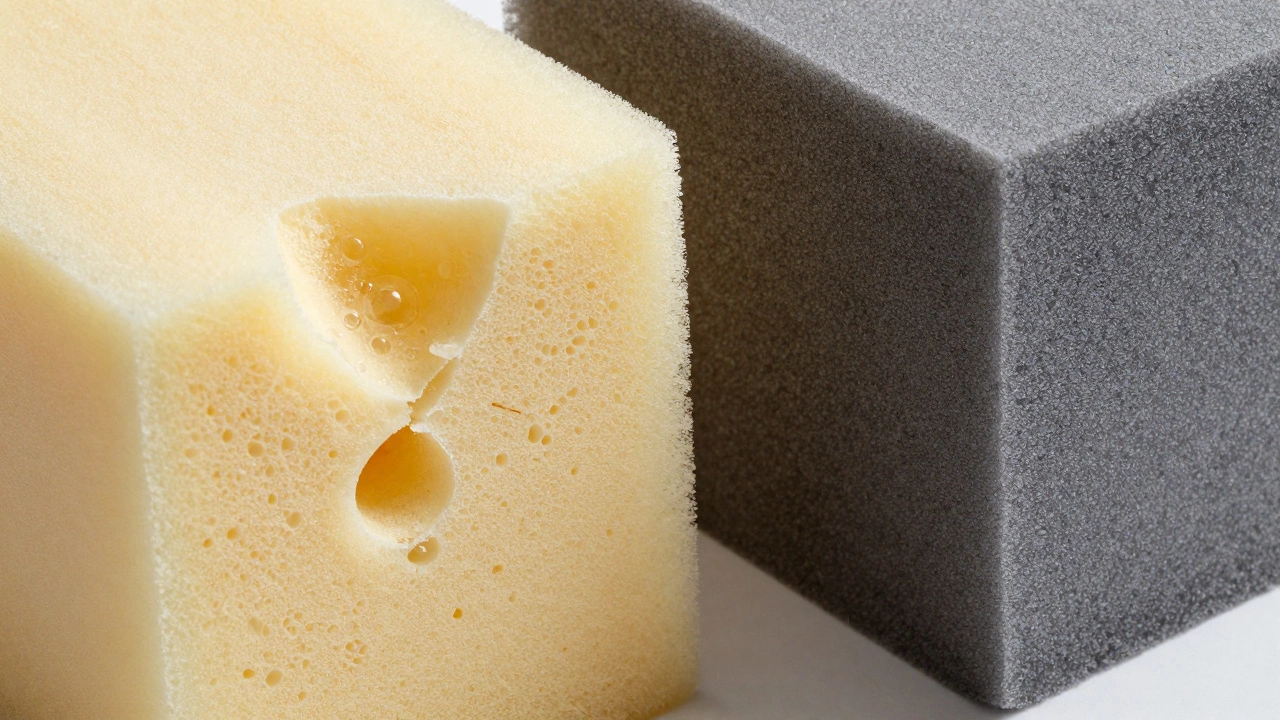
This is where most people go wrong. They buy replacement cushions that feel firm today but turn into rocks in six months. The key is understanding two metrics: density and ILD (Indentation Load Deflection).
Foam Density is the weight of one cubic foot of foam, measured in pounds. Higher density means more material packed into the same space, leading to better durability. Look for at least 1.8 lbs/cu ft for everyday use. For heavy daily use or larger individuals, aim for 2.0+ lbs/cu ft.
ILD measures firmness. A lower ILD number means softer foam; a higher number means firmer. For sofa seats, an ILD of 15 to 20 offers a good balance of comfort and support. If you like sitting upright with firm support, go for ILD 25. Avoid anything below ILD 10 unless you want a sunken-in feeling.
Don’t confuse softness with quality. Cheap foam feels soft initially because it has large, weak air cells. These cells collapse quickly. High-density foam can still feel plush if layered correctly, but it will bounce back after you stand up.
DIY vs. Professional Replacement
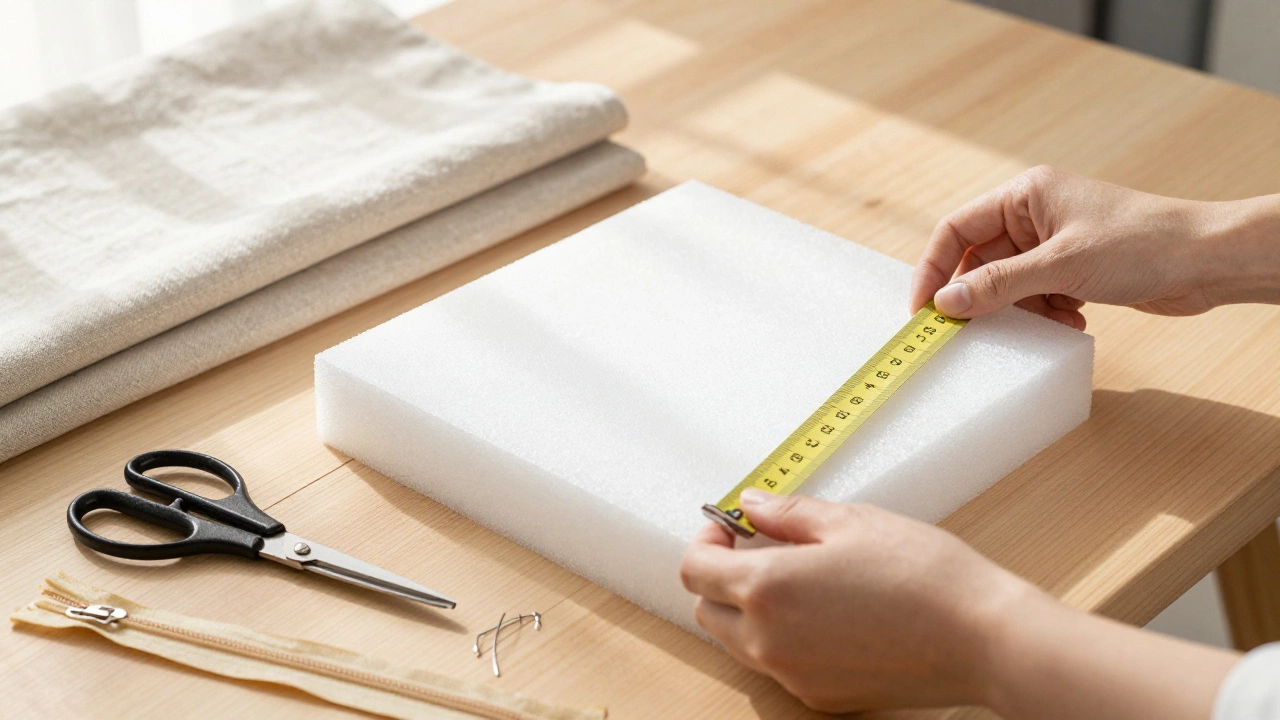
If you enjoy sewing, replacing cushions yourself is straightforward. Measure your existing cushions carefully. Note whether they are square, rectangular, or wedge-shaped. Order foam cut to those dimensions from a local supplier or online retailer.
For the cover, you’ll need fabric that is slightly larger than the foam to allow for wrapping and stitching. Use a zipper closure for easy removal and washing. Heavy-duty canvas or linen blends work well because they resist stretching over time.
If sewing isn’t your thing, find a local upholstery shop. Most offer cushion replacement services. Bring a photo of your sofa and the exact measurements. Ask them to match the fabric color as closely as possible. Professional tailoring ensures clean edges and proper tension, which keeps the foam from shifting inside the cover.
Maintaining Your New Cushions
To make your investment last, rotate the cushions weekly. This distributes wear evenly across the foam. If your cushions don’t have zippers, flip them over so the top becomes the bottom. This prevents permanent body impressions from forming in one spot.
Keep them out of direct sunlight. UV rays break down foam molecules, causing brittleness and crumbling. If your sofa sits near a window, use curtains or blinds during peak hours. Also, avoid placing hot objects directly on the cushions, as heat accelerates foam degradation.
Clean spills immediately. Liquid seeps into the foam core, leading to mold and odor issues that are nearly impossible to remove. Vacuum the fabric regularly to prevent dust mites from settling deep within the fibers.
Alternative Filling Options
If foam doesn’t suit your style, consider other materials. Down feathers provide a luxurious, hotel-like feel. However, they require frequent fluffing and may trigger allergies. A blend of down and synthetic fibers offers a middle ground, retaining some loft while being easier to maintain.
Synthetic microfiber fill is another option. It mimics the feel of down but is hypoallergenic and machine washable. It’s lighter than foam, making cushions easier to move, but it lacks the structural support needed for firm seating preferences.
Latex foam is gaining popularity for its eco-friendliness and resilience. Natural latex comes from rubber trees and contains no harmful chemicals. It’s heavier than polyurethane but offers excellent bounce-back properties. If sustainability is a priority, latex is a worthy upgrade.
How much does it cost to replace sofa cushions professionally?
Professional replacement typically costs between $80 and $150 per cushion, depending on fabric choice and foam density. For a standard three-seater sofa, expect to pay $240 to $450 total. This price usually includes cutting, sewing, and installation.
What is the best foam density for sofa cushions?
For most households, a foam density of 1.8 to 2.0 pounds per cubic foot is ideal. It balances comfort with longevity. If you have heavy usage or prefer firmer support, choose 2.0+ lbs/cu ft. Avoid densities below 1.5 lbs/cu ft as they flatten quickly.
Can I replace cushions if my sofa frame is broken?
No. If the frame is cracked or the springs are exposed, replacing cushions is futile. The structural integrity of the sofa must be sound first. Consider repairing the frame or buying a new sofa if the damage is extensive.
How long do replacement sofa cushions last?
High-density foam cushions last 5 to 8 years with proper care. Rotating them weekly and avoiding direct sunlight extends their lifespan. Lower-density foams may need replacement every 2 to 3 years.
Is DIY cushion replacement difficult?
It’s moderately easy if you can sew. You need accurate measurements, foam, fabric, and a zipper. Online tutorials guide you through cutting and stitching. If you lack sewing skills, professional help ensures a cleaner finish and better durability.