Household Storage Calculator
You’ve finally bought that dream five-bedroom home. It’s spacious, it has great natural light, and the neighborhood is perfect. But then you move in, unpack the boxes, and suddenly realize something terrifying: where does everything go?
Storage isn’t just about having shelves; it’s about designing a system that keeps your life running smoothly without turning your house into a warehouse. For a five-bedroom household, which usually implies a family of four to six people plus guests, the average person needs between 150 to 250 square feet of dedicated storage space. That includes closets, pantries, garages, and utility rooms.
If you’re standing in an empty room wondering how to plan this out, you’re not alone. Most people underestimate how much stuff they actually own until they try to fit it all in. This guide will help you calculate exactly what you need, where to put it, and how to keep it organized so you never have to dig through a pile of junk again.
Calculating Your Personal Storage Needs
Before you buy a single shelf or build a custom closet, you need to understand the math behind your lifestyle. Storage requirements aren’t one-size-fits-all. They depend heavily on who lives in the house and what they do.
A standard rule of thumb is that each adult needs about 30-40 square feet of personal storage (closets, drawers, cabinets). Children need less-around 15-20 square feet-but their items are bulkier relative to size because toys and sports gear don’t fold neatly. Add another 50-70 square feet for shared spaces like the kitchen pantry, laundry room, and garage.
| Household Member Type | Recommended Storage Area (sq ft) | Primary Use Cases |
|---|---|---|
| Adult (Master Bedroom) | 40-60 sq ft | Clothing, shoes, accessories, linens |
| Teenager | 30-40 sq ft | Clothing, school supplies, hobbies |
| Child (Under 12) | 15-25 sq ft | Toys, clothes, books, art supplies |
| Guest Room | 20-30 sq ft | Luggage, extra bedding, seasonal decor |
| Shared Living Areas | 50-70 sq ft | Pantry, cleaning supplies, media equipment |
If you have a large family with kids involved in sports, multiply the child storage estimate by 1.5. Soccer balls, hockey sticks, and skateboards take up significantly more volume than board games. Similarly, if anyone works from home, add another 20 square feet for office supplies, filing cabinets, and tech gear.
Bedroom Storage: The Heart of Organization
In a five-bedroom house, bedrooms consume the majority of your storage budget. The master suite should be designed as a sanctuary, not a dumping ground. Think beyond the basic wardrobe. You need zones for hanging clothes, folded items, shoes, and accessories.
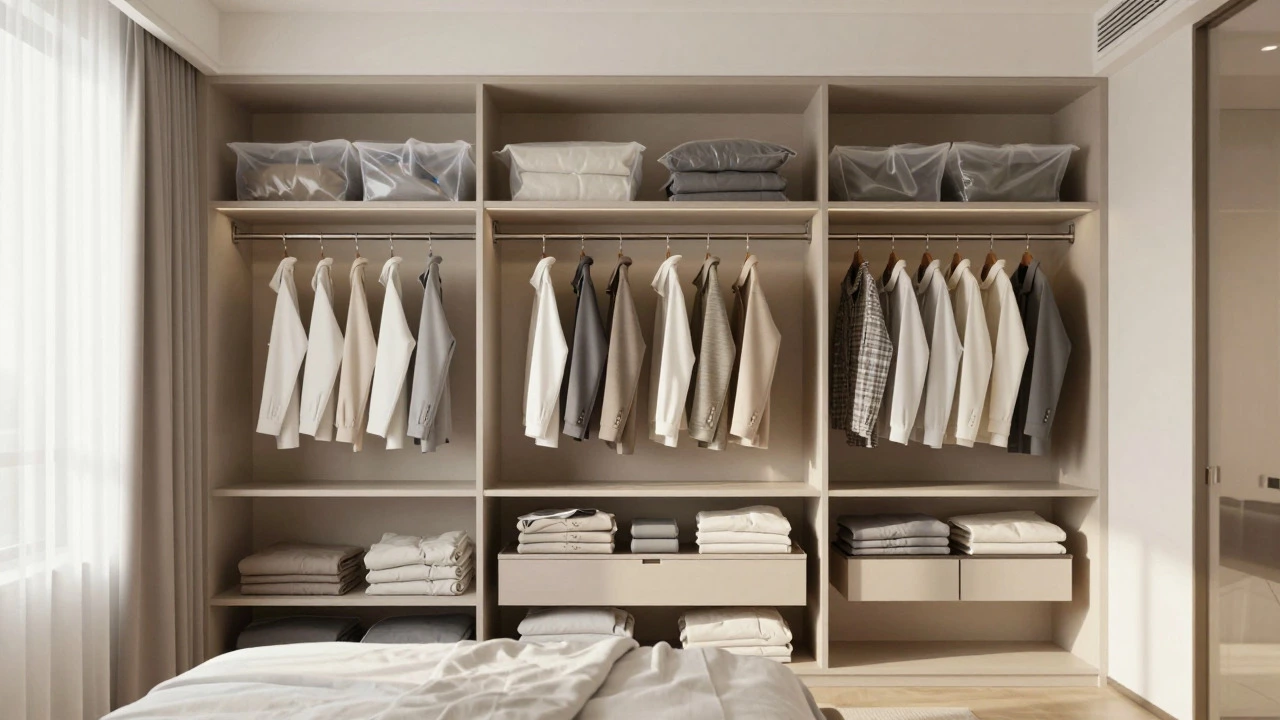
For the master bedroom, aim for a walk-in closet if possible. If you’re stuck with a reach-in closet, maximize vertical space. Install double-hanging rods so shorter items like shirts hang above longer dresses or pants. Use the top shelf for off-season clothing stored in vacuum-sealed bags. This frees up prime real estate for daily wear.
Kids’ bedrooms require different strategies. Open shelving works better than closed doors because children can see their toys and put them back easily. Bins labeled with pictures rather than words help younger kids stay organized. Under-bed storage drawers are essential here-they hide clutter while keeping frequently used items accessible.
Don’t forget the guest rooms. Even if they’re rarely occupied, they need functional storage. Include a small wardrobe or dresser for visitors, plus a dedicated spot for luggage. Store extra pillows, blankets, and towels in overhead bins or under the bed so the room looks tidy when not in use.
Kitchen and Pantry: Feeding the Family
A five-bedroom house often means a larger kitchen. But size doesn’t equal efficiency. Without proper planning, your kitchen becomes a maze of appliances and food packages.
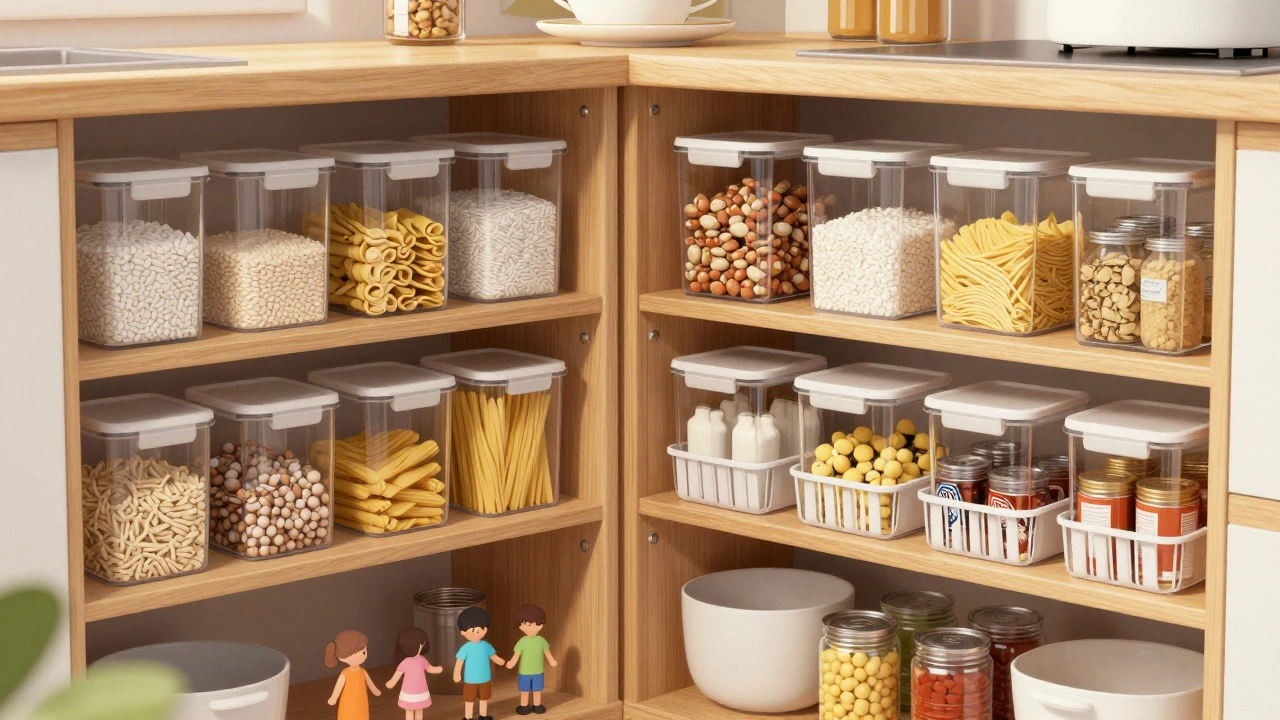
The pantry is critical. For a family of five or more, you need at least 10-15 square feet of pantry space. Deep shelves work well for bulk items like rice, pasta, and canned goods. Pull-out baskets make it easy to access items at the back without knocking over everything else. Consider installing lazy Susans for spices and condiments-they rotate so nothing gets lost in the corner.
Cabinet organization matters too. Use dividers for plates and bowls to prevent chipping. Drawer organizers for utensils save time during meal prep. If you bake regularly, dedicate one cabinet to baking sheets, mixing bowls, and measuring cups. Labeling these containers helps everyone know where things belong.
Refrigerator space is another hidden constraint. A large family needs a fridge with at least 20-25 cubic feet of capacity. Look for models with adjustable shelving and door bins that can hold gallon-sized milk jugs. Freezer space should be separate and ample enough for frozen vegetables, meats, and emergency meals.
Garage and Utility Rooms: The Hidden Storage Powerhouses
Many homeowners treat the garage as a catch-all for anything that doesn’t fit inside. This leads to chaos. Instead, design your garage as a functional extension of your home.
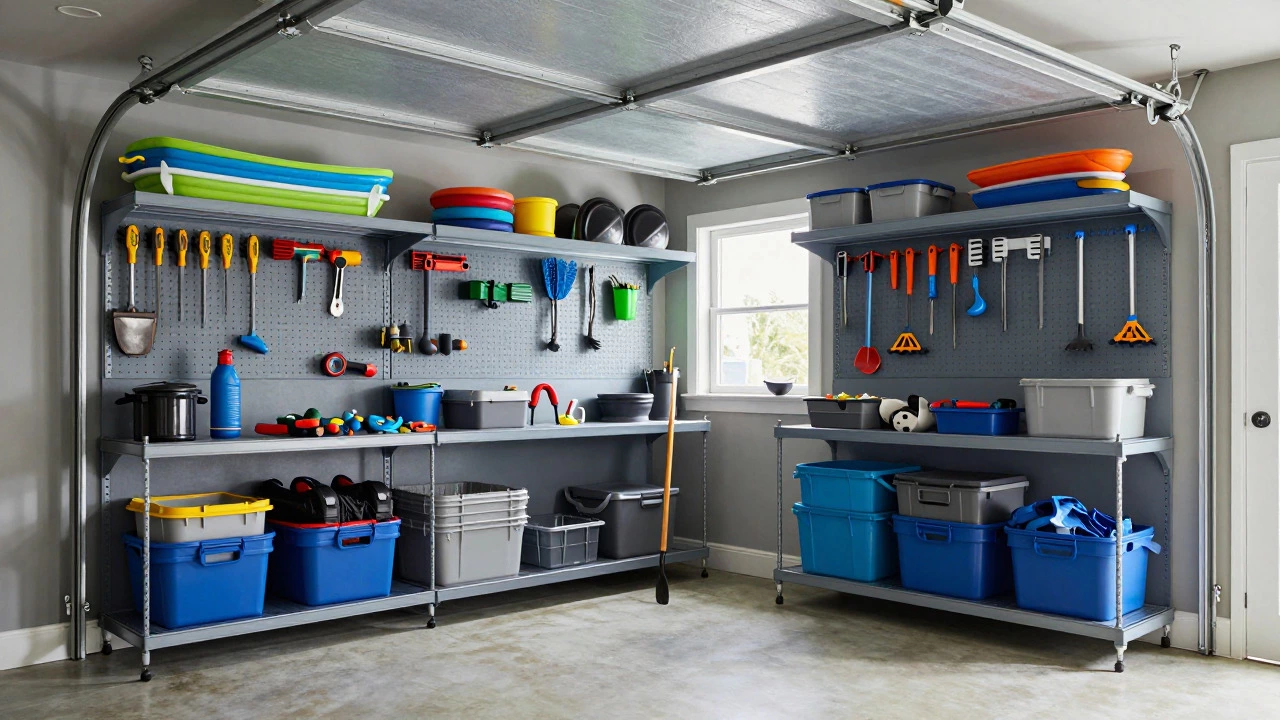
Start with wall-mounted storage. Pegboards allow you to hang tools, gardening equipment, and holiday decorations. Shelves above your head can store seasonal items like Christmas lights or summer pool toys. Keep heavy items on lower shelves to avoid accidents.
The utility room or laundry area is equally important. In a big house, laundry piles up fast. Invest in a high-capacity washer and dryer. Add folding counters with built-in hampers for sorting clothes by color or type. Store cleaning supplies in a locked cabinet to keep them away from children and pets.
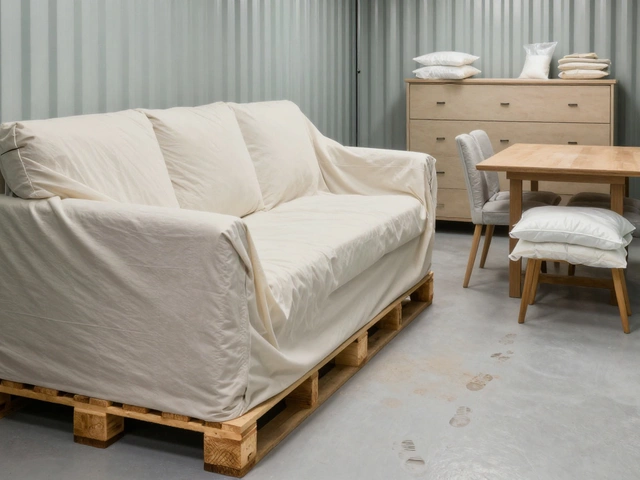
If you have a basement, convert part of it into a climate-controlled storage zone. Humidity ruins paper, electronics, and fabrics. Dehumidifiers and proper ventilation protect valuable items like photo albums, documents, and collectibles.
Living Areas: Keeping Common Spaces Clutter-Free
Living rooms, dining areas, and hallways suffer most from poor storage planning. These spaces get messy quickly because everyone uses them. The goal is to provide convenient spots for everyday items so they don’t end up on coffee tables or chairs.
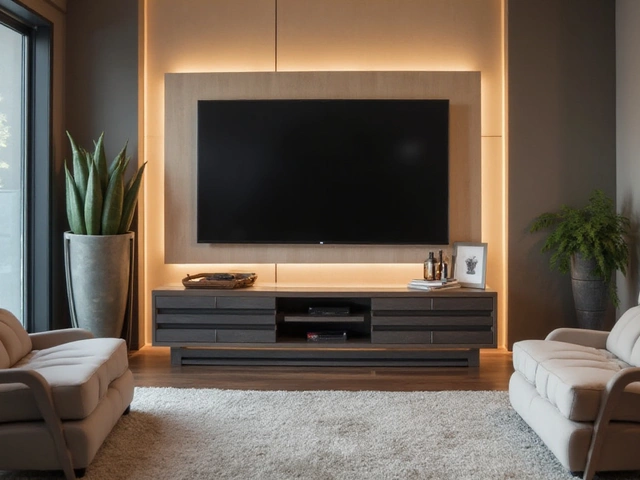
In the living room, include side tables with drawers for remotes, magazines, and chargers. Media consoles should have cable management holes to hide wires. Bookshelves serve dual purposes-they store books and display decorative objects. Avoid open shelves unless you’re committed to constant tidying.
Dining rooms need storage for tableware, linens, and serving dishes. A sideboard or buffet table provides surface space for decorating and drawer space for silverware. If you entertain often, consider a wine rack or glass cabinet to keep drinkware within reach.
Hallways are notorious for shoe piles and coat racks overflowing with jackets. Install a mudroom bench with cubbies near the entrance. Each family member gets a designated bin for shoes, hats, and gloves. This simple change prevents clutter from spreading into the rest of the house.
Smart Solutions for Small Spaces Within Large Homes
Even in a five-bedroom house, some areas feel cramped. Entryways, bathrooms, and nooks often lack adequate storage. Here’s how to squeeze every inch:
- Bathrooms: Use medicine cabinets with mirrored doors to reflect light and create depth. Install towel bars outside the shower to free up interior space. Under-sink vanity units with pull-out drawers maximize narrow gaps.
- Entryways: Slim console tables with shelves underneath hold keys, mail, and packages. Hooks mounted at different heights accommodate adults and children.
- Nooks and Corners: Corner shelving units turn awkward angles into useful storage. Floating shelves above doorframes utilize unused wall space.
Multipurpose furniture is your best friend. Ottomans with hidden compartments store blankets or games. Beds with lift-up mattresses reveal massive storage cavities. Sofas with armrests that open into drawers keep remotes and snacks handy.
Decluttering Before You Organize
No amount of clever storage will fix a hoarding problem. Before buying new furniture or building custom closets, declutter ruthlessly. Ask yourself three questions about each item:
- Do I use this regularly?
- Does it bring me joy or value?
- Would I buy this again today?
If the answer is no to any question, donate, sell, or recycle it. Hold a garage sale or host a neighborhood swap event. Digital photos replace physical albums. Cloud storage eliminates paper files. Reducing your possessions makes organizing easier and cheaper.
Set aside one weekend per month to review your belongings. Rotate seasonal clothing, check expiration dates in the pantry, and purge expired medications. Regular maintenance prevents clutter from rebuilding itself.
Future-Proofing Your Storage Plan
Your needs will change over time. Kids grow, careers shift, and hobbies evolve. Design your storage system with flexibility in mind.
Modular shelving units let you adjust heights and configurations as needed. Adjustable closet rods accommodate changing wardrobe sizes. Removable adhesive hooks allow you to reconfigure walls without damage. Leave blank spaces intentionally-they become valuable later when you acquire new items.
Consider aging in place. As you get older, accessibility becomes crucial. Lower shelves reduce bending. Lever-style handles are easier to grip than knobs. Wide aisles accommodate walkers or wheelchairs. Planning ahead saves costly renovations down the road.
How much closet space do I need for a master bedroom?
Aim for at least 40-60 square feet of closet space in the master bedroom. This includes hanging rods, shelves, and drawers. Walk-in closets offer more flexibility but require careful layout planning to avoid wasted corners.
What is the best way to organize a large pantry?
Use clear, stackable containers for dry goods. Group similar items together-baking supplies, snacks, cereals. Install pull-out baskets for heavy cans and lazy Susans for spices. Label everything clearly to maintain order.
Should I invest in custom built-in storage?
Custom built-ins maximize space efficiency and increase home value. They’re ideal for irregularly shaped rooms or specific needs like wine cellars or library walls. However, they’re expensive and less flexible than modular solutions.
How can I store seasonal items efficiently?
Store off-season clothing and decor in vacuum-sealed bags placed on high shelves or under beds. Use labeled bins for quick identification. Rotate items twice a year-spring/fall-to keep current essentials accessible.
Is it worth adding a second garage for storage?
Only if you live in an area with extreme weather or have extensive hobby equipment. Otherwise, optimize your existing garage with wall-mounted systems and overhead racks. Adding a structure increases property taxes and maintenance costs.