Sofa Placement Recommendation Tool
Answer a few questions about your living room to find the ideal orientation for your sofa.
Quick Guide to Sofa and Window Alignment
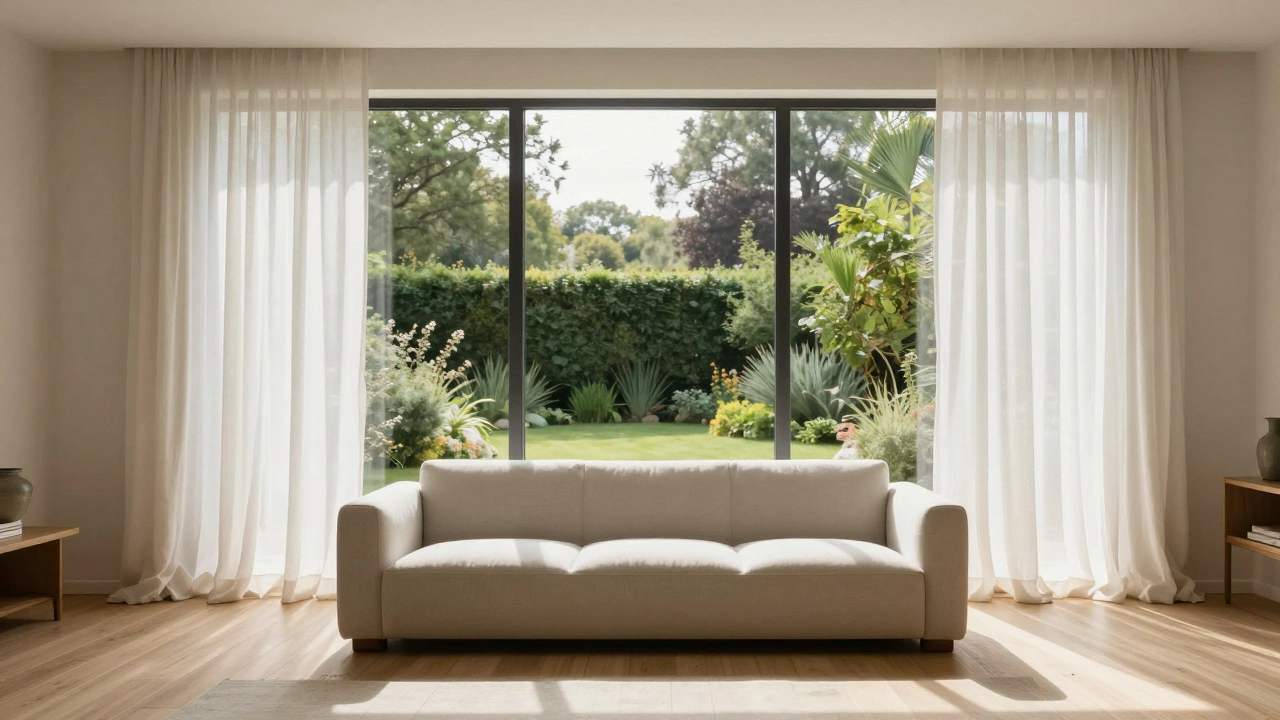
- Face the window: Best for reading nooks, maximizing views, and creating a 'sunroom' feel.
- Back to the window: Best for TV viewing, reducing glare, and creating a cozy, enclosed conversation area.
- Perpendicular to window: The gold standard for balanced light and functionality.
The Case for Facing the Window
There are times when looking outside is the whole point of the room. If you have a stunning garden, a city skyline, or even just a peaceful courtyard, you want your Sofa is a long upholstered seat with a back and arms, typically used as the primary seating element in a living room to act as a front-row seat. When you orient your seating toward the light, you're embracing what designers call "biophilic design," which is basically just a fancy way of saying we feel better when we're connected to nature.
This setup works wonders in smaller apartments where the window is the only source of depth. By facing the window, you pull the eye outward, making the room feel larger than its actual square footage. However, this is where the "glare war" begins. If you have a television opposite that window, the sunlight will hit the screen, turning your movie night into a guessing game of what's happening in the scene. To fix this, you'll need Blackout Curtains is heavy fabric window coverings designed to block out most or all external light or sheer linens to diffuse the intensity.
Turning Your Back to the Light
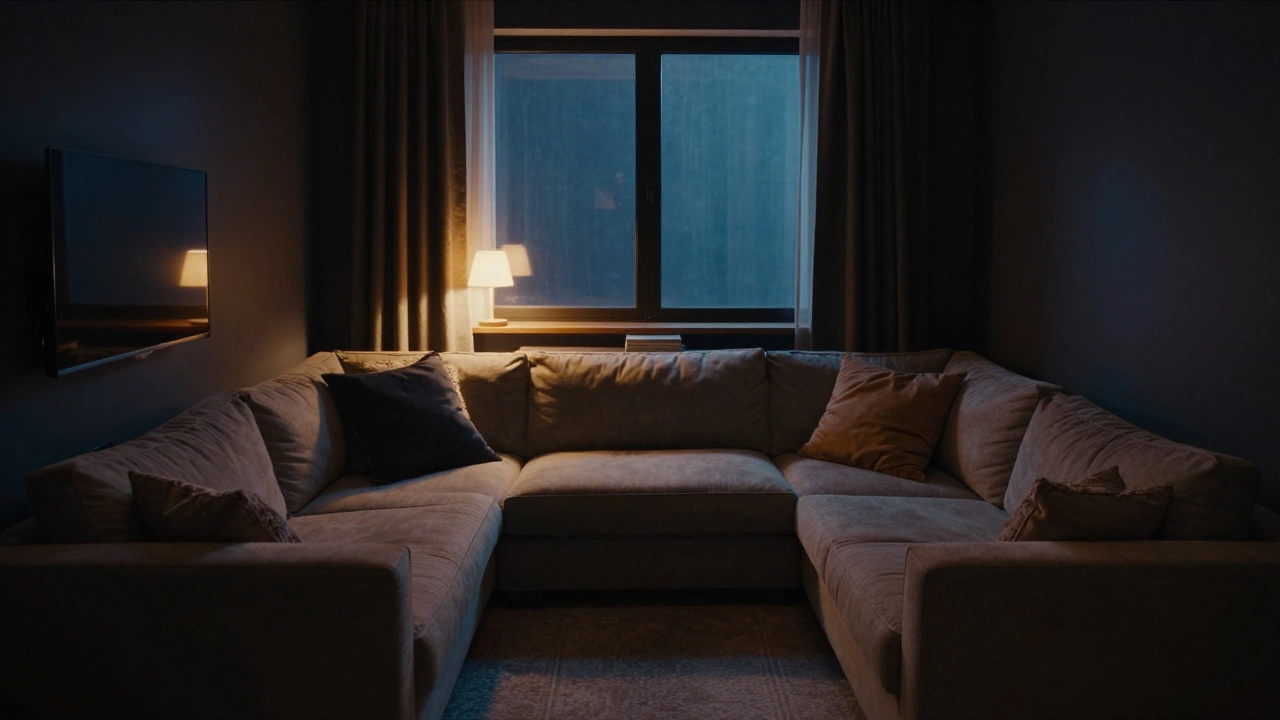
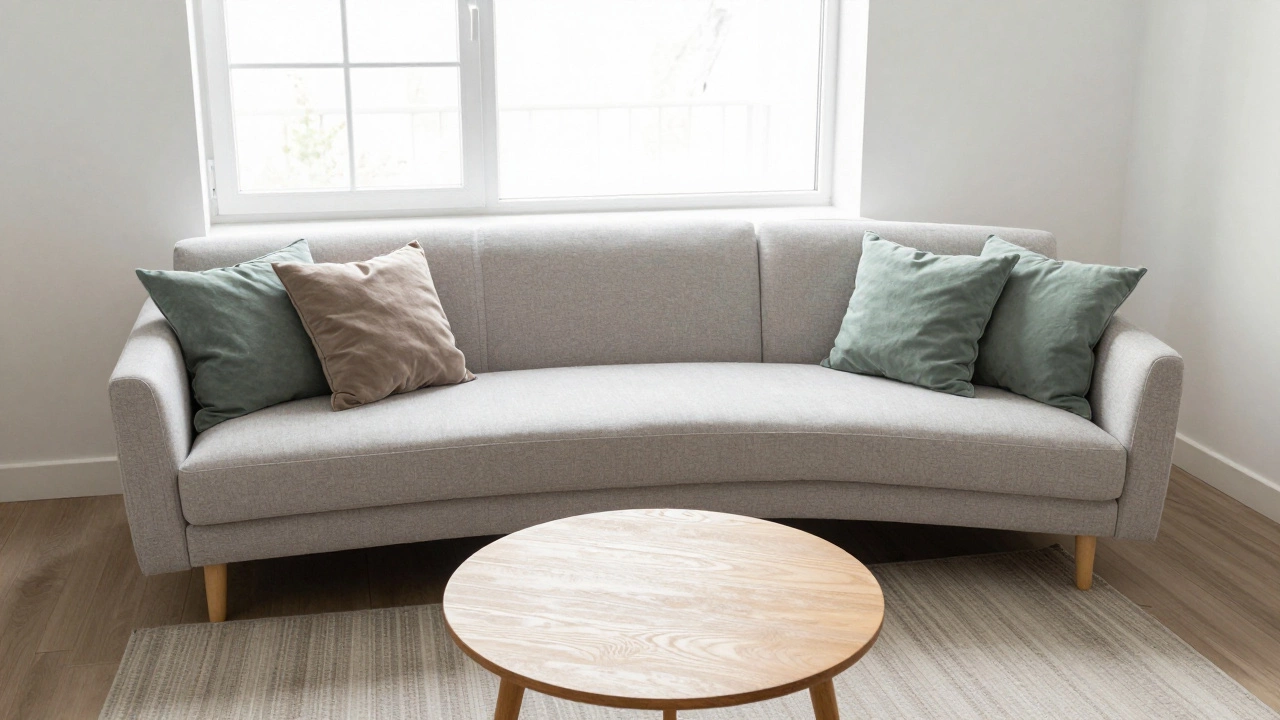
Placing your couch with its back to the window is the go-to move for media rooms and cozy dens. The biggest win here is the lighting. By putting the light source behind you, you eliminate the glare on your screens. It also creates a psychological sense of security-having a "solid" boundary behind you often makes a seating area feel more intimate and protected.
The risk? You might accidentally block the light. If you have a low-profile Sectional Sofa is a multi-piece sofa that can be configured in L or U shapes to fit large spaces , this isn't a huge deal. But if you have a high-back traditional piece, you're essentially building a wall against your natural light. This can make the room feel gloomy, especially in winter. A pro tip here is to leave at least 12 to 18 inches of breathing room between the back of the sofa and the wall or window. Shoving furniture flush against the glass looks cramped and makes it impossible to open the curtains comfortably.
| Orientation | Primary Benefit | Biggest Drawback | Best For... |
|---|---|---|---|
| Facing Window | Natural light & views | TV glare / screen reflection | Reading, morning coffee, nature views |
| Away from Window | Better screen visibility | Blocks light/airflow | Gaming, cinema, cozy lounging |
| Perpendicular | Balanced illumination | Can feel less "directional" | Socializing, multi-use living rooms |
The Magic of the Perpendicular Layout
If you can't decide, go sideways. Placing the sofa perpendicular to the window is often the most functional choice for a Living Room is the main social space of a home used for relaxing and entertaining guests . In this setup, the light hits you from the side. This is the same reason why artists have used North-facing side-light for centuries-it provides a soft, even glow without the harsh shadows of direct front-lighting or the darkness of back-lighting.
When the sofa is perpendicular, you get the best of both worlds. You can glance over at the view without turning your head 180 degrees, and you can watch TV without the sun reflecting off the glass. It also opens up the flow of the room. Instead of creating a "barrier" at the window, you create a path. This layout works exceptionally well with a Coffee Table is a low table typically placed in front of a sofa for drinks, books, and decor , as it centers the room and allows for a natural walking path from the door to the window.
Dealing with the "Dead Zone"
Regardless of which way your sofa faces, you'll likely end up with a gap of space. If you place the sofa away from the window, that space behind the couch becomes a "dead zone." Don't just leave it empty. This is the perfect spot for a Console Table is a long, narrow table designed to sit against a wall or the back of a sofa . By adding a thin table with a couple of lamps, you turn a clumsy furniture arrangement into a deliberate design choice. It provides a place to set a drink and adds a layer of warmth to the room.
If you've chosen to face the window and find the sun is too intense, consider Solar Shades is specialized window blinds that block UV rays and heat while maintaining a view . These are a lifesaver if you have a velvet or leather couch. Direct sunlight will bleach fabric and crack leather over time, regardless of whether you're facing the window or not. Protecting your investment is just as important as where you point it.
Testing the Layout in Your Own Space
Before you spend three hours pushing a heavy couch across the floor, do a "tape test." Use blue painter's tape to mark the footprint of your sofa on the floor in all three orientations. Sit in a chair within those taped areas at different times of the day. Does the 2 PM sun hit you right in the eyes? Does the room feel too dark at 5 PM when the sofa is blocking the light? Most people find that their needs change between morning and night. You might love facing the window for your 8 AM coffee, but hate it for your 8 PM Netflix binge.
Consider the "traffic flow." If your sofa faces the window, does it block the path to the kitchen? If it's away from the window, are you creating a bottleneck at the entrance? A room should feel like it breathes. If you have to shuffle sideways to get past the furniture, the layout is wrong, no matter how good the light is. Use the Open Concept is a floor plan where walls are removed to combine living, dining, and kitchen areas logic: the sofa should act as a guide, leading people through the room rather than acting as a roadblock.
Will facing my sofa away from the window make the room feel smaller?
It can, especially if the sofa is bulky and placed too close to the glass. To prevent this, leave at least a foot of space between the couch and the window. This allows light to wrap around the furniture and creates a visual gap that tricks the eye into seeing more space.
What is the best way to stop glare if the sofa faces the window?
The most effective method is using a combination of sheer curtains for daytime diffusion and blackout shades for high-glare periods. If you have a TV, consider an anti-reflective screen protector or repositioning the TV to a wall perpendicular to the window.
Can I put a sofa in front of a radiator under a window?
You can, but you shouldn't push it flush against the radiator. This blocks the heat from circulating into the room and can actually damage the fabric of your sofa over time due to constant heat exposure. Keep a 6-12 inch gap for airflow.
Is a perpendicular layout always better?
Not always, but it is the safest bet. It provides the most balanced light and the best flow. However, if the primary purpose of your room is to enjoy a view, facing the window is the superior choice for your mental well-being and atmosphere.
How do I choose the right sofa height for window placement?
Check the height of your window sill. If the sill is low, choose a low-back sofa so you don't completely obscure the glass. If you have tall windows, you have more freedom to use high-back traditional sofas without making the room feel like a cave.
Next Steps for Your Living Room
If you're still undecided, start by identifying the "Primary Activity" of your room. If it's socializing and conversation, go perpendicular. If it's a dedicated media hub, face it away from the window. If it's a sanctuary for reading and relaxation, face the light. Once the sofa is set, build the rest of the room around it using rugs to define the zone and lighting to fill in the gaps where the natural sun doesn't reach.