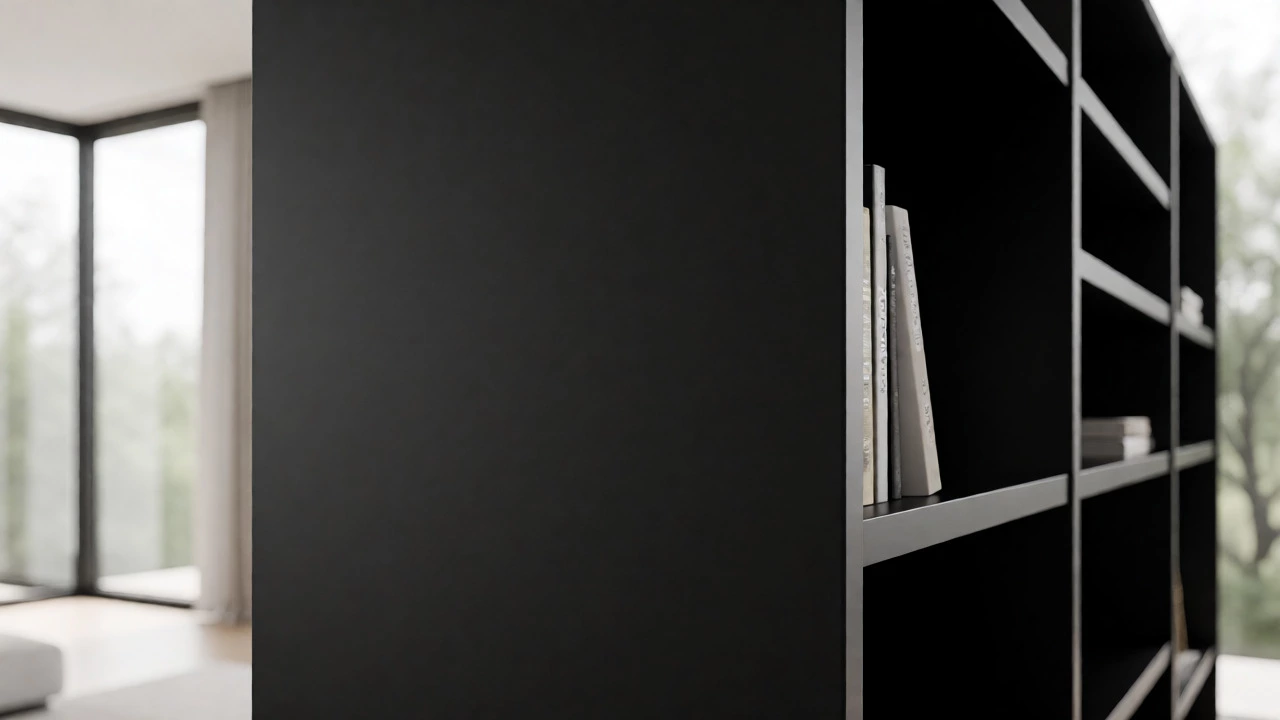
Black BILLY Cost & Value Calculator
Understand why black finishes cost more and calculate if the premium is justified for your specific needs.
Enter your details to see the estimated cost breakdown and value analysis.
You walk into the store, see a sleek Black BILLY bookcase by IKEA that looks modern and sturdy, and then you check the price tag. It’s higher than you expected. Maybe you’re comparing it to a white one, or perhaps you’re just shocked that a simple shelf unit costs what it does. You aren’t alone in wondering this. The question "why are black BILLY bookcases so expensive?" comes up constantly on forums and in living rooms across New Zealand and beyond.
Here is the short answer: they aren't necessarily more expensive because the wood is better. They are expensive because of manufacturing complexity, material choices for durability, and specific finishing processes. But there is more to the story. Let's break down exactly where your money goes when you buy that black box of shelves.
The Material Reality: Particleboard vs. Solid Wood
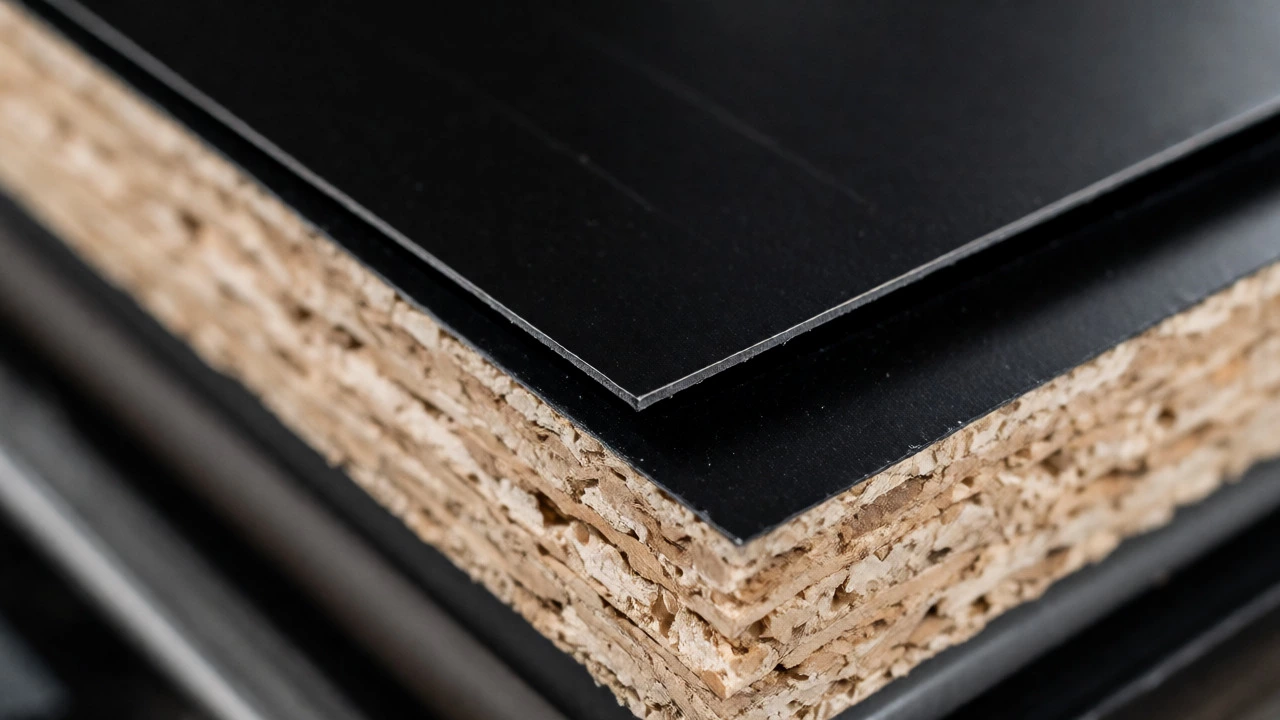
First, let's clear up a misconception. Most people assume a higher price means solid wood. It doesn't. The BILLY is made from particleboard, fiberboard, and paper foil. If you bought a solid oak bookcase, you would pay three times as much. So why does this engineered wood product cost what it does?
The core issue with black finishes is visibility. In a white or light oak finish, small imperfections in the particleboard surface get lost. In black, every bump, scratch, or uneven glue line stands out like a sore thumb. To achieve a uniform matte black look, manufacturers have to use higher-grade substrates. They can't use the cheapest, roughest particleboard available. This increases the raw material cost per sheet before the cutting machines even start humming.
- Substrate Quality: Higher density particleboard resists sagging under heavy books.
- Surface Preparation: More sanding and filling required before printing.
- Waste Rate: Higher rejection rate during quality control for dark colors.
Think about it this way: if you are painting a wall black, you need a primer. Without it, the old color bleeds through, and patches show up. Furniture makers face the same physics. Achieving a consistent, opaque black requires more layers and better base materials than achieving a beige tone.
The Finishing Process: Melamine Foil Technology
IKEA doesn't paint their BILLY units with liquid paint. That would be too slow and prone to chipping. Instead, they use melamine foil a decorative paper layer impregnated with resin and bonded to the board under heat and pressure. This process is called laminating.
For black finishes, the ink formulation is critical. Carbon-based black pigments are excellent at absorbing UV light, which prevents fading. However, these pigments can also make the foil brittle if not mixed correctly. The factory has to balance flexibility (so the edges don't crack when wrapped) with hardness (so the surface doesn't scratch easily). This specialized foil costs more to produce than standard wood-effect foils.
Moreover, the edge banding-the plastic strip covering the cut edges of the board-must match the black finish perfectly. Matching a glossy black edge to a matte black surface is a technical challenge. Mismatches lead to returns. To minimize returns, factories invest in precise calibration equipment. Those capital costs trickle down to the retail price.
Design and Structural Integrity
When you compare a black BILLY to a generic supermarket bookcase, you are paying for engineering. The BILLY design features adjustable shelves and reinforced back panels that prevent racking. Racking is when a bookcase twists sideways because it lacks rigidity. It happens often with cheap units.
The black version undergoes the same rigorous testing as the white one. IKEA subjects these units to weight tests where they load shelves with tons of books to ensure they don't snap. The black finish doesn't change the structure, but the market perception does. Because black is seen as a "designer" choice, consumers expect higher performance. If a black BILLY warped after six months, the brand damage would be severe. Therefore, quality control standards for premium colors are often tighter, adding labor hours to the inspection phase.
| Feature | White BILLY | Black BILLY | Impact on Price |
|---|---|---|---|
| Base Board Grade | Standard Particleboard | High-Density Particleboard | +10-15% Material Cost |
| Foil Complexity | Simple Pigment Mix | UV-Stable Carbon Pigment | +5% Production Cost |
| Edge Banding Match | Easier Tolerance | Tight Color Matching | +3% QC Labor |
| Demand Volume | Very High | Moderate/High | Lower Economies of Scale |
Supply Chain and Logistics
Let's talk about shipping. Flat-pack furniture is an logistics miracle. But black BILLYs often move differently through the supply chain than white ones. White is the default volume seller. Factories run large batches of white to maximize efficiency. Black is produced in smaller, more frequent runs to meet demand without overstocking.
Smaller batch sizes mean less economies of scale. Setting up the lamination press for a new color takes time. Cleaning the rollers between colors takes time. If you only run 500 units instead of 5,000, the setup cost per unit rises significantly. This is a classic manufacturing reality: variety costs money.
Additionally, consider storage. Black surfaces show dust and fingerprints more than textured wood grains. Warehouses must handle these units with extra care to avoid cosmetic damage. If a pallet gets scuffed in transit, the whole unit might be marked down or discarded. These inefficiencies add cents to the dollar, which adds up when you factor in global freight rates.
Is It Worth the Premium?
You might be thinking, "I could find a similar-looking bookcase online for less." Can you? Often, yes. But you need to look at the specs. Many cheaper alternatives use thinner boards (18mm vs 24mm) or weaker back panels. They might use printed cardboard edges instead of durable ABS plastic edging.
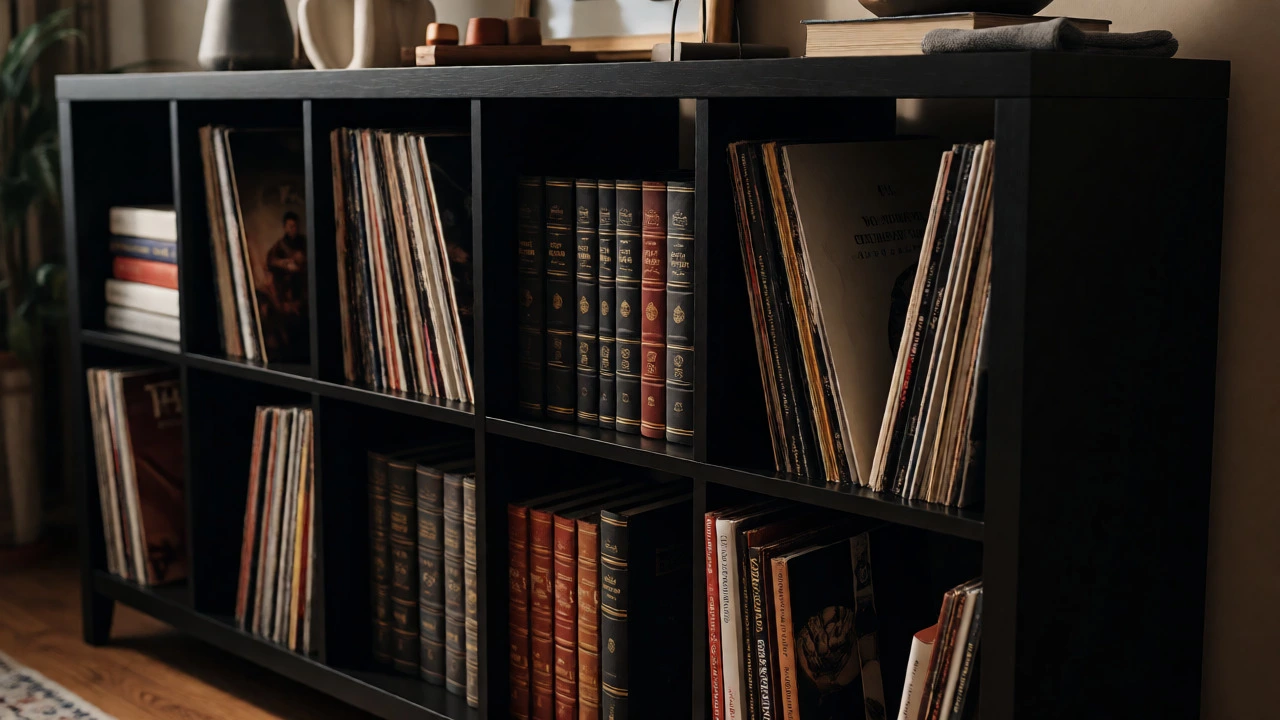
If you plan to fill your black bookcase with encyclopedias, art books, or vinyl records, the structural integrity matters. A sagging shelf ruins the aesthetic of a minimalist black unit faster than any other color. The contrast makes the flaw obvious. For lighter loads, like paperbacks or decor, a cheaper alternative might suffice.
Consider the resale value too. In Wellington, where rental properties are common, a well-maintained black BILLY holds its value better than a worn-out white one. Black hides wear and tear better than white, which yellows over time due to sunlight exposure. If you move in two years, selling a pristine black unit is easier than selling a yellowed white one.
Alternatives to Consider
If the price sticker hurts, here are some strategies to get the look without the full cost.
- Buy the White Version and Paint It: Use a high-quality chalk paint or spray paint designed for laminate. It takes effort, but the material cost is lower. Just know that DIY finishes rarely match factory precision.
- Wait for Sales: IKEA often discounts display models or seasonal items. Check the "As-Is" section in your local store.
- Second-Hand Market: Look on TradeMe or Facebook Marketplace. People upgrade their interiors frequently. You might find a barely used black BILLY for half price.
- Alternative Brands: Compare prices with Kmart or Harvey Norman. Sometimes their proprietary brands offer similar dimensions at lower costs, though durability may vary.
Remember, the most expensive option isn't always the best value. The cheapest option often ends up costing more when you replace it in three years. Find the middle ground that fits your budget and usage needs.
Final Thoughts on Value
The next time you hesitate at the price tag, remember what you're buying. You aren't just buying wood chips glued together. You're buying a product engineered to resist sagging, finished to withstand daily handling, and tested to meet safety standards. The black color demands higher production standards, which drives up the cost.
It’s frustrating when prices rise, especially when inflation hits household budgets hard. But understanding the mechanics behind the price helps you make smarter decisions. Do you need the premium finish? Or will a standard white unit do the job? Only you can decide based on how you live and what you own.
Why is my black BILLY bookcase showing scratches so easily?
Black surfaces highlight physical damage because there is no grain pattern to hide imperfections. Scratches appear as light-colored lines against the dark background. To prevent this, use felt pads under objects and clean with a microfiber cloth rather than abrasive sponges.
Can I paint a white BILLY black myself?
Yes, but preparation is key. You must sand the melamine surface lightly to create tooth for the paint to grip. Then apply a bonding primer followed by multiple thin coats of enamel or acrylic paint. Allow full curing time before loading shelves to avoid sticking.
Do black bookcases fade in sunlight?
All colored finishes can fade over time due to UV exposure. However, modern melamine foils contain UV stabilizers. Black tends to retain its appearance longer than bright colors or whites that yellow, but direct afternoon sun should still be avoided or mitigated with curtains.
Is the black BILLY stronger than the white one?
Structurally, they are identical. Both use the same thickness of particleboard and the same internal construction methods. The difference lies solely in the surface finish and the grade of substrate used to ensure the black color remains uniform.
How do I remove dust from a black BILLY?
Use a dry microfiber cloth or a feather duster. Avoid wet cloths unless necessary, as water spots are highly visible on black. If you must use moisture, wring the cloth out thoroughly and dry immediately with a second clean cloth.