Ghost Sofa Suitability Calculator
Answer these questions to see how well a ghost sofa fits your lifestyle.
Compatibility Score
Select Options
Make your selections and click calculate to see if a ghost sofa is right for you.
Key Factors:
- • Waiting for input...
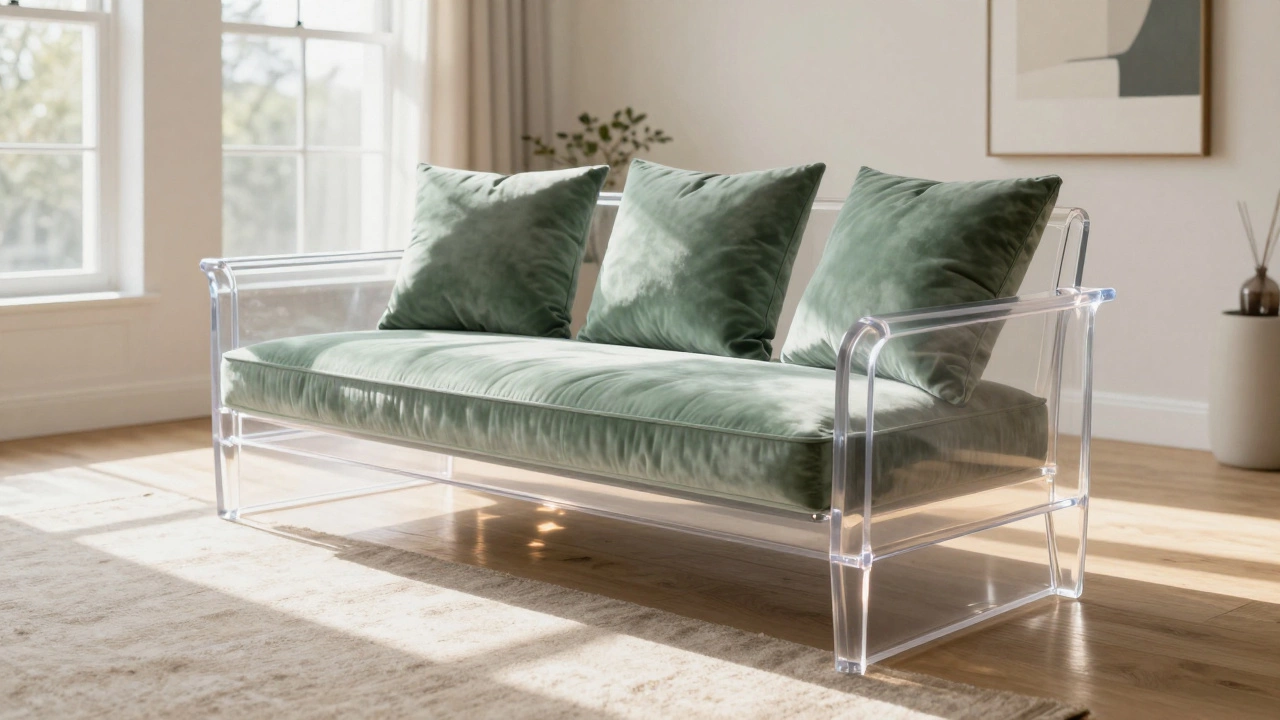
You walk into a room and feel like you’re sitting on air. There’s no bulky frame blocking your view, no heavy visual weight anchoring the space down. Just a sleek, see-through seat that seems to float. This isn’t magic-it’s a ghost sofa. If you’ve scrolled through interior design feeds lately, you’ve probably seen them: chairs, sofas, and even beds made entirely of clear material. But what exactly are they, how do they work, and more importantly, will they survive your living room?
The term "ghost" refers to the ethereal, invisible quality of the furniture. It doesn't mean the piece is literally haunted or completely weightless. Instead, it describes the optical illusion created by high-clarity materials like acrylic, polycarbonate, or tempered glass. These materials allow light to pass through with minimal distortion, making the structure appear nearly non-existent against most backgrounds.
The Anatomy of a Ghost Sofa: Materials That Matter
Not all clear furniture is created equal. When we talk about ghost furniture, we are usually discussing three main materials, each with distinct pros and cons.
Acrylic (Plexiglass) is the most common material for ghost furniture due to its clarity and durability. It is lightweight, shatter-resistant compared to glass, and can be molded into smooth, curved shapes. High-quality cast acrylic offers better optical clarity than extruded sheets, meaning less yellowing over time.
Polycarbonate is an impact-resistant plastic often used in commercial settings. It is tougher than acrylic but can scratch more easily if not treated with a hard coat. You’ll often find this in high-traffic areas where durability trumps perfect clarity.
Tempered Glass is used for heavier, more substantial ghost pieces. While it looks stunning, it is significantly heavier and requires robust metal supports hidden within the joints. It also carries a higher risk of breakage if impacted sharply, though tempered glass shatters into small, dull pieces rather than sharp shards.
| Material | Clarity | Durability | Weight | Best For |
|---|---|---|---|---|
| Acrylic | High | Moderate (Scratch-prone) | Light | Home use, small spaces |
| Polycarbonate | Good | High (Impact-resistant) | Medium | Commercial, high traffic |
| Tempered Glass | Very High | High (Shatter-safe) | Heavy | Luxury interiors, statement pieces |
Why Choose a Ghost Sofa? The Design Benefits
The primary reason people buy ghost furniture is spatial perception. In smaller apartments or rooms with limited natural light, traditional wooden or fabric sofas can make the space feel cramped and dark. A ghost sofa eliminates visual clutter. Because your eye can see through the legs and backrest, the floor area appears larger, and light bounces around the room more freely.
This effect is particularly powerful in open-plan living areas. Imagine a dining chair set at a kitchen island. A solid wood chair blocks the sightline between the cook and the guests. A ghost chair keeps the connection open. It’s a subtle psychological trick that makes interactions feel more fluid.
Another benefit is versatility. Clear furniture acts as a chameleon. It doesn’t compete with your rug, walls, or art. Whether you have a mid-century modern vibe, an industrial loft, or a minimalist Scandinavian setup, a ghost sofa blends in without shouting for attention. It allows other design elements to take center stage.
The Dark Side: Maintenance and Realities
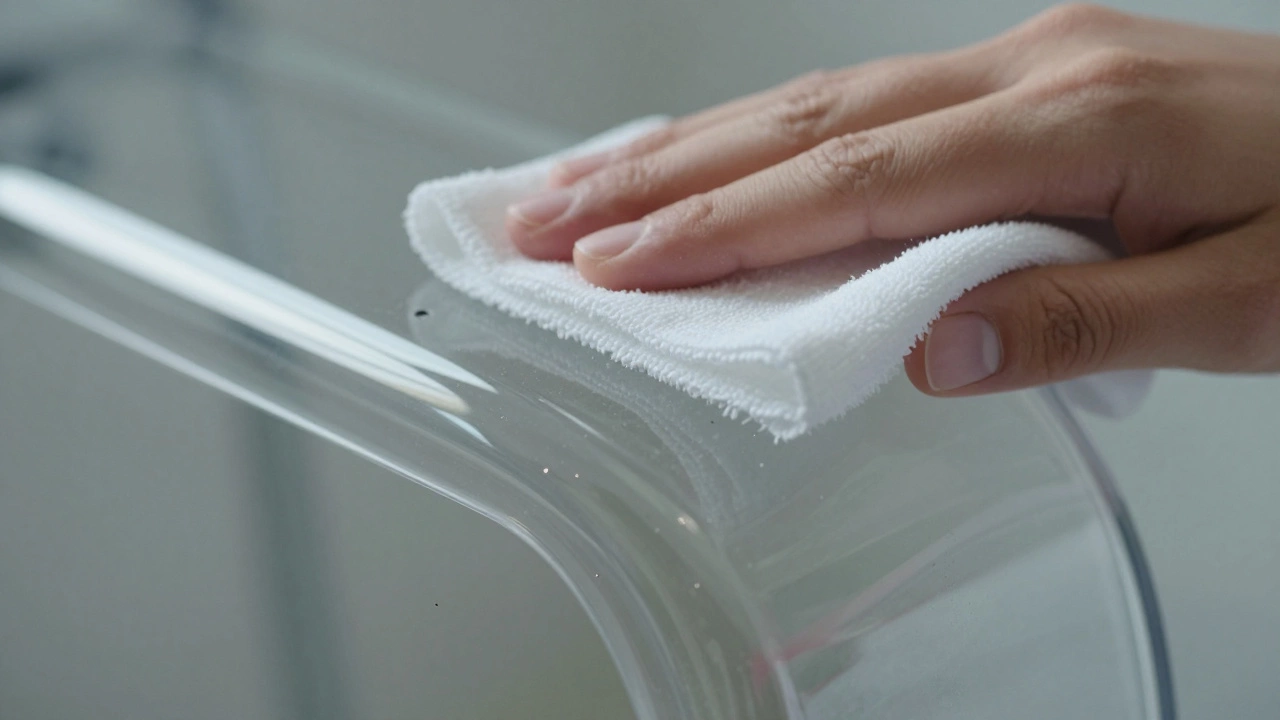
Let’s be honest: ghost furniture is high-maintenance. If you think buying one means you can forget about cleaning, you’re in for a surprise. Clear surfaces show everything. Fingerprints, dust, pet hair, and water spots are instantly visible. A smudge on a leather sofa might go unnoticed; a smudge on an acrylic armrest is glaringly obvious.
Scratches are the enemy. Standard household cleaners often contain ammonia or abrasives that can haze acrylic permanently. You need specific microfiber cloths and mild soap solutions. Even then, fine scratches accumulate over years, giving the piece a cloudy appearance. Some manufacturers offer protective coatings, but these wear off too.
Comfort is another variable. Acrylic and glass don’t breathe. In hot climates, sitting directly on clear plastic can get sticky. Most ghost sofas come with cushions to mitigate this, but if those cushions slip or are removed, the underlying material can be unforgiving. Also, consider noise. Hard plastic on hardwood floors can create a hollow thud when you sit down or stand up. Floor protectors are essential.
Ghost Sofas vs. Sofa Beds: A Functional Twist
You mentioned sofa beds in your search context. Can a ghost sofa double as a bed? Yes, but it comes with engineering challenges. Traditional sofa beds rely on hidden metal frames and mechanisms tucked inside wooden boxes. With a ghost sofa, there is no box to hide things in.
Manufacturers solve this by using thick, reinforced acrylic panels that act as structural supports. The mechanism must be compact and often integrated into the base or the backrest. Look for models with "click-clack" mechanisms or simple fold-out designs rather than complex pull-outs. Pull-outs require significant depth and internal clearance that transparent materials struggle to conceal aesthetically.
If you need a guest bed, a ghost sofa bed is stylish but may sacrifice some mattress thickness for the sake of the clear aesthetic. Expect a firmer sleep surface compared to a plush upholstered sleeper. Always check the weight capacity and ease of conversion before buying.
Styling Tips: Making the Invisible Work
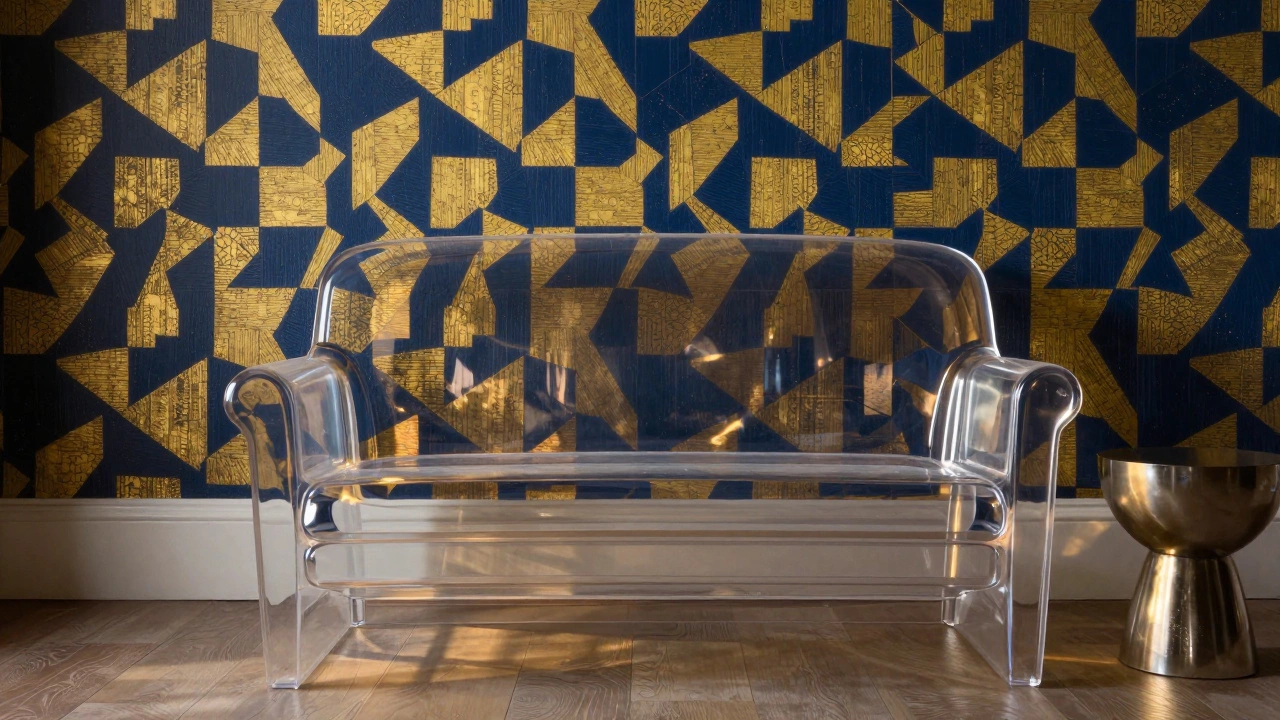
To get the most out of a ghost sofa, you need to play with contrast. Place it against a patterned wallpaper or a textured rug. The transparency creates layers, allowing the background to peek through the foreground. Avoid placing it against plain white walls unless you want it to disappear completely-which might look like a mistake rather than a design choice.
Use colorful cushions. Since the frame is neutral, your throw pillows become the focal point. Swap them out seasonally to change the mood without replacing the furniture. Add a metallic side table next to it to reflect light and enhance the modern feel.
Consider the lighting. Direct sunlight can cause acrylic to heat up and potentially warp over decades. More immediately, strong backlighting can create lens-like distortions. Position your ghost sofa so that light hits it from the side or front, not directly behind it.
Who Should Buy One?
Ghost sofas are ideal for:
- Small Space Dwellers: Those needing to maximize perceived square footage.
- Minimalists: People who prefer clean lines and lack of visual noise.
- Renters: They are lightweight and easy to move, plus they don’t stain carpets like dark fabrics can.
- Design Enthusiasts: Individuals looking for a conversation starter that defies traditional norms.
They are likely not ideal for:
- Pet Owners: Claws will scratch the surface relentlessly.
- Young Families: Kids spill things, drop toys, and climb on furniture. Acrylic shows every mark.
- Budget-Conscious Buyers: High-quality clear furniture is expensive due to manufacturing complexity.
Frequently Asked Questions
Is a ghost sofa durable enough for daily use?
Yes, if made from high-quality cast acrylic or polycarbonate. These materials are resistant to breaking under normal weight. However, they are susceptible to scratching. Daily use requires careful maintenance to keep the surface clear and pristine. Avoid dragging objects across the arms or seat.
How do I clean a ghost sofa without damaging it?
Use a soft microfiber cloth dampened with warm water and a few drops of mild dish soap. Wipe gently in circular motions. Dry immediately with a separate dry microfiber cloth to prevent water spots. Never use ammonia-based cleaners, alcohol, or abrasive sponges, as these will cloud the acrylic permanently.
Do ghost sofas turn yellow over time?
Lower-quality extruded acrylic can yellow due to UV exposure and oxidation. Cast acrylic and polycarbonate with UV inhibitors resist yellowing much better. To prolong clarity, avoid placing the sofa in direct, harsh sunlight for extended periods. Rotate cushions regularly to ensure even exposure.
Can a ghost sofa be used as a sofa bed?
Yes, specialized ghost sofa beds exist. They typically feature a reinforced acrylic base and a simplified folding mechanism. Because the frame is transparent, the internal mechanics are often visible, which adds to the industrial aesthetic. Ensure the model has adequate support bars to prevent sagging when used as a bed.
Are ghost sofas comfortable to sit on?
The comfort depends largely on the cushions. The acrylic or glass itself is hard and cold. Most ghost sofas come with removable, upholstered cushions that provide the actual seating comfort. Without cushions, they are uncomfortable for long periods. Check the density of the foam in the cushions when purchasing.
Where should I place a ghost sofa in my home?
Place it in areas where you want to maintain sightlines, such as entryways, small dining nooks, or open-plan living rooms. It works well against busy patterns or textures to create visual interest. Avoid placing it in very dark corners where it might blend in too much and look like empty space.