Home Resale Risk Evaluator
Select a house style or feature you are concerned about to see its impact on marketability and how to fix it.
Split-Level
High Fix DifficultyChoppy layouts and fragmented flow.
McMansion
Med Fix DifficultyInefficient space and oversized footprints.
Hyper-Themed
Low Fix DifficultyOverly specific niche interior designs.
Ultra-Open Plan
Med Fix DifficultyLack of privacy and acoustic control.
Dark Core/Bunker
High Fix DifficultyPoor natural light and claustrophobic feel.
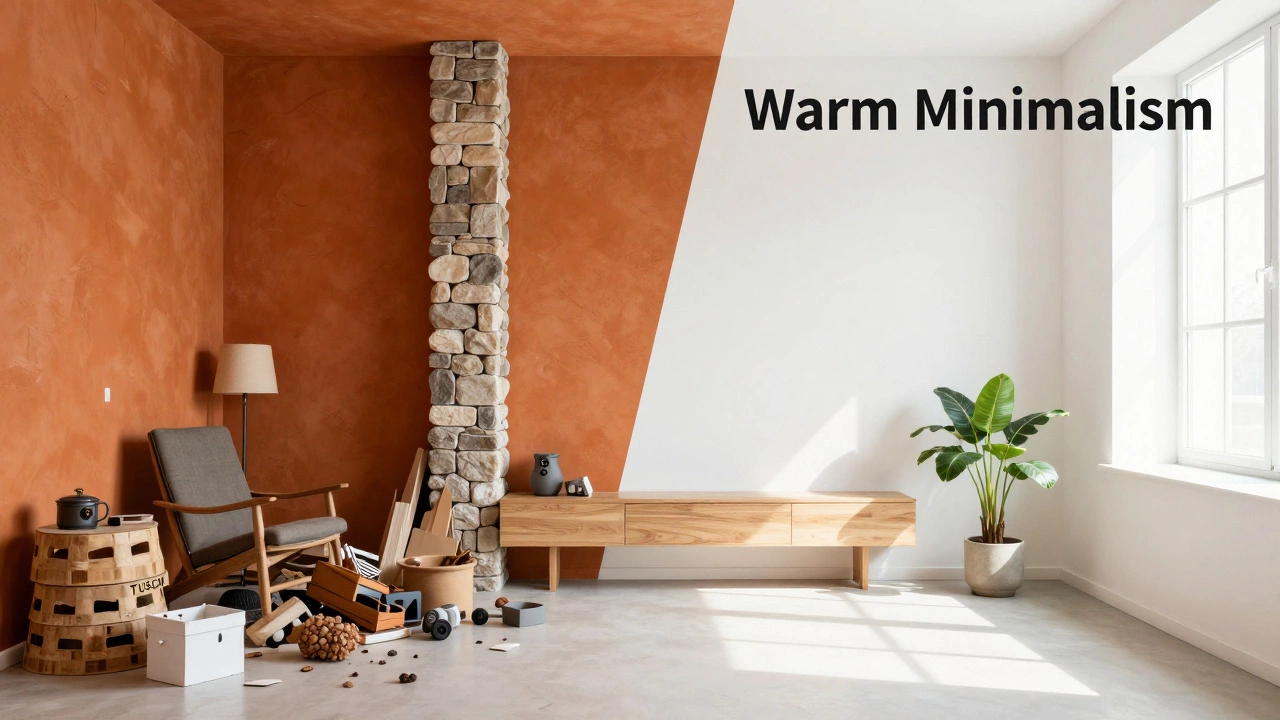
Warm Minimalism
Ideal StyleThe current gold standard for resale.
Market Impact
Pivot Strategy
Quick Summary: Styles to Watch Out For
- Split-level homes: Often disliked for their choppy layouts and stair-heavy transitions.
- Overly themed interiors: Houses that look like a movie set (e.g., nautical or rustic overkill) are hard to neutralize.
- The 'McMansion': Large, mismatched styles with inefficient room usage.
- Extreme Open Concepts: The lack of privacy is starting to drive buyers back to defined rooms.
The Struggle with Split-Level Layouts
For many, the Split-Level House is the ultimate villain of residential architecture. Defined as a home where the floor levels are staggered, typically with a half-flight of stairs between the entrance, living area, and bedrooms, these homes were huge in the mid-century era. But today? People hate them.
Why? Because they break the flow of a home. Imagine trying to carry a laundry basket or a vacuum cleaner up and down three different sets of stairs just to get from the kitchen to the bedroom. It's exhausting. For families with toddlers or elderly parents, these half-levels are more than just an annoyance-they are safety hazards. In a recent real estate analysis, agents noted that split-levels often sit on the market 15% longer than traditional ranch or two-story homes because buyers struggle to visualize how to furnish a room that is effectively 'half-up' a staircase.
The McMansion Trap
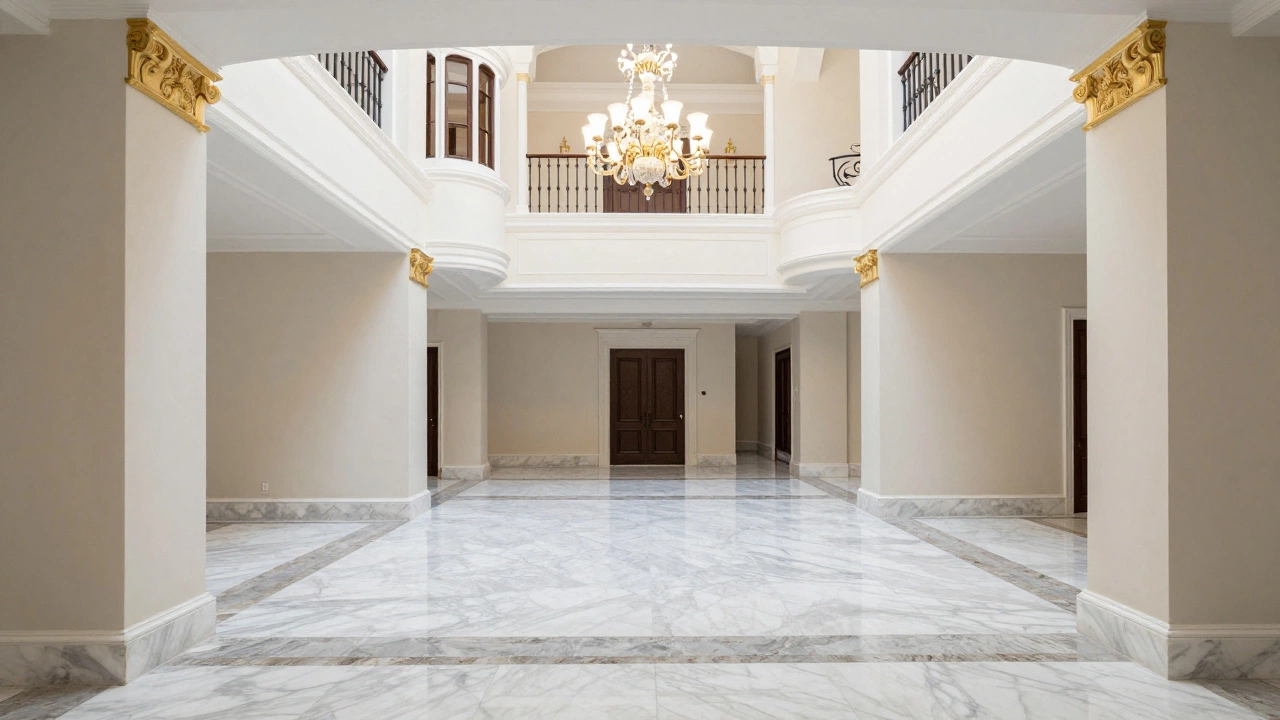
Then we have the McMansion. This isn't a formal architectural style, but rather a category of oversized, mass-produced luxury homes that prioritize square footage over design quality. You've seen them: huge houses with three different types of rooflines, a random turret that serves no purpose, and a foyer that is larger than most city apartments.
These homes are often considered undesirable because they are expensive to maintain and inefficient to heat and cool. Who actually needs a 400-square-foot formal dining room that is used twice a year? Modern buyers want functional spaces. When a house is designed around "status" rather than "livability," it feels cold and cavernous. The lack of a cohesive aesthetic makes them feel like a collection of random rooms rather than a home, which significantly hurts the least desirable house styles rating in the eyes of design professionals.
The Danger of Hyper-Themed Interiors
Architecture is one thing, but interior style can be a total dealbreaker. We are talking about the "Theme House." This is when a homeowner goes all-in on a specific vibe-think a " Tuscan Villa" with orange textured walls and faux-stone pillars in every room, or a "Nautical Retreat" where every single piece of furniture is navy blue with an anchor on it.
When a home is too specific, it stops being a blank canvas and starts being a chore. A buyer doesn't just see a house; they see a massive renovation project. They think, "I have to rip out all these faux-beams and repaint every single wall just to make it livable." The more a home reflects a very specific, niche personality, the smaller the pool of potential buyers becomes. The gold standard for resale is now "Warm Minimalism," which focuses on neutral tones and clean lines that allow the next owner to project their own life onto the space.
The 'Too Open' Floor Plan
For a decade, the "Open Concept" was the holy grail. We tore down walls until the kitchen, dining room, and living room were essentially one giant warehouse. However, we've hit a tipping point. The Open Concept, while great for parties, is proving to be a nightmare for daily living.
Think about the noise. If someone is frying bacon in the kitchen, the person trying to read in the living room hears every sizzle. If a child is gaming in the lounge, the entire house vibrates with the sound. We are seeing a massive shift toward "broken-plan living," where a few strategic walls or shelving units create zones. Homes that are *too* open are now seen as lacking privacy and acoustic control, making them less desirable for remote workers who need a quiet corner to take a Zoom call without the whole house joining in.
| Style/Feature | Main Drawback | Impact on Value | Fix Difficulty |
|---|---|---|---|
| Split-Level | Poor Flow / Accessibility | Moderate Drop | High (Structural) |
| McMansion | Inefficiency / Lack of Soul | High (Longer Sale Time) | Medium (Cosmetic) |
| Hyper-Themed | Niche Appeal | Variable | Low (Paint/Decor) |
| Ultra-Open Plan | Noise / No Privacy | Slight Drop | Medium (Adding Walls) |
The Forgotten Basements and 'Dark Rooms'
Another major red flag for buyers is the Finished Basement that feels like a bunker. Many older homes have these subterranean levels with tiny windows and oppressive ceilings. While adding square footage is usually a plus, a basement that is poorly integrated into the home-complete with old wood paneling and a musty smell-actually detracts from the home's appeal.
Modern buyers prioritize natural light. If a house has a "dark core"-a central area where no sunlight ever reaches-it feels claustrophobic. This is why homes with narrow hallways and small, choppy rooms are currently out of favor. The trend has moved toward Biophilic Design, which emphasizes the connection between the indoors and outdoors. A house that feels like a cave is a hard sell in a market that prizes wellness and brightness.
How to Pivot an Undesirable Style
If you find yourself owning one of these styles, don't panic. You can't easily change a split-level floor plan, but you can change the perception. The key is "neutralizing." For a themed house, this means a fresh coat of white or light grey paint and removing any permanent fixtures that are too specific. For a McMansion, it's about creating "zones." Instead of one giant, empty room, use area rugs and furniture placement to create smaller, more intimate conversation areas.
For those struggling with the lack of privacy in an open plan, consider adding sliding barn doors or double-sided bookcases. These provide a visual and acoustic barrier without requiring a full construction crew to rebuild the house. The goal is to move the home away from whatever "extreme" it currently occupies and move it toward a balanced, functional space.
Is a split-level home always a bad investment?
Not necessarily. While they are generally less desirable, they often offer more square footage for the money. If you can find a split-level in a prime location with a great price, the location will usually outweigh the layout issues in the long run.
What is the quickest way to fix a "themed" house?
Paint is your best friend. Neutralizing the walls removes the immediate visual shock of a theme. After that, replace the most "extreme" light fixtures and hardware. Once the permanent fixtures are neutral, the house feels like a blank canvas again.
Why are McMansions becoming less popular?
People are moving away from "conspicuous consumption." The giant, impersonal rooms of a McMansion don't align with the current desire for cozy, intentional, and sustainable living. Energy costs for heating these massive, inefficient spaces have also made them less attractive.
Can an open floor plan be fixed without tearing down walls?
Yes. You can use "visual anchors" like large rugs, different flooring materials for different zones, and tall shelving units to create a sense of separation and privacy without needing a contractor.
Does a dated style always lower the price?
It usually lowers the *asking* price or increases the time it takes to sell. However, some buyers look for "ugly" houses specifically to flip them. The real danger is when a style is not just dated, but structurally annoying (like the split-level), which limits the number of people who can actually live comfortably in the space.
Next Steps for Homeowners
If you're worried your home falls into one of these categories, start with a "walk-through" from a stranger's perspective. Walk through your front door and ask: "Does this room have a purpose, or is it just space?" and "Does this decor tell a story about me, or does it tell a story about a specific theme?"
For those in the process of buying, look past the ugly wallpaper or the weird paint colors. You can fix those. Instead, focus on the layout. You can't "paint away" a split-level floor or a lack of windows in a dark core. Prioritize homes with good "bones"-strong layouts and plenty of light-because those are the attributes that will always stay in demand, regardless of the current design trends.