The Home Space & Cost Analyzer
Input Your Space Data
Include closets, bulky cabinets, and dedicated storage rooms.
Analysis Results
Enter your details and click calculate to see the 'Space Tax' impact.
If you're wondering why your home still feels cluttered despite having plenty of cupboards, you're likely dealing with the psychological and physical traps of residential storage. While it seems convenient to have everything within arm's reach, the reality often involves wasted square footage and a constant battle against chaos.
The Space Tax: Losing Your Living Area
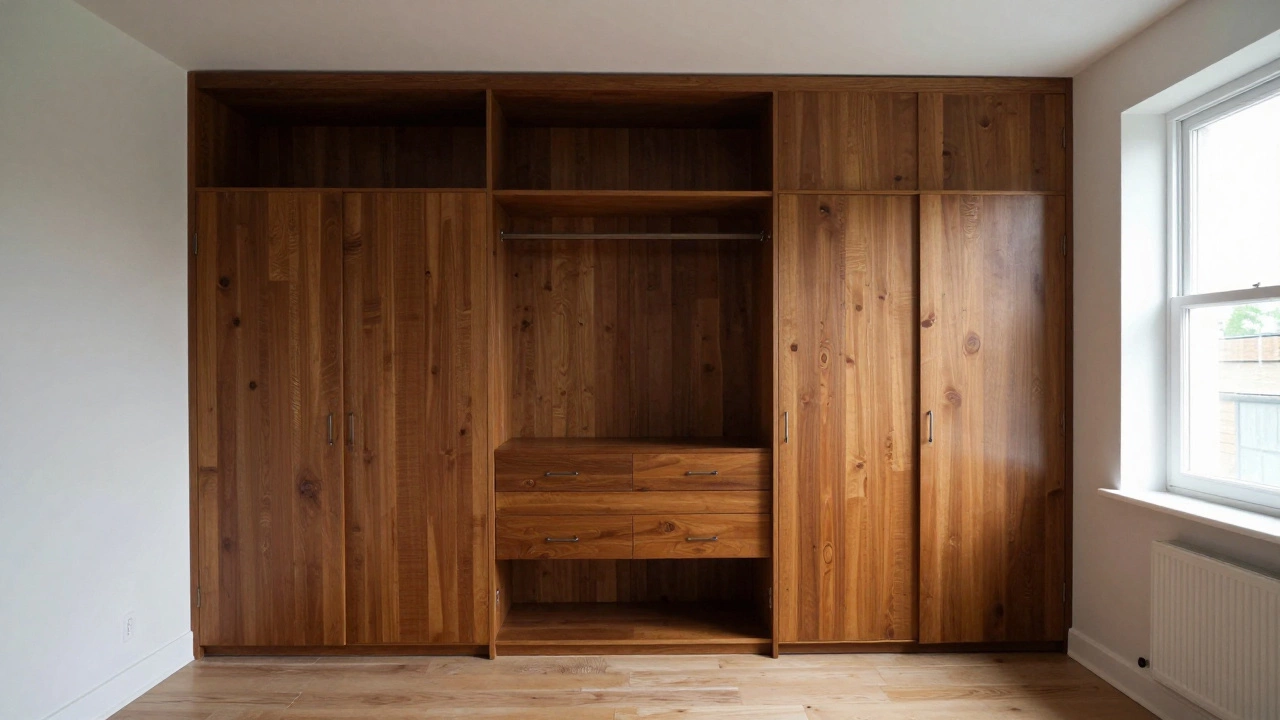
Every inch of your home used for storage is an inch you can't use for living. Think about a massive built-in wardrobe that takes up an entire wall of a bedroom. While it holds all your clothes, it also kills the flow of the room. You're essentially paying your mortgage or rent for a storage locker that happens to have a bed next to it. When we prioritize storage over open space, we often sacrifice the very thing that makes a home feel relaxing: breathing room.
Consider a common scenario: a homeowner installs a large Pantry to keep their kitchen organized. While the 20 extra shelves are great for bulk buying, they might have taken over a corner that could have been a cozy reading nook or a dedicated workspace. This is the "space tax." You aren't just losing floor area; you're losing the versatility of your home. Once you commit a section of a room to permanent storage, it's incredibly hard to repurpose that space for anything else without a costly renovation.
The Accumulation Trap and the Psychology of Plenty
There is a psychological phenomenon where having available storage encourages you to keep things you don't actually need. If you have a massive attic or a deep basement, you're far less likely to throw away that broken toaster or the clothes that haven't fit since 2015. "I have plenty of room for it" becomes the mantra that justifies hoarding.
This creates a cycle of clutter. You buy a new Storage Unit (like a plastic shelving rack) to organize your garage. Because you now have organized shelves, you feel you have room for more tools. Within six months, those shelves are overflowing, and you're looking for a second rack. The storage doesn't solve the problem of too many things; it just hides the problem until it becomes an emergency. This is why some people find that minimalist living is only possible once they actually *reduce* their storage capacity, forcing them to be intentional about what enters the home.
Maintenance Burden and the Search Cost
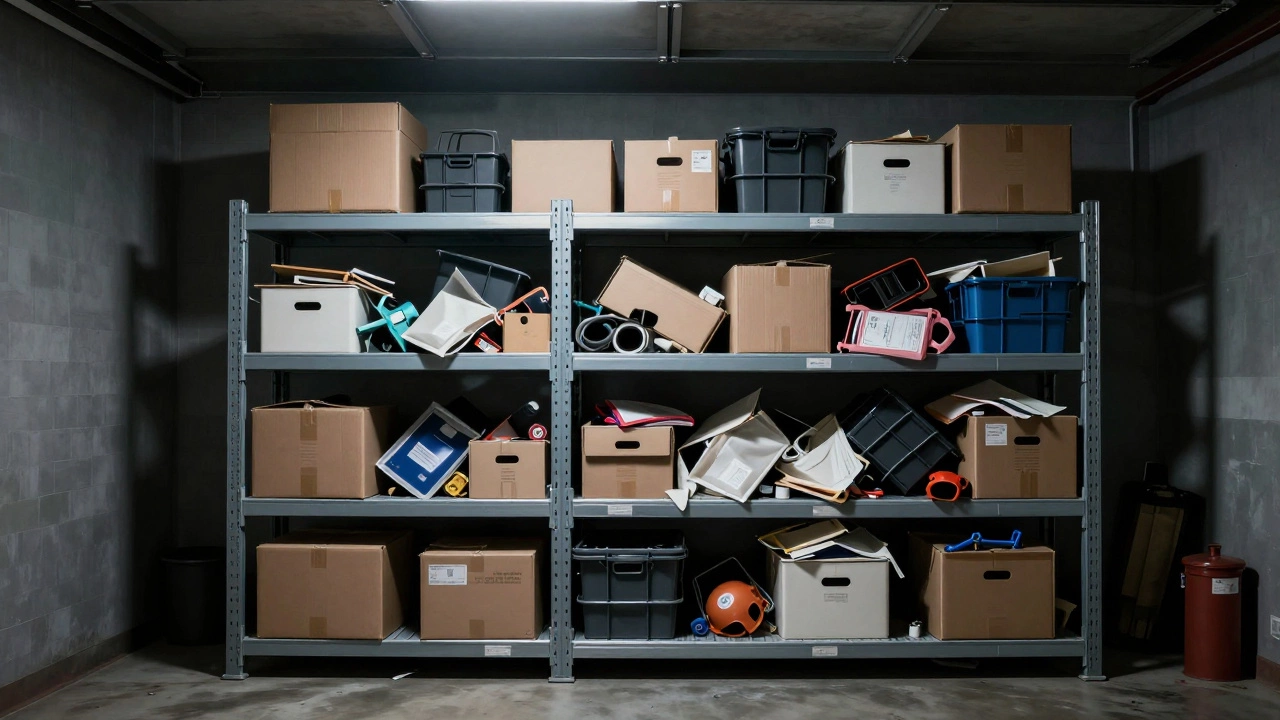
Having things in-house sounds convenient, but only if you know exactly where they are. As your internal storage grows, so does the "search cost"-the time and mental energy spent hunting for a specific item. We've all been there: you know the holiday decorations are in the basement, but they're buried under three other boxes in a dark corner.
The physical effort of maintaining these systems is another hidden cost. You have to dust the top of those high shelves, vacuum the corners of the walk-in closet, and occasionally reorganize the entire system when it inevitably collapses under its own weight. When storage is managed poorly, you end up with "dead zones"-areas at the very back of deep cabinets where items go to be forgotten. You might buy a new blender only to find the one you lost three years ago while cleaning out the cupboard during a spring clean.
Comparing In-House vs. External Storage
Deciding whether to keep everything at home or move some items out depends on how often you actually use them. If you're struggling with a cramped living room, it might be time to look at the trade-offs.
| Feature | In-House Storage | External Storage (Self-Storage) |
|---|---|---|
| Accessibility | Instant access | Requires travel time |
| Cost | Free (after setup) | Monthly subscription fee |
| Home Feel | Can feel cramped/cluttered | Increases living space/airiness |
| Maintenance | You manage everything | Facility manages security/structure |
| Psychology | Encourages accumulation | Creates a boundary for belongings |
The Risk of Permanent Clutter and Home Value
From a real estate perspective, too much internal storage can actually be a drawback. While "lots of closets" is often a selling point, over-built storage can make a room feel small and dated. Huge, heavy Built-in Furniture can limit a new buyer's ability to arrange a room to their liking. If you've turned a spare bedroom into a dedicated storage room, you've effectively lowered the bedroom count of your home, which can directly impact the market value.
Moreover, there's the risk of structural strain. Heavy shelving units loaded with books or equipment can put significant weight on floor joists, especially in older homes. Overloading a balcony or an attic with heavy storage boxes isn't just a clutter issue; it's a safety concern. When we treat our homes as warehouses, we forget that residential buildings aren't designed for high-density industrial storage.
Environmental and Financial Waste
When we have too much in-house storage, we lose track of what we own. This leads to "duplicate buying." Have you ever bought a pack of batteries or a specific tool only to find three more of them hidden in a different storage bin later? This is a direct financial loss caused by an inefficient storage system. The more you hide, the more you forget, and the more you spend.
There's also the environmental impact. Keeping items "just in case" in a garage or basement often means those items never get recycled or donated. They sit in a dark corner for a decade, degrading, until they eventually become true trash rather than reusable goods. By limiting our in-house storage, we're forced to evaluate the lifecycle of our belongings more critically.
How to Break the Storage Cycle
If you've realized that your storage solutions are actually making your life harder, the answer isn't to buy a better organizer. The answer is to reduce the volume of things. Start by implementing a strict "one-in, one-out" rule. If a new piece of clothing enters your wardrobe, an old one must leave. This prevents the storage from expanding beyond its capacity.
Another effective strategy is the "container principle." Instead of thinking, "I need more shelves," decide that your items must fit within a specific number of bins. Once the bins are full, you can't add more without removing something. This shifts the power from the objects to the space. By treating your home's square footage as a precious resource rather than a place to stash things, you can reclaim your living area and your peace of mind.
Does having more storage actually make me buy more stuff?
Yes, this is often called the "storage paradox." When you have empty shelf space, your brain perceives it as a need to be filled. This reduces the friction of buying new items because you aren't worried about where they will go, leading to a cycle of accumulation and subsequent need for even more storage.
What is the best way to deal with seasonal items without cluttering the house?
The most effective way is to use vacuum-sealed bags to minimize volume and store them in non-living areas like an attic or basement. However, if those areas are already full, consider a small external storage unit or donating items you haven't used in two consecutive seasons.
Can too many built-in closets lower my home's value?
While storage is generally a plus, oversized or awkwardly placed built-ins can make a room feel smaller and less flexible. Modern buyers often prefer open, airy spaces and the ability to customize their own furniture layout rather than being locked into a 1990s-style wall-to-wall storage system.