Flooring Durability & Cost Calculator
Configuration
Adjust the settings below to see how different factors affect your flooring choice.
Most homeowners make a mistake when they start renovating. They pick the floor that looks best in the catalog, not the one that survives real life. You want a surface that handles dropped keys, muddy boots, and heavy furniture without cracking or fading after three years. The question isn't just about aesthetics; it's about lifespan. If you are asking what type of flooring lasts the longest, you are looking for materials that defy time and wear.
The answer depends on how you define "lasting." Does it mean never needing replacement? Or does it mean staying beautiful for decades with minimal care? Some floors last forever but look dated. Others stay stylish but need refinishing every ten years. We will break down the top contenders based on pure durability, maintenance needs, and real-world performance.
Quick Summary: Key Takeaways
- Concrete is the undisputed king of longevity, often lasting the lifetime of the building itself if sealed properly.
- Porcelain Tile offers near-infinite durability against scratches and water, making it ideal for high-traffic areas.
- Solid Hardwood can last centuries because you can sand and refinish it repeatedly, unlike engineered wood which has a limited veneer depth.
- Luxury Vinyl Plank (LVP) provides excellent resistance to moisture and scratches for a fraction of the cost, though it may eventually need full replacement.
- Avoid laminate and carpet if maximum lifespan is your primary goal, as both degrade faster under heavy use.
The Gold Standard: Concrete Flooring
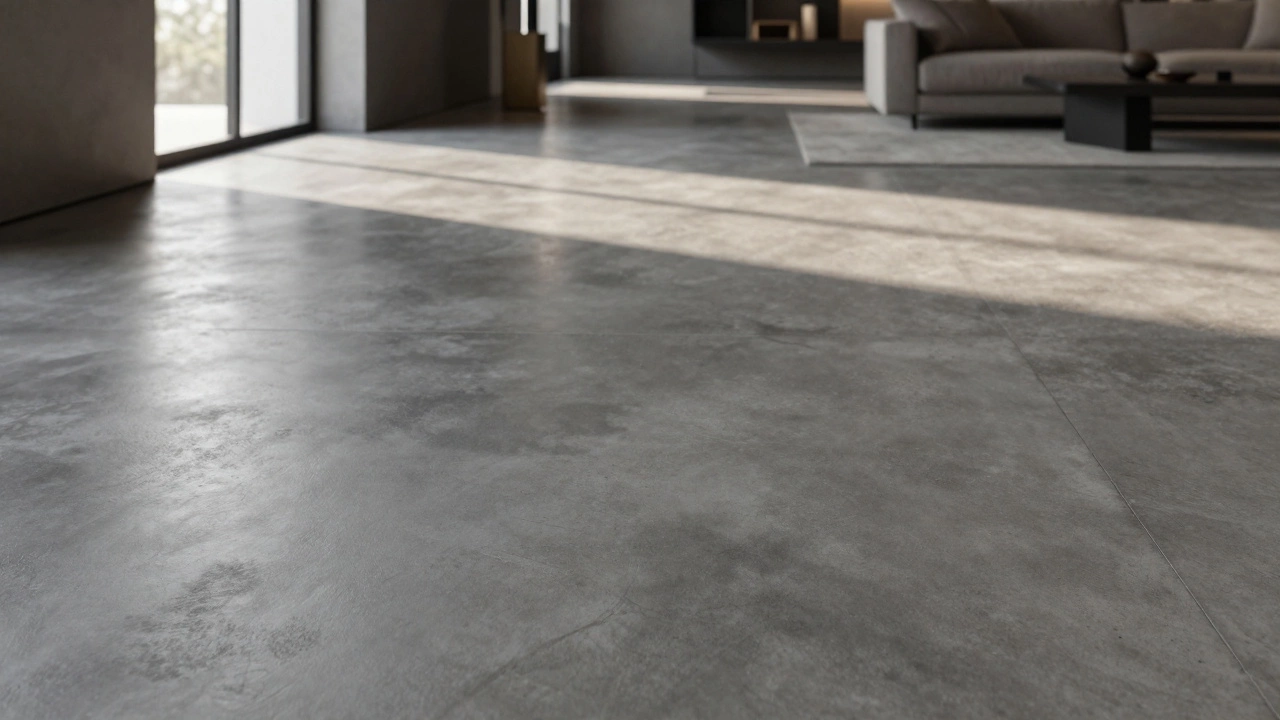
If you want a floor that outlives you, your children, and possibly your grandchildren, Polished Concrete is a durable, low-maintenance flooring solution made by grinding and polishing existing concrete slabs. It is not just an industrial choice anymore. Modern homes use it for its sleek, minimalist look and incredible toughness. Concrete is essentially rock-hard. It does not rot, warp, or burn. In fact, it adds thermal mass to your home, helping regulate temperature.
The lifespan of a well-installed concrete floor is effectively infinite. It doesn't wear out; it might just get scratched over decades, but those scratches can be polished away. The main downside is comfort. It is hard underfoot and cold. However, radiant heating systems solve the temperature issue. From a purely structural standpoint, nothing beats it. It requires sealing every few years to prevent stains, but that is minor compared to replacing other floors.
Porcelain Tile: The Scratch-Resistant Champion
Porcelain Tile is a dense, vitrified ceramic material fired at high temperatures, known for extreme hardness and water resistance. Unlike standard ceramic tile, porcelain is less porous and much harder. This makes it the go-to choice for entryways, kitchens, and bathrooms where mud, water, and heavy foot traffic collide.
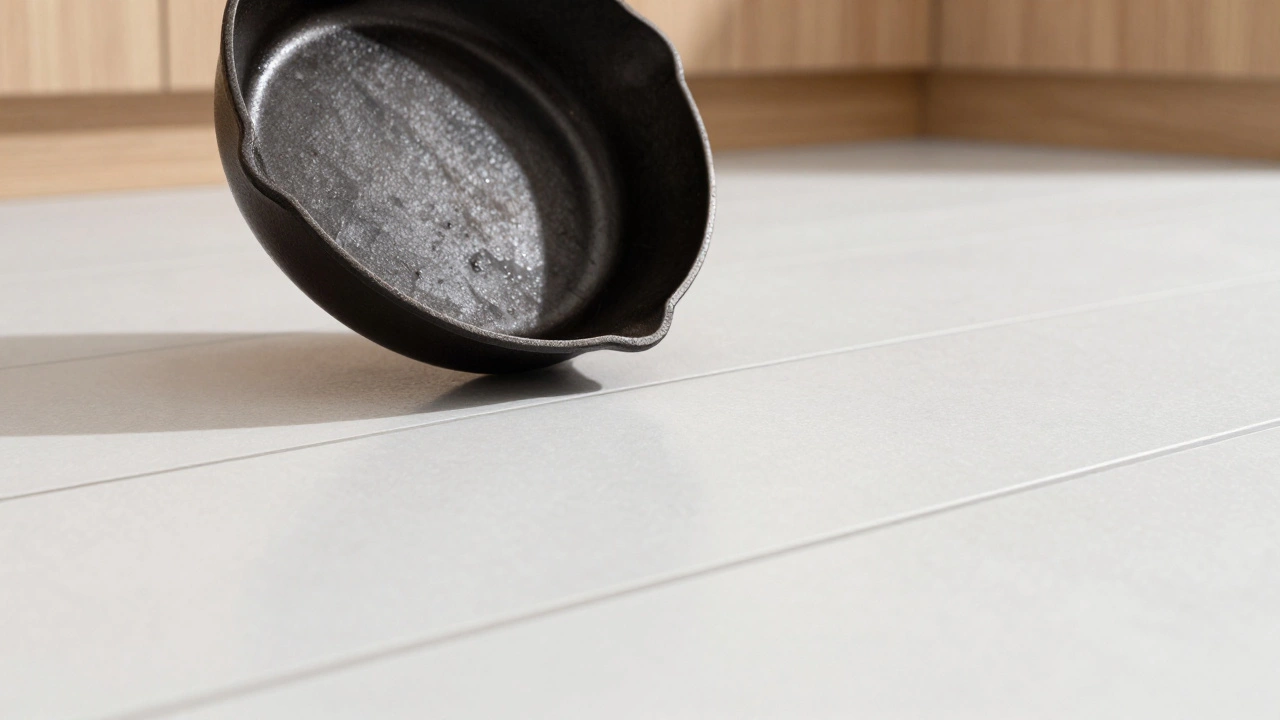
You can drop a cast-iron skillet on porcelain, and the floor will likely survive better than the pan. High-quality porcelain tiles have a PEI rating (Porcelain Enamel Institute) of 4 or 5, meaning they withstand commercial-grade abuse. While individual tiles can crack if hit with sharp, concentrated force, the surface itself resists scratching from pet claws and moving furniture. With proper grout maintenance, a porcelain floor can easily last 50 to 100 years. The key here is installation quality. If the subfloor moves, the tiles will crack. So, ensure your installer uses a level, stable base.
| Material | Average Lifespan | Water Resistance | Scratch Resistance | Maintenance Level |
|---|---|---|---|---|
| Polished Concrete | Indefinite | High (when sealed) | Very High | Low |
| Porcelain Tile | 50-100+ Years | Extremely High | Very High | Low |
| Solid Hardwood | 75-200+ Years | Low | Moderate | Moderate |
| Luxury Vinyl Plank | 15-30 Years | High | High | Low |
| Engineered Wood | 20-50 Years | Moderate | Moderate | Moderate |
Solid Hardwood: The Refinishing Advantage
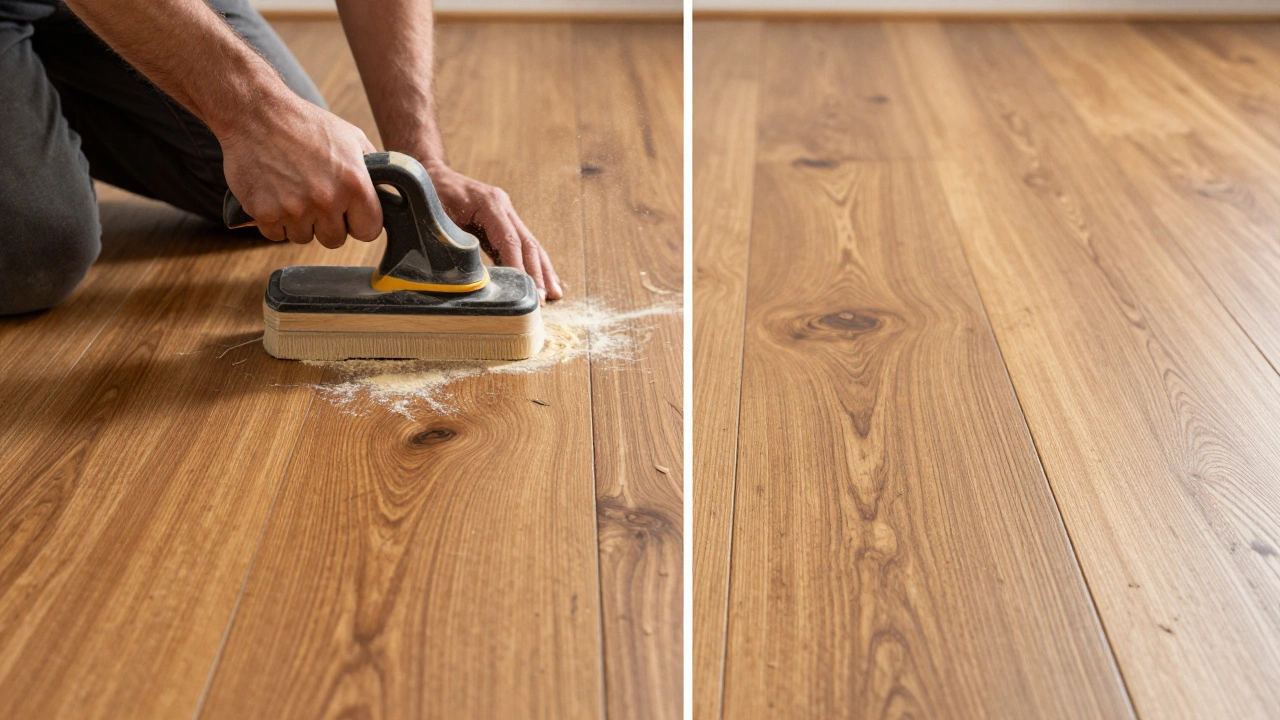
Solid Hardwood is flooring made from a single piece of natural wood species like oak, maple, or hickory. People often argue about whether wood is durable. It isn't indestructible. Pet claws will scratch it. Water will stain it. But solid hardwood has a superpower: refinishing. Because the entire plank is wood, you can sand off the damaged top layer and apply a new finish. You can do this multiple times over a century.
This means a solid oak floor installed in 1920 can still look brand new today. Engineered wood, which has a thin veneer of real wood glued to plywood, cannot be sanded as many times. Once you sand through the veneer, the floor is ruined. For long-term value, solid hardwood wins. Hickory and Maple are harder than Oak, making them more resistant to dents. Choose a matte or satin finish rather than gloss, as scratches are less visible on textured surfaces.
Luxury Vinyl Plank: The Practical Workhorse
If you don't want to deal with sealing concrete or refinishing wood, Luxury Vinyl Plank (LVP) is a synthetic flooring product featuring a wear layer, printed design layer, and rigid core. LVP has exploded in popularity because it mimics stone and wood beautifully while offering superior water resistance. The secret to its longevity is the wear layer. Measured in mils (thousandths of an inch), a thicker wear layer means longer life.
For residential use, aim for a 20-mil wear layer minimum. Commercial grades offer 30 to 40 mils. This transparent top coat protects the image layer from scratches and UV fading. While LVP won't last 100 years like concrete, a high-quality installation can easily give you 20 to 30 years of hassle-free service. It is also softer underfoot than tile and warmer than concrete. If you spill wine, wipe it up. No panic required.
Materials to Avoid for Maximum Longevity
Not all floors are created equal. If longevity is your only metric, some popular choices fall short. Laminate flooring, for instance, is essentially a fiberboard core with a photographic paper top. It swells irreversibly when wet. Even "water-resistant" laminate has limits. Once the edge swells, the floor is toast. Average lifespan is 10 to 15 years before it looks worn or gets damaged.
Carpet is the shortest-lived option. It traps dust, allergens, and dirt deep within the fibers. Over time, it mats down, stains, and wears thin in high-traffic zones. Most carpets need replacement every 5 to 10 years. Unless you prioritize softness and noise reduction above all else, carpet is not a durable investment.
Installation Quality Matters More Than Material
You can buy the most durable flooring in the world, but poor installation will kill it quickly. Imagine installing expensive porcelain tile on a subfloor that flexes when you walk on it. The tiles will crack within months. The same applies to hardwood. If the acclimation period is skipped, the wood will expand and contract with humidity changes, leading to gaps or buckling.
Always hire experienced installers who specialize in the specific material you choose. Ask for references. Check their warranty. A good installer ensures the subfloor is clean, dry, and level. They also leave expansion gaps around the perimeter to allow for natural movement. These small details determine whether your floor lasts decades or fails in years.
Maintenance Extends Life Significantly
Durability isn't just about the material; it's about how you treat it. Regular maintenance prevents premature aging. For hardwood, use felt pads under furniture legs and sweep regularly to remove abrasive grit. Avoid steam mops, which force moisture into seams. For tile and concrete, re-seal periodically to maintain stain resistance. For LVP, simple sweeping and damp mopping are enough. Harsh chemicals can damage the wear layer.
Think of maintenance as insurance. Spending thirty minutes a week on care saves thousands in replacement costs later. Also, manage indoor humidity. Extreme dryness causes wood to shrink; extreme moisture causes it to swell. A hygrometer helps you monitor levels, keeping them between 30% and 50% relative humidity for optimal floor health.
Cost vs. Longevity Trade-Offs
Long-lasting floors often have higher upfront costs. Polished concrete and solid hardwood require significant initial investment. However, when you calculate cost per year, they become cheaper than replacing laminate or carpet every decade. Luxury Vinyl Plank offers a middle ground-moderate upfront cost with decent lifespan. Porcelain tile sits in the middle too, with moderate material costs but potentially high installation labor due to the skill required.
Consider your timeline. If you plan to sell the house in five years, maybe LVP is smarter. If you intend to stay for twenty, invest in concrete or hardwood. Resale value also plays a role. Buyers appreciate authentic materials like wood and stone over synthetics, even if the synthetics look similar initially.
Is epoxy flooring durable?
Yes, epoxy flooring is extremely durable. It creates a seamless, chemical-resistant coating over concrete. It is ideal for garages and basements. However, it can yellow in direct sunlight and may chip if impacted by heavy objects. Lifespan is typically 10 to 20 years depending on usage.
Can I put hardwood in the kitchen?
You can, but it requires caution. Spills must be wiped immediately. Humidity fluctuations affect wood. If you prefer wood aesthetics in wet areas, consider engineered wood with waterproof cores or Luxury Vinyl Plank designed to mimic wood.
Which flooring is best for pets?
Porcelain tile and Luxury Vinyl Plank are best for pets. They resist scratches from claws and handle accidents well. Hardwood shows scratches easily, and carpet traps odors and stains. Look for LVP with a thick wear layer for extra protection.
How long does laminate flooring last?
Laminate typically lasts 10 to 15 years. It is prone to water damage and cannot be refinished. Heavy traffic areas may show wear sooner. It is a budget-friendly option but lacks the longevity of solid wood or tile.
Is ceramic tile as durable as porcelain?
No, porcelain is denser and harder than ceramic. Ceramic is more porous and prone to chipping. Porcelain is better for high-traffic and wet areas. Ceramic works well for walls or low-traffic interior spaces.