Sofa Cushion Anatomy Explorer
Color Legend:
Select a colored section on the sofa diagram to see its name, function, and typical materials.
Ever stood in a furniture store or tried to describe your living room setup to a friend and realized you didn't actually know the specific names for the different parts of your couch? You point at the soft square thing on the floor next to the armrest and say "the little pillow," but what is it really called? And that thick block you sit on-is it just a cushion, or does it have a more technical name? Knowing the right terminology isn't just about sounding smart. It helps you buy replacements, communicate clearly with interior designers, and understand care instructions without guessing.
The short answer is that most people refer to them all as cushions, but in the world of furniture manufacturing and interior design, they are broken down into specific categories based on their function and placement. Let's clear up the confusion so you never hesitate again when shopping for new pieces or fixing an old one.
The Main Structural Cushions
First, let’s look at the parts that make up the actual body of the sofa. These aren't decorative; they are functional components required for comfort and support. If these go missing, your sofa feels like a wooden bench.
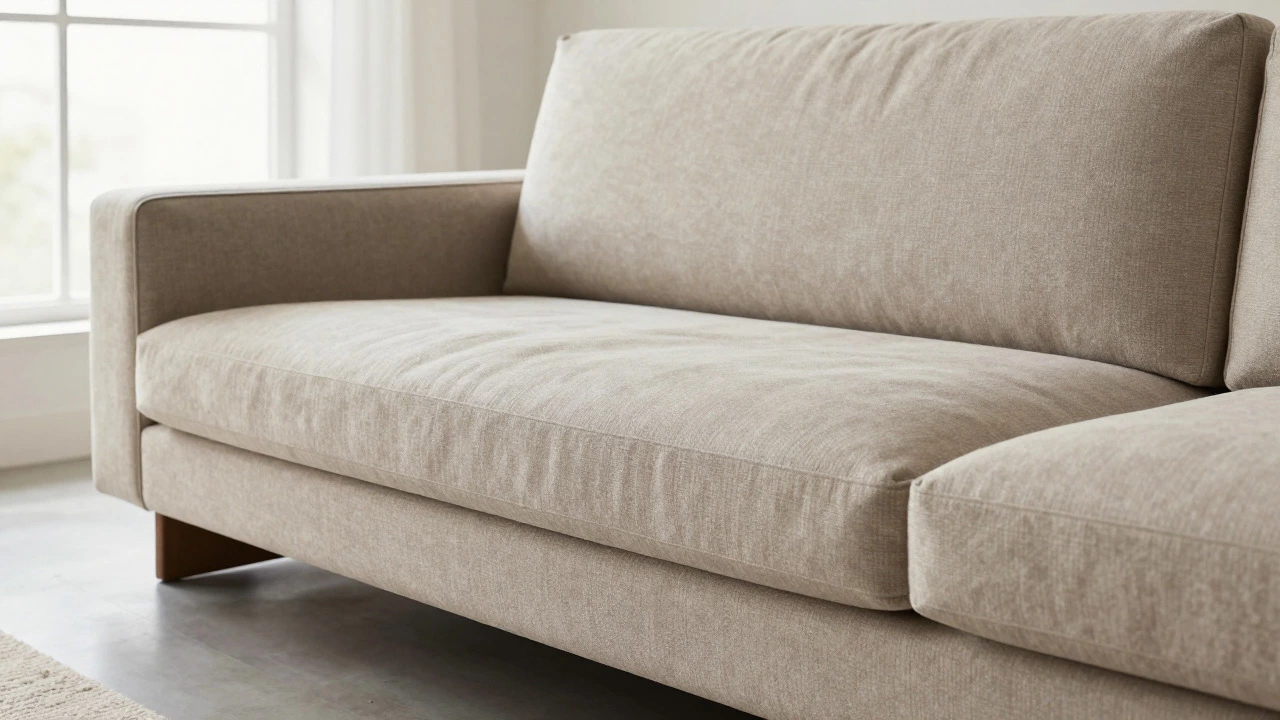
Seat Cushions are the thick, rectangular pads located directly under where you sit, providing primary lumbar and hip support. In many modern sofas, especially those with a clean, boxy aesthetic, these are often made from high-density foam wrapped in fabric. They might be individual squares (like in a modular sofa) or one long piece running the length of the seating area. If you notice your sofa sagging in the middle, it’s usually because the seat cushions have compressed over time.
Next up are the Back Cushions are vertical pads positioned against the sofa frame to support the upper back and shoulders. Unlike seat cushions, which need to withstand heavy weight, back cushions focus on contouring to your spine. You’ll find two main styles here:
- Boxed Backs: These are firm, structured panels that maintain their shape. They are common in mid-century modern designs and provide consistent support.
- Loose Backs: These are softer, often stuffed with fiberfill or down, and can be moved around. They create a more relaxed, casual look and allow you to adjust your posture easily.
Some sofas also feature Armrest Pads are smaller, rounded cushions attached to the sides of the sofa frame for elbow and forearm comfort. While not always present on minimalist designs, they are crucial for traditional Chesterfield-style sofas where the arms are wide and flat.
The Decorative Layer: Throw Pillows
Now we get to the part most people confuse with structural cushions. Those smaller, often colorful, square or rectangular items you lean against or place for style? They are officially called Throw Pillows (or simply accent pillows). They are distinct from seat and back cushions because they are not part of the sofa’s core structure. You can remove them entirely, and the sofa will still function perfectly fine.
Throw pillows serve three main purposes:
- Aesthetics: They add color, texture, and pattern to a neutral sofa.
- Comfort: They offer extra neck or lower back support if you prefer a specific angle.
- Protection: They act as a barrier between your clothes and the sofa fabric, reducing wear and tear in high-traffic areas.
In professional interior design circles, you might also hear the term Lumbar Pillows are long, narrow pillows designed specifically to fit horizontally across the lower back section of a sofa. These are a subtype of throw pillow but are shaped differently to target a specific body part. They are incredibly popular in contemporary design because they break up the visual monotony of large, plain back cushions.
Understanding Materials and Fillings
Knowing the name is only half the battle. The other half is understanding what’s inside, which dictates how long the cushion lasts and how it feels. Different parts of the sofa require different fillings for optimal performance.
| Material | Typical Use | Durability | Feel |
|---|---|---|---|
| High-Density Foam | Seat Cushions | High (5-10 years) | Firm, supportive, bouncy |
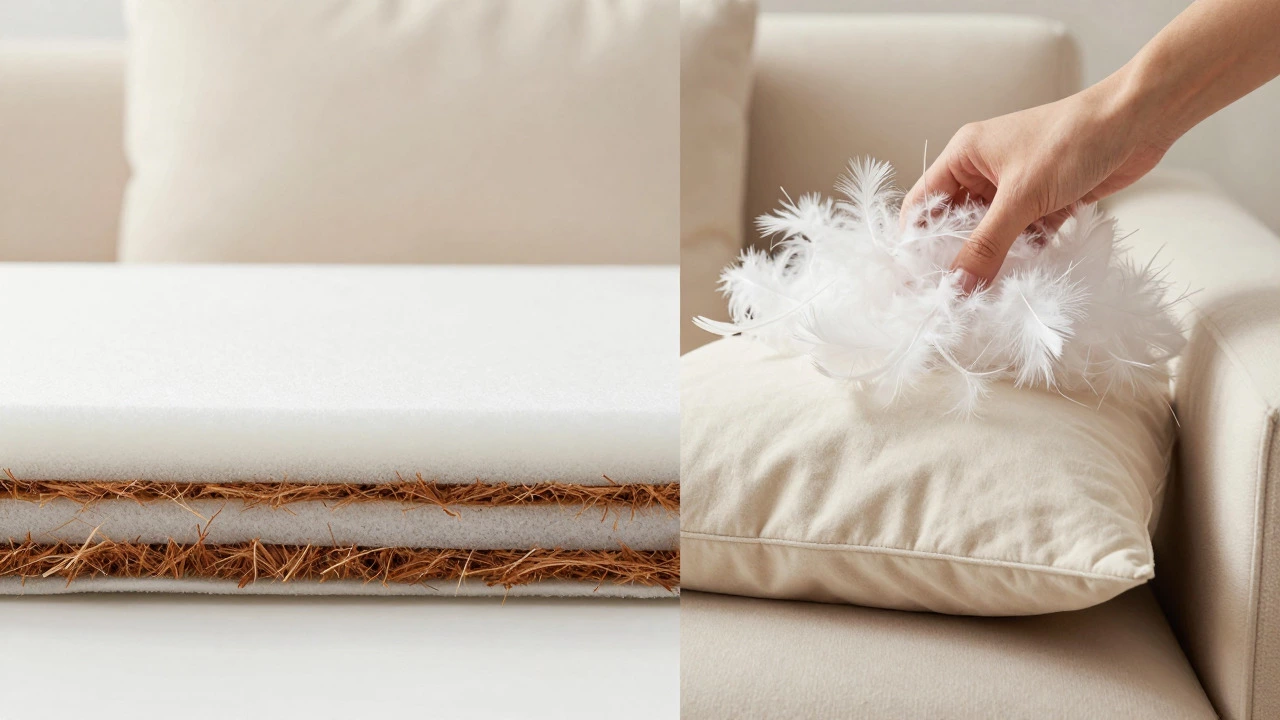
| Down & Feather | Back Cushions, Throw Pillows | Medium (requires fluffing) | Soft, plush, luxurious |
| Synthetic Fiberfill | Throw Pillows, Budget Sofas | Low-Medium (clumps over time) | Lightweight, affordable |
| Coconut Coir | Traditional Seat Bases | Very High | Very firm, rigid |
For example, using pure down feathers for a seat cushion would be a disaster. You’d sink right through to the wood frame. Conversely, using high-density foam for a throw pillow would make it feel like a brick. This is why manufacturers mix materials. A premium back cushion might use a layer of foam for structure and a layer of down for softness, giving you the best of both worlds.
Why the Terminology Matters for Maintenance
You might wonder why this distinction matters beyond vocabulary. It affects how you clean and maintain your furniture. Most sofa covers come off for cleaning, but the process varies by cushion type.
Seat cushions are rarely removable in high-end custom sofas because they are sewn into the base or secured with clips to prevent shifting. If you do have removable seat cushions, check the label. High-density foam should generally be spot-cleaned rather than machine-washed, as water can damage the internal structure. On the other hand, throw pillow covers are almost always removable and washable. This makes them the easiest way to refresh your living room. Swap out your beige throw pillows for bold prints during spring, and you’ve changed the entire vibe of the room without buying new furniture.
Back cushions present a mixed bag. Boxed backs are usually fixed in place. Loose backs, however, often have zippers. If your loose back cushions are filled with synthetic fiber, they can usually go in the dryer on low heat to restore their fluffiness. Down-filled ones require more delicate handling to avoid clumping.
Common Misconceptions and Regional Differences
Language varies by region, which adds to the confusion. In the United States, "cushion" and "pillow" are used somewhat interchangeably, though "pillow" is more common for bedding and "cushion" for furniture. In the UK and New Zealand, "cushion" is the standard term for everything, including what Americans call "throw pillows." You might hear British friends refer to a "scotch cushion" (a small, often leather, square cushion placed in front of a larger back cushion for additional support). This is a specific type of accent cushion that has fallen out of favor in modern design but remains a classic element in traditional English homes.
Another misconception is that all cushions are replaceable. While throw pillows are easy to replace, replacing structural seat or back cushions can be expensive and complex. Often, it’s cheaper to reupholster the entire sofa or replace the foam inserts if they are accessible. Always check with your manufacturer before trying to DIY replace structural components, as getting the density wrong can ruin the sofa’s balance.
How to Choose the Right Cushions for Your Space
When shopping for new cushions, whether for a new sofa or to upgrade an existing one, consider the scale of your furniture. A large sectional sofa needs substantial, deep-seat cushions to accommodate multiple people comfortably. A small loveseat, on the other hand, works better with tighter, firmer cushions that don’t overwhelm the space.
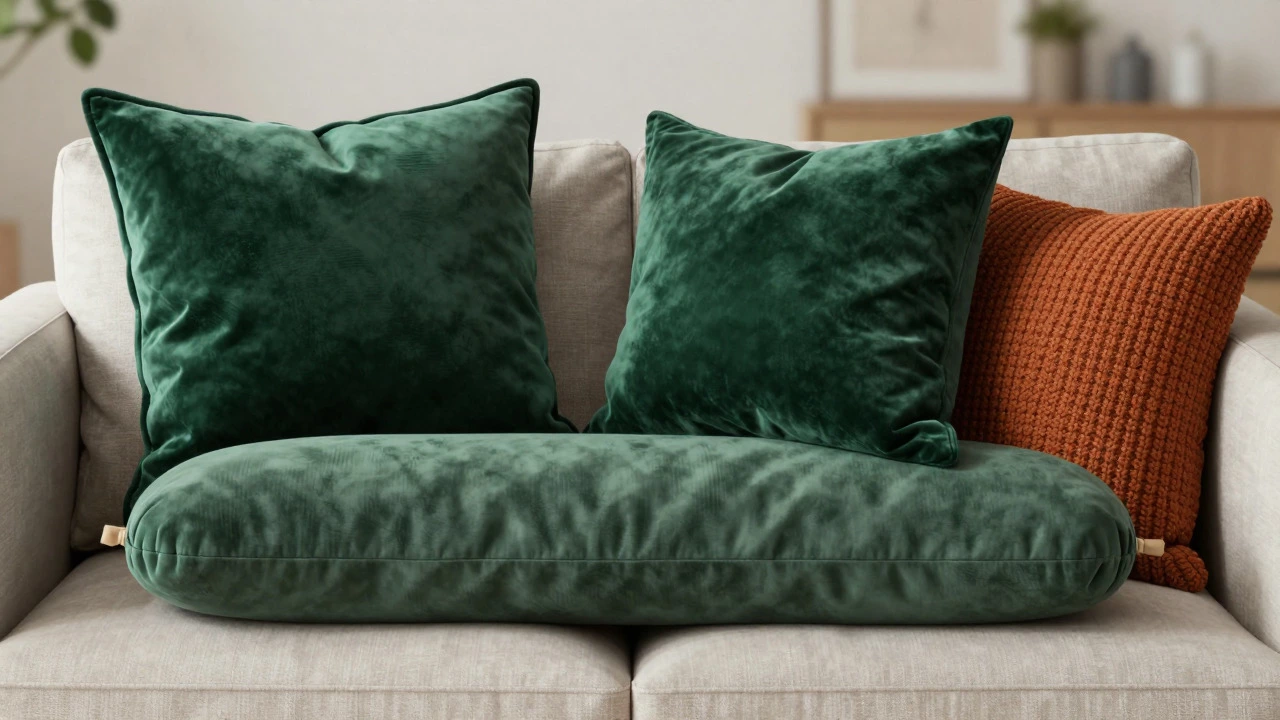
For throw pillows, follow the rule of thirds. Use three different sizes or textures to create visual interest. For instance, pair a large velvet square pillow with a medium linen lumbar pillow and a small textured knit accent. This layering technique adds depth and prevents the sofa from looking flat. Also, consider the climate. In humid environments like Wellington, New Zealand, natural fibers like cotton and linen breathe better than synthetic synthetics, which can trap moisture and lead to mildew if not aired out regularly.
Frequently Asked Questions
What is the difference between a cushion and a pillow?
In furniture contexts, "cushion" typically refers to structural components like seat and back pads, while "pillow" usually refers to decorative accents like throw pillows. However, usage varies by region. In the UK and NZ, "cushion" is the universal term. In the US, "pillow" is often used for decorative items, even on sofas.
Are seat cushions and back cushions interchangeable?
Generally, no. Seat cushions require higher density foam to support body weight, while back cushions prioritize softness and contouring. Swapping them would result in an uncomfortable seating experience-too hard on the back, too soft on the seat.
What is a lumbar pillow?
A lumbar pillow is a long, narrow cushion designed to fit horizontally across the lower back area of a sofa. It provides targeted support for the lumbar spine and adds a stylish horizontal line to the vertical arrangement of back cushions.
Can I replace my sofa's seat cushions myself?
It depends on the sofa construction. Some sofas have removable cushions secured by zippers or buttons, making replacement easy. Others have cushions sewn into the base or held by hidden clips, requiring professional upholstery work. Check your owner's manual or inspect the underside of the sofa before attempting removal.
What is the best material for throw pillows in a humid climate?
Natural fibers like cotton, linen, and wool are best for humid climates because they are breathable and wick away moisture. Synthetic fills like polyester can trap humidity, leading to odors and mildew if not cleaned regularly. Ensure covers are machine-washable and dry quickly.