Elderly Sleep Safety Checker
Is Floor Sleeping Safe for You or a Loved One?
Answer these questions to assess the safety of sleeping on the floor for elderly individuals.
Many older adults wonder if sleeping on the floor is healthier-or even safer-than using a bed. You’ve probably heard claims that it improves posture, reduces back pain, or even boosts circulation. But for someone over 65, especially with arthritis, osteoporosis, or mobility issues, the answer isn’t simple. The real question isn’t whether the floor is good-it’s whether it’s practical, safe, and sustainable for daily life.
Why Some People Think the Floor Is Better
The idea that sleeping on the floor helps the spine comes from ancient practices and modern wellness trends. In some cultures, people sleep on hard mats or wooden planks, believing it keeps the body aligned. A few small studies suggest that firmer surfaces may reduce lower back discomfort in younger adults with mild pain. But those studies don’t apply to most seniors.For an elderly person, the body changes. Cartilage wears down. Muscles weaken. Balance becomes fragile. A hard surface might feel supportive at first, but over time, it can increase pressure on hips, shoulders, and spine joints. One 2023 analysis of senior sleep habits found that those who slept on firm mattresses or floor surfaces reported more frequent nighttime pain and more difficulty turning over than those using medium-firm beds.
The Real Risks of Sleeping on the Floor
Let’s be clear: sleeping on the floor isn’t dangerous in the way a fall is dangerous. But it creates hidden risks that add up.- Difficulty getting up-Getting off the floor without assistance can be impossible for someone with weak legs or joint stiffness. A 2024 study from the Journal of Geriatric Physical Therapy showed that 68% of seniors over 75 who tried sleeping on the floor needed help rising in the morning.
- Cold exposure-Floors conduct heat. Seniors often have reduced circulation and lower body temperature. Sleeping on concrete or wood can drop core temperature by 1-2°F overnight, increasing risk of hypothermia in colder months.
- Dust and allergens-Floors collect dust mites, pet dander, and mold spores. Older adults are more vulnerable to respiratory irritation, especially if they have COPD or asthma.
- Increased fall risk-If someone wakes up disoriented at night, a floor-height surface might seem safer. But without proper lighting or grab bars, getting up from the floor can lead to a fall. Falls are the leading cause of injury-related death in seniors.
What Works Better: The Right Bed and Support
The goal isn’t hardness-it’s support. A good sleep surface for seniors should cradle the body without sinking too much. Medium-firm mattresses, especially those with memory foam or hybrid designs, reduce pressure points on hips and shoulders while keeping the spine neutral.Many seniors report better sleep after switching from a sagging old mattress to a new one with proper lumbar support. One 72-year-old woman in Ohio told her physical therapist, “I used to wake up feeling like I’d been run over. Now I get up like I actually slept.” She switched to a medium-firm hybrid mattress and added a thin foam topper for extra cushioning.
Don’t forget the frame. A low-profile bed frame (12-16 inches high) makes getting in and out easier than a tall bed, without the dangers of floor sleeping. Adjustable beds are another option-they let you raise the head or feet to ease breathing, reduce swelling, or relieve acid reflux.
Recliner Chairs: The Overlooked Sleep Solution
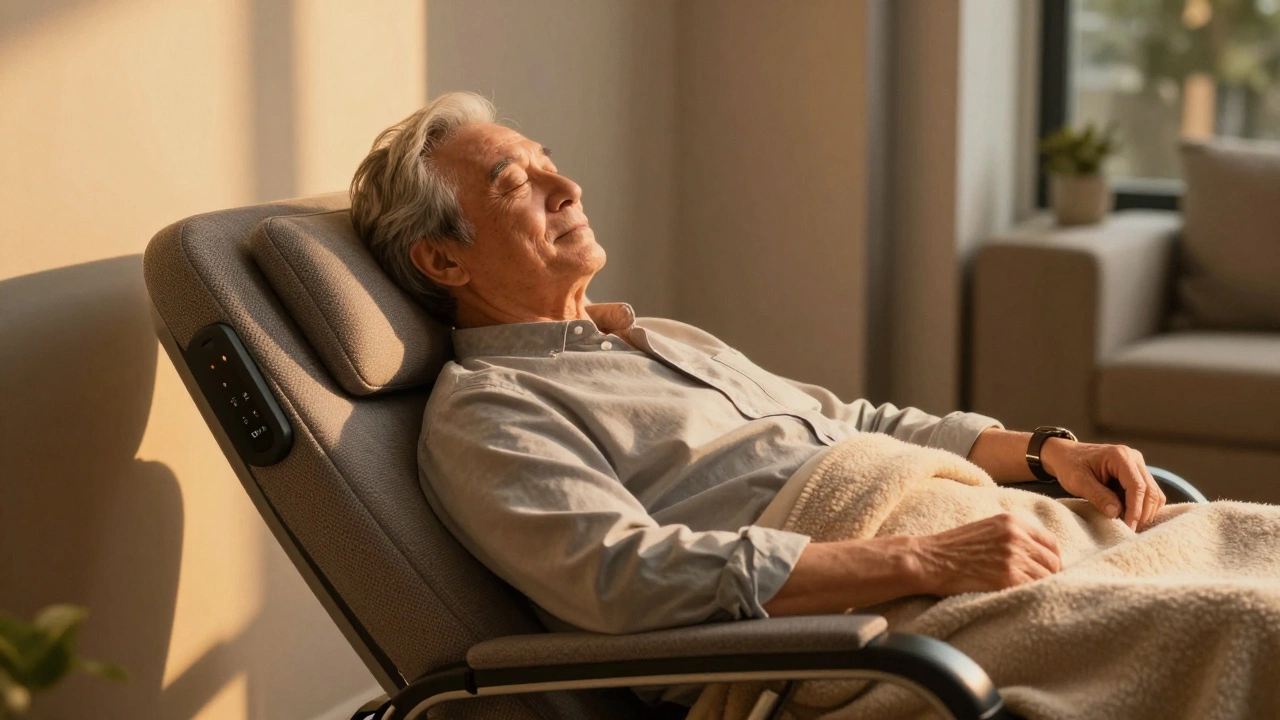
If the problem is pain, mobility, or breathing, a recliner chair might be the most practical solution you haven’t considered.Many seniors don’t sleep in beds at night-they sleep in recliners. Why? Because recliners offer:
- Adjustable angles-Elevating the head reduces snoring and sleep apnea symptoms.
- Easy起身-Built-in lift mechanisms can raise the entire chair, helping users stand without straining knees or back.
- Pressure relief-High-density foam and contoured designs support the spine and reduce joint stress.
- Warmth and comfort-Unlike cold floors, recliners are insulated and often come with heat and massage features.
A 2025 survey of 1,200 seniors over 70 found that 41% used a recliner as their primary sleep surface at night. Among those with chronic back pain or heart failure, 76% reported better sleep quality in their recliner than in bed.
Look for models with: a 135-150 degree recline angle, power lift function, memory foam cushioning, and breathable fabric. Brands like La-Z-Boy, Pride Mobility, and Golden Technologies offer models designed specifically for seniors with mobility needs.
When Floor Sleeping Might Make Sense
There are rare cases where sleeping on the floor could be useful-temporarily. For example:- After a hip replacement, if a doctor recommends avoiding soft surfaces for a few weeks to prevent dislocation.
- During a short-term move, if the bed is being repaired.
- If someone has severe scoliosis and a physical therapist specifically recommends a hard surface for a trial period.
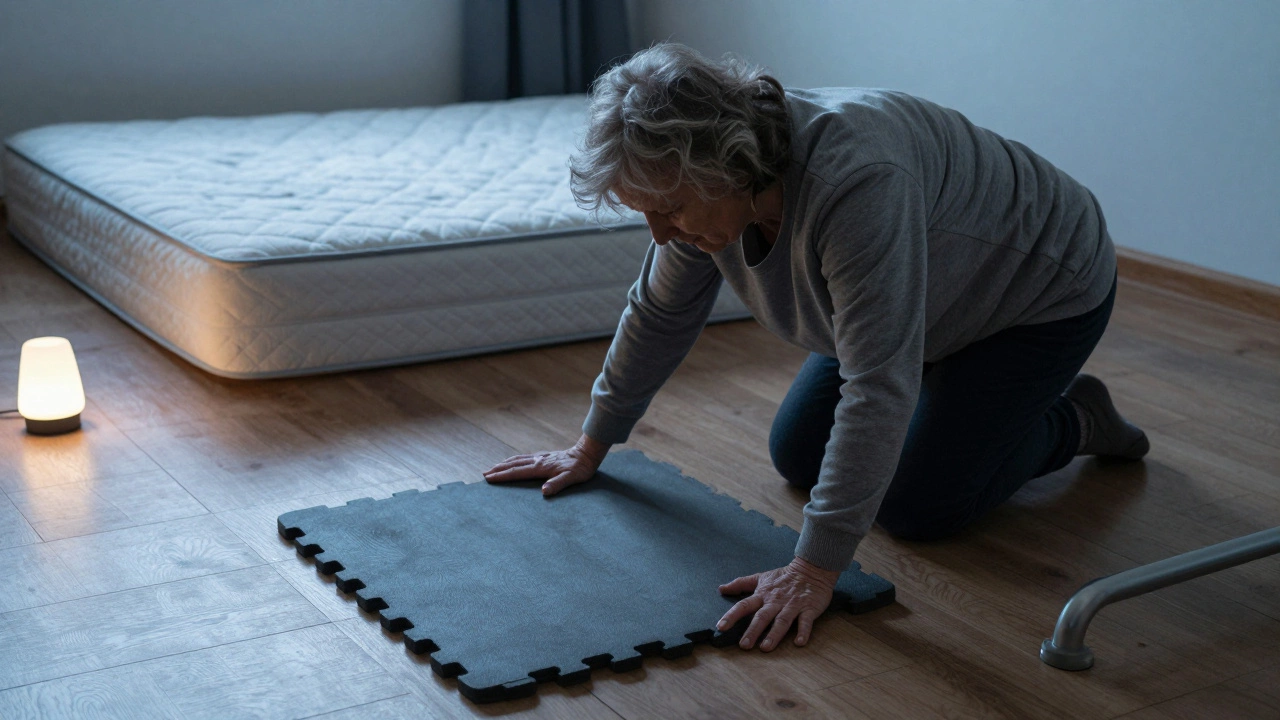
Even then, it’s not permanent. Use a thick foam mat (at least 2 inches), keep the room warm, and install a grab bar nearby. Never leave someone with dementia or limited mobility sleeping on the floor unsupervised.
What to Do Instead
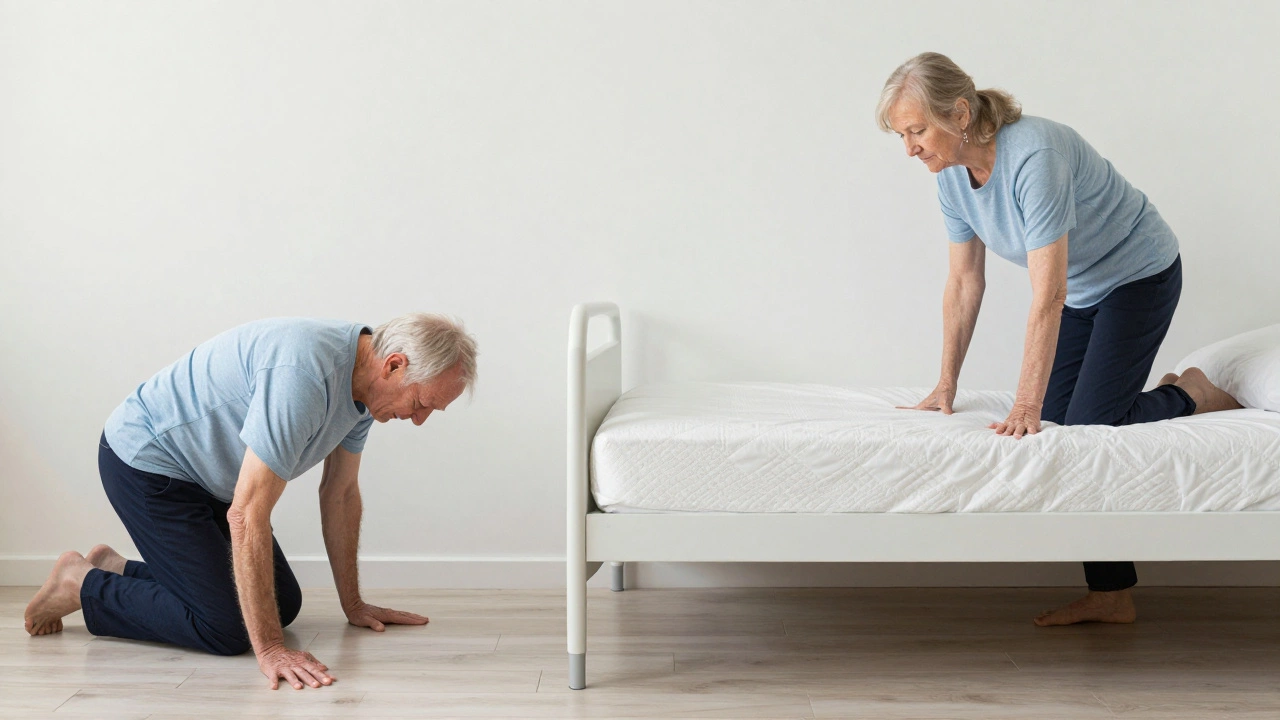
If you’re considering floor sleeping for an elderly loved one, ask these questions first:- Can they get up without help? If no, then it’s too risky.
- Do they feel colder at night? If yes, the floor will make it worse.
- Have they had a fall in the past year? If yes, avoid floor sleeping entirely.
- Are they in pain when they wake up? Then try a new mattress or recliner before the floor.
Start with a simple upgrade: a medium-firm mattress topper (like a 2-inch memory foam layer) on their current bed. Add a bed rail or bedside grab bar. Try a recliner for one night. Track how they feel in the morning-less pain? Easier to move? Better sleep?
Most seniors don’t need to sleep on the floor. They need better support, warmth, and safety. Those things are available-not on the ground, but in the right furniture.
Frequently Asked Questions
Is sleeping on the floor good for back pain in seniors?
Not usually. While firm surfaces may help younger adults with mild back pain, seniors often have joint degeneration, muscle loss, and reduced circulation. Sleeping on the floor increases pressure on sensitive areas like hips and shoulders, which can worsen pain. A medium-firm mattress or supportive recliner provides better alignment without the added risk.
Can sleeping on the floor cause hip problems?
Yes. Seniors with osteoarthritis or previous hip replacements are at higher risk. The floor offers no give, so the hip joint bears all the pressure during sleep. This can lead to increased inflammation, stiffness, and even nerve compression. A cushioned surface that supports the pelvis is far safer.
Why do some seniors prefer sleeping in recliners?
Recliners allow for adjustable positioning, which helps with breathing, circulation, and pain relief. Many seniors with heart failure, COPD, or acid reflux find it easier to sleep with their head elevated. Lift recliners also make standing up safer and easier, reducing fall risk. For these reasons, recliners are often a more functional sleep solution than a bed.
What’s the best mattress firmness for elderly people?
Medium-firm is generally best. It supports the spine without letting the hips sink too far down. Too soft causes the body to sink unevenly, creating pressure points. Too hard doesn’t cushion joints. Look for mattresses labeled “medium-firm” with memory foam or hybrid construction. Avoid old, sagging mattresses-they’re worse than firm ones.
Is it safe for an elderly person to sleep on the floor with a rug or mat?
Only temporarily and with precautions. A 2-inch thick foam mat reduces pressure, but it doesn’t solve cold exposure, dust, or difficulty rising. Always add grab bars, night lights, and ensure someone can assist if needed. Never use this as a long-term solution unless medically advised.