Sofa Fabric Durability Finder
Answer these questions to find the best long-lasting fabric for your living room.
Your Top Recommendations
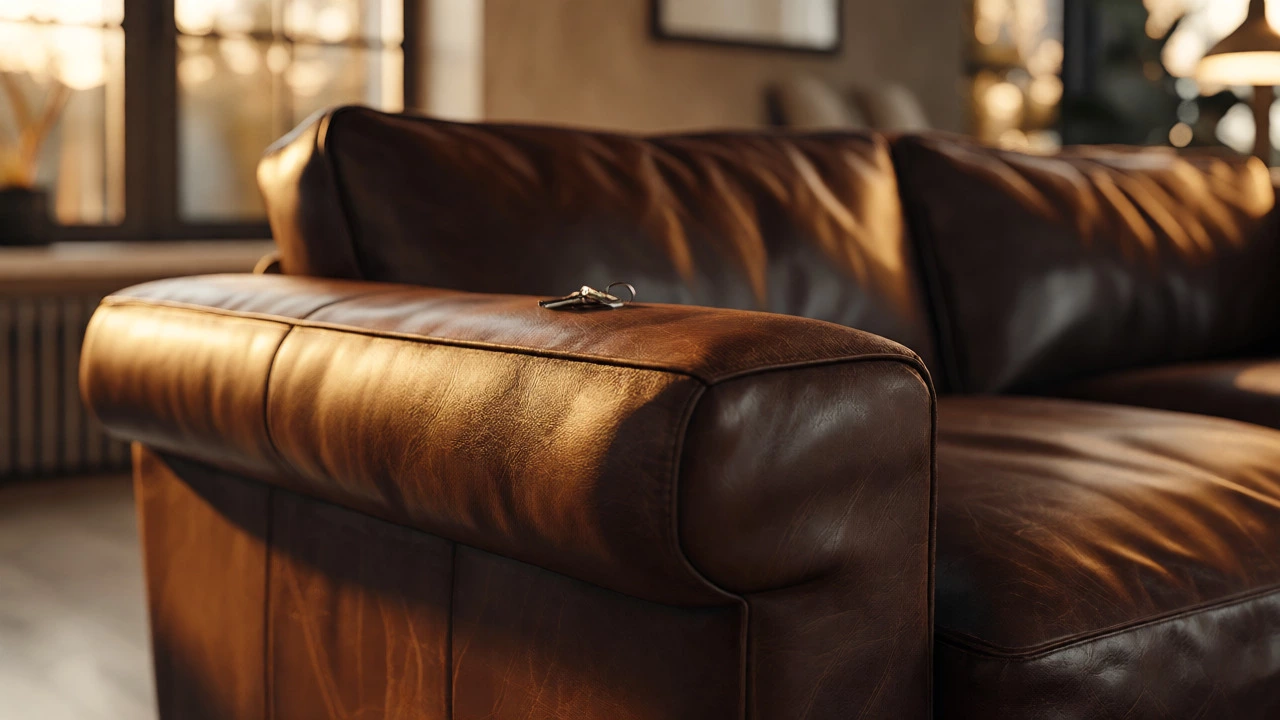
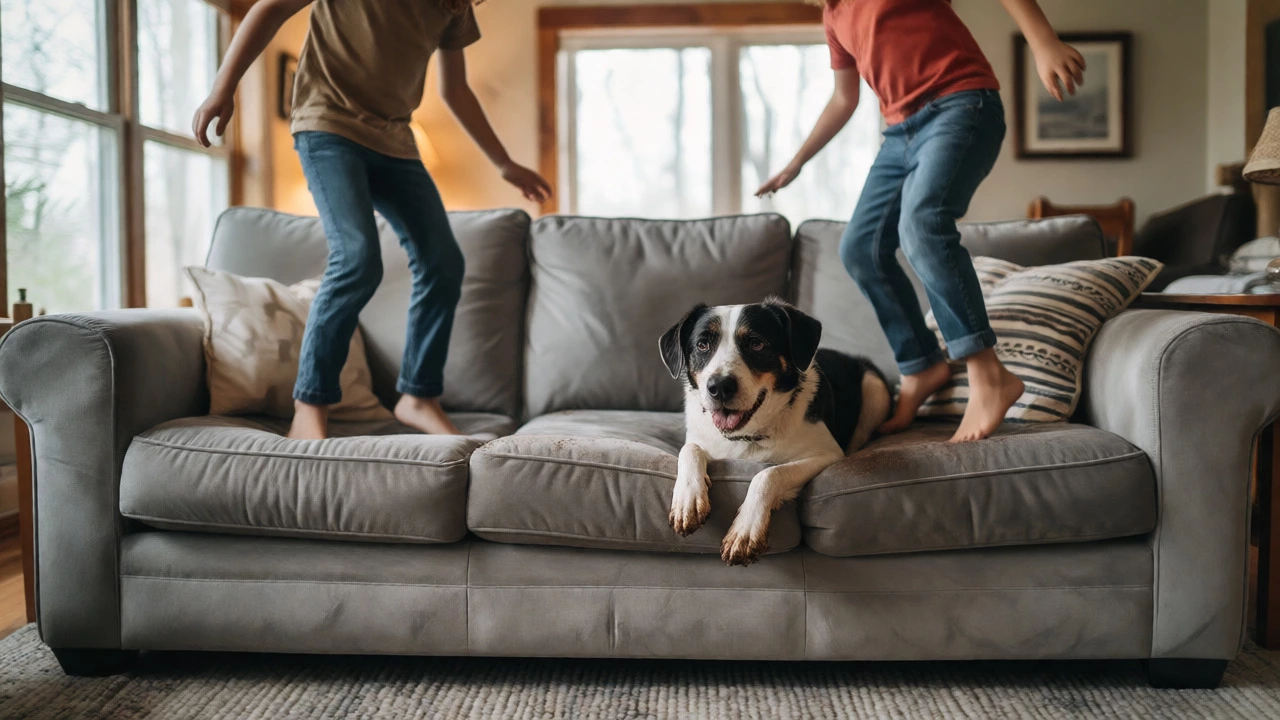
You just dropped your keys on the armrest. Your dog jumped up with muddy paws. The kids are using the cushions as a trampoline. If you’ve ever looked at your sofa and wondered how long it’s going to last before it looks like a sad, sagging mess, you’re not alone. Most people buy sofas based on color or style, only to realize six months later that the fabric is pilling, fading, or tearing. The truth is, durability isn’t just about how thick the material feels; it’s about fiber strength, weave tightness, and how well the fabric handles abrasion.
So, what actually survives real life? Is it leather? Is it that fancy "performance" velvet everyone is talking about? Or is it good old-fashioned cotton canvas? We tested common materials against the wear-and-tear of daily life-pets, spills, sun exposure, and friction-to find out which fabrics truly stand the test of time. Here’s the breakdown of what holds up and what gives in.
Understanding Durability Metrics: Why Double Rubs Matter
Before we name winners, you need to know how manufacturers measure toughness. You’ll often see terms like "double rubs" on spec sheets. This comes from the Wyzenbeek test, where a machine scrubs the fabric back and forth until it shows visible wear. One cycle equals one double rub.
Here’s the rule of thumb used by industry pros:
- Under 15,000 double rubs: Light duty. Good for decorative pillows or low-use chairs.
- 15,000-30,000 double rubs: Medium duty. Fine for occasional use, but risky for family rooms.
- Over 30,000 double rubs: Heavy duty. This is what you want for a main living room sofa.
- Over 50,000 double rubs: Commercial grade. Built for hotels and offices.
But here’s the catch: high double rub counts don’t always mean better performance in every scenario. A tightly woven synthetic might score high on abrasion but fail miserably if a cat decides to sharpen its claws on it. That’s why we look beyond the numbers to the actual fiber properties.
The Heavyweight Champion: Leather
If money is no object and you hate cleaning crumbs, leather is generally the most durable natural material available. Specifically, full-grain or top-grain aniline-dyed leather. Unlike bonded leather (which is essentially sawdust and glue wrapped in plastic), real hide gets stronger over time. It doesn’t fray. It doesn’t pill. And when it eventually wears, it develops a patina that many people actually prefer.
However, leather has two major enemies: sharp claws and direct sunlight. Cat claws can puncture even thick hides, leaving permanent scars. Sunlight dries out the oils in the skin, causing cracks if you don’t condition it every six months. Also, let’s be honest-it’s hot in summer and cold in winter. But if you have adults who treat furniture with respect, a quality leather sofa can easily last 20+ years.
Synthetic Powerhouses: Microfiber and Olefin
For households with pets and children, synthetics usually beat naturals. They are engineered to resist stains, fade, and tear. Two names dominate this category: microfiber (often made from polyester) and olefin (polypropylene).
Microfiber is incredibly dense. The fibers are thinner than silk, which creates a tight barrier against dirt and liquids. It’s soft to the touch, mimicking suede, but far more resilient. Cleaning is easy-most spills wipe right off with water and mild soap. It’s also resistant to UV fading, making it great for sunrooms.
Olefin is the workhorse of outdoor furniture, but it’s increasingly popular indoors too. It’s naturally stain-resistant because the dye is added during the extrusion process, not after. This means scratches don’t reveal a different color underneath. It’s lightweight and resists moisture, so mold and mildew aren’t issues. The downside? It can feel slightly plasticky and may flatten out faster than wool or heavy cotton blends under constant weight.
Natural Fibers: Wool and Linen
Don’t dismiss natural fibers just because they’re organic. Wool is surprisingly tough. Its crimped structure allows it to bounce back after compression, meaning your cushions won’t sag as quickly. Wool is also naturally flame-retardant and repels dust mites. However, it’s expensive and requires professional cleaning. Water spots can be tricky, and it’s prone to moth damage if stored improperly.
Linen, on the other hand, is stylish but fragile. Pure linen wrinkles instantly and abrades quickly. You’ll see shiny patches on the arms within a year of heavy use. To make linen viable for sofas, manufacturers blend it with polyester or nylon. These blends retain the aesthetic charm of linen while adding the tensile strength needed for daily sitting. Look for blends with at least 40% synthetic content for better longevity.
The Modern Marvel: Performance Velvet
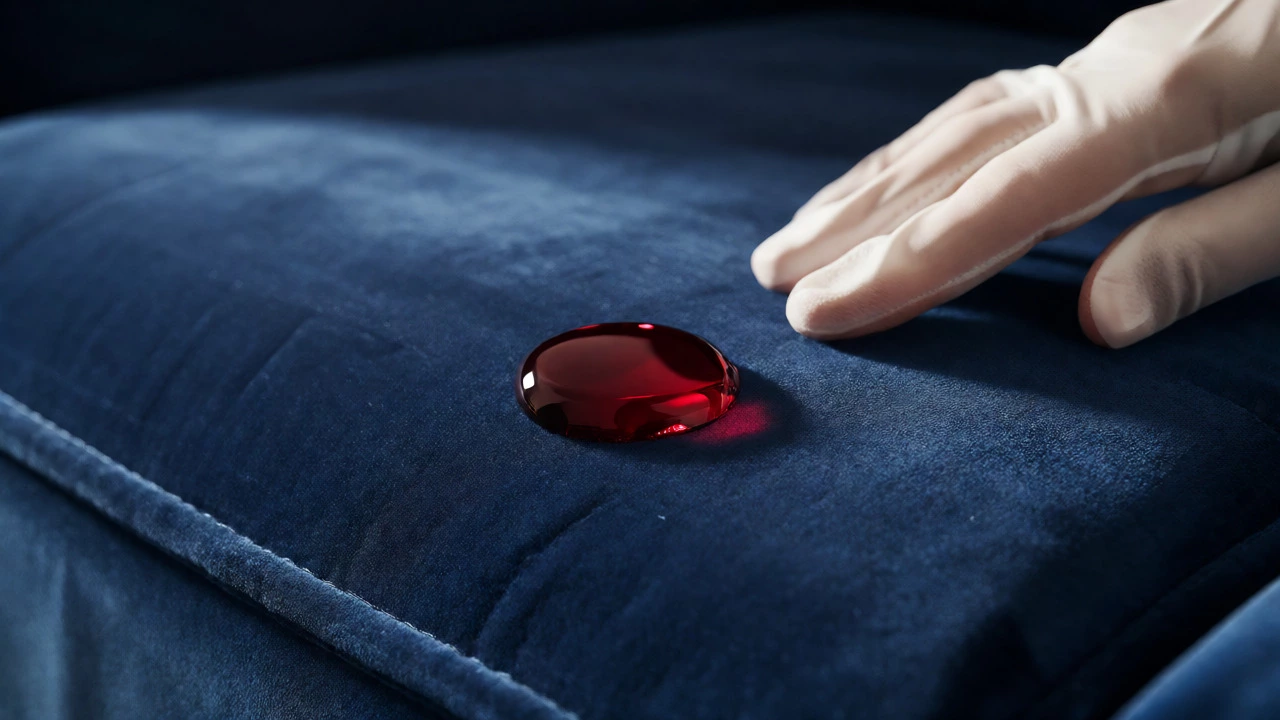
A few years ago, velvet was considered delicate. Today, performance velvet is one of the best choices for active homes. Made primarily from polyester, these fabrics are treated with protective finishes that repel liquids and resist staining. Brands like Crypton or Sunbrella offer velvet options that claim 50,000+ double rubs.
Why does it work? The pile is short and dense, preventing claws from getting tangled. Spills bead up on the surface rather than soaking in. Plus, modern velvets come in matte finishes that don’t show fingerprints or light reflections, hiding everyday grime. It’s a favorite among designers because it looks luxurious but acts like armor.
| Fabric Type | Abrasion Resistance | Pet Friendly? | Cleaning Ease | Lifespan Estimate |
|---|---|---|---|---|
| Full-Grain Leather | High | No (Claws) | Moderate (Conditioning) | 15-20+ Years |
| Microfiber (Polyester) | Very High | Yes | Easy | 10-15 Years |
| Olefin (Polypropylene) | High | Yes | Very Easy | 8-12 Years |
| Performance Velvet | Very High | Yes | Easy | 10-15 Years |
| Wool Blend | Moderate-High | No (Snags) | Hard (Pro Clean) | 7-10 Years |
| Pure Linen | Low | No | Moderate | 3-5 Years |
How to Spot Cheap Construction Before You Buy
Durability isn’t just about the fabric label; it’s about how it’s attached to the frame. Even the toughest Kevlar-like fabric will fail if the seams are weak. When shopping, perform these three checks:
- The Pinch Test: Grab a handful of fabric and squeeze. If you can see through it or the weave opens up significantly, it’s thin. Dense fabrics should feel solid, not airy.
- Check the Seams: Look at the stitching. Are they straight and tight? Double-stitched seams are far more likely to hold up than single lines. If the thread matches the fabric perfectly, ask yourself why-they might be hiding cheap construction.
- Ask About Backing: Some fabrics have a backing layer (like latex or foam) glued to the reverse side. This adds stability but can crack over time. Unbacked fabrics are more breathable but may stretch. For durability, a lightly backed fabric often strikes the best balance.
Final Verdict: Which One Should You Choose?
There is no single "best" fabric for everyone. It depends entirely on your lifestyle.
If you have dogs or cats, go with microfiber or performance velvet. They handle claws and accidents without drama. If you live in a sunny apartment and want elegance, choose olefin or high-quality synthetic blends to prevent fading. If you want heirloom quality and don’t mind maintenance, invest in full-grain leather. Avoid pure linen and silk unless you rarely sit on the sofa.
Remember, the most durable sofa is the one you care for. Vacuum weekly to remove grit that acts like sandpaper between fibers. Rotate cushions monthly to ensure even wear. Treat spills immediately. Do this, and any of the heavy-duty options above will serve you well for a decade or more.
Is leather really more durable than fabric?
Leather is more resistant to tearing and abrasion than most fabrics, but it is vulnerable to punctures from sharp objects like pet claws or jewelry. Fabric, especially synthetic microfiber, often withstands claw scratches better than leather, though it may absorb odors if not cleaned properly.
What is the hardest wearing fabric for families with young children?
Performance velvet and microfiber are top contenders. They are designed to repel stains and resist crushing. Olefin is also excellent because it is inherently stain-resistant and dries quickly, making it ideal for juice spills and wet clothes.
Does darker fabric last longer than lighter fabric?
Not necessarily. Darker fabrics tend to hide dirt and wear patterns better, which makes them appear to last longer visually. However, dark colors can fade faster in direct sunlight compared to some light-colored synthetics that are UV-treated. Wear resistance is determined by fiber type and weave density, not color.
Can I wash my sofa fabric covers?
Only if the sofa has removable slipcovers. Check the care tag first. Many performance fabrics are labeled 'S' (solvent clean only) or 'WS' (water and solvent). Attempting to wash non-removable upholstery with water can cause shrinking, warping, or mold growth inside the cushion core.
What does 'double rubs' mean on a fabric sample?
Double rubs measure abrasion resistance. It indicates how many times a machine can scrub the fabric before showing signs of wear. Anything over 15,000 is suitable for residential use, while commercial spaces require 30,000+. Higher numbers generally indicate greater durability against friction from sitting.