Flooring Strategy Advisor
Tell Us About Your Home & Lifestyle
Recommendation
Waiting for input...
Please answer the questions to get a personalized recommendation.
Recommended Approach:
Key Considerations:
Walking from your kitchen into the living room and hitting that jarring transition strip where the tile ends and the carpet begins-it’s a moment we’ve all experienced. For years, the standard rule in residential construction was simple: wet areas get tile, high-traffic zones get wood or laminate, and bedrooms get soft carpet. But lately, that rulebook is getting thrown out the window. Homeowners are increasingly asking if it makes more sense to just pick one material and run with it everywhere.
The short answer? It depends on what you value more: seamless aesthetics or practical durability. There is no single "correct" way to floor a house, but there are definitely better ways than others depending on your lifestyle, budget, and long-term plans for the property. Let’s break down whether committing to a single flooring type is actually a smart move or a costly mistake.
The Case for Continuity: Why One Floor Type Works
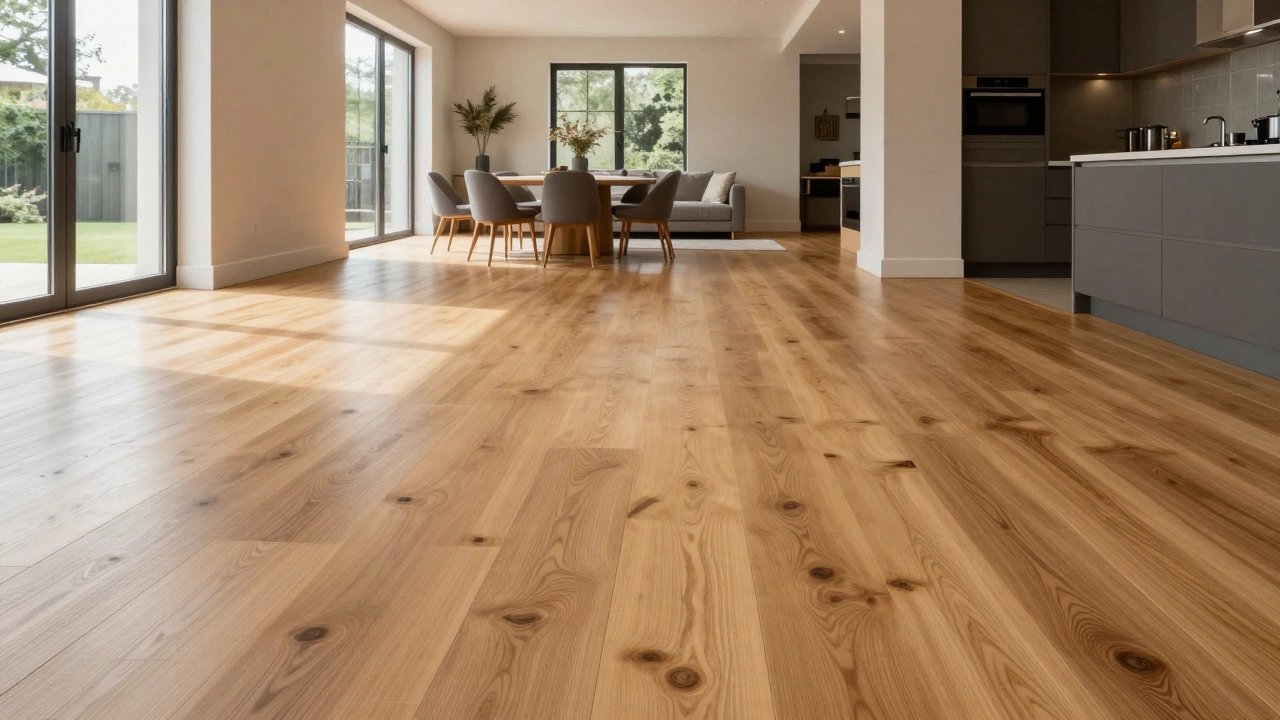
When you install the same flooring material across every room in your ground floor-or even the entire house-you create a visual flow that is hard to beat. The biggest benefit here is space perception. Without those metal or wooden transition strips breaking up the view, rooms feel larger and more connected. Light bounces around more evenly, and the eye isn’t constantly interrupted by changes in texture or color.
This approach is particularly powerful in open-plan homes. If your kitchen flows directly into the dining area and then the lounge, mixing materials can look chaotic. A continuous hardwood floora durable, natural wood surface prized for its timeless appeal and ability to increase home value ties these spaces together effortlessly. It creates a sense of luxury and intentionality that often feels higher-end than a patchwork of different materials.
From a renovation standpoint, uniformity simplifies decision-making. You aren’t trying to match the undertones of oak planks in the hallway with ceramic tiles in the bathroom. You buy one bulk order, hire one crew for installation (usually), and you’re done. This can sometimes reduce labor costs because installers don’t have to stop, clean up, switch tools, and start again for a different material type.
- Visual Expansion: Eliminates visual barriers, making small homes feel significantly larger.
- Simplified Renovation: Fewer decisions, fewer contractors, and easier sourcing of matching materials for repairs.
- Modern Aesthetic: Aligns with current minimalist and Scandinavian design trends that favor clean lines and uninterrupted surfaces.
The Practical Reality Check: Where Uniformity Fails
While the idea of a seamless home sounds dreamy, real life happens indoors. We spill coffee, we track in mud, and we occasionally drop heavy objects. Not all flooring materials are created equal when it comes to handling these daily assaults. This is where the "one size fits all" approach often trips up.
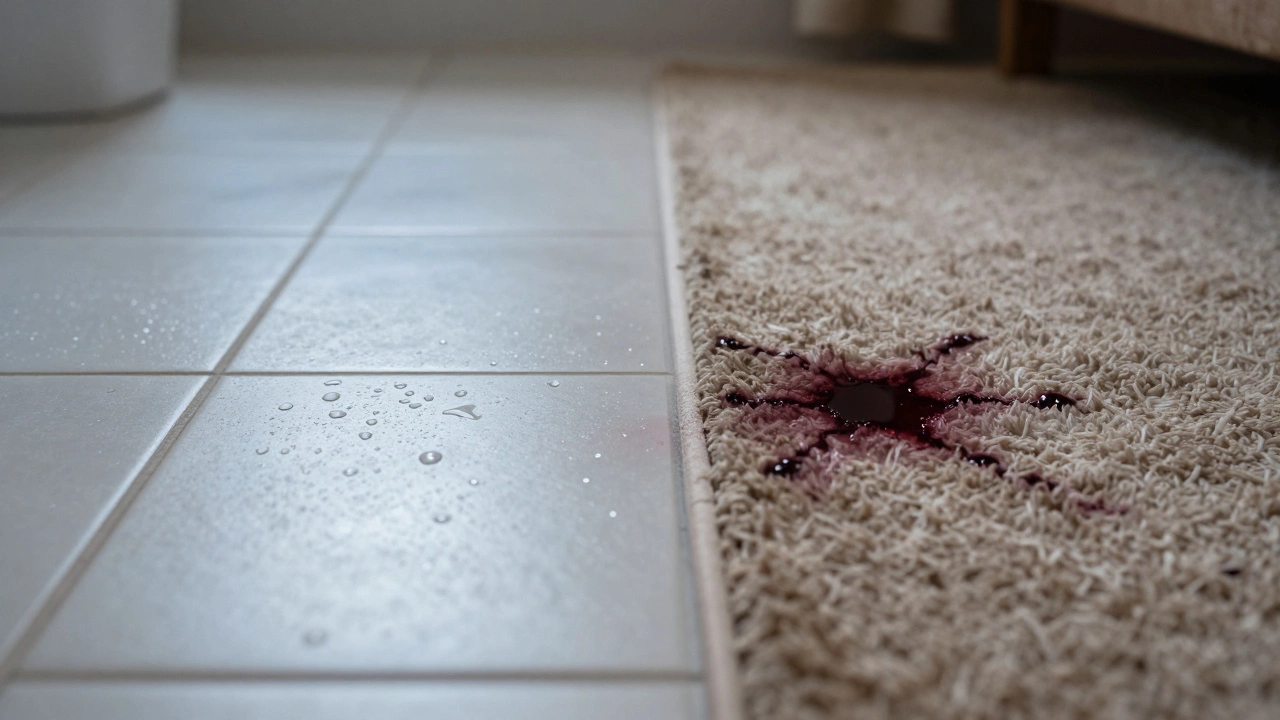
Consider the bathroom. While some modern bathrooms use waterproof vinyl or sealed stone throughout, traditional carpet or untreated hardwood will not survive the humidity and occasional splashes. Even water-resistant engineered wood has limits. If you commit to carpeting the whole house for comfort, you’re going to have a nightmare cleaning up after a flooded toilet or a spilled glass of wine in the bedroom.
Then there’s the issue of comfort versus durability. Tile is incredibly tough and easy to clean, which is why it dominates kitchens and entryways. But walking barefoot on cold porcelain at 7 AM in winter is miserable. Carpet offers warmth and sound dampening, but it traps allergens and stains easily. Trying to force one material to do both jobs often results in a compromise that satisfies neither need fully.
| Material | Durability | Water Resistance | Comfort | Best For |
|---|---|---|---|---|
| Luxury Vinyl Plank (LVP) | High | Excellent | Medium | Budget-friendly whole-home solutions |
| Engineered Hardwood | High | Low-Medium | Medium | Living areas, bedrooms (avoid wet zones) |
| Ceramic/Porcelain Tile | Very High | Excellent | Low (Hard/Cold) | Kitchens, bathrooms, entryways |
| Carpet | Low-Medium | Poor | High | Bedrooms, formal living rooms |
The Hybrid Approach: Zoning for Function
Most interior designers and contractors recommend a hybrid strategy. This doesn’t mean your home needs to look like a showroom with five different floors, but it does mean respecting the function of each room. The goal is to minimize transitions without sacrificing performance.
A common successful pattern is to use a durable, water-resistant material like Luxury Vinyl Plank (LVP)a synthetic flooring option that mimics wood or stone while offering superior water resistance and affordability or porcelain tile in the "wet" and "dirty" zones: the kitchen, bathrooms, laundry room, and entryway. Then, transition to something softer like engineered hardwood or low-pile carpet in the "dry" and "quiet" zones: the living room, dining room, and bedrooms.
The key to making this work visually is consistency in tone and style. If you choose a warm honey-colored oak LVP for the kitchen, try to find a hardwood or carpet in a similar warm neutral palette for the living room. Avoid clashing styles-don’t pair rustic farmhouse tile with sleek, modern white carpet. Keep the grout lines, plank widths, or pile heights somewhat consistent to maintain a cohesive feel even if the materials differ.
Cost Implications: Budgeting for Your Choice
Money talks, and flooring is a significant line item in any renovation. Installing the same material throughout can save money on labor, as mentioned earlier, but it might cost more in materials if you’re forcing a premium product into inappropriate areas.
For example, using high-grade solid hardwood in a bathroom is a recipe for disaster and waste. You’d be paying top dollar for wood that will likely warp within a few years. Conversely, using cheap carpet in a high-traffic hallway means you’ll be replacing it every three to five years, whereas a durable vinyl or tile could last fifteen or twenty. When calculating costs, look at the total cost of ownership over ten years, not just the initial installation price.
In New Zealand, where weather can be damp and winters cool, thermal insulation is also a factor. Concrete slab homes can feel freezing with tile throughout. Adding underfloor heating solves this but adds significant upfront electrical costs. Carpet provides natural insulation but may harbor mold in humid climates if not maintained properly. LVP sits in the middle, offering decent thermal properties and moisture resistance, making it a popular choice for Kiwi homeowners looking for a balance.
Resale Value and Buyer Preferences
If you plan to sell your home in the next five to ten years, consider what buyers expect. In many markets, including Wellington, buyers appreciate modern, low-maintenance flooring. A home with wall-to-wall carpet from the 1990s often signals "needs updating" to potential purchasers. On the other hand, a home with consistent, high-quality LVP or engineered wood throughout the main living areas is seen as move-in ready.
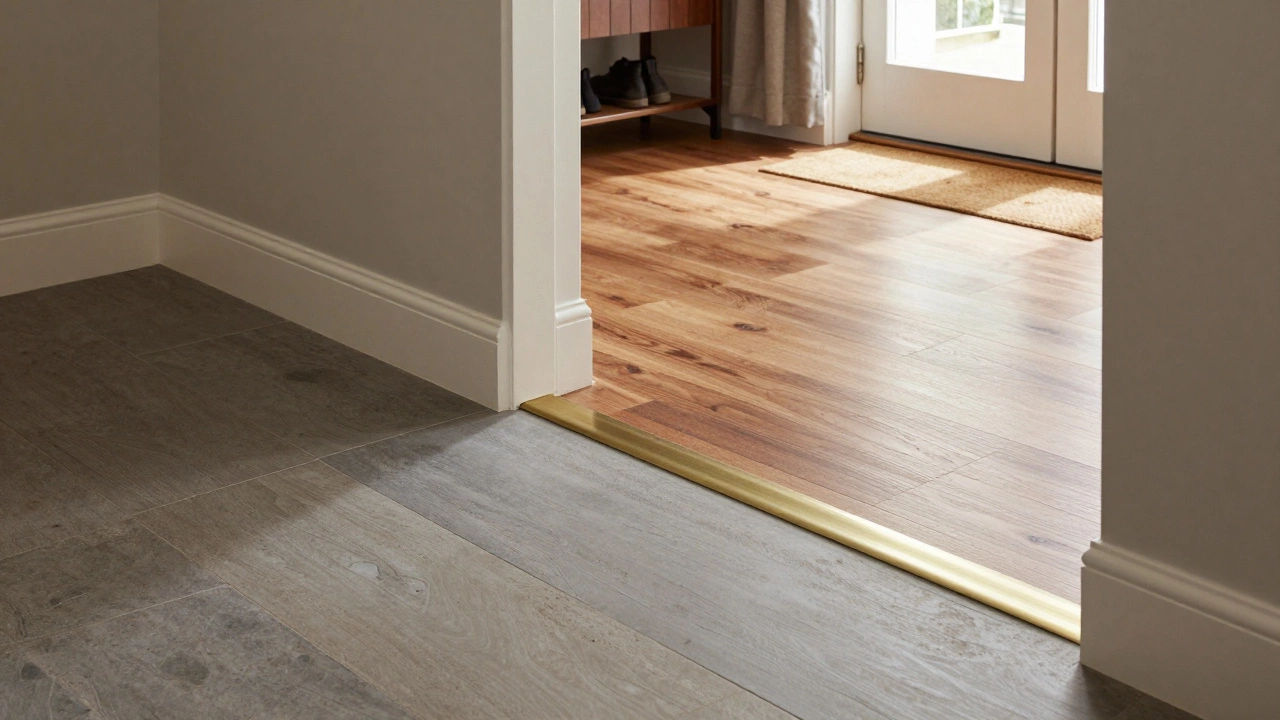
However, extreme uniformity can sometimes backfire if it looks unnatural. Buyers might question why you put carpet in the kitchen or tile in the master bedroom. Stick to conventional wisdom for resale value: durable floors in public/wet areas, comfortable floors in private/dry areas. Just ensure the transition between them is clean and professional. Sloppy transitions are a red flag for poor craftsmanship.
Making the Decision: A Quick Checklist
Before you sign off on a quote, ask yourself these questions:
- What is my lifestyle? Do you have pets, young children, or host frequent parties? If yes, prioritize durability and stain resistance (vinyl/tile) over pure aesthetics.
- How much time do I spend barefoot? If you value comfort, avoid full-house tile unless you invest in underfloor heating.
- What is my climate? In humid areas, avoid carpet in ground-floor rooms. In dry, cold areas, consider the insulating properties of your choice.
- What is my budget? Can I afford premium materials for every room, or should I mix high-end and mid-range options strategically?
- Am I staying long-term? If yes, choose what you love. If selling soon, choose what appeals to the broadest market.
Frequently Asked Questions
Can I use the same flooring in the kitchen and living room?
Yes, absolutely. Using the same material, such as Luxury Vinyl Plank (LVP) or engineered hardwood, between the kitchen and living room creates a seamless, spacious look. Just ensure the material is water-resistant enough for kitchen spills.
Is it bad to have carpet in the bedroom and tile in the rest of the house?
Not at all. This is a very common and practical setup. Tile handles the wear and tear of hallways and kitchens, while carpet adds warmth and noise reduction to bedrooms. Just use a quality transition strip to make the change look intentional.
Does having the same flooring throughout increase home value?
It can, if the flooring is high-quality and appropriate for the spaces. Consistent, modern flooring suggests a well-maintained home. However, forcing an unsuitable material (like carpet in a bathroom) can decrease value due to perceived maintenance issues.
What is the best flooring for a whole-house renovation on a budget?
Luxury Vinyl Plank (LVP) is currently the best budget-friendly option for whole-house coverage. It mimics the look of wood or stone, is highly durable, water-resistant, and generally cheaper to install than hardwood or natural stone.
How do I hide transition strips between different flooring types?
You can't always hide them completely, but you can minimize their visual impact. Use transition strips that match the dominant flooring color, or opt for a T-molding that blends both materials. In some cases, a threshold plate painted to match the trim can disguise the transition effectively.
Is engineered wood better than solid wood for whole-home use?
For most whole-home applications, engineered wood is often a better choice. It is more stable in varying humidity levels, can be installed over concrete slabs, and is less prone to warping. Solid wood is beautiful but requires stricter climate control and cannot be installed below grade.