
Interior Designer Cost Estimator
Estimate your potential design fees based on project scope and designer experience level.
Enter details to see your estimate.
Cost Breakdown
You walk into a showroom, spot the perfect velvet armchair, and realize you have no idea if it matches your rug. You could guess, or you could hire a pro. But then the second thought hits: what do most interior designers charge per hour? It’s the question that stops half of homeowners from getting help because they’re terrified of a surprise bill.
The truth is, there isn’t one single number stamped on every designer’s forehead. Rates swing wildly based on where you live, how famous the designer is, and what kind of project you’re tackling. A junior designer in a small town might charge less than your plumber, while a celebrity stylist in a major metropolis charges more than a corporate lawyer. But don’t let the range scare you off. Once you understand the pricing models-hourly, flat fee, or percentage-you can budget accurately and actually get value for your money.
The Real Numbers: Average Hourly Rates in 2026
Let’s cut to the chase. If you are looking for a ballpark figure to put in your spreadsheet right now, here is what the market looks like as of late 2026. Most independent interior designers charge between $75 and $150 per hour. This is the sweet spot for mid-level professionals who have been working for five to ten years. They know their stuff, they have vendor relationships, but they aren’t charging for a magazine cover feature.
If you hire a senior designer or a firm with a strong reputation, expect to pay between $150 and $300 per hour. These folks are often managing complex renovations, coordinating with contractors, and sourcing custom furniture. At the top end, celebrity designers or those with national brands can command $400 to $500+ per hour. Conversely, if you are just starting out or hiring a recent graduate, you might find rates as low as $50 to $75 per hour. Just be aware that lower rates sometimes mean less experience in problem-solving, which can cost you more in mistakes later.
| Designer Level | Experience | Hourly Rate Range | Best For |
|---|---|---|---|
| Junior Designer | 0-3 Years | $50 - $75 | Small refreshes, staging, e-design |
| Mid-Level Designer | 5-10 Years | $75 - $150 | Full room makeovers, kitchen updates |
| Senior Designer | 10+ Years | $150 - $300 | Whole-home renovations, new builds |
| Celebrity/Firm Principal | National Brand | $300 - $500+ | Luxury estates, high-profile clients |
Why Hourly Billing Isn’t Always the Best Deal
Here is the thing about hourly billing: it punishes efficiency. If a designer has done this a hundred times, they can pick paint colors in twenty minutes. But if they bill by the hour, they might stretch it to an hour to justify the time. Worse, if they hit a snag-like a backordered sofa-they might spend three hours chasing logistics instead of designing.
Because of this, many experienced designers prefer flat fees or retainer models. A flat fee gives you peace of mind. You agree on a price for a specific scope-say, "Design my living room including floor plan, shopping list, and two revisions"-and that’s the price. No watching the clock. If they finish early, great. If they need extra time, that’s on them. This model works best when the project scope is crystal clear. If you keep changing your mind halfway through, the designer will likely add change-order fees, which can creep up.
Then there’s the percentage-based model. Some firms charge 10% to 20% of the total project cost. This aligns their incentive with yours: if they source expensive items, their fee goes up. It sounds fair, but it can incentivize them to push pricier products. Ask yourself: do I trust this person to recommend the *right* product, or the *most profitable* one? Transparency is key here. Always ask if they receive commissions from vendors and whether those commissions offset their design fee.
Factors That Skyrocket Your Bill
Your location plays a massive role. Living in Wellington, Auckland, or Sydney means higher overheads for rent and wages, so designers charge more. In rural areas, rates drop, but you might pay travel fees if the designer needs to visit your site. Don’t forget to ask about travel costs; some include a certain radius, others charge mileage plus time.
Project complexity is the other big lever. Swapping out cushions and hanging art is easy. Moving walls, relocating plumbing, or installing custom millwork requires coordination with architects and contractors. That coordination takes time-emails, site visits, phone calls-and all of that is billable. If you want a full renovation, expect to pay for the project management aspect, not just the pretty pictures.
Also, consider the software and tools they use. Professional designers pay for subscriptions to platforms like SketchUp, AutoCAD, or specialized procurement databases. While these costs are usually baked into the hourly rate, knowing they exist helps you understand why a quick sketch from a friend doesn’t compare to a technical drawing from a pro. The latter ensures your contractor builds exactly what you envisioned, saving you thousands in rework.
How to Prepare So You Don’t Waste Money
Nothing burns through an hourly budget faster than indecision. Before you hire anyone, gather inspiration. Create a Pinterest board or save Instagram posts. Know roughly what style you like-Scandi, Industrial, Bohemian-and what you hate. If you tell a designer "I don't know," they’ll spend hours trying to extract answers from you. That’s your money evaporating.
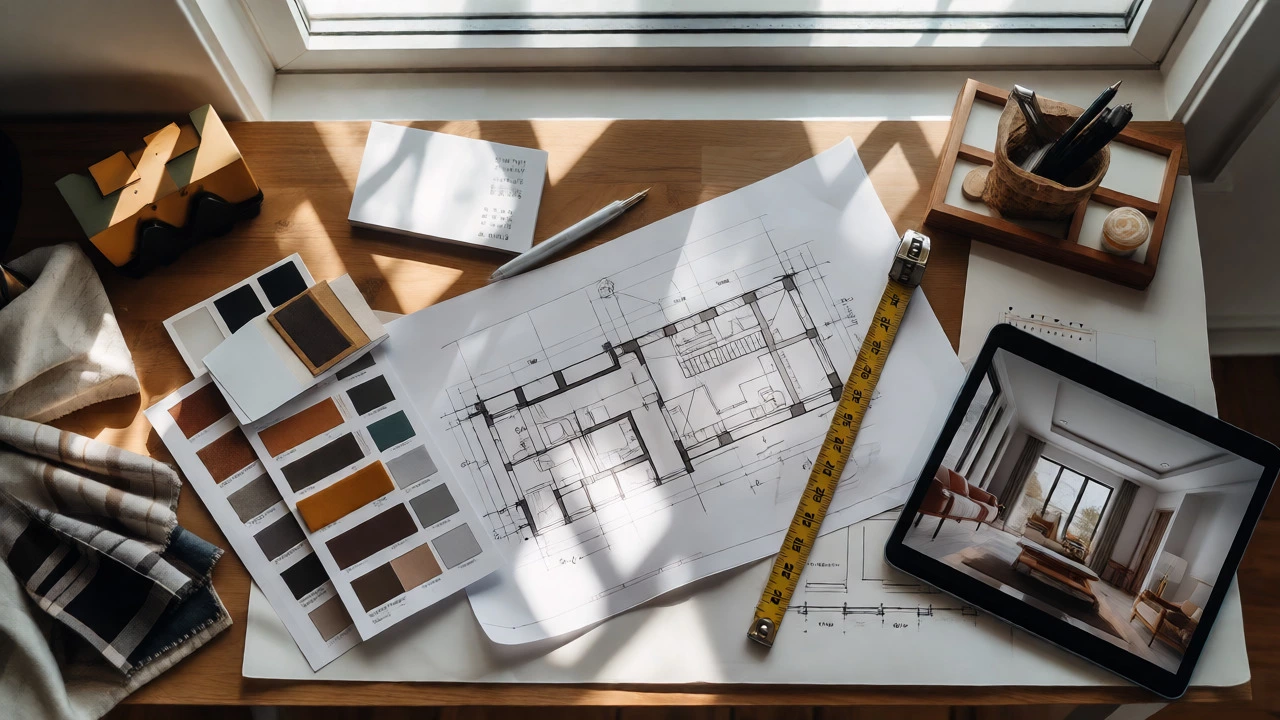
Measure your space. Have basic dimensions ready. Do you need electrical outlets moved? Are there weird angles or low ceilings? Giving the designer this info upfront saves them discovery time. Also, set a realistic budget for furnishings. If you say you have $5,000 for a living room but only look at sofas that cost $3,000, the designer has to work harder to find options that fit. Clear communication prevents scope creep.
Ask about minimum hours. Many designers won’t take on projects under four or eight hours. If you only need advice on paint colors, you might still pay for a minimum block of time. Alternatively, look for e-design services. These online-only packages often start at $299 for a single room. You upload photos and measurements, and they send back a mood board and shopping links. It’s cheaper, but you lose the hands-on site visits and detailed installation oversight.
Red Flags and Green Lights When Hiring
When interviewing designers, watch how they talk about money. A green light is someone who explains their fee structure clearly without hesitation. They should provide a written contract detailing what is included. Does the fee cover revisions? How many? What happens if the project stalls due to supply chain issues? Good designers document everything.
A red flag is vague answers. If they say, "It depends," and can’t give you a range or examples of past similar projects, walk away. Another warning sign is pushing you to buy everything from their exclusive vendors without explaining the markup. You should always have the option to purchase elsewhere, even if it means paying a slightly higher design fee for the convenience.
Check their portfolio for projects similar to yours. If you’re doing a small apartment, don’t hire someone who only does large estates. Their workflow and pricing structure won’t match your needs. Look for reviews that mention reliability and communication, not just aesthetics. A beautiful design delivered six months late and over budget is a headache, not a dream.
Is Hiring a Designer Worth the Cost?
Think about the cost of mistakes. Buying the wrong sofa size, choosing paint that clashes with your flooring, or ordering curtains that don’t hang right can cost hundreds or thousands to fix. A designer’s fee is essentially insurance against these errors. Plus, they have trade discounts. If they save you 20% on furniture and lighting, that discount alone might cover a significant portion of their hourly rate.
Consider your own time value. If you spend weekends running around stores, measuring, and arguing with contractors, what is that worth to you? If you earn $50 an hour in your day job, spending 20 hours on design tasks costs you $1,000 in lost leisure or productivity. Paying a designer $1,200 might actually be cheaper in terms of life quality and stress reduction.
Ultimately, the right designer pays for themselves through better outcomes and fewer regrets. You get a cohesive home that functions well for your lifestyle, not just a collection of random pretty things. And when it comes time to sell, a professionally designed home often appeals to buyers more quickly, potentially increasing your property value.
Do interior designers charge for initial consultations?
Many designers offer a free 15-30 minute phone consultation to discuss your project. However, in-person site visits or detailed discovery meetings often incur a fee, typically ranging from $100 to $300. This fee is sometimes credited toward the design package if you hire them.
What is the difference between interior design and interior decorating?
Interior design involves structural changes, spatial planning, and building codes, often requiring a licensed professional. Interior decorating focuses on surface aesthetics like color, furniture, and accessories. Designers generally charge higher rates ($150+/hr) compared to decorators ($50-$100/hr) due to the technical expertise involved.
Are design fees tax-deductible?
For primary residences, design fees are rarely tax-deductible. However, if you are a landlord, real estate investor, or run a business from home, portions of the design fee may be deductible as capital improvements or business expenses. Consult a tax professional for your specific situation.
How long does a typical design project take?
A single room refresh might take 2-4 weeks. A full home renovation can take 3-6 months or longer, depending on construction timelines and furniture lead times. Supply chain delays remain a common factor in 2026, so always build a buffer into your schedule.
Can I negotiate interior design fees?
Yes, especially for larger projects. You can negotiate the flat fee or ask for a phased approach where you pay for design concepts first and implementation later. Be wary of steep discounts, as they might indicate a lack of confidence or hidden costs.