Storage Mold Risk Calculator
Unit Conditions
Risk Assessment
Select your storage conditions and click Calculate to see your mold risk level.
You drop off your boxes at the self-storage facility, pay your monthly fee, and walk away feeling relieved. You’ve cleared out the garage or finished a renovation. But weeks later, when you finally go to retrieve that old sofa or those holiday decorations, you hit a wall of musty air. The cardboard is soft. The fabric smells wrong. Has mold taken over your belongings?
The short answer is yes. Mold absolutely grows in storage units. In fact, it is one of the most common reasons people lose items they paid to keep safe. It isn’t just bad luck; it’s biology meeting poor conditions. If you understand what mold needs to survive, you can stop it before it ruins your furniture or documents.
Why Storage Units Are Perfect for Mold Growth
To stop mold, you have to think like a spore. Mold is everywhere-in the air we breathe, on our clothes, and even inside new drywall. It stays dormant until three specific things happen: it finds food, it gets moisture, and the temperature suits it. Storage units provide all three with alarming ease.
Moisture is the primary culprit. Most standard storage facilities are built with concrete floors and metal roofs. Concrete is porous. Even if the ground looks dry, water vapor rises through the slab (a process called capillary action) and settles into anything sitting directly on the floor. Metal roofs, meanwhile, trap heat during the day and cool down rapidly at night. This cycle causes condensation-tiny water droplets forming on surfaces, much like sweat on a cold soda can.
Temperature fluctuations make this worse. In many regions, storage units aren't insulated. When the sun beats down on a black metal roof, the interior can reach temperatures over 100°F (38°C). At night, it drops significantly. This rapid swing creates a greenhouse effect where humidity spikes. Mold loves relative humidity levels above 60%. In an unconditioned unit, that threshold is crossed daily.
Finally, there is the Food source. Mold eats organic matter. Paper, cardboard, wood, cotton, wool, and leather are all delicious to fungi. If you store books, photo albums, or wooden furniture without protection, you are essentially setting a buffet table for mold colonies.
What Items Are Most at Risk?
Not everything in your unit faces the same danger. Understanding which materials are vulnerable helps you prioritize your packing strategy. Some items are basically magnets for fungal growth.
| Item Category | Material Type | Mold Risk Level | Primary Vulnerability |
|---|---|---|---|
| Paper Documents & Books | Cellulose (Paper/Cardboard) | High | Absorbs moisture quickly; stains permanently |
| Fabric Furniture & Upholstery | Cotton, Wool, Polyester | High | Traps humidity deep within fibers |
| Wooden Furniture | Solid Wood, Plywood | Medium-High | Warps and cracks; surface mold spreads fast |
| Leather Goods | Tanned Hide | Medium | Dries out and cracks; mold eats natural oils |
| Plastic Containers | Polypropylene/Polyethylene | Low | Inert material; only grows on surface if dirty |
| Metal Appliances | Steel/Aluminum | Low | Rusts instead of molding, but damages nearby fabrics |
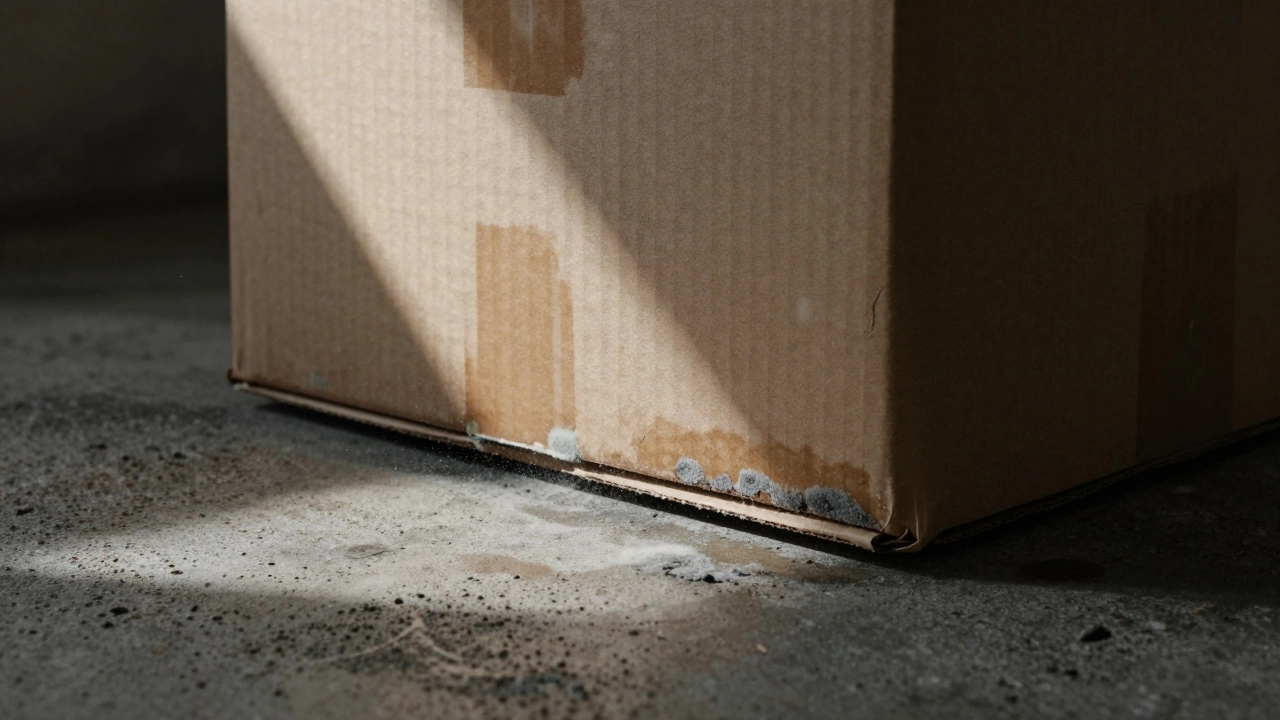
If you are storing wedding dresses, vintage records, or important tax files, these require extra care. Cardboard boxes are particularly dangerous because they wick moisture from the concrete floor up into their contents. A box sitting on a concrete slab can become damp within days, turning the papers inside into a sticky, moldy mess.
How to Prevent Mold Before You Store
Prevention is infinitely cheaper than remediation. Once mold sets into fabric or paper, it is often impossible to remove completely. The key is to control the environment around your items. You don’t need to be a scientist to create a hostile environment for mold.
- Clean Everything First: Never store dirty items. Food crumbs, skin cells, and dust are fuel for mold. Vacuum upholstered furniture thoroughly. Wipe down wooden surfaces. Wash clothing before packing. If you pack a jacket with a hidden coffee stain, that stain becomes a mold hotspot.
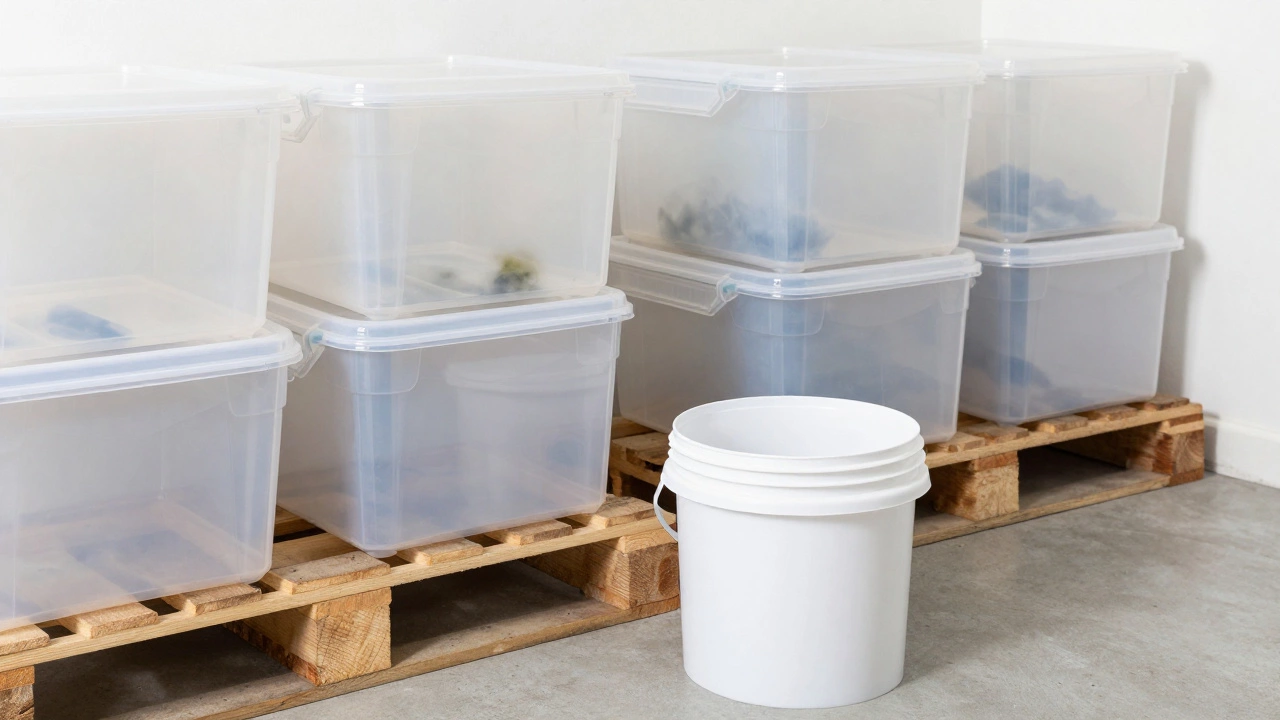
- Use Plastic Bins, Not Cardboard: Swap out cardboard boxes for clear, heavy-duty plastic storage bins with locking lids. Plastic is impermeable to moisture. Clear bins also allow you to inspect contents without opening them, reducing the chance of introducing humid air.
- Elevate Your Belongings: Nothing should touch the concrete floor. Use pallets, shelving units, or thick plastic sheets. Create a gap of at least six inches between the floor and your items. This allows air to circulate underneath, preventing the capillary action that pulls moisture up.
- Control Humidity Actively: Place desiccants in your containers. Silica gel packets are great for small boxes, but for larger units, consider using calcium chloride-based moisture absorbers (like DampRid). These buckets pull water out of the air and collect it as liquid. Check and empty them every few months.
- Ventilate Smartly: If your unit has vents, do not block them. Airflow is your friend. Stagnant air traps humidity. When you visit the unit, leave the door open for 15-20 minutes to let fresh air flush out stale, moist air.
Choosing the Right Facility
Your choice of storage provider plays a massive role in mold prevention. Not all units are created equal. The cheapest option often lacks the infrastructure to protect your goods.
Climate-controlled storage is the gold standard for mold prevention. These units maintain a consistent temperature (usually between 55°F and 80°F) and regulate humidity levels. While they cost more-often 20% to 50% higher than standard units-they drastically reduce the risk of condensation and extreme heat swings. If you are storing high-value items like antiques, electronics, or artwork, this premium is worth every penny.
Look for facilities with proper drainage. The lot surrounding the building should slope away from the foundation. If you see puddles near the entrance after rain, walk away. Also, check the condition of the doors. Rubber gaskets on roll-up doors should be intact to keep out rain and pests. Rodents can chew through insulation and introduce nesting materials that hold moisture, creating secondary mold issues.
Identifying Early Signs of Mold
You might not notice mold immediately. It often starts subtly. Learn to spot the warning signs before they become a disaster.
- The Smell Test: Mustiness is the first indicator. It smells like wet dirt, old basements, or decaying leaves. If you walk into your unit and your nose wrinkles, investigate further.
- Visual Clues: Look for fuzzy spots. Mold can be black, green, white, or gray. White mold often appears on cardboard and looks like mildew. Black mold (Stachybotrys) is less common but highly toxic and appears as slimy black patches.
- Texture Changes: Paper that feels soft or spongy is absorbing moisture. Wood that feels cool and damp to the touch is likely holding water. Fabric that feels stiff may have dried mold residue embedded in the fibers.
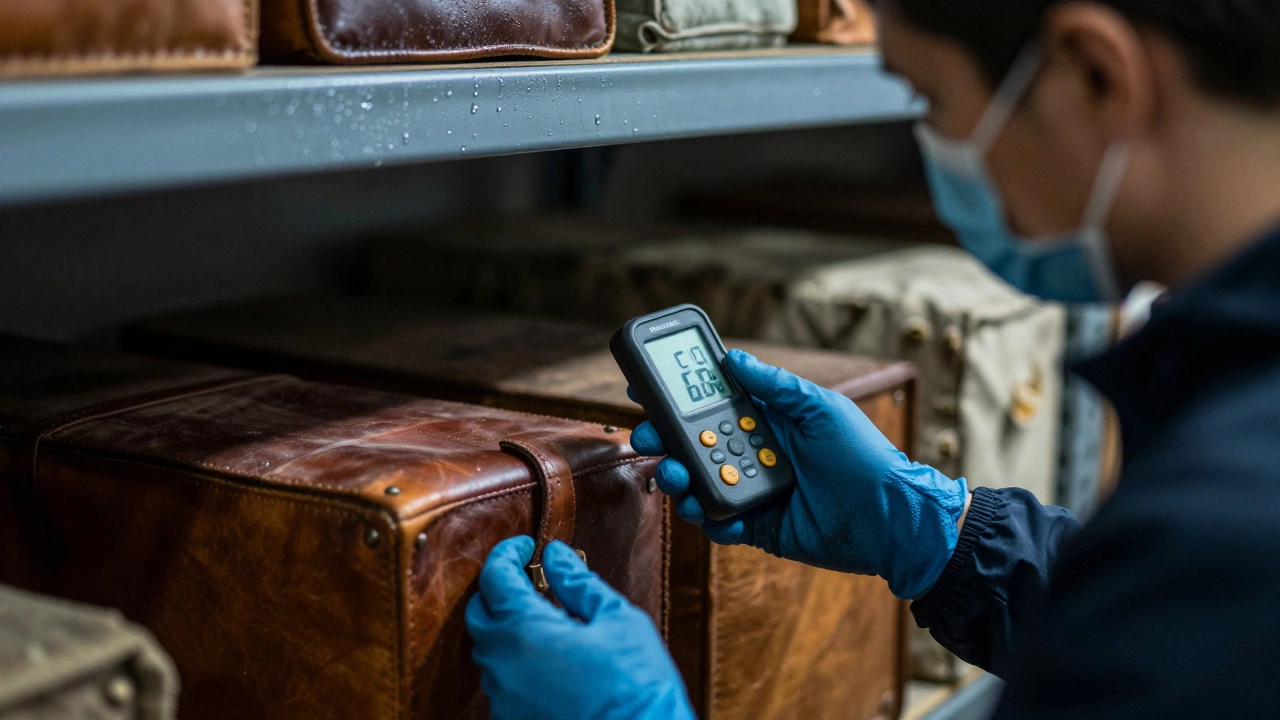
- Condensation: Water droplets on the walls, ceiling, or sides of your plastic bins indicate high humidity. This is a precursor to mold growth.
Removing Mold Safely
If you find mold, don’t panic, but act quickly. Do not simply wipe it away with a wet cloth-you will spread the spores. Here is how to handle contaminated items safely.
For Non-Porous Surfaces (Plastic, Metal, Glass): These are easy to save. Mix a solution of one cup of bleach per gallon of water. Wear gloves and a mask. Scrub the surface thoroughly, rinse with clean water, and let it dry completely in sunlight if possible. UV light helps kill remaining spores.
For Porous Materials (Fabric, Paper, Wood): This is trickier. For washable fabrics, add a cup of white vinegar to the washing machine cycle. Vinegar kills about 82% of mold species. Dry items on high heat. For non-washable upholstery or rugs, professional cleaning is usually required. Attempting to scrub mold out of a rug often pushes it deeper into the backing.
For paper documents, freezing can help stop active growth temporarily. Place affected papers in sealed plastic bags and freeze them for 48 hours. This kills the mold but does not remove the stains. After thawing, consult a document restoration specialist. Do not attempt to dry-clean important documents yourself.
If the mold infestation covers more than 10 square feet, or if you suspect black mold, hire professionals. Disturbing large colonies releases millions of spores into the air, which can cause respiratory issues, allergic reactions, and asthma attacks. Your health is more valuable than the stored items.
Long-Term Maintenance Tips
Storage is not a "set it and forget it" activity. To keep your items safe long-term, establish a routine.
Visit your unit at least once a quarter. Check the moisture absorbers and replace them if they are full. Inspect the seals on your bins. Ensure no leaks have developed in the roof or walls. Keep a small hygrometer (humidity gauge) in the unit. If the reading consistently stays above 60%, add more dehumidifiers or consider moving to a climate-controlled space.
Rotate your inventory if possible. Moving items slightly allows air to reach surfaces that have been stagnant. And always, always keep things off the floor. That simple habit saves thousands of dollars in potential damage.
How long does it take for mold to grow in a storage unit?
Under ideal conditions-high humidity, warm temperatures, and available food sources-mold can begin to germinate within 24 to 48 hours. Visible colonies typically appear within 7 to 14 days. In cooler, drier units, it may take several weeks or months.
Is it safe to sleep in a storage unit with mold?
No. Exposure to mold spores can cause serious health issues, including respiratory distress, chronic coughing, eye irritation, and skin rashes. People with asthma, allergies, or weakened immune systems are at higher risk. Never use a storage unit as living space.
Can I use a dehumidifier in my storage unit?
Yes, but check with your facility manager first. Many units lack electrical outlets. If power is available, a portable dehumidifier set to 50-55% humidity can effectively prevent mold. Ensure the unit drains properly or empty the reservoir regularly.
Does insurance cover mold damage in storage units?
It depends on your policy. Standard renter's or homeowner's insurance often excludes mold damage caused by neglect or lack of maintenance. However, some policies cover sudden accidental water damage. Always review your fine print and consider purchasing additional storage insurance that specifically includes mold coverage.
Should I throw away moldy items?
If an item is porous and heavily infested (like a carpet or cheap furniture), it is usually safer to discard it. Cleaning porous materials rarely removes all spores. For valuable or sentimental items, consult a professional restorer before throwing them away.