Furniture Mould Risk Calculator
Ready to Calculate
Adjust the settings and click "Assess Mould Risk" to see your vulnerability score and prevention tips.
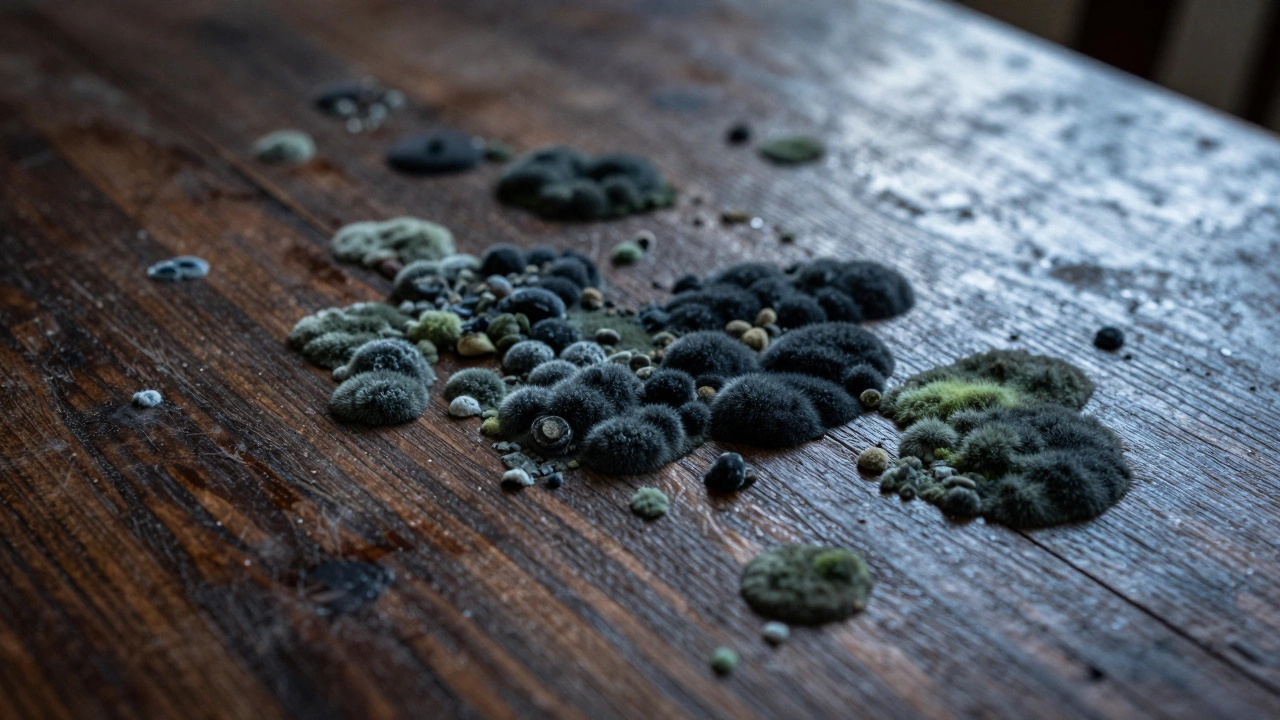
Imagine pulling your favorite wooden dining table out of storage after six months, only to find it covered in fuzzy black spots. The smell hits you first-musty, earthy, and deeply unpleasant. This isn't just a cosmetic issue; mould can permanently damage wood grain, rot fabric, and even pose health risks if left unchecked. So, does furniture actually go mouldy in storage? The short answer is yes, but only under specific conditions. If you control those conditions, your furniture stays pristine.
Mould doesn't appear out of thin air. It needs three things to survive: moisture, organic material (like wood or cotton), and warmth. In a typical storage unit or spare room, the organic material is already there-that's your furniture. The warmth is usually present too. The variable you can control is moisture. Without proper preparation and environment management, even high-end pieces can succumb to fungal growth within weeks.
The Science Behind Mould Growth on Furniture
To prevent mould, you need to understand what triggers it. Mould spores are everywhere-in the air, on our skin, and floating around storage facilities. They remain dormant until they land on a surface with enough moisture to activate them. For most common household moulds, this activation threshold is a relative humidity (RH) level above 60%. When RH drops below 50%, mould growth stops entirely.
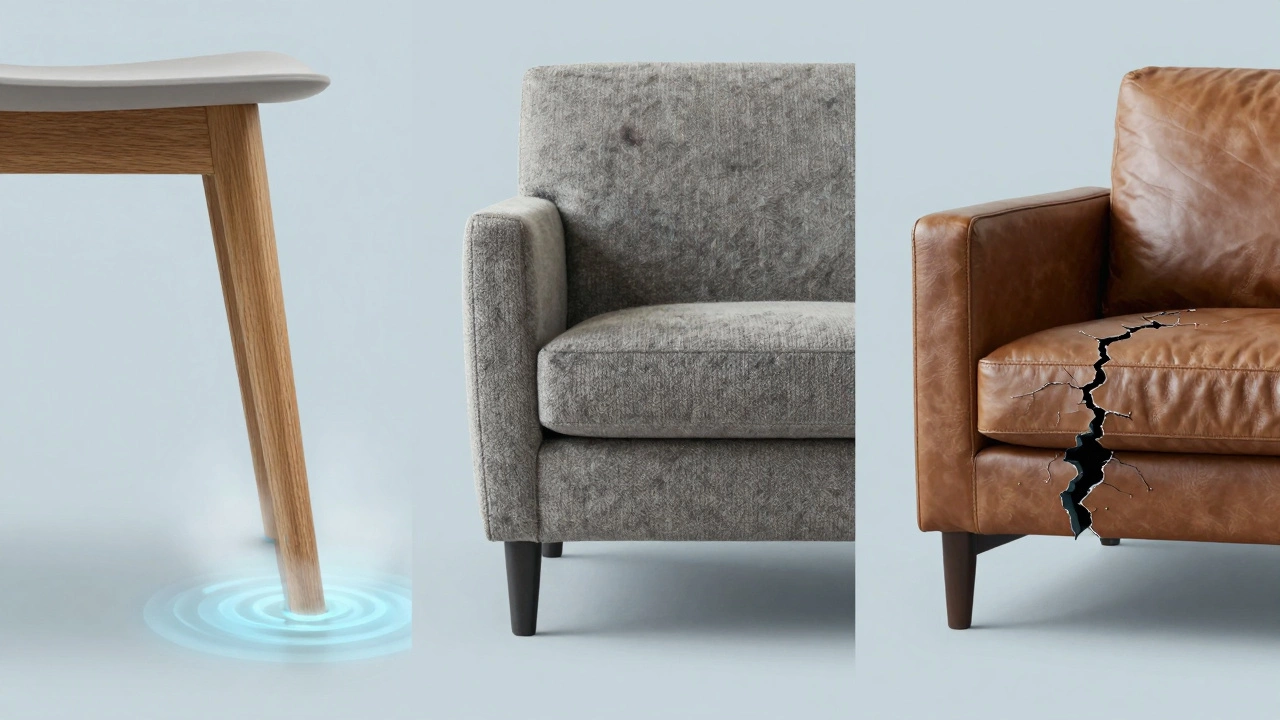
Different materials react differently to humidity. Solid wood acts like a sponge. Oak, pine, and walnut absorb moisture from the air, swell, and then become prime breeding grounds for fungi. Upholstered furniture made with natural fibers like wool, cotton, or linen is even more vulnerable because these materials trap moisture deep within their structure. Synthetic fabrics like polyester are more resistant, but not immune, especially if dirt or food stains are present, as these residues provide nutrients for mould.
| Material | Risk Level | Primary Vulnerability |
|---|---|---|
| Solid Wood | High | Absorbs ambient moisture, leading to warping and surface mould |
| Upholstery (Natural Fiber) | Very High | Traps moisture inside cushions and frames |
| Metal | Low | Rusts instead of moulding, but supports mould on nearby dust |
| Leather | Medium | Cracks allow moisture ingress; mould grows in crevices |
| Synthetic Fabric | Low-Medium | Resists water but holds odors if stained |
Common Storage Mistakes That Invite Mould
Most people don't intend to ruin their furniture, but small oversights create perfect storm conditions. One of the biggest errors is storing furniture while it's still slightly damp. If you've recently cleaned a sofa or moved a chair through rain, it might feel dry to the touch but still hold internal moisture. Storing it immediately traps that water.
Another frequent mistake is overcrowding. Air circulation is critical. When you pack boxes tightly against each other or stack chairs without gaps, you create micro-climates where humid air gets trapped. These stagnant pockets quickly reach saturation levels, encouraging mould growth on the surfaces touching each other.
Ignoring the storage environment itself is also costly. Many self-storage units are uninsulated metal sheds. In Wellington’s climate, or anywhere with seasonal temperature swings, condensation forms when warm, moist air hits cold metal walls or floors. This "thermal bridging" creates pools of moisture at the base of your furniture, often damaging the bottom legs and feet first.
Step-by-Step Preparation Before Storing
Preparation is your best defense. You can't change the weather, but you can change how your furniture enters storage. Follow this process to ensure everything goes into storage bone-dry and clean.
- Clean Thoroughly: Dust attracts moisture. Use a vacuum with an upholstery attachment to remove all dust from sofas and chairs. Wipe down wood surfaces with a mild detergent solution, then dry completely. Remove any food stains or spills, as these feed mould.
- Dry Completely: Allow furniture to air out in a well-ventilated, dry area for at least 24-48 hours before packing. For upholstered items, consider using a fan to speed up drying.
- Disassemble When Possible: Take apart tables, beds, and modular sofas. This allows air to reach hidden joints and reduces the chance of trapped moisture between components.
- Apply Protective Coatings: For wood, apply a thin layer of furniture wax or polish to seal the pores. For leather, use a conditioner to maintain flexibility and resistance.
Choosing the Right Storage Environment
Not all storage spaces are created equal. If you have the option, choose a climate-controlled unit. These units maintain consistent temperature and humidity levels, keeping RH below 50% year-round. This is the gold standard for protecting valuable antiques or sensitive woods.
If climate control isn't available, look for an indoor, ground-floor unit away from exterior walls. Exterior walls are prone to condensation and temperature fluctuations. Avoid basement storage unless you have a reliable dehumidifier, as basements naturally accumulate groundwater vapor.
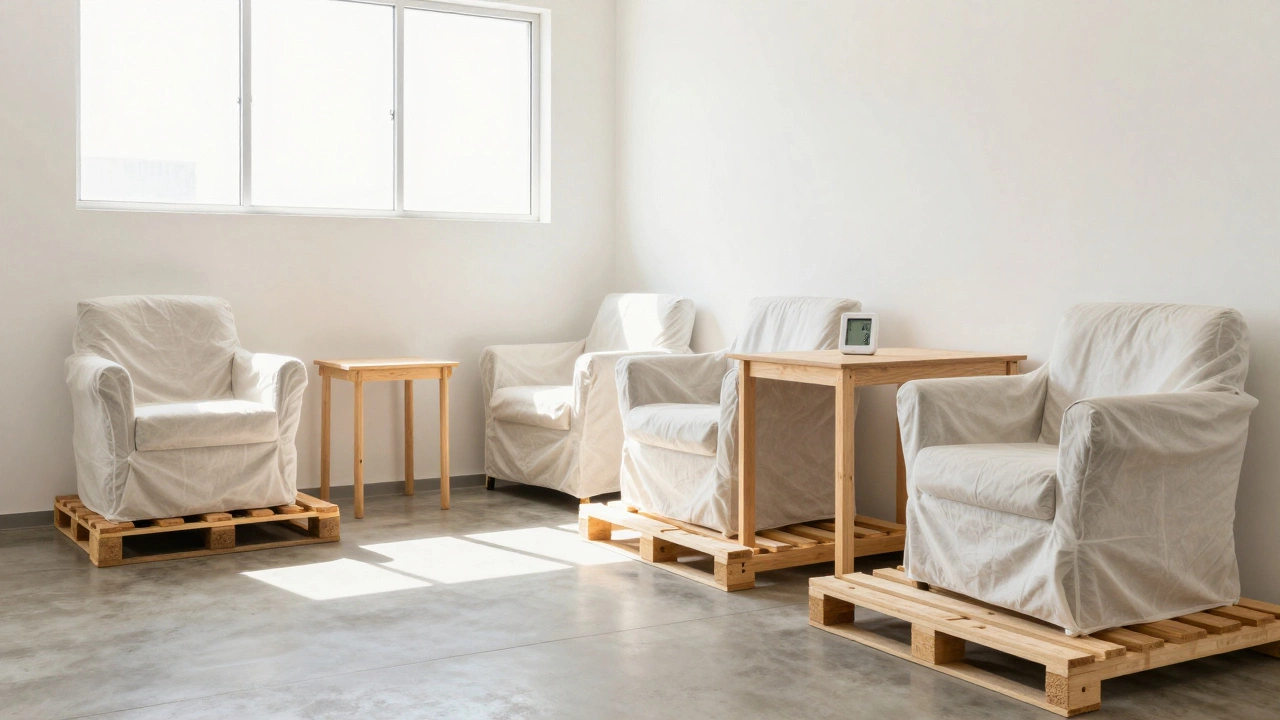
When placing furniture in the unit, never put items directly on the concrete floor. Concrete wicks moisture from the ground. Use pallets, plastic sheets, or cardboard boxes as a barrier. Elevate furniture slightly to allow air to circulate underneath. Leave at least 10-15 centimeters of space between items and walls to promote airflow.
Using Moisture Absorbers and Desiccants
Even in a good storage unit, occasional humidity spikes happen. Adding passive moisture control measures provides an extra layer of security. Silica gel packets are effective for small enclosed spaces, like drawers or cabinets. For larger areas, calcium chloride-based moisture absorbers (often sold as "dry boxes") are highly efficient. They pull water vapor from the air and collect it in a reservoir, which you empty periodically.
Charcoal briquettes are another affordable option. Place activated charcoal in open containers around your storage unit. Charcoal absorbs both moisture and odors, helping to keep the air fresh. Replace or re-bake the charcoal every few months to maintain effectiveness.
If you're storing in a garage or spare room, consider running a dehumidifier continuously. Set it to maintain 40-50% RH. Monitor the level with a simple hygrometer-a small device that measures humidity. This gives you real-time data and alerts you if conditions are becoming risky.
Protective Coverings: To Wrap or Not to Wrap?
This is a common point of confusion. Plastic sheeting is often used, but it can be dangerous if misused. Plastic traps moisture. If there's any residual dampness in the furniture, wrapping it in plastic creates a greenhouse effect, accelerating mould growth. Never wrap furniture in impermeable plastic unless it is 100% dry and sealed airtight.
Instead, use breathable covers. Cotton dust sheets or specialized furniture blankets allow air to pass through while protecting against dust and scratches. If you must use plastic for short-term protection (e.g., during a move), leave it loose and check regularly for condensation. Better yet, use a combination: wrap in breathable fabric first, then loosely cover with plastic if needed for transport.
Regular Maintenance During Storage
Storage isn't "set and forget." Check on your furniture at least once a month. Look for signs of moisture, such as water droplets on surfaces or a musty smell. If you notice any issues, remove the item, dry it thoroughly, and treat it with an anti-mould spray before returning it.
Rotate items if possible. Moving furniture slightly changes the airflow patterns and prevents localized damp spots. Clean the storage area itself to remove dust buildup, which can retain moisture. Keep the door closed as much as possible to minimize external humidity entering the space.
How long does it take for furniture to get mouldy in storage?
In high-humidity conditions (above 70% RH), visible mould can appear on porous materials like wood and fabric within 2-3 weeks. In moderate humidity (50-70%), it may take several months. Low humidity environments prevent mould growth indefinitely.
Can I store upholstered furniture in a plastic bag?
Only if the upholstery is completely dry and the bag is sealed airtight. However, this is risky. A better option is to use breathable cotton covers. If you use plastic, ensure no moisture was trapped inside, and check regularly for condensation.
What is the best way to remove mould from stored furniture?
For hard surfaces, wipe with a mixture of white vinegar and water (1:1 ratio). For fabric, use a specialized mould remover or take it to a professional cleaner. Always wear a mask and gloves when handling mouldy items to avoid inhaling spores.
Is self-storage safe for expensive antiques?
Standard self-storage units are not ideal for high-value antiques due to temperature and humidity fluctuations. Choose a climate-controlled facility specifically designed for fine goods. Ensure the unit maintains stable RH levels between 40-50%.
Do silica gel packets work for large storage units?
Silica gel is effective for small, enclosed spaces like drawers or cabinets. For entire rooms or large storage units, you need larger capacity solutions like calcium chloride buckets or electric dehumidifiers to manage the volume of air effectively.
Preventing mould in storage comes down to controlling moisture. By cleaning thoroughly, choosing the right environment, using desiccants, and maintaining regular checks, you can keep your furniture safe for years. Don't let humidity ruin your investment-take proactive steps today.