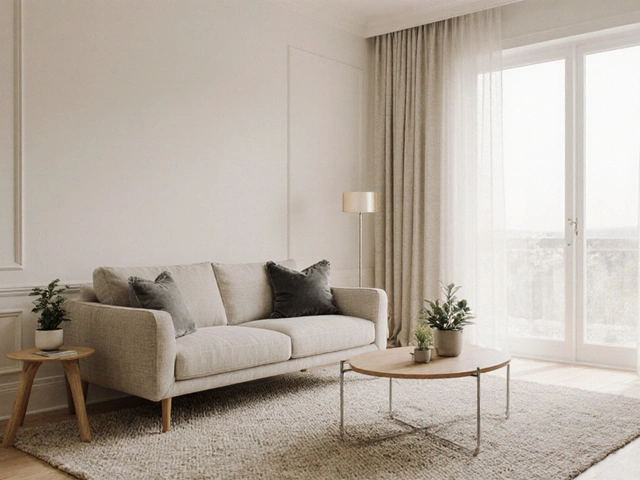
Couch vs. Sofa Set Selector
Your Preferences
Recommendation
Summary goes here.
You walk into a furniture store, or maybe you’re scrolling through an online catalog, and you see two terms that seem to mean the exact same thing: couch is a piece of seating furniture designed for relaxation, often with a back and arms. Then there’s the sofa set, which refers to a coordinated group of seating pieces sold together as a single unit. It’s confusing. Are they interchangeable? Can you use them in your home decor without looking like you don’t know what you’re doing? The short answer is no-they aren’t the same. One is a single object; the other is a collection.
The difference isn’t just semantic nitpicking. It changes how you plan your living room, how much space you need, and how much money you spend. If you’re trying to decide between buying a standalone seat or a matching ensemble, understanding this distinction saves you from buying furniture that doesn’t fit your lifestyle or your budget.
The Couch: A Standalone Statement
When people say “couch,” they are usually referring to a single piece of furniture. Think of it as the individual hero of your living room. In modern usage, the word couch often implies a more casual, relaxed vibe. You might find yourself saying, “I’m going to crash on the couch after work.” It suggests comfort, informality, and perhaps a bit of laziness.
A standard couch typically seats two to three people. It has a backrest and armrests, but its primary job is to be a comfortable spot for one or two people to sit, lounge, or nap. Because it’s a single unit, you have total freedom with how you place it. You can put a couch against a wall, in the middle of the room facing a TV, or even angled toward a fireplace. It doesn’t need to match anything else in the room.
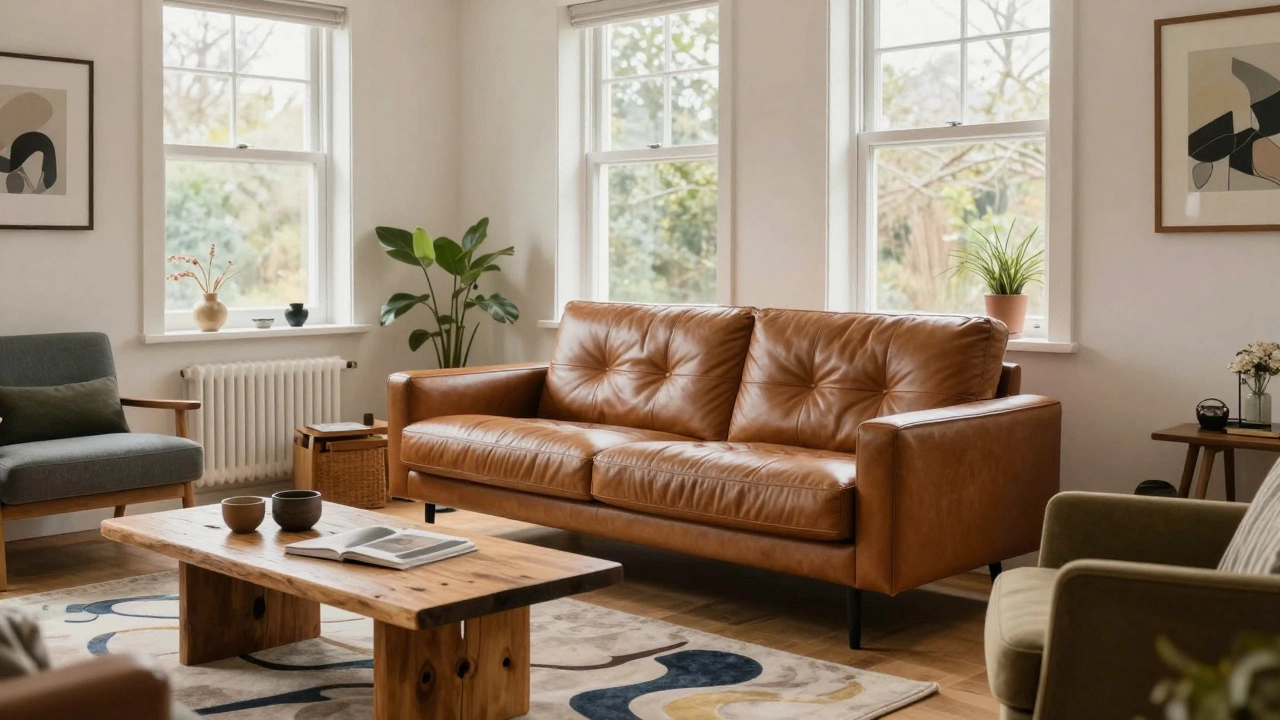
This flexibility makes couches ideal for smaller apartments or open-concept spaces where you want to mix and match styles. You could pair a mid-century modern leather couch with a rustic wooden coffee table and a contemporary rug. No one will blink because the couch is independent. It doesn’t come with rules about what surrounds it.
In New Zealand homes, where indoor-outdoor living is common, a standalone couch might be placed near large glass doors to take advantage of natural light. Its simplicity allows it to blend into various design schemes without demanding coordination. If you value versatility and ease of movement-especially if you move houses often-a single couch is often the smarter choice.
The Sofa Set: Coordinated Comfort
Now, let’s look at the sofa set. This term describes a group of furniture pieces designed to go together. A typical sofa set includes a main sofa (often called a sofa or davenport), one or two armchairs, and sometimes a loveseat. These pieces share the same fabric, color, frame style, and upholstery details.
The purpose of a sofa set is harmony. When you buy a set, you’re buying a complete look. Every piece echoes the others. The armchair matches the sofa exactly. The ottoman complements the chair. This creates a unified aesthetic that can make a room feel polished and intentional. For formal living rooms or larger spaces where you want to define a specific seating area, a sofa set provides structure.
However, this unity comes with constraints. A sofa set dictates your layout. You can’t easily swap out the armchair for a different style because it won’t match. If you decide you want a brighter accent color later, you’ll likely need to replace the entire set, not just one piece. This lack of modularity can be a downside if your taste changes frequently or if you prefer an eclectic interior design style.
Sets also require more floor space. You need enough room to accommodate the main sofa plus the accompanying chairs without making the room feel crowded. In smaller dwellings, a full sofa set can overwhelm the space, making it feel cluttered rather than cozy. It works best in homes where the living room is the primary gathering spot for family and guests.

Key Differences: Beyond the Name
To help you visualize the distinction, here’s a breakdown of how these two options compare across practical categories. Understanding these differences helps you choose based on your actual needs, not just marketing labels.
| Feature | Couch | Sofa Set |
|---|---|---|
| Composition | Single piece | Multiple matching pieces (sofa + chairs) |
| Flexibility | High - mix and match with other furniture | Low - pieces must stay together for visual consistency |
| Space Requirement | Less space needed | More space required for all components |
| Cost | Lower upfront cost | H higher upfront cost, but potentially better value per seat |
| Design Style | Casual, informal, versatile | Formal, coordinated, traditional |
| Moving & Rearranging | Easier to move and reposition | Bulkier, harder to rearrange due to multiple pieces |
Notice how cost plays a role. While a sofa set costs more initially, you’re getting multiple seats. If you calculate the price per person seated, a set might actually be cheaper than buying a high-quality couch and then separately sourcing matching armchairs. But if you only need seating for two or three people regularly, the extra chairs in a set might go unused, wasting money.
Which One Fits Your Lifestyle?
Your decision should hinge on how you live. Ask yourself: How many people do I need to seat comfortably? Do I entertain often? How big is my living room? And do I like changing my decor?
If you live alone or with a partner, a single couch is probably sufficient. It’s easier to maneuver, cheaper, and lets you experiment with other furniture pieces over time. Maybe you add a bean bag chair next year, or a vintage armchair the next. A couch supports that evolution.
If you have a growing family or host dinner parties every weekend, a sofa set offers convenience. Everyone sits on matching, comfortable furniture. Guests appreciate the cohesive look. Parents don’t have to worry about mismatched chairs looking odd when friends visit. The set handles the social aspect of hosting with grace.
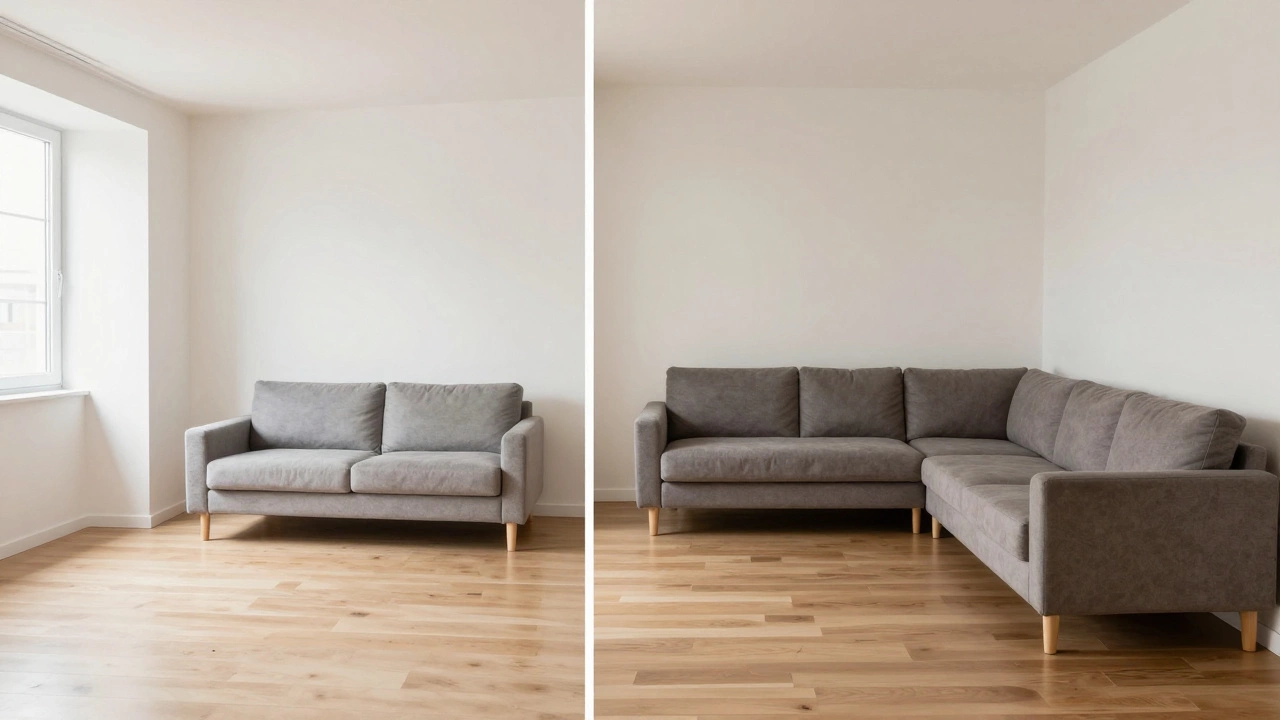
Consider your floor plan too. Measure your room before buying. Leave at least 30 inches of walking space around the seating area. If adding armchairs blocks pathways or makes the room feel tight, skip the set. Go for a couch and add separate, complementary seating later if needed.
Common Confusions and Misconceptions
People often confuse “sofa” and “couch” as well. Technically, a sofa is slightly more formal than a couch. Sofas often have firmer cushions and structured backs, suitable for sitting upright during conversations. Couches tend to be softer, deeper, and built for lounging. But in everyday speech, most people use the words interchangeably. The real confusion lies with “sofa set.”
Some retailers label any multi-piece arrangement as a “living room set,” which can include a sofa, loveseat, chair, and coffee table. Others call it a “parlor set” or simply “matching furniture.” The key takeaway is that regardless of the name, if you’re buying multiple pieces designed to match, you’re buying a set. If you’re buying one piece, you’re buying a couch or sofa.
Another misconception is that sets are always traditional. Modern sofa sets exist in sleek lines, minimalist fabrics, and neutral tones. You can find contemporary sets that fit Scandinavian or industrial designs. Don’t assume a set means old-fashioned wood frames and floral patterns anymore.
Practical Tips for Buying
Whether you choose a couch or a sofa set, keep these tips in mind:
- Test the comfort: Sit on the furniture for at least five minutes. Check cushion density, back support, and arm height. Comfort matters more than looks in the long run.
- Check the fabric durability: If you have pets or kids, look for stain-resistant materials like microfiber or performance fabrics. Velvet may look luxurious but shows wear quickly.
- Measure twice: Bring a tape measure to the store. Compare dimensions to your room. Don’t forget doorways and hallways-can the pieces fit inside your home?
- Consider delivery: Sofa sets are heavier and bulkier. Confirm if delivery includes assembly and placement. Some companies charge extra for stairs or narrow entrances.
- Look for warranties: Quality frames last decades. Cheap ones sag within years. Ask about warranty coverage for springs, cushions, and upholstery.
If you’re unsure, start with a couch. You can always add an armchair later. But once you commit to a set, you’re locked into that style until you replace everything. Flexibility wins in uncertain times.
Is a couch the same as a sofa?
In casual conversation, yes. But technically, a sofa is often more formal with firmer cushions, while a couch is softer and meant for lounging. Both refer to single-seat furniture unless specified otherwise.
What does a sofa set usually include?
A standard sofa set includes a main sofa, one or two matching armchairs, and sometimes a loveseat or ottoman. All pieces share the same fabric, color, and design elements.
Can I mix a couch with a sofa set?
You can, but it may look uncoordinated. If you want to mix, ensure colors and styles complement each other. Avoid pairing a bright red couch with a beige sofa set unless you intentionally aim for contrast.
Are sofa sets more expensive than individual couches?
Yes, upfront costs are higher for sets. However, per-seat pricing might be lower. Evaluate your seating needs-if you rarely use extra chairs, a single couch saves money.
Which is better for small apartments?
A single couch is better for small spaces. It takes up less room and allows flexible arrangement. Sofa sets can overwhelm compact areas and limit movement.
Do sofa sets come in modern styles?
Absolutely. Modern sofa sets feature clean lines, neutral colors, and minimalist designs. They suit contemporary interiors just as well as traditional ones.
How do I know if my room fits a sofa set?
Measure your room and leave 30 inches of walking space around seating. Use painter’s tape to outline furniture positions on the floor. If it feels cramped, opt for a single couch instead.
Can I replace just one piece of a sofa set?
Technically yes, but it will look mismatched. Manufacturers rarely produce replacement pieces for discontinued sets. Expect to replace the whole set for visual consistency.