Wallpaper vs. Paint: Cost & Effort Calculator
Room Details
Traditional Wallpaper
High durability, professional look
Peel-and-Stick
Renter-friendly, easy DIY
Paint
Classic, reversible, cheapest
Enter your wall area above
We will calculate the estimated costs for each option based on current market averages.
Walk into a home renovation show from the late 1990s, and you’ll likely see a designer peeling off layers of floral or damask paper with dramatic sighs. It was the ultimate symbol of bad taste. Fast forward to today, and that same material is making a massive comeback in high-end magazines and Instagram feeds. So, why does the stigma linger? Why do so many people still look at wallpaper as a decorative wall covering that has suffered from decades of negative perception due to installation difficulties and outdated styles with suspicion?
The hatred isn’t just about aesthetics. It’s rooted in genuine trauma for homeowners, logistical nightmares for renters, and a deep-seated fear of being stuck with a trend that ages poorly. To understand why people avoid it, we have to look past the pretty patterns and examine the practical, financial, and emotional barriers that keep paint on the throne.
The Trauma of Removal
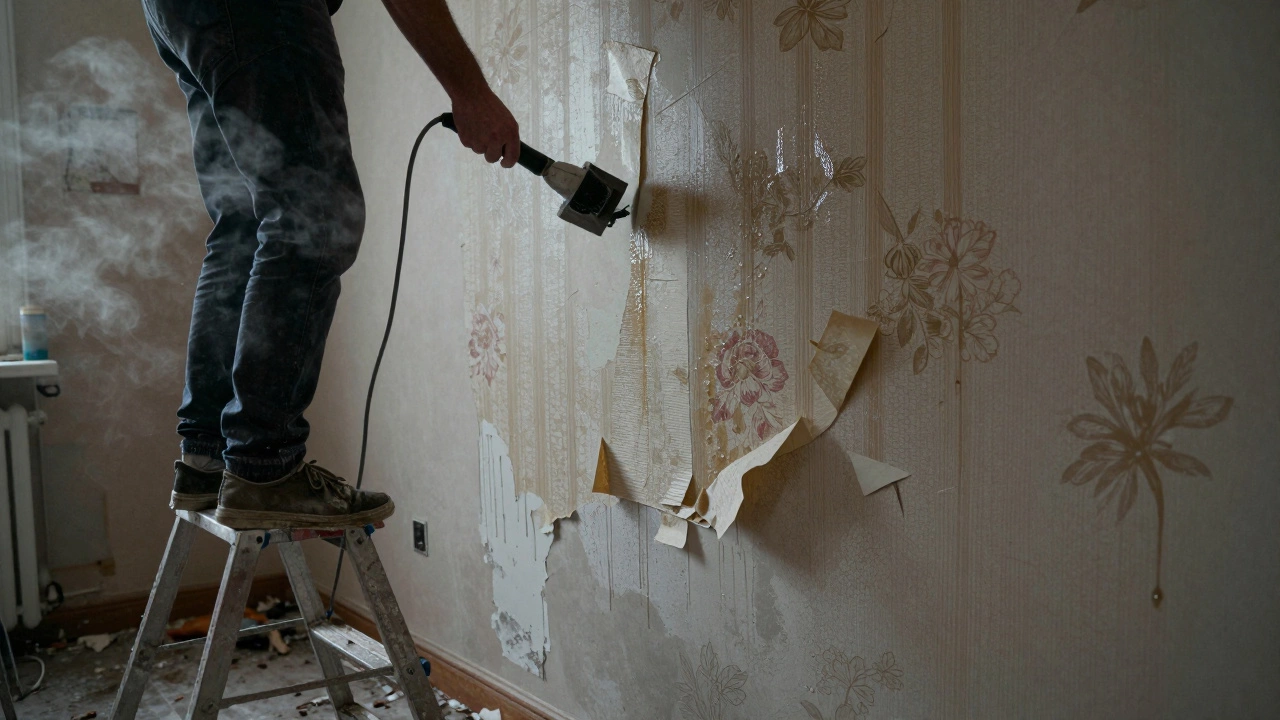
If there is one thing that unites almost every person who claims to hate wallpaper, it is the memory-or the dread-of taking it down. This is the single biggest factor driving the stigma. Unlike paint, which can be rolled over if you change your mind, traditional vinyl or paper wallpapers are notoriously difficult to remove.
For decades, the process involved steaming the walls until they were sodden, scraping away stubborn adhesive, and often damaging the drywall underneath. Many homeowners have stories of hiring professionals only to find that the installer had used the wrong paste, turning a simple refresh into a demolition project. The physical labor required to strip old wallpaper is exhausting. It involves hours of standing on ladders, dealing with chemical strippers, and sanding down rough patches. For someone who wants a quick weekend makeover, this reality check is enough to make them reach for a brush instead.
This difficulty creates a psychological barrier known as "commitment anxiety." When you know that changing your mind will cost hundreds of dollars in labor and materials, you become hesitant to buy in the first place. Paint feels safe because it is reversible. Wallpaper feels permanent, even when it isn't supposed to be.
The "Grandma's House" Aesthetic
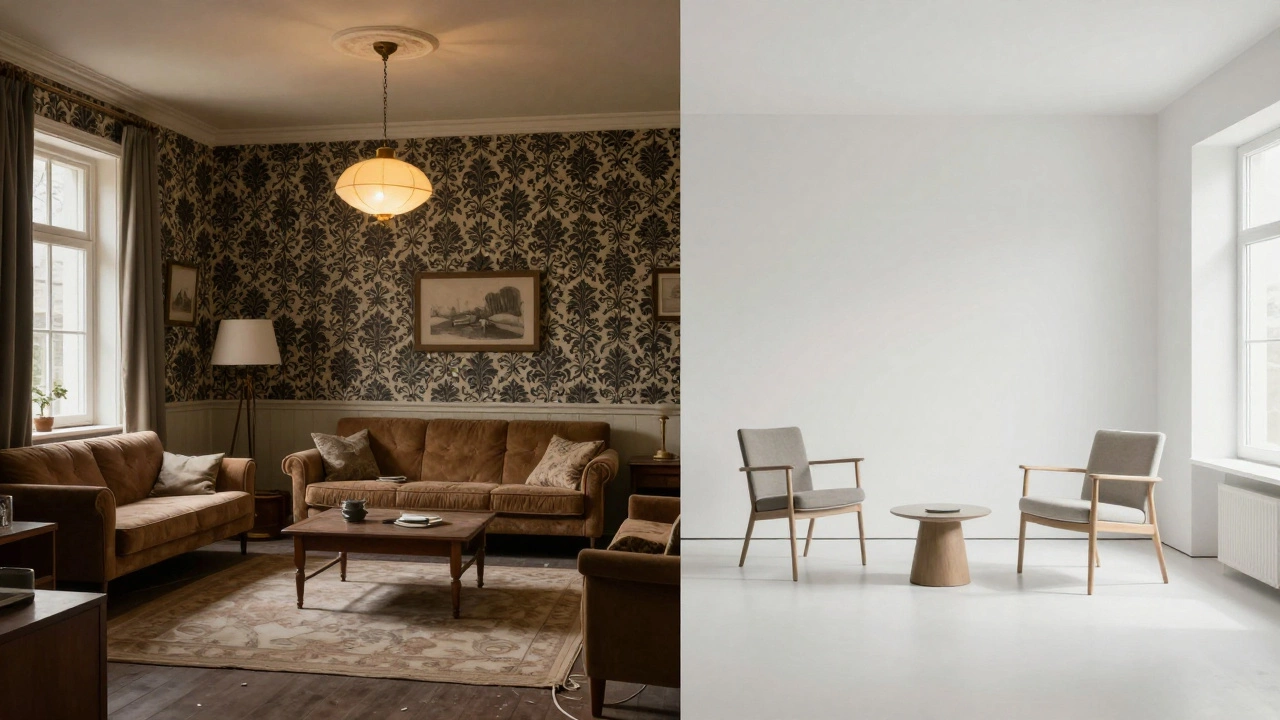
Aesthetics play a huge role, but not in the way you might think. People don't hate wallpaper because it's ugly; they hate it because of what it represents culturally. For generations, wallpaper was the default choice for upper-middle-class homes in the mid-20th century. Think heavy florals, busy damasks, and dark, moody tones in dining rooms and hallways.
These styles became associated with older generations, specifically grandparents' houses. As design trends shifted toward minimalism, Scandinavian simplicity, and the "clean girl" aesthetic of the 2010s, anything resembling those busy patterns was dismissed as cluttered or dated. The association with age made wallpaper feel like a step backward in time. Younger buyers, particularly Millennials and Gen Z, grew up seeing wallpaper stripped away during renovations, reinforcing the idea that it belongs in the past.
However, this perception is slowly shifting. Modern wallpaper trends include contemporary designs such as geometric shapes, abstract textures, and subtle botanical prints that appeal to modern sensibilities are vastly different from the heavy florals of the past. Yet, the mental image of a dusty parlor room persists, creating a bias against the medium before people even consider buying it.
The Installation Nightmare
Let’s talk about the actual act of putting it up. Traditional wallpaper requires precision that most DIYers simply do not possess. You need to measure perfectly, cut accurately, mix paste to the right consistency, and align seams so they are invisible. If you miss by a millimeter, the pattern doesn’t match, and the whole section looks amateurish.
This steep learning curve scares people off. In contrast, painting is forgiving. If you make a mistake, you just roll over it again. With wallpaper, mistakes are visible and costly. You can’t just "fix" a misaligned seam easily without removing the entire strip. This perceived complexity makes wallpaper seem like a job for professionals, which brings us to the next point: cost.
Professional installation is expensive. Depending on the size of the room and the complexity of the pattern, hiring a specialist can cost anywhere from $500 to $2,000 or more. For many homeowners, this price tag is prohibitive, especially when a gallon of high-quality paint costs less than $60. The return on investment also feels lower. While a fresh coat of paint can boost a home’s value by thousands, wallpaper is often seen as a personal preference that may not appeal to future buyers.
Renters and the Fear of Deposits
A significant portion of the population rents their homes. For renters, wallpaper has historically been a no-go zone. Landlords often view wallpaper as a modification that alters the property, requiring restoration to its original state upon move-out. This means the renter has to pay for both the installation and the removal, risking their security deposit in the process.
Even if a landlord allows it, the risk of damage to the walls during removal is a major concern. Most leases explicitly forbid permanent alterations, and traditional wallpaper falls squarely into that category. This legal and financial risk keeps millions of potential customers from ever trying wallpaper. They want to personalize their space, but the constraints of renting force them to stick with removable decals or paint samples that can be touched up easily.
Durability and Maintenance Myths
There is a persistent myth that wallpaper is fragile and hard to clean. Older papers, especially non-woven or plain paper types, could indeed tear easily when wiped. However, modern vinyl and washable wallpapers are incredibly durable. They resist scratches, stains, and moisture better than most paints.
Despite this, the reputation sticks. Parents worry about crayon marks or sticky hands ruining delicate patterns. Pet owners fear claws tearing the surface. These fears are largely unfounded with today’s materials, but overcoming ingrained beliefs takes time. Until people experience the durability firsthand, they assume it is a high-maintenance luxury rather than a practical solution for high-traffic areas.
The Rise of Peel-and-Stick: Changing the Game?
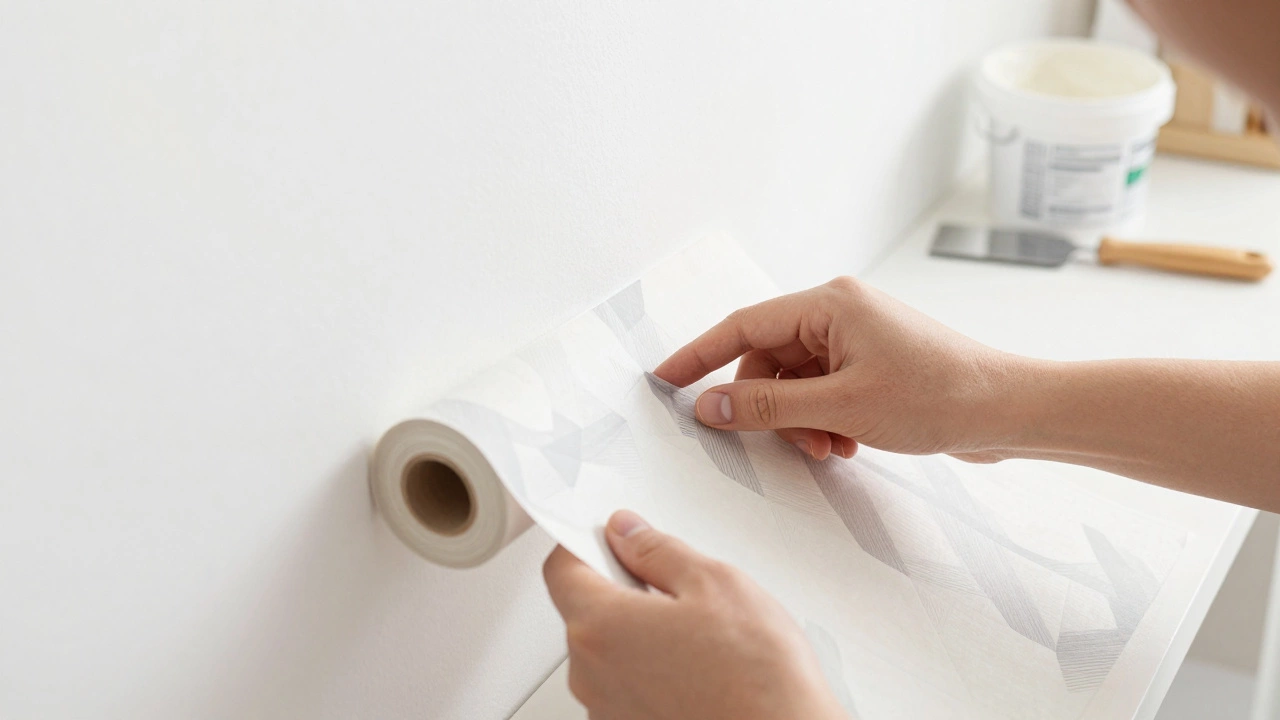
In recent years, peel-and-stick wallpaper is a self-adhesive wall covering designed for easy application and removal without the need for paste or professional tools has emerged as a game-changer. It addresses many of the core complaints: it’s easy to install, renter-friendly, and relatively cheap. Brands like RoomMates and local artisans offer thousands of designs that cater to modern tastes.
Yet, even with these advancements, skepticism remains. Some users report that peel-and-stick leaves residue behind, damages drywall, or bubbles over time if not applied perfectly. While these issues are less common with higher-quality products, negative reviews spread quickly online, reinforcing the idea that wallpaper is problematic. Additionally, some critics argue that peel-and-stick lacks the premium feel of traditional hung wallpaper, viewing it as a temporary fix rather than a serious design element.
| Feature | Traditional Wallpaper | Peel-and-Stick | Paint |
|---|---|---|---|
| Installation Difficulty | High (Professional recommended) | Low (DIY friendly) | Low (DIY friendly) |
| Removal Ease | Very Difficult | Moderate (Can leave residue) | Easy (Repaint) |
| Cost (Average Room) | $800 - $2,000+ | $100 - $400 | $50 - $200 |
| Renter Friendly | No | Yes (Usually) | Yes (With touch-up) |
| Lifespan | 15+ Years | 3-5 Years | 5-10 Years |
How to Overcome the Stigma
If you’re considering wallpaper despite the doubts, here are some strategies to mitigate the risks:
- Start Small: Don’t commit to an entire room. Try an accent wall or a smaller space like a powder room or closet. This limits the financial impact and the effort required for removal.
- Choose Neutral Patterns: Avoid overly trendy or bold colors if you plan to sell soon. Geometric, textured, or subtle botanical prints tend to age better and appeal to a wider audience.
- Invest in Quality: Cheap wallpaper often leads to installation failures. Spending a bit more on reputable brands ensures better alignment, durability, and easier removal.
- Hire a Pro for Traditional Paper: If you love a specific traditional design, hire a professional installer. Their expertise ensures a flawless finish and proper preparation, which extends the life of the wallpaper.
- Check Lease Agreements: Renters should always get written permission from landlords before applying any adhesive products, even peel-and-stick.
The dislike for wallpaper is largely a product of history and inconvenience, not inherent flaws in the material itself. As technology improves and designs evolve, the stigma is fading. But until the ease of use matches that of paint, many will remain cautious. Understanding these barriers helps you make a more informed decision about whether wallpaper is right for your home.
Is wallpaper harder to remove than paint?
Yes, traditional wallpaper is significantly harder to remove than paint. Removing paint usually involves sanding or priming, while wallpaper often requires steaming, scraping, and chemical strippers, which can damage drywall if not done carefully.
Does wallpaper increase home value?
It depends on the style and quality. High-end, professionally installed wallpaper in neutral or classic patterns can add character and value. However, bold, trendy, or poorly installed wallpaper may deter buyers and decrease perceived value.
Can I put wallpaper over painted walls?
Yes, you can apply wallpaper over properly prepared painted walls. The surface must be smooth, clean, and free of gloss. Using a primer before hanging wallpaper ensures better adhesion and easier removal later.
Why do people think wallpaper is outdated?
The perception stems from mid-20th-century designs featuring heavy florals and dark tones associated with older generations. Modern wallpaper offers contemporary patterns, but the cultural stigma from previous decades persists among many consumers.
Is peel-and-stick wallpaper renter-friendly?
Generally, yes. Peel-and-stick wallpaper is designed for easy removal without damaging walls. However, renters should always check their lease agreement and consult their landlord, as some adhesives may leave residue or affect paint integrity.