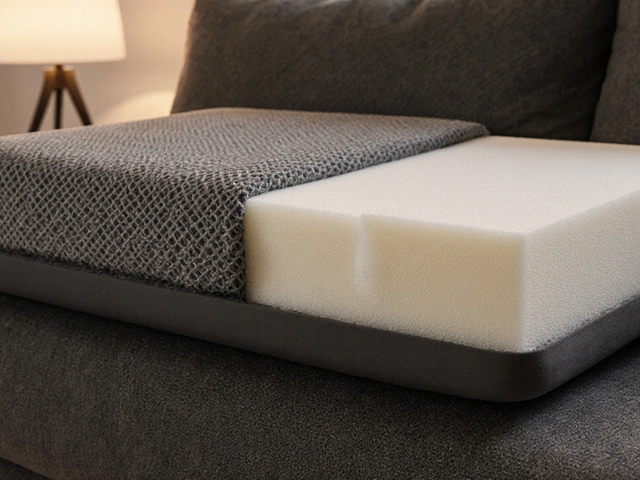
How to Tell if a Couch is High Quality: A Buyer's Guide
Learn how to spot a high-quality couch by checking frame materials, suspension types, and fabric rub counts. Stop wasting money on furniture that sags.
Whether you’re scrolling for a fresh look or just want your current sofa to last, you’re in the right spot. We keep it simple: talk about what matters, give real‑world advice, and skip the fluff.
First up, durability. A solid hardwood frame beats particle board every time. Look for kiln‑dried oak or beech – they hold up against daily use. Next, the upholstery. Leather ages nicely, while high‑grade polyester resists spills. If you have kids or pets, go for a tight‑weave fabric that won’t snag.
Price is another reality check. Quality sofas usually start around £800 and can climb past £3000 for designer pieces. The average cost of a good‑quality sofa sits near £1500 – that’s where you’ll get a sturdy frame, decent cushions and a finish that lasts. Don’t be swayed by a low price tag; cheap builds often flop after a year.
Cushion count matters for both comfort and style. A standard three‑seat sofa works well with two to three pillows – enough to look plush without crowding. If you have a larger sectional, add extra throws and cushions to break up the space. Keep the arrangement balanced: larger cushions at the back, smaller ones in front.
Maintenance is easier than you think. Rotate cushions every few months to avoid uneven wear. Spot‑clean spills right away – a mild soap solution and a soft cloth do the trick. For leather, use a specialized conditioner once a season to keep it supple.
Wondering how long a couch should last? With a solid frame and proper care, expect 7‑10 years before you think about a replacement. Signs it’s time for a new one include sagging springs, cracked upholstery, or a persistent wobble in the legs.
Sleep on the couch every night? It’s okay for occasional naps, but nightly use can flatten cushions and strain the frame. If you need a regular sleeping spot, consider a dedicated sofa bed or sleeper sofa. The key difference is the mechanism – sofa beds fold out from a hidden compartment, while sleeper sofas have a pull‑out mattress. Choose what fits your space and how often you’ll use it.
Leaving bedding on a sofa bed isn’t a great idea. Sheets trap moisture, leading to odors and mold. If you must store linens, fold them loosely and let the mattress breathe before covering it again.
Finally, style it right. A few well‑placed cushions, a matching throw, and a coffee table at the right height can transform a plain sofa into a room’s focal point. Play with texture – a velvet pillow on a linen sofa adds depth without overdoing it.
Got more questions? Our articles dive deeper into each subject – from pinpointing the most durable sofa materials to budgeting for a quality set. Use these tips, pick a piece that fits your life, and enjoy a sofa that looks good and lasts long.
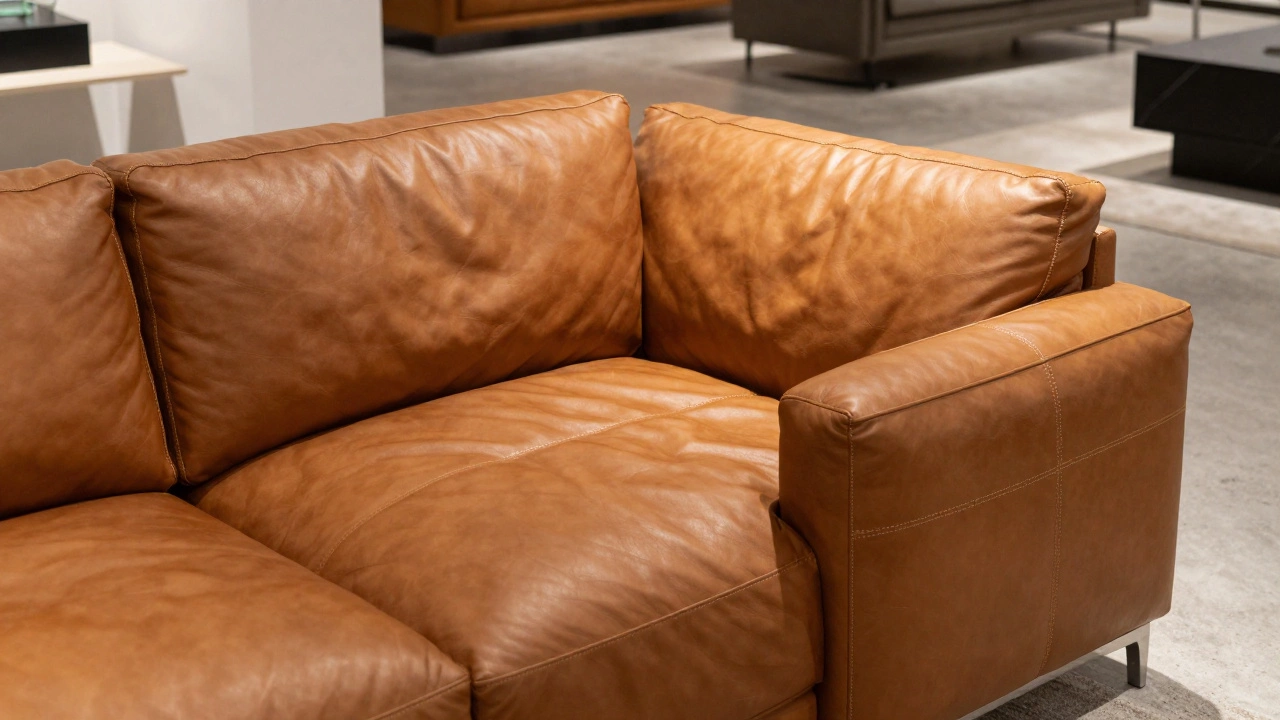
Learn how to spot a high-quality couch by checking frame materials, suspension types, and fabric rub counts. Stop wasting money on furniture that sags.

Removable couch cushions make cleaning easier, extend sofa life, and let you refresh your look without buying new furniture. They’re ideal for families, pet owners, and allergy sufferers-but only if you maintain them.

Not all sofa foam is the same. Learn which foam types offer real durability and comfort, what density and firmness to look for, and how to spot bad foam before you buy.

Falling asleep on the couch might feel cozy, but it disrupts your sleep, hurts your spine, and confuses your body’s natural rhythm. Here’s why your bed is the only place you should sleep.
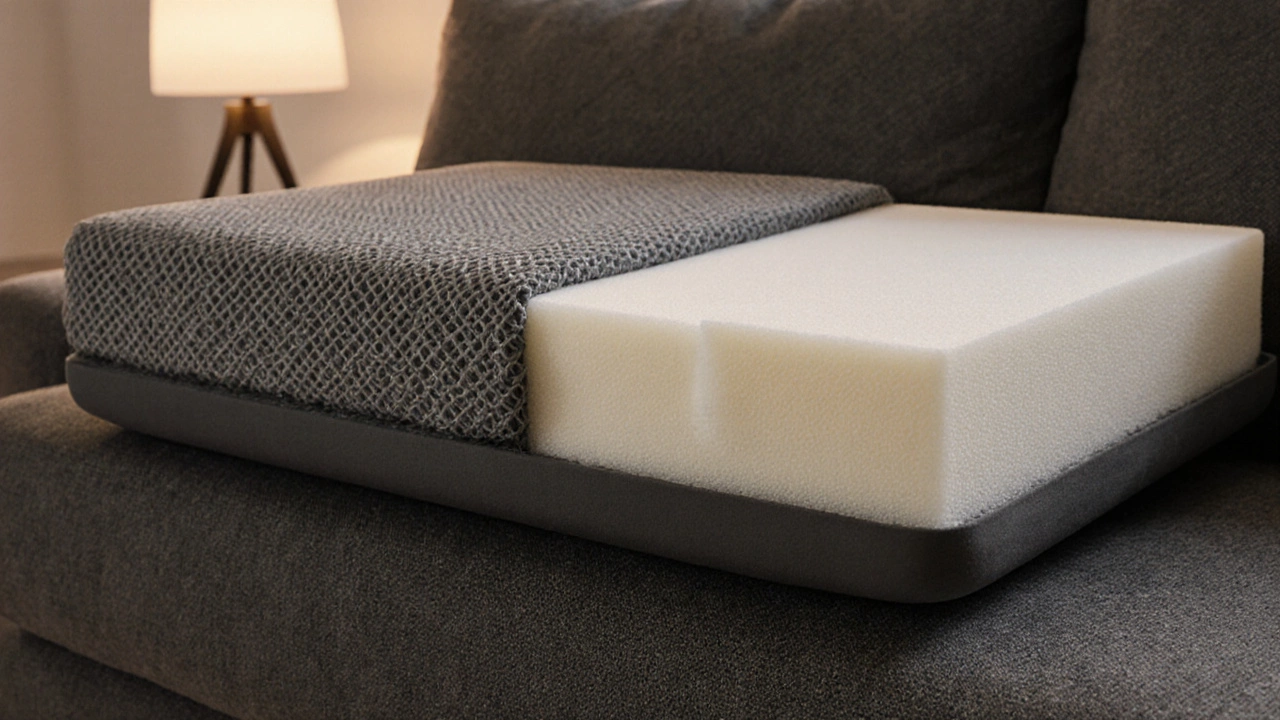
Discover which sofa cushion materials last the longest, how cover fabrics affect durability, and practical care tips to keep cushions plush for years.

Get the truth about sofa durability. Learn which materials and builds last longest and how to spot tough sofas. Real tips that save you money and hassle.

Ever wondered if you can leave the bedding on your sofa bed? This article breaks down what really happens when you keep sheets, blankets, or comforters tucked away inside a regular or modern sofa bed. Get practical tips on which sofa beds can handle it, how to avoid trapped odors and wrinkles, and smart ways to make setup and takedown way less annoying. Stop fighting with awkward bedding and pick up some simple habits that keep your living space fresh and stress-free.

Wondering how long a couch should actually last? This article covers what affects a couch’s lifespan, how to spot signs your sofa is on its last legs, and tips to keep it looking good longer. You’ll get a real sense of what to expect from different types and price ranges of couches. Plus, find out how to maintain and even revive an old favorite. Whether you’re buying or trying to make the most of what you have, you’ll walk away knowing how to get more comfortable years out of your sofa.

Trying to figure out the magic number of cushions for your sofa? This article breaks down what really works when styling your sofa, including where to put each cushion and why it matters. You'll get straightforward advice for different sofa sizes, room types, and how to avoid clutter. From comfort to looks, get tips that actually help instead of confusing you. Plus, some quick guidance on cleaning and maintaining those cushions, and even how pets factor in.

Looking to buy a new sofa but confused about the pricing? This article breaks down the average cost of a good quality sofa, giving you insights into what determines the price. Understand the elements that make a sofa worth its price tag and discover smart tips to make the best purchase without breaking the bank.
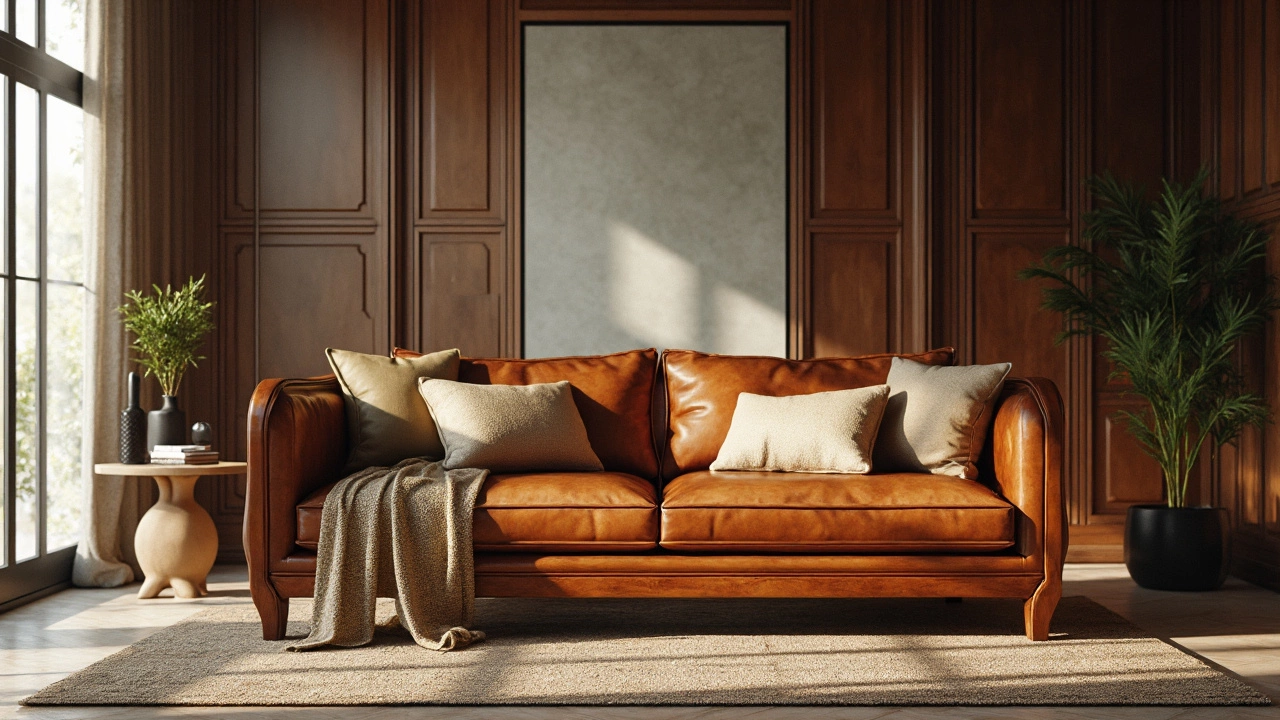
Choosing a sofa that stands the test of time is crucial for both aesthetic and financial reasons. The type of sofa that lasts the longest often depends on the materials it's made from, including its frame, upholstery, and cushioning. Understanding these components can help you make an informed decision. Whether it's hardwood frames or high-quality leather upholstery, knowing what to look for is key. This article explores the features that contribute to the durability of sofas and offers practical tips for selecting one that meets your needs.

Couch sleeping might seem convenient, but is it really okay to replace your bed with a sofa every night? Explore the potential effects on your health and comfort, find tips for improving your sofa-sleep habits, and learn when it's time to reconsider your sleeping arrangements. This article provides practical insights into making the most out of sleeping on the couch, addressing comfort, posture, and longevity concerns.