Dining Room Dresser Suitability Checker
Room & Furniture Dimensions (Inches)
Enter dimensions to analyze your space.
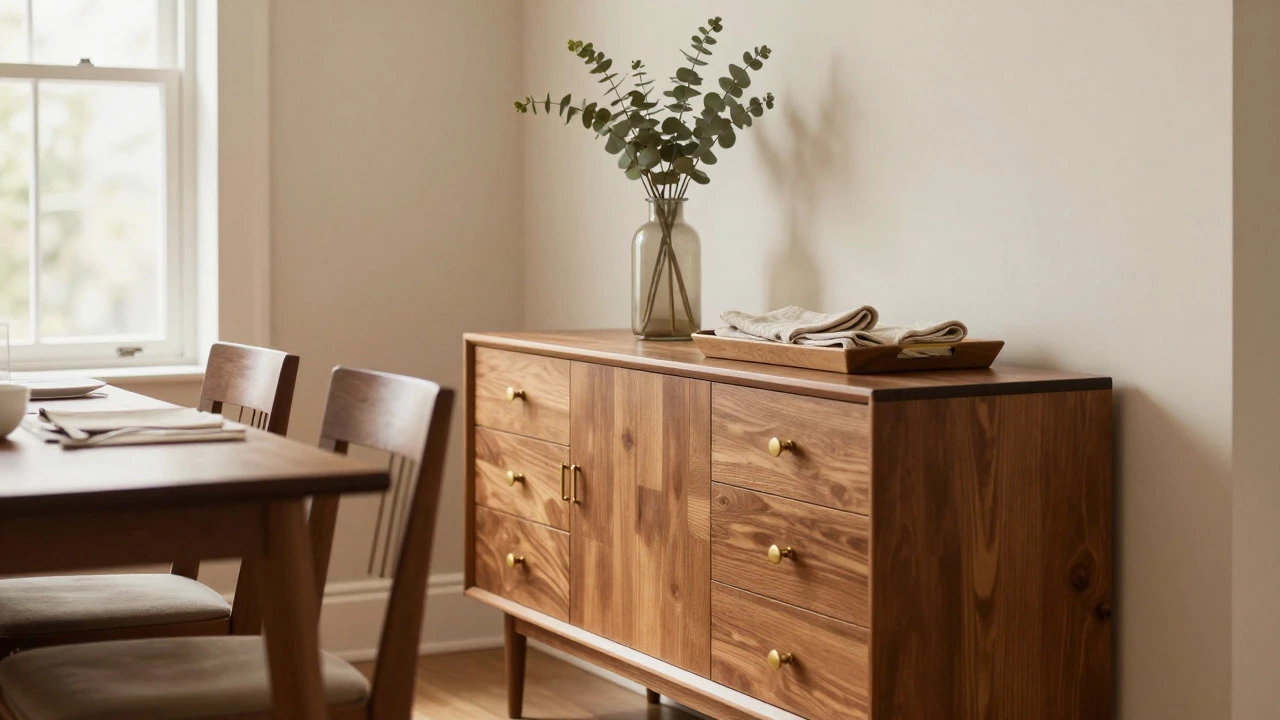
Picture this: you’ve just bought a stunning mid-century modern dresser. The wood grain is perfect, the brass handles are sleek, and it fits your bedroom aesthetic like a glove. But then you look at your dining room. It’s cramped. There’s nowhere to store linens, extra place settings, or that collection of wine glasses you’re afraid to put on high shelves. Your eyes lock onto the empty wall next to the table. Could the dresser go there?
The short answer is yes. Absolutely. In fact, interior designers have been doing this for decades. However, a dresser isn’t a traditional piece of dining room furniture. It doesn’t come with built-in drawers designed for silverware or a countertop meant for serving buffet-style meals. So, if you want to pull this off without making your space look like a mistake, you need to understand the nuance.
Why Use a Dresser Instead of a Sideboard?
Traditionally, dining rooms rely on sideboards, buffets, or credenzas. These pieces are low, wide, and shallow. They are designed to hold plates horizontally and provide a surface for food service. A dresser is a tall chest of drawers originally intended for storing clothing.
So why swap them? First, cost. High-quality solid wood dressers are often significantly cheaper than designer credenzas. Second, storage capacity. A dresser offers deep vertical storage. If you live in an apartment where every square inch counts, the height of a dresser allows you to store more items without expanding into the floor space. Third, style. Many vintage dressers have character-ornate carvings, unique hardware, or distressed finishes-that mass-produced dining consoles lack.
| Feature | Traditional Sideboard/Credenza | Dresser |
|---|---|---|
| Height | Low (typically 30-34 inches) | Tall (typically 36-42+ inches) |
| Depth | Shallow (15-20 inches) | Deep (20-24 inches) |
| Primary Storage | Drawers for flatware/cutlery | Deep drawers for folded items |
| Serving Surface | Wide top suitable for platters | Limited top space; mostly decorative |
| Visual Weight | Horizontal, grounding | Vertical, imposing |
Choosing the Right Dresser for the Job
Not every dresser works in a dining setting. You need to evaluate three specific attributes: scale, style, and function.
Scale is critical. If your dining room has standard 8-foot ceilings, a massive six-drawer armoire-style dresser will swallow the room whole. Look for a "lowboy" dresser or a chest with fewer, wider drawers rather than many narrow ones. The goal is to add storage without blocking sightlines or making the ceiling feel lower. A good rule of thumb: the dresser should not exceed two-thirds the height of your window sill if it’s placed nearby.
Style must bridge the gap. A heavily ornate Victorian dresser might clash with a minimalist Scandinavian dining table. Conversely, a stark white IKEA Malm might look out of place in a rustic farmhouse dining area. Aim for harmony in material and finish. If your dining chairs are walnut, choose a dresser with similar warm tones. If your table is painted black, a matte black or dark gray dresser creates a cohesive look.
Function dictates layout. Since dressers have deep drawers, they aren’t ideal for storing long wine bottles or flat placemats unless you reorganize. Plan how you’ll use the space. Will you store tablecloths? Extra chairs? Wine accessories? Knowing this helps you decide if you need open shelving above the dresser or if closed doors are better to hide clutter.
Placement Strategies That Work
Where you put the dresser changes how the room feels. Here are the most effective placements:
- Against the Long Wall: This is the classic spot. Place the dresser parallel to the dining table. Ensure there is at least 36 inches of clearance between the dresser and the table so people can walk behind seated guests without bumping elbows.
- In a Nook or Alcove: If your dining room has a recessed area, tuck the dresser there. This utilizes dead space and keeps the main traffic flow clear. Add a mirror above it to reflect light and make the nook feel larger.
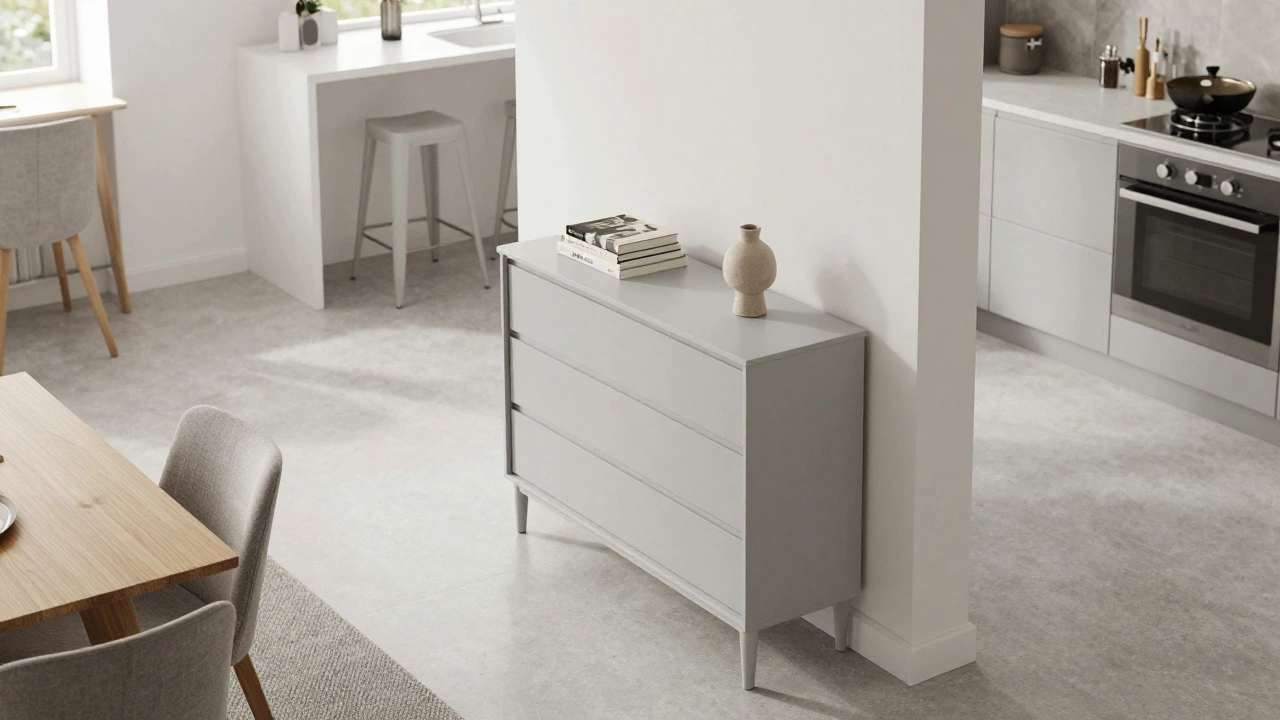
- As a Room Divider: In open-plan living/dining areas, a narrow dresser can define the dining zone without building a wall. Position it perpendicular to the kitchen counter or living room sofa. Keep the back of the dresser tidy, as it will be visible from both sides.
- Avoid Blocking Doors: Never place a dresser directly in front of a door or window. It disrupts airflow, blocks natural light, and makes entering the room feel obstructive.
Styling the Top: From Utility to Decor
A dresser’s top is smaller and higher than a sideboard’s. You can’t set a large roast chicken on it comfortably. Instead, treat the top as a display shelf. This is where you inject personality.
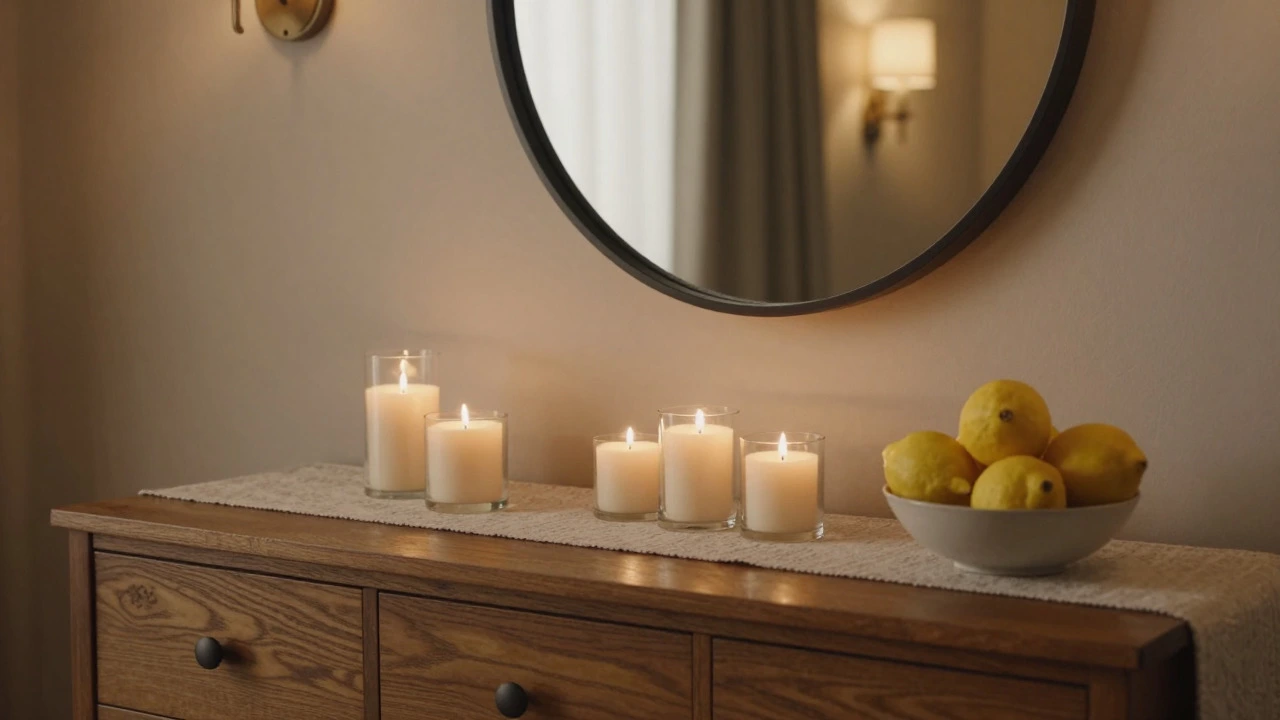
Start with a base layer. A large tray, a stack of coffee table books, or a runner can anchor the decor. Then, add vertical elements. Tall vases with dried branches, candles in glass holders, or small sculptures draw the eye up and balance the horizontal lines of the drawers. Avoid cluttering the entire surface. Leave negative space. If you cover every inch, the room will feel chaotic.
Consider adding a mirror above the dresser. Mirrors are powerful tools in small dining rooms. They reflect light from windows or lamps, making the space feel airier. Choose a frame that matches the dresser’s hardware or legs for a coordinated look. A round mirror softens the rectangular shape of the dresser, while a framed rectangular mirror reinforces structure.
Practical Tips for Small Spaces
If you’re working with a tiny dining area, a dresser can be a lifesaver-or a disaster. Here’s how to keep it from overwhelming the room:
- Go Narrow: Choose a dresser under 30 inches wide. Slim profiles fit better between walls and tables.
- Light Colors: White, cream, or light gray dressers recede visually. Dark woods absorb light and can make a small room feel cave-like.
- Legs Over Base: Select a dresser with exposed legs rather than a solid boxy base. Seeing the floor underneath creates an illusion of openness and prevents the piece from looking heavy.
- Multifunctional Use: Use the top for everyday items like napkins, coasters, or a fruit bowl. This keeps the dresser functional, not just decorative.
Common Mistakes to Avoid
Even with the right dresser, poor execution can ruin the vibe. Watch out for these pitfalls:
Ignoring Traffic Flow. Measure carefully. When you pull out a drawer, does it hit the wall? Does it block someone walking to the kitchen? Test the movement before committing to the placement.
Clashing Hardware. Brass knobs on a dresser paired with chrome legs on dining chairs create visual noise. Try to match metals throughout the room. If mixing metals, keep one dominant and use the other sparingly as an accent.
Overstuffing Drawers. Deep drawers tempt you to pile things in. Use dividers or fabric bins to organize linens and gadgets. If you open a drawer and see chaos, it undermines the elegance of the room.
Neglecting Lighting. A tall dresser casts shadows. Install wall sconces above it or place a tall lamp nearby to ensure the area is well-lit. Dimmers allow you to adjust the mood for dinner parties versus daily meals.
When Not to Use a Dresser
Despite its versatility, a dresser isn’t always the best choice. Skip it if:
- You entertain frequently and need a large serving surface for hot dishes.
- Your dining room is very narrow (less than 10 feet wide), as the depth of a dresser may encroach too much on seating space.
- You prefer a formal, symmetrical look with matching hutch and china cabinet sets.
In these cases, stick to traditional dining room furniture. But for casual, multi-functional spaces, a dresser offers flexibility and charm that standard pieces often lack.
Is it weird to have a dresser in the dining room?
No, it is not weird. Many homeowners use dressers as alternative storage solutions in dining rooms, especially in apartments or homes with limited space. As long as the style complements the rest of the room and the placement doesn't obstruct traffic flow, it looks intentional and stylish.
What should I put on top of a dresser in the dining room?
Focus on decorative items rather than serving ware. Good options include a large vase with greenery, a cluster of candles, a framed artwork or mirror, and a few stacks of books. Avoid placing heavy appliances or large platters, as the surface is usually smaller and higher than a typical sideboard.
How do I style a dresser to look like a sideboard?
To mimic a sideboard, focus on horizontal lines. Place a long tray or runner across the top. Add items that sit low and spread out, like a row of small potted plants or a series of identical candlesticks. Keep the center relatively clear to maintain the illusion of a serving surface.
Can I use a dresser to store wine bottles?
It depends on the drawer depth. Standard dressers have deep drawers, which are great for lying bottles down horizontally. However, if the drawers are too deep, bottles might roll around. Use felt dividers or insert a rack inside the drawer to secure them. Avoid stacking bottles vertically in deep drawers as they can tip over.
What size dresser fits in a small dining room?
For small dining rooms, look for a dresser that is no wider than 30-36 inches and no deeper than 18-20 inches. A height of 30-34 inches is ideal to match the visual weight of standard dining chairs. Avoid tall chests over 40 inches, as they can make the room feel cramped.