Find Your Perfect Sofa Brand
Answer three simple questions to get a personalized recommendation from our top-rated sofa brands of 2026.
Your Best Match:
Price Range:
Why it fits:
Buying a sofa is one of the most expensive purchases you’ll make for your home. It’s not just about picking a color that matches your curtains. You are investing in something you will sit on every single day for the next five to ten years. So, when people ask, "Which company sells the best sofas?" they aren’t looking for a simple name. They want to know who delivers the right mix of comfort, build quality, and value without breaking the bank or falling apart after two seasons.
The truth is, there is no single "best" brand for everyone. A family with three kids and a golden retriever needs a different sofa than a couple hosting weekly dinner parties in a minimalist apartment. The market has shifted significantly in recent years. We’ve seen traditional giants adapt to online-only models, while new direct-to-consumer brands have disrupted pricing structures. In 2026, the landscape is clearer than ever, but it requires knowing what to look for beyond the marketing hype.
What makes a sofa brand "the best"?
The "best" brand depends on your specific priorities. For durability, look for high-density foam and solid hardwood frames. For comfort, consider cushion fill (down vs. foam) and seat depth. For value, compare warranty lengths and delivery policies. No single brand wins in all categories.
Defining Quality: What Actually Matters in a Sofa
Before naming names, we need to talk about what makes a sofa good. Most consumers judge a sofa by how it feels when they first sit on it in the showroom. That’s a mistake. Initial softness often means low-density foam, which sags within months. Real quality is hidden inside the frame and the suspension system.
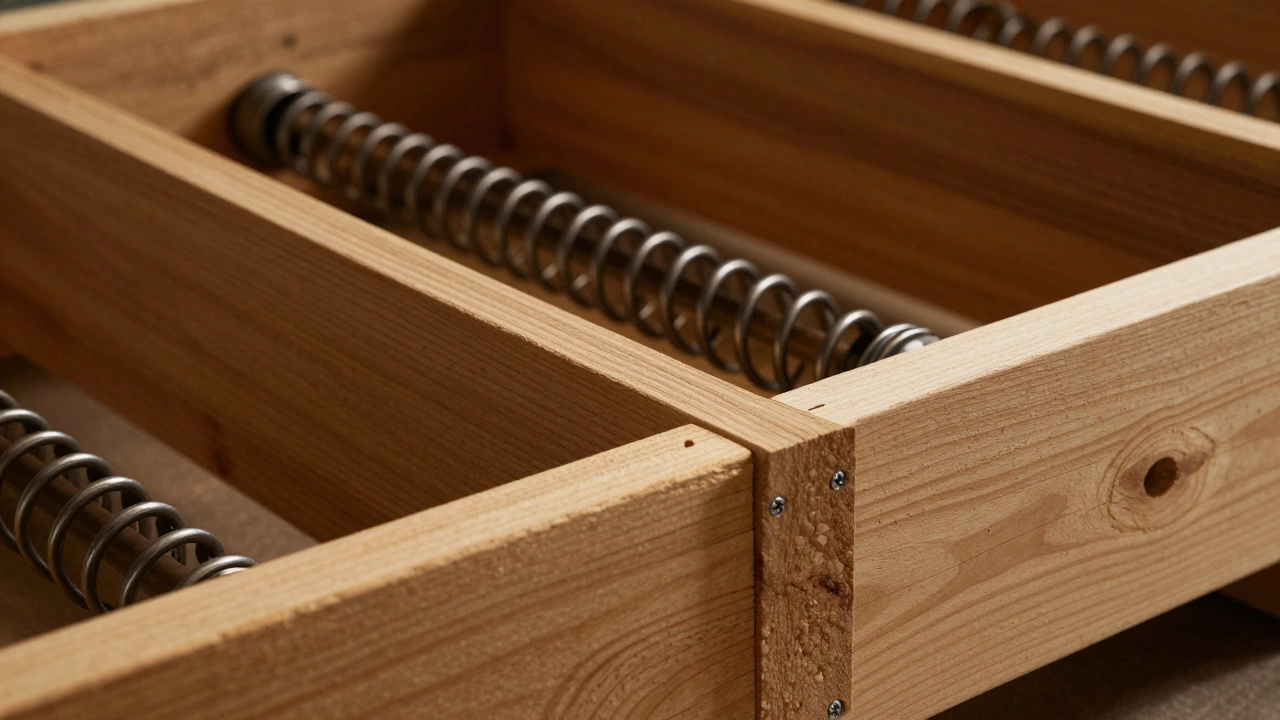
A top-tier sofa should have a kiln-dried hardwood frame. This prevents warping and cracking over time. Look for corner blocks reinforced with screws, not just nails. The suspension matters too. Eight-way hand-tied springs are the gold standard for longevity, offering support that doesn’t dip in the middle. Webbing is cheaper and lighter, which is fine for occasional use, but if you’re sitting on it daily, springs win.
Cushioning is where personal preference meets engineering. High-resilience polyurethane foam (HRPUF) retains its shape better than polyester fiberfill. Down cushions feel luxurious but require fluffing daily. Many modern brands now offer hybrid options-foam cores wrapped in down-to give you the best of both worlds. If you buy from a company that doesn’t disclose their foam density (look for 1.8 lb/ft³ or higher), you’re taking a risk.
The Heavyweights: Traditional Retailers with Proven Track Records
When you walk into a large furniture store, you’re likely encountering established brands that have survived decades of changing trends. These companies invest heavily in manufacturing consistency and wide distribution networks. Their advantage isn’t always innovation; it’s reliability and availability.
IKEA is a Swedish multinational conglomerate known for selling ready-to-assemble furniture, fixtures, and accessories. While often associated with budget-friendly options, IKEA has upgraded its mid-range lines significantly. Their modular sofas allow you to configure shapes that fit awkward spaces perfectly. The trade-off is durability. An IKEA sofa is great for a rental apartment or a guest room, but don’t expect it to last fifteen years with heavy daily use. However, their price point allows for replacement without financial pain.
Pottery Barn is an American home furnishings retailer owned by Williams-Sonoma, Inc., known for classic and contemporary designs. Pottery Barn occupies the sweet spot between big-box stores and custom makers. They offer a vast array of fabrics, including performance textiles that resist stains-a huge plus for parents. Their construction is solid, using hardwood frames and decent foam densities. The downside? The price. You pay a premium for the brand name and the showroom experience. But if you want a sofa that looks curated and comes with a robust return policy, they remain a top contender.
West Elm is a lifestyle retail brand specializing in mid-century modern and contemporary furniture. West Elm appeals to those who prioritize aesthetics. Their designs are sleek, with clean lines and unique materials like rattan or velvet. Build quality has improved over the years, though some customers report squeaky frames after a year of use. They are ideal for style-conscious buyers who want a statement piece rather than a workhorse.
The Disruptors: Direct-to-Consumer Brands Redefining Value
About a decade ago, brands like Article and Article Furniture entered the scene, cutting out the middleman. By selling directly online, they eliminated showroom costs and passed savings to customers. In 2026, this model is mature, and these brands compete fiercely on quality and transparency.
Article is a Canadian-based direct-to-consumer furniture brand known for modern design and transparent pricing. Article stands out because they publish detailed specs for every product. You can see exactly what type of wood is used, the foam density, and the spring count. This transparency builds trust. Their sofas are generally well-built, with a focus on mid-century and Scandinavian styles. Delivery times can be longer due to international shipping, but the quality-to-price ratio is hard to beat. If you want a sofa that looks like it cost $4,000 but only costs $1,500, Article is a strong choice.
AllModern is an online furniture and decor retailer offering modern and contemporary styles at accessible prices. As part of the Wayfair group, AllModern leverages massive logistics power. They offer a wider variety of trendy styles than most competitors. Their "smart shop" features help you filter by room size and style preferences. While individual quality can vary since they source from multiple manufacturers, their customer service and return policies provide a safety net.
Luxury and Custom: When Budget Is Secondary
For some, "best" means bespoke. If you have specific dimensions, fabric choices, or structural requirements, off-the-rack options won’t cut it. This tier involves waiting months for delivery and paying a significant premium, but the result is a sofa built specifically for your life.
Herman Miller is an American company specializing in office chairs, domestic furniture, and architecture. While famous for office seating, Herman Miller’s residential line is exceptional. Their sofas are engineered with the same ergonomic precision as their chairs. Expect high-density foams, premium leathers, and frames that last generations. Prices start around $3,000 and go up quickly. This is for buyers who view furniture as an investment asset.
Restoration Hardware (RH) is a luxury home furnishings retailer known for oversized, high-end furniture and grand-scale interiors. RH defines the "grand millennial" and luxury modern aesthetic. Their sofas are massive, plush, and incredibly comfortable. The scale is intimidating for smaller apartments but perfect for open-plan living rooms. The price tag reflects the luxury positioning, often exceeding $5,000 for standard models. However, the resale value of RH furniture remains relatively high compared to other brands.
Comparison: How Do They Stack Up?
| Brand | Price Range | Best For | Durability Rating | Key Feature |
|---|---|---|---|---|
| IKEA | $300 - $1,500 | Budget, Rentals | Moderate | Modular Flexibility |
| Pottery Barn | $1,200 - $3,500 | Families, Classic Style | High | Performance Fabrics |
| Article | $900 - $2,500 | Value, Modern Design | High | Transparent Specs |
| West Elm | $1,000 - $3,000 | Trendy Aesthetics | Moderate-High | Mid-Century Styles |
| RH | $3,000 - $8,000+ | Luxury, Large Spaces | Very High | Oversized Comfort |

How to Choose the Right Company for You
Selecting a sofa brand isn’t just about picking a logo. It’s about aligning the manufacturer’s strengths with your lifestyle constraints. Here is a quick decision framework:
- If you move frequently: Stick with IKEA or similar modular brands. You can disassemble and reconfigure them easily, and the lower cost reduces loss if damage occurs during moves.
- If you have pets or young children: Prioritize Pottery Barn or Article. Look for their performance fabric options (often treated with stain-resistant coatings). Avoid light-colored velvets unless you’re willing to clean them professionally every few months.
- If you value ergonomics: Consider Herman Miller or high-end Sectionals from RH. Sit on them for at least 15 minutes in the showroom. Check if the seat depth supports your legs fully without slouching.
- If budget is tight but quality matters: Article offers the best balance. You get hardwood frames and high-density foam at prices closer to mid-range retailers.
Don’t forget to check the warranty. A good sign of confidence is a lifetime warranty on the frame and at least five years on cushions and mechanisms. Short warranties (1-2 years) often indicate that the manufacturer expects wear and tear to exceed that period.
Common Pitfalls to Avoid
Even the best brands can disappoint if you make common buying mistakes. First, never buy a sofa based solely on online photos. Fabric texture and color shift dramatically under different lighting. Order swatches. Second, measure your space twice. Include the width of doorways and staircases. A beautiful sectional is useless if it can’t fit through your front door. Third, ignore the "sale" pressure. Sofa prices fluctuate, but major discounts often apply to older stock with minor defects. If you love a model, buy it when you’re ready, not just because it’s 20% off.
Final Thoughts on Investing in Your Living Room
There is no single company that sells the "best" sofa for every person. The best sofa is the one that fits your body, your space, and your budget. For most people, balancing durability with style means looking at mid-tier direct-to-consumer brands like Article or established retailers like Pottery Barn. For those prioritizing longevity above all else, investing in a high-quality frame from a luxury brand pays off in the long run. Take your time, read the specs, and sit before you buy.
Are expensive sofas worth it?
Yes, if you plan to keep the sofa for more than seven years. Expensive sofas typically use higher-density foams and solid hardwood frames that resist sagging and structural failure. Cheap sofas may save money upfront but often need replacement sooner, costing more in the long run.
What is the most durable sofa material?
Leather is generally the most durable, especially full-grain leather, which develops a patina over time rather than cracking. For fabrics, tightly woven microfiber or performance fabrics like Crypton are highly resistant to stains, tears, and fading.
How long should a good sofa last?
A well-made sofa with a hardwood frame and high-resilience foam should last 7 to 15 years with normal daily use. Sofas with particle board frames or low-density foam may only last 3 to 5 years before showing signs of sagging or structural weakness.
Is it better to buy a sofa online or in-store?
It depends on your priorities. Buying in-store allows you to test comfort and see fabric colors in natural light. Buying online often offers better prices, more variety, and convenient delivery. Many brands now offer free returns, reducing the risk of online purchases.
What should I look for in a sofa warranty?
Look for a warranty that covers the frame for life or at least 10 years, and cushions/mechanisms for 5+ years. Read the fine print: many warranties exclude "normal wear and tear," so understand what constitutes a defect versus expected aging.