2026 Built-In Bookshelf Style & Material Guide
Use this interactive guide to plan your next shelving project. First, determine how many books vs. decorative objects you need based on current trends. Then, explore which materials suit your lifestyle.
1. The 60/40 Styling Calculator
The article suggests a 60% books / 40% decor split to avoid "library fatigue." Enter your total shelf capacity to see the recommended breakdown.
0
0
Tip: Arrange books by color or size for visual harmony. Use the decor slots for personal items like vases, art, or plants to break up monotony.
2. Find Your Perfect Material
Select a material to view its aesthetic vibe, maintenance level, and best use case according to 2026 trends.
You walk into a friend’s house and see floor-to-ceiling wood panels covering the entire living room wall. It feels heavy, dated, maybe even a bit like your grandfather’s study. So, you ask yourself: are built-in bookshelves out of style? The short answer is no, but the long answer is way more interesting. In 2026, we aren’t ditching built-ins; we’re just changing how they look and what they hold.
The old rule was simple: fill every shelf with hardcover books to make it look smart. That approach made rooms feel cluttered and dark. Today, designers treat built-ins as architectural features rather than just storage units. They are lighter, smarter, and often mixed with other materials. If you are thinking about installing them or updating existing ones, here is exactly what is working right now and what needs to go.
The Shift from Clutter to Curation
For decades, the status symbol was having a massive library. You needed rows of identical encyclopedias or leather-bound classics to prove you were well-read. This led to the "wall of wood" effect that many people find suffocating today. Modern interiors prioritize airiness and light. We want spaces that breathe.
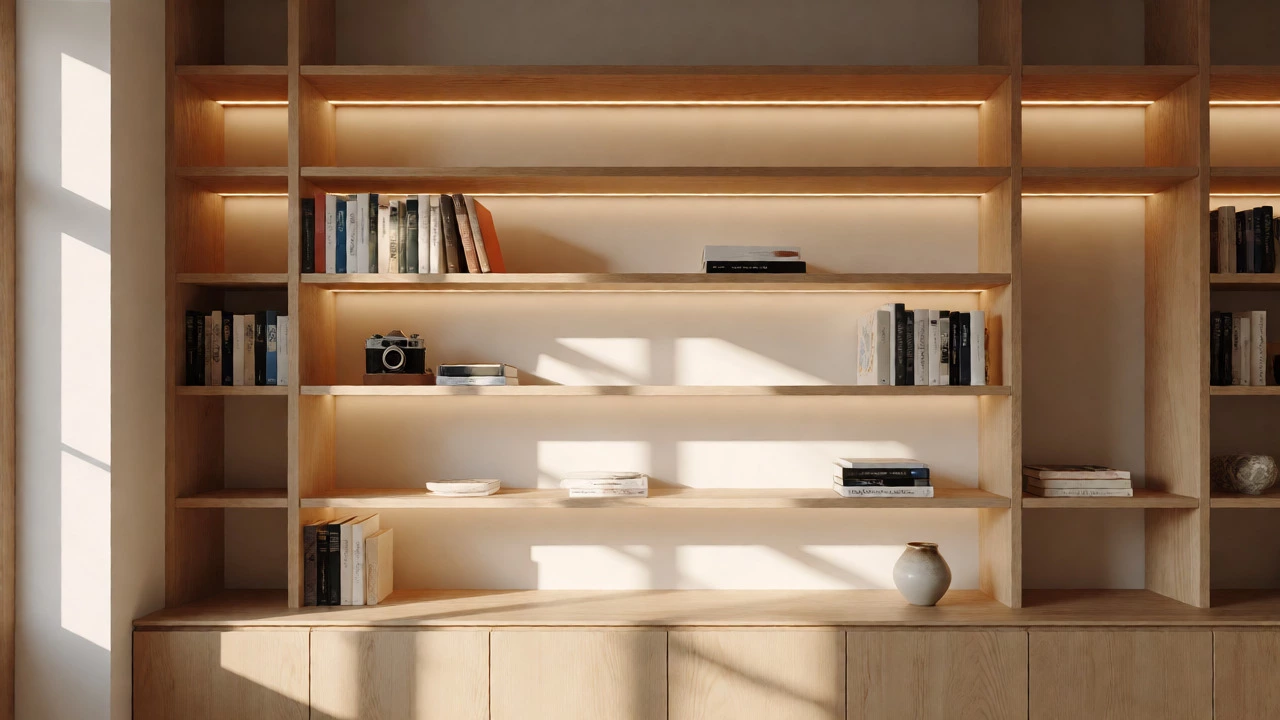
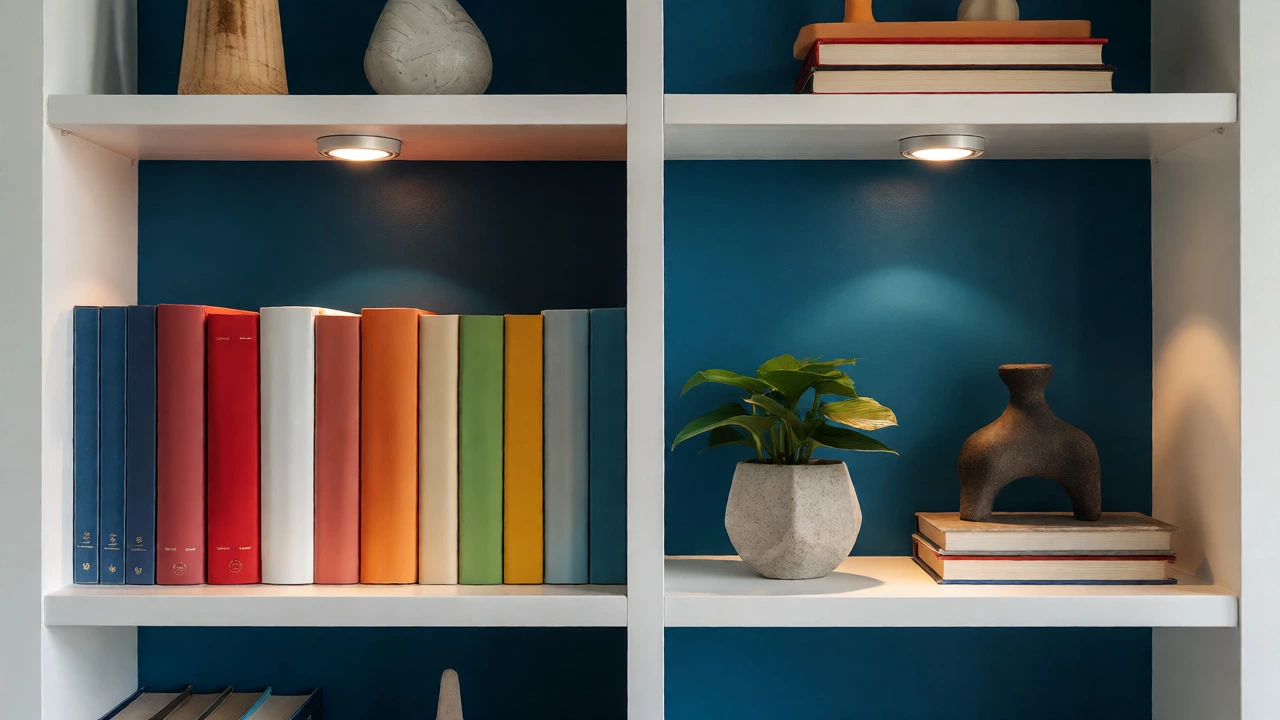
This doesn’t mean empty shelves. It means intentional curation. Think of your bookshelf as a gallery wall in 3D form. Instead of packing books tightly side-by-side, mix them with objects that have personal meaning. A vintage camera, a ceramic vase from a trip, or a small piece of art breaks up the monotony of spines. This technique, often called "styling," turns a static fixture into a dynamic part of your decor.
Data from recent interior surveys shows that homeowners are moving away from uniformity. About 65% of new custom millwork projects include integrated lighting. Why? Because shadows hide details. Lighting highlights the texture of a book cover or the glaze on a pot. It transforms a dark corner into a focal point. If your current built-ins look flat, adding LED strip lights under each shelf is the cheapest way to modernize them instantly.
Material Matters: Wood vs. Mixed Media
Traditional built-ins were almost exclusively stained oak or cherry wood. Dark stains absorbed light and made small rooms feel smaller. The trend for 2026 leans toward lighter woods like white oak, ash, or maple. These tones reflect natural light and pair well with the neutral color palettes dominating current homes.
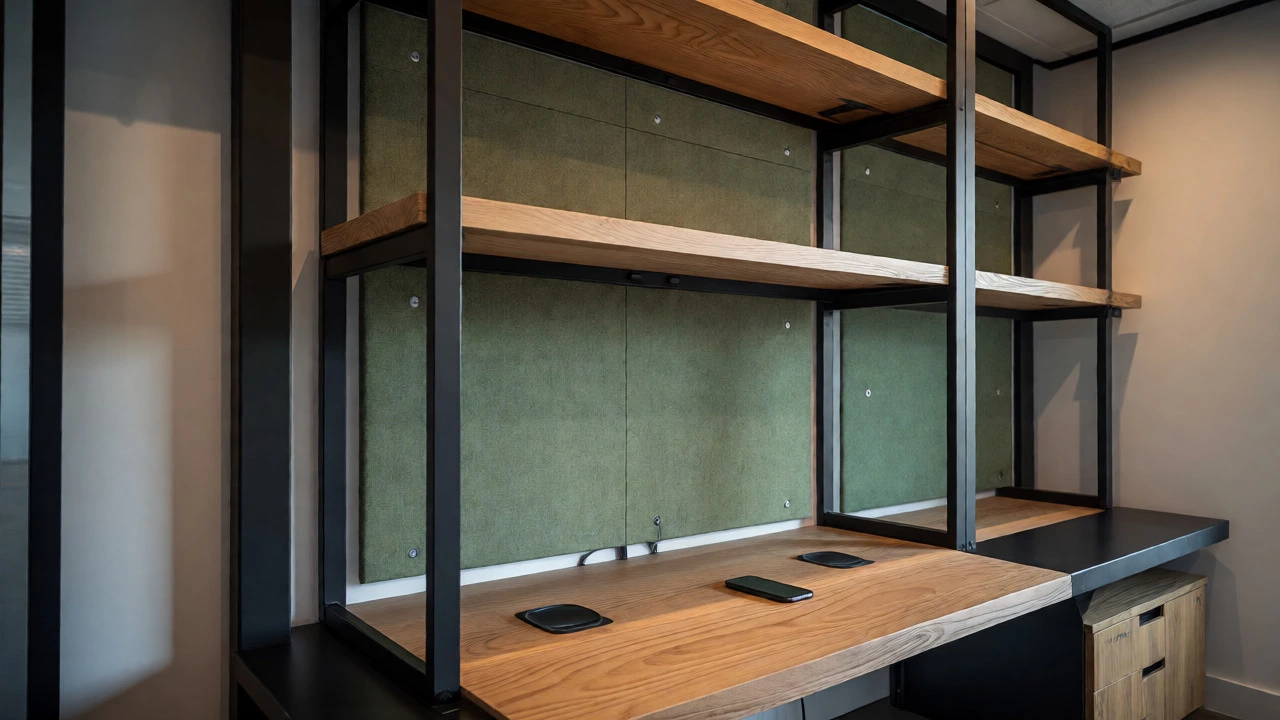
But wood isn’t the only player anymore. Metal frames combined with wood shelves create an industrial-chic vibe that feels contemporary without being cold. Glass shelves are also making a comeback, particularly in floating configurations. They offer transparency, allowing light to pass through the unit rather than being blocked by solid backings.
| Material Type | Aesthetic Vibe | Maintenance Level | Best For |
|---|---|---|---|
| Light Oak/Ash | Warm, organic, Scandinavian | Medium (needs sealing) | Living rooms, family areas |
| Matte Black Metal | Industrial, modern, sleek | Low (easy to wipe) | Home offices, lofts |
| Tempered Glass | Airy, minimalist, high-end | High (shows dust/fingerprints) | Displaying collectibles, small spaces |
| Lacquered MDF | Crisp, painted, classic-modern | Low (paintable) | Bedrooms, kids' rooms |
Choosing the right material depends on your room's function. A home office benefits from the durability of metal and wood combos. A bedroom might prefer the softness of painted MDF to match the walls, creating a seamless look that expands the perceived space.
Integration with Smart Home Tech
We live in a digital age, so why do our bookshelves still look analog? One major reason built-ins felt outdated was their inability to hide wires. TV mounts on shelves created a mess of HDMI cables and power strips. In 2026, smart integration is key. New designs incorporate hidden cable channels directly into the millwork.
Beyond hiding wires, consider connectivity. Some high-end custom units now include wireless charging pads embedded in the top surfaces. Imagine placing your phone on a shelf while you grab a book, and it starts charging automatically. This blends utility with aesthetics seamlessly.
Also, think about acoustics. Open shelves can cause echo in large rooms. Adding acoustic panels behind the shelves or using fabric-backed backing can dampen sound. This is crucial for open-plan living where noise travels easily. It turns your bookcase into a functional element that improves the room's comfort, not just its looks.
Digital vs. Physical: What Goes on the Shelves?
With e-readers and streaming services, do we really need physical books? Yes, but fewer of them. The role of the physical book has shifted from information source to decorative object. We buy books for their covers and colors, not just their content.
Here is a practical rule of thumb: follow the 60/40 split. Fill 60% of your shelf space with books arranged by color or size for visual harmony. Use the remaining 40% for non-book items. This prevents the "library fatigue" look. Rotate these objects seasonally. Swap out summer travel photos for winter holiday decor. This keeps the display fresh without buying new furniture.
Consider vertical stacking too. Stacking books horizontally creates different lines and textures compared to vertical rows. It allows you to place a small plant or sculpture on top of the stack. This adds height variation, which draws the eye upward and makes ceilings feel higher.
When Built-Ins Are the Wrong Choice
Despite their charm, built-ins aren't always the best solution. If you rent your home, permanent modifications are usually off the table. But even for owners, there are scenarios where freestanding units win.
If you move frequently, custom millwork locks you into a specific layout. You can't take your expensive oak shelves to your next apartment. Freestanding modular systems, like those from IKEA or custom metal shops, offer flexibility. You can reconfigure them as your life changes-adding a desk module when you start working from home, or removing a section when you declutter.
Another pitfall is poor lighting. Built-ins often block natural light if they are too deep or tall. If your room already suffers from low illumination, a bulky built-in can make it feel cave-like. In this case, opt for open-back shelving or glass fronts. Or, paint the inside of the shelves a bright white to bounce light around the room.
How to Update Existing Built-Ins Without Renovation
Do you already have those dark, dated shelves? Don't tear them out yet. You can modernize them for a fraction of the cost of replacement.
- Paint the Back Panel: If the back of your shelves is visible, paint it a bold color or wallpaper it. This adds depth and personality without touching the structure.
- Swap Hardware: Replace old knobs or brackets with modern matte black or brushed brass options. Small details signal a change in era.
- Add Lighting: As mentioned earlier, battery-operated LED puck lights are easy to install. Stick them under the front lip of each shelf. No wiring required.
- Declutter Ruthlessly: Remove anything that doesn't spark joy or serve a purpose. Empty space is a luxury feature in modern design.
These tweaks address the visual weight issues that make older built-ins feel stale. You keep the architectural integrity but update the surface appeal.
Frequently Asked Questions
Are floor-to-ceiling bookshelves still popular?
Yes, but they are styled differently now. Instead of filling every inch with books, modern designs use negative space and curated objects. Floor-to-ceiling units remain popular because they maximize vertical space and draw the eye upward, making rooms feel taller.
What color should I paint my built-in bookshelves?
Neutral tones like warm whites, creams, and light grays are trending because they reflect light and blend with most decor. However, painting the back panel a contrasting color or using a bold hue for the entire unit is a growing trend for creating a statement piece in otherwise neutral rooms.
Is it cheaper to build or buy bookshelves?
Freestanding shelves are generally cheaper upfront. Custom built-ins require professional carpentry and materials, costing significantly more. However, built-ins add value to your home appraisal and utilize awkward corners better than standard units, potentially offering better long-term ROI for homeowners planning to stay put.
How do I stop my bookshelves from looking messy?
Follow the 60/40 rule: 60% books, 40% decor. Arrange books by color or height rather than alphabetically. Group similar items together to create visual blocks. Regularly edit your collection-if you haven't read a book in five years, donate it. Less clutter equals a cleaner look.
Can built-in shelves reduce natural light?
Yes, if they are deep and placed against windows. To mitigate this, choose open-back designs or glass shelves. Painting the interior white helps reflect light. Alternatively, ensure your artificial lighting plan includes dedicated shelf lights to compensate for any loss of daylight.