Patio Furniture Mold Remedy Finder
Select your furniture material below to find the safest and most effective way to kill mold and prevent regrowth.
PRO TIP FOR PREVENTION
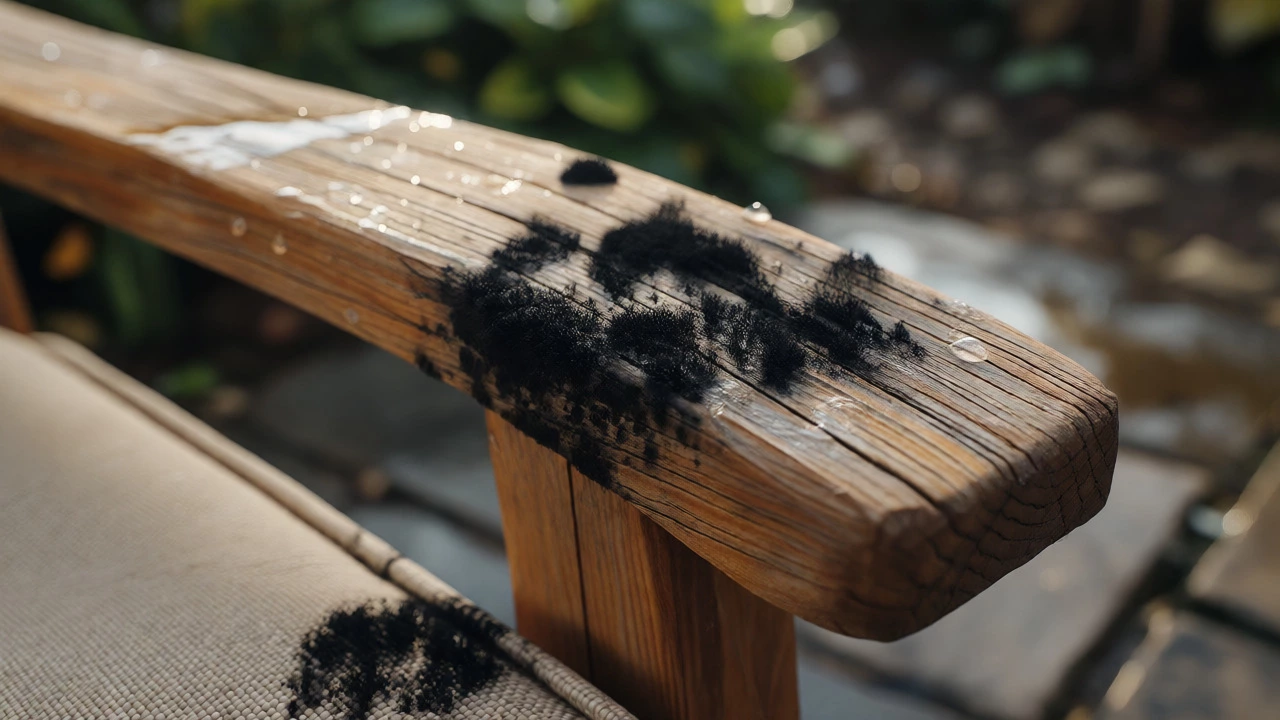
You step outside for your morning coffee, look at your favorite chair, and see it: a fuzzy, dark patch spreading across the fabric or wood. It’s not just ugly; it’s a health hazard. Mold thrives in damp, shaded spots, and if you live somewhere like Wellington, where the wind whips rain sideways and humidity hangs heavy, your patio furniture is basically a magnet for fungi growth. The good news? You don’t need to throw everything out. With the right approach, you can kill that mold and keep your outdoor space looking sharp.
| Material Type | Best Killer | Key Precaution |
|---|---|---|
| Fabric/Cushions | Vinegar & Sunlight | Test for colorfastness first |
| Wood (Teak/Pine) | Oxygen Bleach | Avoid chlorine on softwoods |
| Plastic/Wicker | Soapy Water + Scrub | Rinse thoroughly to prevent residue |
| Metal Frames | White Vinegar Spray | Dry immediately to stop rust |
Why Your Patio Is a Mold Magnet
Mold isn’t just dirt. It’s a living organism that needs three things: moisture, food, and time. Your patio furniture provides all three. Fabric cushions absorb rainwater, leaving them damp for days. Wood grains trap spores deep inside the fibers. Even plastic surfaces develop micro-scratches where grime accumulates, feeding the mold. If your furniture sits under a tree or against a north-facing wall (in the Southern Hemisphere), it gets less sun and more shade, creating the perfect incubator. Ignoring small spots leads to big problems-stains that won’t wash out and structural rot in wooden pieces.
The Power of White Vinegar
Before you reach for harsh chemicals, try white vinegar is a mild acetic acid solution effective at killing 82% of mold species. It’s cheap, non-toxic, and safe for most materials. Fill a spray bottle with undiluted white vinegar. Spray the affected areas generously. Let it sit for at least an hour. This dwell time is crucial-it allows the acid to penetrate the mold roots. Afterward, scrub gently with a stiff-bristled brush. For tough stains on wood or wicker, mix half a cup of baking soda into the vinegar solution after spraying to create a fizzing action that helps lift debris. Rinse with clean water and let it dry completely in direct sunlight. UV rays are natural fungicides, so sunshine is your best friend here.
Tackling Stubborn Mold on Wood
Wood requires a gentler touch than plastic. Chlorine bleach can strip natural oils from teak or cedar, causing cracking later. Instead, use oxygen bleach (sodium percarbonate) which breaks down into oxygen and soda ash without damaging wood fibers. Mix it according to the package instructions-usually one scoop per gallon of warm water. Apply it with a garden sprayer or a sponge. Let it work for 15-20 minutes. You’ll notice the mold lightening as the oxygen bubbles lift it out. Scrub along the grain of the wood to avoid raising splinters. If the mold has penetrated deep into untreated pine, you might need to sand the area lightly after drying. Always wear gloves when handling oxygen bleach, as it can irritate skin.
Cleaning Fabric Cushions and Umbrellas
Don’t toss those cushions yet. Most outdoor fabrics are made from polyester or olefin, which resist water but still harbor mold. Check the care label first. If they’re machine-washable, add a cup of white vinegar to the rinse cycle. This kills spores and removes odors. For hand-cleaning, mix a solution of lukewarm water, mild dish soap, and a splash of vinegar. Use a soft brush to agitate the fabric. Pay special attention to seams and zippers, where moisture hides. If the mold is black and stubborn, soak the cushions in a tub filled with water and two cups of distilled white vinegar for an hour before scrubbing. Hang them to dry fully before putting them back on the frame. Damp cushions put back on a chair will just grow new mold within weeks.
Protecting Plastic and Wicker
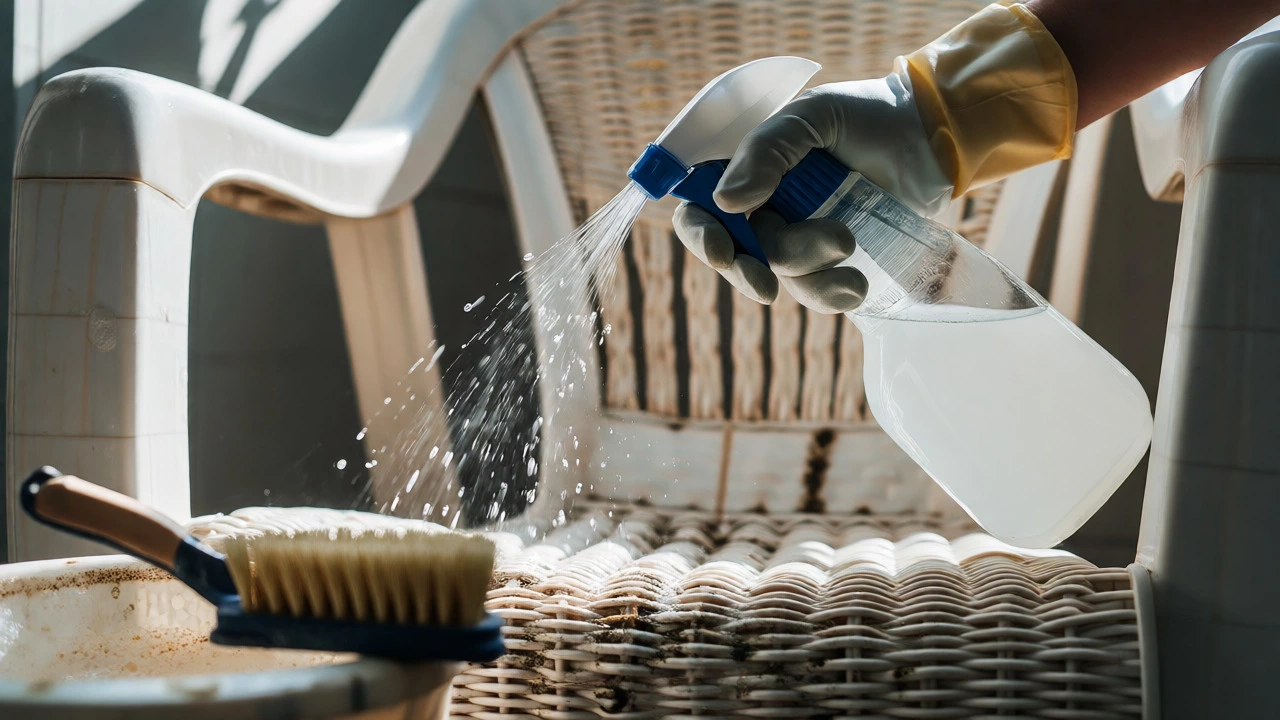
Plastic furniture is low-maintenance but prone to surface grime that looks like mold. Often, it’s just algae or dirt buildup. Start with a simple wash using hot soapy water and a long-handled brush. If real mold persists, make a paste of baking soda and water. Apply it to the spots, let it dry, then scrub it off. This abrasive method lifts stains without scratching hard plastics. For synthetic wicker, use a toothbrush for tight weaves. Vinegar works well here too, but ensure you rinse thoroughly. Residual soap or vinegar can attract more dirt if left behind. Dry the furniture completely before stacking it for winter storage. Trapped moisture between stacked chairs is a common cause of next-season mold outbreaks.
Preventing Future Outbreaks
Killing mold is half the battle; keeping it away is the other half. Here’s how to stay ahead:
- Elevate your furniture: Keep legs off wet ground by using pavers or deck blocks. Airflow underneath dries faster.
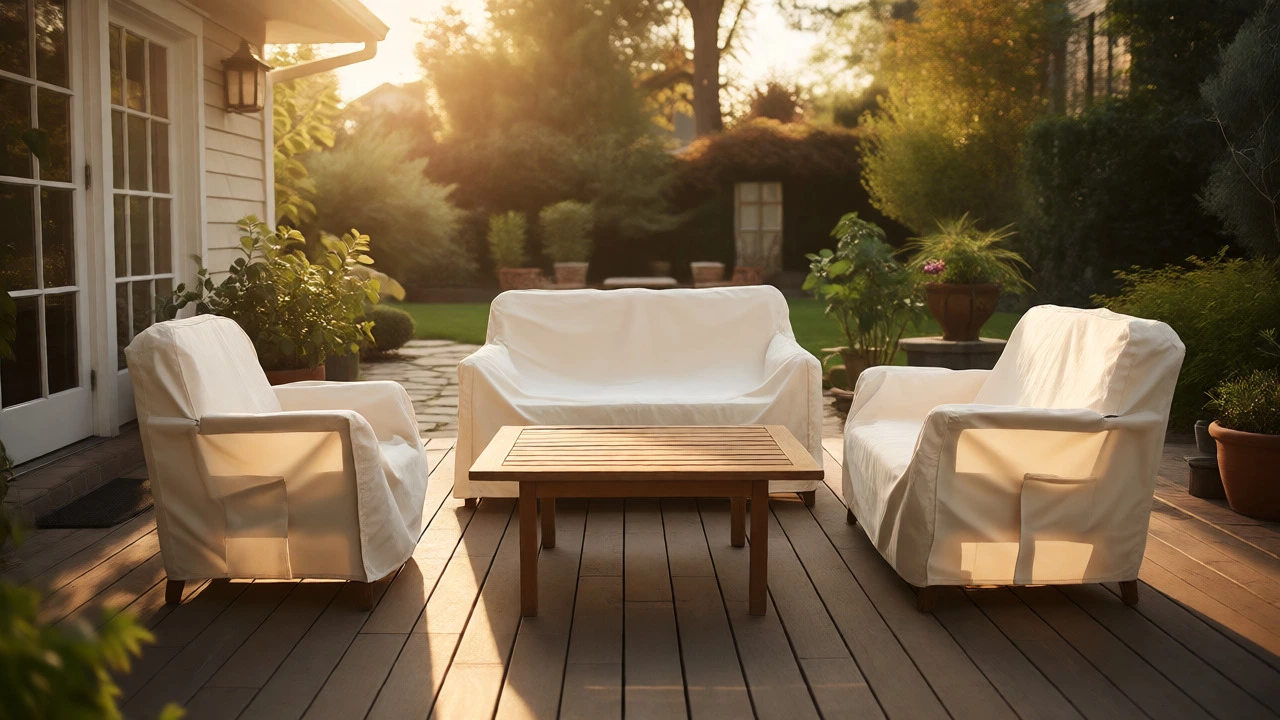
- Use breathable covers: Avoid plastic tarps that trap condensation. Choose canvas or specialized outdoor covers with vents.
- Apply protective sealants: Once a year, treat wooden furniture with a penetrating oil or sealer. This creates a barrier against moisture absorption.
- Store during prolonged rain: If you expect a week of drizzle, bring cushions inside or stack furniture under a covered porch.
Regular maintenance saves money. Spending ten minutes wiping down frames after a storm prevents hours of scrubbing later.
When to Call a Professional
Sometimes, DIY isn’t enough. If you have expensive rattan or antique teak, improper cleaning can ruin the finish. Professionals use steam cleaners and specialized biocides that penetrate deeper without damage. Also, if the mold smell lingers after cleaning, there might be internal rot or deep-seated fungal colonies requiring professional restoration. In our experience in Wellington, coastal salt air accelerates corrosion on metal joints, often hidden beneath mold layers. A pro can assess structural integrity while treating the surface.
Does bleach kill mold permanently?
Bleach kills surface mold but doesn't always remove the root structure, especially on porous materials like wood. It can also leave a nutrient-rich residue that encourages regrowth. Oxygen bleach or vinegar is often better for long-term results.
Can I use hydrogen peroxide on patio furniture?
Yes, 3% hydrogen peroxide is an effective antifungal agent. Spray it directly on mold, let it bubble for 10 minutes, then wipe clean. It's safer than bleach but can lighten some colored fabrics, so test a hidden spot first.
How do I remove black mold from white plastic?
Make a paste with baking soda and lemon juice or vinegar. Apply it to the black spots, let it sit for 30 minutes, then scrub with a stiff nylon brush. Rinse well and dry in direct sunlight, which naturally bleaches remaining stains.
Is mold on patio furniture dangerous?
For most healthy adults, it's mostly cosmetic. However, individuals with allergies, asthma, or compromised immune systems may experience respiratory issues. Black mold (Stachybotrys) specifically produces mycotoxins that should be removed promptly.
Can I pressure wash all patio furniture?
No. High-pressure water can force mold deeper into wood grain or tear fabric. Use pressure washing only on sturdy, solid plastics or stone. For wood and fabric, stick to low-pressure rinses and manual scrubbing.