Patio Furniture Longevity & Material Advisor
Select your primary concern or environment to find the best material match based on longevity and maintenance needs.
You just spent a small fortune on a cute rattan set. It looked amazing for one season. Then the rain hit, the sun baked it, and by year two, the cushions were moldy and the frame was cracking. Sound familiar? Most people buy patio furniture based on how it looks in the showroom or catalog photo. They ignore the brutal reality of UV rays, humidity, salt air, and temperature swings. If you want furniture that survives more than three summers without looking like trash, you need to stop shopping with your eyes and start shopping with your brain.
The answer to "what lasts longest" isn't a single brand. It’s a material. Some materials are practically immortal if you treat them right. Others are disposable. Here is the breakdown of what actually holds up over ten, fifteen, or twenty years.
The Heavyweight Champion: Aluminum (Powder-Coated)
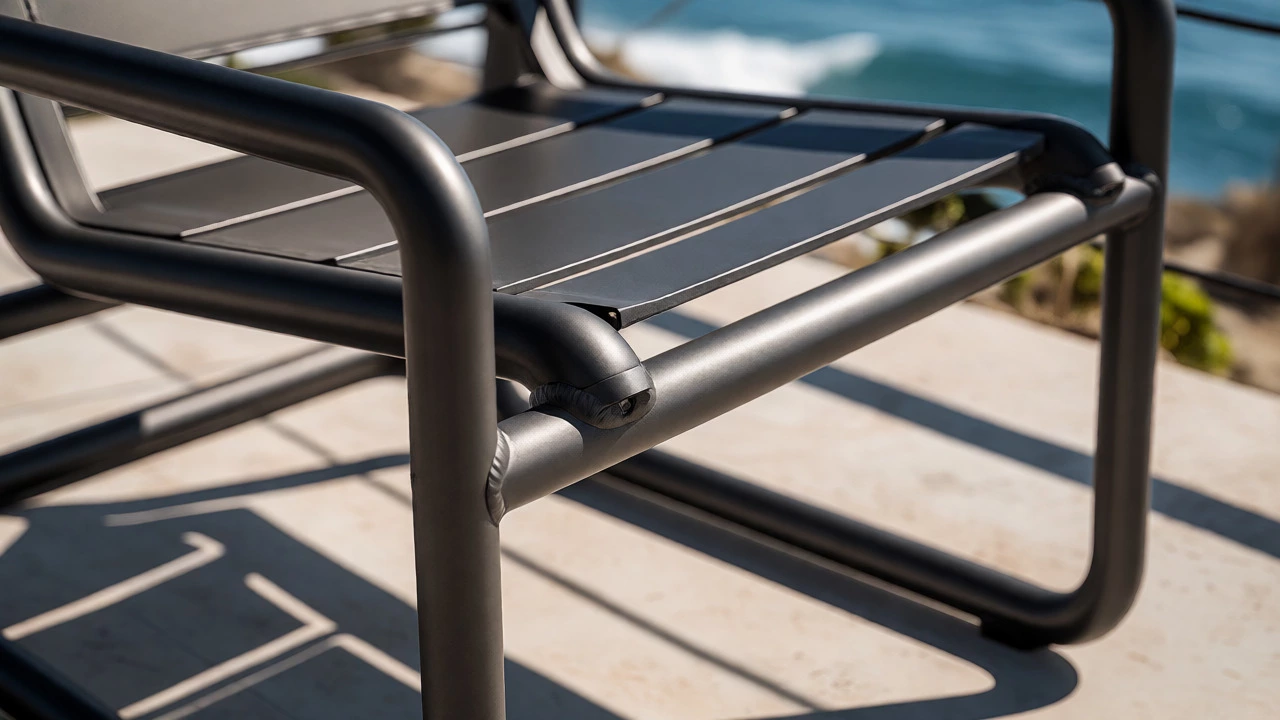
If you ask any landscape architect or commercial venue owner what they use, they will tell you: powder-coated aluminum. This isn't the cheap, thin aluminum that dents if you look at it wrong. We are talking about cast aluminum or thick-gauge extruded aluminum finished with a thermoset powder coat.
Aluminum is a lightweight metal that naturally resists rust and corrosion, making it ideal for coastal and humid environments. Unlike iron, which turns into orange dust when the paint chips, aluminum oxidizes into a protective layer that stops further decay. The powder coating adds a second layer of armor against UV fading and scratches.
Why do pros love it?
- Zero Rust: Even if the coating scratches, the metal underneath won’t corrode.
- Lightweight: You can move chairs around for cleaning or storage without throwing out your back.
- Low Maintenance: Hose it down. That’s it. No sanding, no staining, no sealing.
The only downside? Cheap aluminum bends. If you buy a $50 chair from a big-box store, the tubes might be too thin. Look for frames with welded joints rather than bolted ones, and check the wall thickness of the tubing. Anything under 1.2mm gauge is flimsy.
The Natural King: Teak Wood
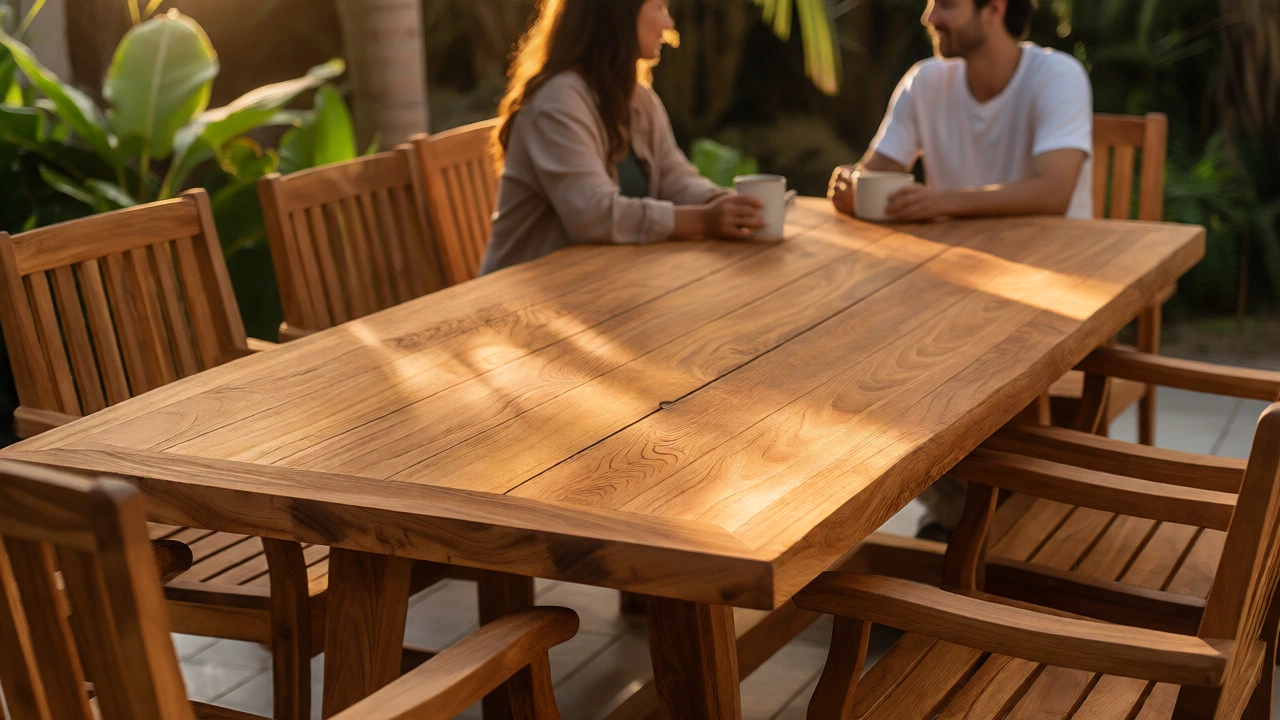
Before we talk about synthetic woods, let’s talk about the real thing. Teak is a tropical hardwood known for its high natural oil content and rubber-like texture, which makes it incredibly resistant to water and rot. Ships have used teak for centuries because it doesn’t warp or crack in marine conditions.
Real teak doesn’t need paint. In fact, painting it ruins it. Left untreated, teak fades from golden brown to a silvery gray patina. Some people hate this; some love it. If you want to keep the golden color, you must apply teak oil every few months. But here is the secret: the oil is purely cosmetic. Structurally, the wood is fine without it.
Is it worth the price tag? Yes, if you plan to keep the furniture for decades. A solid teak dining table can easily last 30+ years. The catch is weight. Teak is dense. Moving a teak sofa requires two strong people. Also, beware of "plantation teak." It grows faster and has less oil density than old-growth teak, meaning it may not last quite as long unless sealed regularly.
The Synthetic Challenger: HDPE Wicker
Traditional wicker is made from reeds or bamboo. It snaps, molds, and rots outdoors. Don’t buy it unless you live in a dry desert climate. Modern outdoor wicker is made from High-Density Polyethylene (HDPE).
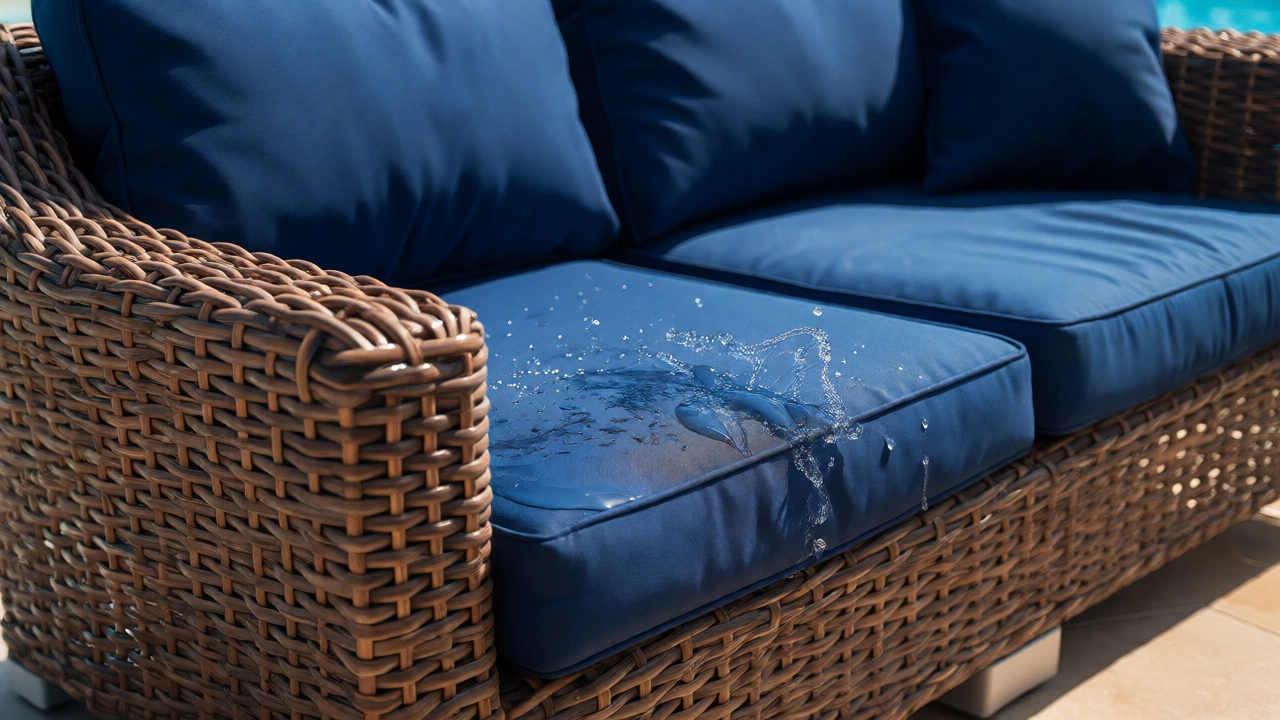
HDPE Wicker is a synthetic resin weave that mimics the look of natural rattan but offers superior resistance to moisture, UV damage, and pests. Unlike PVC wicker, which becomes brittle and cracks in cold weather, HDPE remains flexible even in freezing temperatures.
This is why you see HDPE on hotel poolsides everywhere. It handles chlorine splash, sunscreen oils, and heavy rain without issue. To clean it, mix mild soap and water, scrub with a soft brush, and rinse. Do not use bleach, as it can degrade the fibers over time.
| Material | Expected Lifespan | Maintenance Level | Best For |
|---|---|---|---|
| Powder-Coated Aluminum | 15-20+ years | Very Low | Coastal areas, high humidity |
| Teak Wood | 20-30+ years | Medium (if keeping color) | Aesthetic purists, permanent setups |
| HDPE Wicker | 10-15 years | Low | Poolside, family homes |
| Wrought Iron | 10-20 years | High | Cold climates (with care) |
| Eucalyptus/Acacia | 5-10 years | High | Budget-conscious buyers |
The Old School Choice: Wrought Iron
Wrought iron looks elegant. It feels substantial. But it has one fatal flaw: rust. Once the paint chips, moisture gets in, and oxidation spreads fast. In wet climates, wrought iron demands constant vigilance. You need to touch up paint chips immediately with rust-inhibiting primer.
However, modern "wrought iron" is often actually steel tubing coated with a black finish. It’s heavier than aluminum and harder to move. If you live in a rainy area, avoid this unless you have a covered patio. If you live in Arizona or inland California, where rain is rare, wrought iron can last forever because the environment helps it.
The Budget Option: Acacia and Eucalyptus
Not everyone wants to spend $2,000 on a teak table. Hardwoods like Acacia and Eucalyptus offer a middle ground. They are denser than pine but less oily than teak. Without regular sealing, they will gray and potentially split within 3-5 years.
If you choose these woods, you must commit to maintenance. Apply a penetrating oil sealer twice a year-once before summer and once before winter. Skip this step, and you’re buying disposable furniture. Think of it as renting the look of wood for a few years instead of owning it for decades.
The Hidden Factor: Cushions and Fabric
You can buy the most durable aluminum frame in existence, but if your cushions shred in two seasons, the whole set looks worn out. The frame lasts 20 years; the fabric usually lasts 3-5.
Look for solution-dyed acrylic fabrics like Sunbrella. These fibers have the color locked inside the polymer strand during manufacturing, so UV rays don’t fade them as quickly as surface-dyed cotton or polyester. Solution-dyed fabrics also resist mold and mildew better because they absorb less water.
Pro tip: Check the zipper quality. Cheap zippers break first. Replaceable cushion covers are a lifesaver. If you spill red wine on a white cushion, you don’t throw away the whole sofa-you just unzip and wash the cover.
How to Make Any Furniture Last Longer
Material matters, but usage matters more. Here are three rules that double the lifespan of any patio set:
- Use Covers: Even the best materials degrade under constant UV exposure. Throw a breathable cover over the set when not in use. Avoid plastic tarps that trap moisture underneath, creating a greenhouse effect for mold.
- Lift Off the Ground: Concrete and stone retain dampness. Place feet on pavers or use glides to prevent direct contact with wet surfaces. This prevents capillary action from drawing water into wood or metal joints.
- Store in Winter: If you live in a place with freezing winters, store furniture indoors or in a shed. Freeze-thaw cycles cause micro-cracks in finishes and weaken glue joints in wood.
Making the Right Call for Your Climate
Your location dictates the winner. There is no universal "best."
- Coastal/Salt Air: Go with Aluminum or HDPE. Salt eats iron and degrades wood finishes rapidly.
- Hot/Dry Desert: Wrought Iron or Teak works well. Avoid plastics that might become brittle in extreme heat (though HDPE handles it fine).
- Humid/Tropical: Aluminum and Teak are kings. Avoid fabrics that trap moisture unless they are quick-drying synthetics.
- Cold/Snowy: Aluminum is safest. Wood needs rigorous sealing. Iron needs perfect paint integrity.
Buying patio furniture is an investment in your home’s exterior living space. Stop chasing trends. Pick a material that matches your willingness to maintain it and your local weather patterns. If you want zero hassle, buy powder-coated aluminum. If you want heirloom quality and don’t mind wiping it down occasionally, buy teak. Either way, you’ll save money in the long run by not replacing a broken set every third summer.
Does teak furniture really last longer than aluminum?
Structurally, both can last decades. However, teak requires more active maintenance to preserve its appearance and structural integrity against splitting, whereas powder-coated aluminum is virtually maintenance-free. In terms of sheer longevity with minimal effort, aluminum often wins for busy homeowners.
Is HDPE wicker better than natural rattan?
Yes, for outdoor use. Natural rattan absorbs water, swells, and rots. HDPE is waterproof, UV-stabilized, and does not support mold growth. Natural rattan is strictly for indoor use or very sheltered, dry patios.
Can I leave aluminum furniture outside all year?
Generally, yes. Powder-coated aluminum is highly resistant to weather elements. However, covering it during harsh winters or storms extends the life of the powder coat finish and keeps it cleaner. In coastal areas, rinsing off salt spray periodically is recommended.
Why is my teak furniture turning gray?
This is a natural process called silvering. UV light breaks down the lignin in the wood, causing the color to fade to a silvery gray. It does not mean the wood is damaged. If you prefer the original golden color, you must apply teak oil or stain regularly, though this requires ongoing upkeep.
Are expensive cushions worth it?
Yes, if you want durability. Premium fabrics like solution-dyed acrylics resist fading, staining, and mold much better than cheap polyesters. While the initial cost is higher, they last 5-7 years compared to 1-2 years for budget options, offering better value over time.