Furniture Budget Estimator
Enter your details below to get a personalized furniture budget estimate, including sofa tier recommendations and total projected costs.
Your Details
Estimated Budget Breakdown
Enter your information to see your custom budget plan.
You walk into a showroom or scroll through an online store, and the numbers hit you like a wave. One sofa costs $400. The next one looks almost identical but costs $2,500. Which one is the "good" budget? Is there even such a thing as a standard number anymore?
Here is the truth: there is no single magic number. But there is a reliable way to figure out what furniture budget actually works for your life, your space, and your sanity. It’s not about guessing; it’s about understanding where the money goes and what you are really paying for.
The 10% Rule (And Why It Might Be Wrong)
Real estate agents and interior designers often throw around the "10% rule." They say you should spend roughly 10% of your home’s value on furnishings. If you bought a house for $600,000, that means a $60,000 budget for everything from the dining table to the bedroom lamps.
Does this work in real life? Rarely. For most people, especially first-time homeowners or renters, that number is wildly unrealistic. You might have plenty of cash flow but little equity, or vice versa. Instead of looking at your mortgage, look at your income. A more practical rule of thumb is to allocate 3-5% of your annual household income toward initial furnishing if you are starting from scratch. This keeps the spending proportional to what you can actually afford without draining your emergency fund.
Breaking Down the Sofa Set Cost
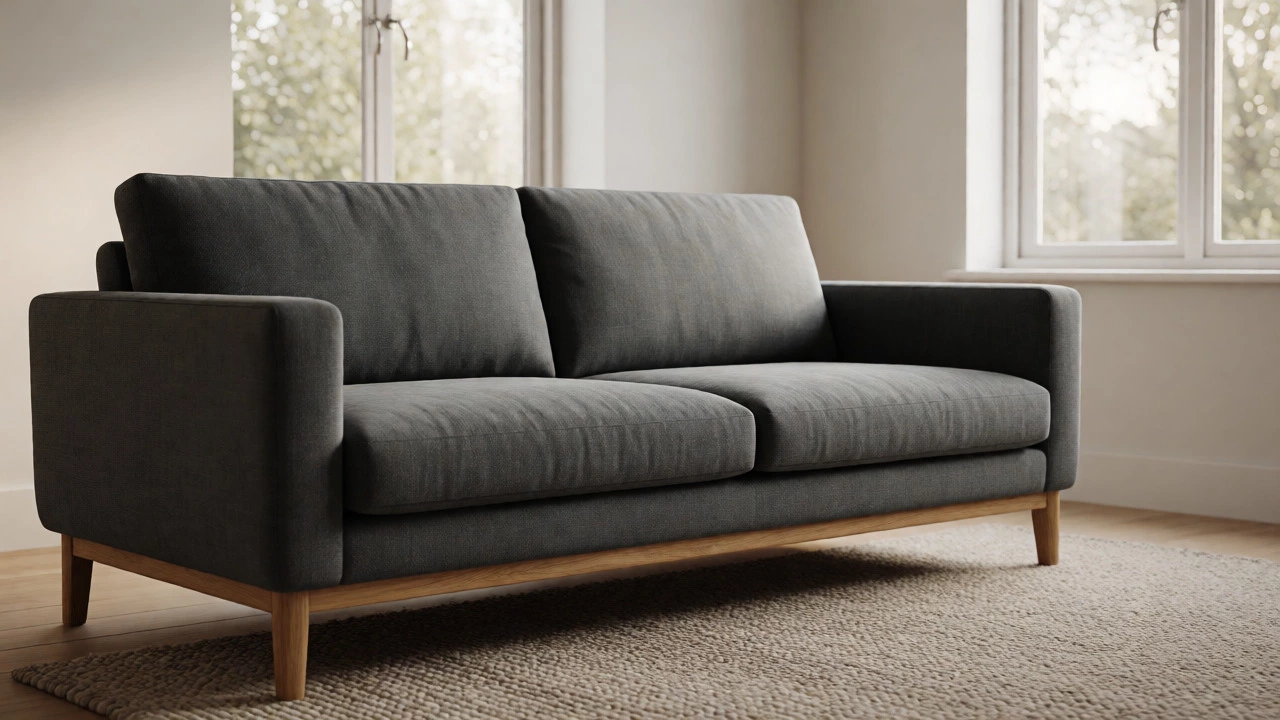
Since sofa sets are often the biggest ticket item in living room furniture, let’s look at them specifically. Your budget here depends entirely on how long you want that couch to last and how much you use it.
| Tier | Price Range (Set of 3 pieces) | Lifespan Expectation | Best For |
|---|---|---|---|
| Budget Tier | $800 - $1,500 | 2-4 years | Renters, temporary housing, low-traffic areas |
| Mid-Range Tier | $1,500 - $3,500 | 5-8 years | Most homeowners, families with kids/pets |
| Premium Tier | $3,500 - $7,000+ | 10+ years | Long-term owners, high-quality material enthusiasts |
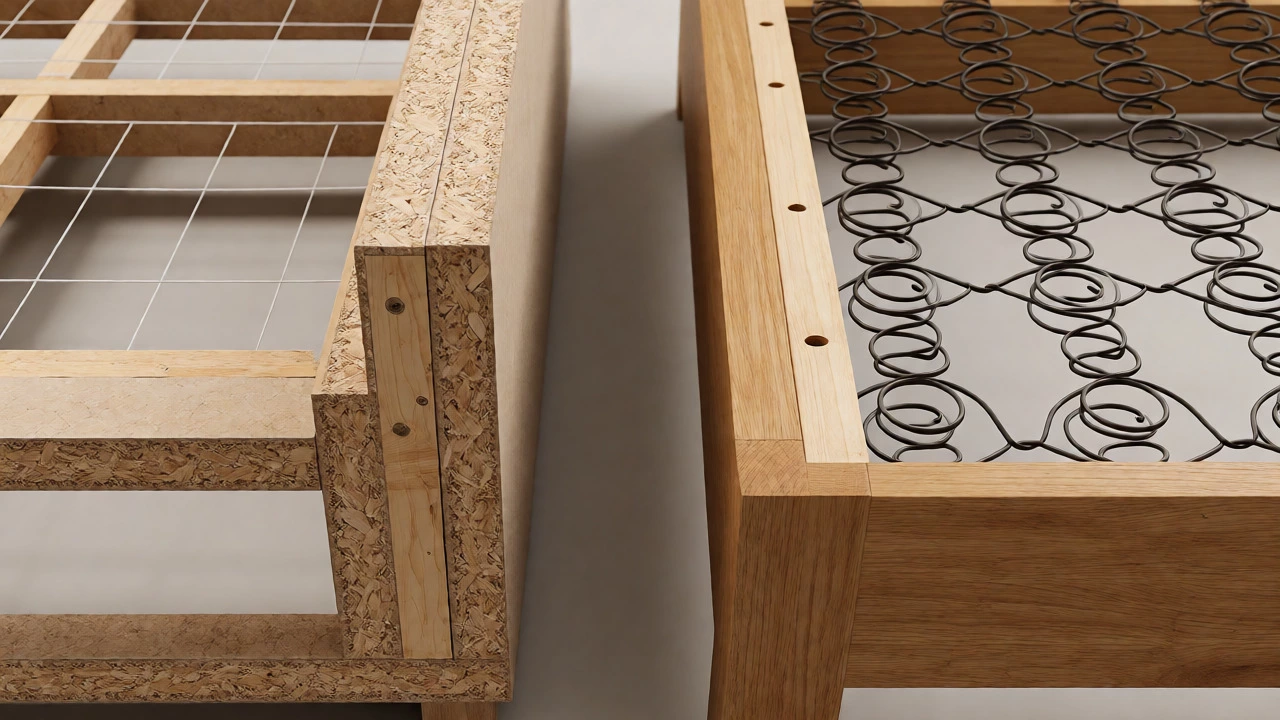
Why the huge gap? It comes down to construction. Cheap sofas use particleboard frames and webbing support. They sag quickly. Mid-range sofas usually feature kiln-dried hardwood frames and sinuous springs. Premium sofas go further with hand-tied eight-way springs and top-grain leather or high-performance fabrics. If you have two dogs and three kids, buying the $900 set isn't saving money-it's just guaranteeing you'll be shopping again in 18 months.
Prioritizing High-Traffic Zones
Not all rooms deserve equal funding. Your budget should follow usage frequency. Think about where you physically spend the most time.
- The Living Room: This is where you relax, entertain, and watch TV. Spend more here. The sofa and rug take the most wear and tear.
- The Bedroom: You sleep here for eight hours a night. Invest heavily in the mattress and bed frame. The dresser and nightstands can be cheaper, second-hand finds.
- The Dining Room: Unless you host weekly dinner parties, you don’t need a $3,000 solid oak table. A sturdy laminate or veneer table with comfortable chairs is sufficient.
- The Office: If you work from home, your chair is non-negotiable. Spend up to 50% of your office budget on an ergonomic chair. Everything else-desks, shelves-is secondary.
By skewing your budget toward these high-impact areas, you avoid the trap of buying expensive decorative items for rooms you barely use.
New vs. Second-Hand: The Value Equation
Buying new is convenient, but it’s rarely the smartest financial move for every piece. The depreciation curve for furniture is steep. That $2,000 sofa loses 30-50% of its value the moment it leaves the store.
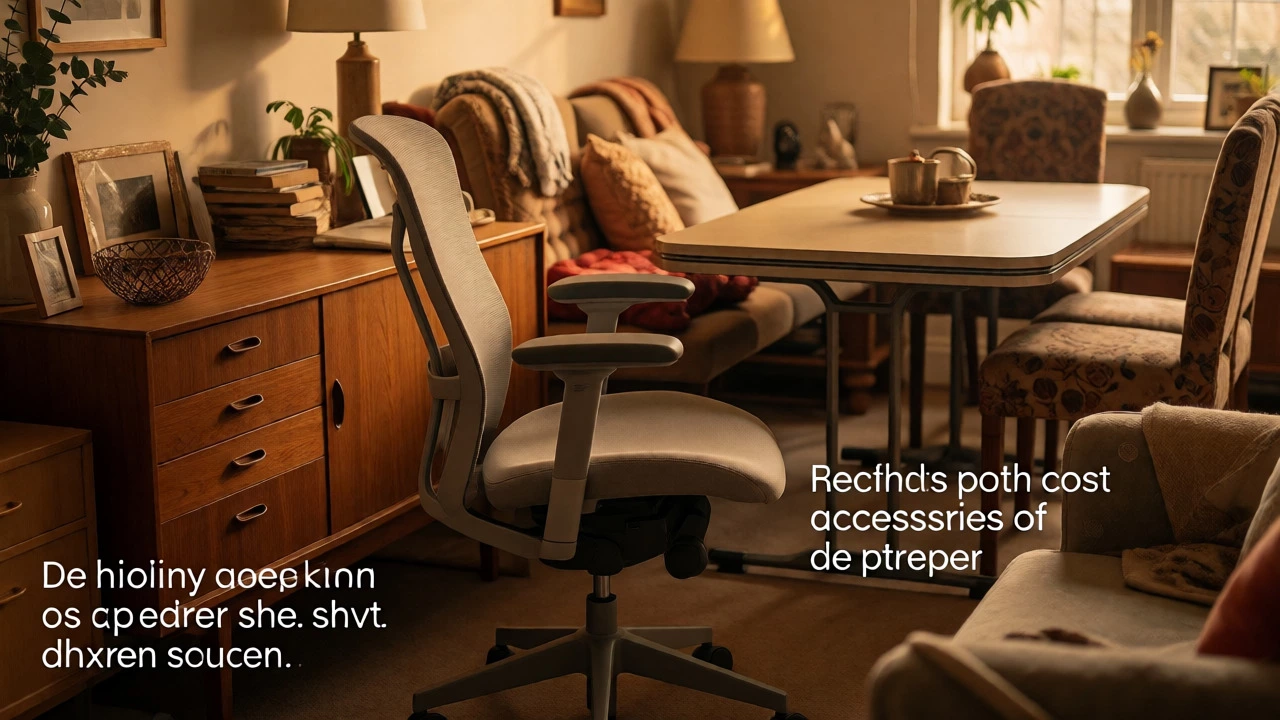
Consider mixing sources. Buy structural items like beds and sofas new if you want warranties and hygiene guarantees. But buy accent tables, bookshelves, and dressers second-hand. Platforms like Trade Me, Facebook Marketplace, or local op-shops are goldmines for solid wood pieces that were built decades ago. A vintage teak sideboard often costs less than a new MDF version and lasts twice as long.
However, know when to skip second-hand. Upholstered items with deep stains or pet odors are hard to clean fully. Mattresses are personal hygiene items-buy those new unless they come with a certified sanitization process.
Hidden Costs That Blow Your Budget
People often forget the extras. You budget $2,000 for the sofa, but then realize you need:
- Delivery Fees: Often $50-$150 per trip. If you live in an apartment without an elevator, this doubles.
- Assembly: Flat-pack furniture is cheap to buy but expensive in time. If you hire someone to assemble a wardrobe, add $100-$200.
- Accessories: Cushions, throws, lamps, and rugs. These small items add up fast. A decent rug alone can cost $500-$1,000.
- Disposal: Getting rid of old furniture isn’t free. Council bulk collections or private removalists charge fees.
Add a 15% buffer to your total estimated budget to cover these surprises. If you think you’ll spend $5,000, plan for $5,750.
How to Stretch Your Dollar Without Sacrificing Quality
If your budget is tight, you don’t have to settle for flimsy junk. Here are specific tactics used by savvy shoppers:
Wait for Sales Cycles: Furniture sales peak during holiday seasons and end-of-financial-year clearances. In New Zealand, Black Friday and Boxing Day offer significant discounts on stock clearance items.
Choose Neutral Fabrics: Trendy colors go out of style. A grey, beige, or navy sofa stays relevant longer, meaning you won’t feel pressured to replace it because it looks "dated."
Buy Modular: Modular sofas allow you to start with a smaller configuration and add sections later. This spreads the cost over time rather than requiring a large upfront lump sum.
Check Return Policies: Online retailers often have stricter return policies than physical stores. Ensure you can return a bulky item if it doesn’t fit your space. Some companies charge restocking fees up to 20%, which hurts.
When to Splurge and When to Save
It’s okay to overspend on things that touch your body frequently. Sleep, seating, and work surfaces matter. It’s fine to underspend on things that are purely visual or static.
Splurge on:
- Mattress (health impact)
- Office Chair (posture impact)
- Main Sofa (social/family hub)
Save on:
- Nightstands (functionally simple)
- Bookshelves (structural simplicity)
- Dining Chairs (if the table is stable)
- Decorative Lighting (bulbs matter more than fixtures)
This approach ensures your money goes where it improves your daily comfort, not just where it looks pretty in photos.
Is it better to buy furniture all at once or piece by piece?
Buying piece by piece is generally better for your wallet and your stress levels. It allows you to adjust your style direction as you live in the space. However, buying core items like the sofa and bed together can sometimes unlock package deals or consistent delivery scheduling. Avoid buying everything at once unless you have a strict deadline, as rushed decisions often lead to poor quality choices.
How much should I spend on a rug relative to my sofa?
A common heuristic is to spend about 20-30% of your sofa’s cost on a rug. So, if your sofa costs $2,000, aim for a rug in the $400-$600 range. This ratio helps balance the visual weight of the room. Remember, a larger rug makes a room look bigger, so prioritize size over brand names if you have to choose.
Do expensive furniture brands hold their value?
High-end designer furniture holds value better than mass-market items, but it still depreciates significantly. Unlike cars, furniture doesn't always appreciate. However, well-made vintage pieces from recognized makers (like mid-century modern designs) can retain or increase value. Mass-produced luxury brands often lose 50% of their value immediately upon purchase.
What is the average cost to furnish a 3-bedroom house?
For a basic, functional setup using a mix of new and second-hand items, expect to spend between $10,000 and $15,000. This covers essential living room, dining, and bedroom furniture for three bedrooms. If you aim for higher-quality materials and new items throughout, the budget can easily rise to $25,000-$40,000 depending on location and brand preferences.
Should I rent furniture instead of buying?
Renting makes sense if you move frequently (every 1-2 years) or if you are furnishing a temporary rental where you cannot sell the items later. Over a five-year period, renting typically costs 2-3 times more than buying. If you plan to stay in your current home for more than two years, buying is almost always the financially superior option.