Classy Wardrobe Audit Tool
Select the items you currently own in good condition to calculate your "Class Score".
Core Essentials
-
Little Black Dress (LBD)
-
Tailored Trousers
-
Classic Blazer (Navy/Charcoal)
-
Quality Dark Denim
-
White Button-Down Shirt
-
Classic Leather Footwear
Accessories & Quality
-
Minimalist Jewelry
-
Structured Leather Bag
-
Classic Sunglasses
-
Items Professionally Tailored
-
High-Quality Natural Fabrics
-
Cohesive Neutral Palette
Your Class Score
Based on timeless essentials
Have you ever walked into a room and felt instantly intimidated by someone’s outfit, not because it was flashy or expensive, but because it looked effortless? That is the power of a classy wardrobe. It isn’t about wearing the most expensive labels or following every fleeting trend. Instead, it is about curation, quality, and confidence. A classy wardrobe speaks before you do, signaling that you value substance over hype.
In a world saturated with fast fashion and micro-trends, building a sophisticated closet can feel overwhelming. You might wonder if you need to spend thousands on designer pieces to achieve this look. The truth is quite different. True class comes from understanding fit, fabric, and function. It is about creating a collection of clothes that work together seamlessly, reducing decision fatigue while elevating your daily appearance.
The Core Pillars of a Sophisticated Closet
To build a classy wardrobe, you must first understand what defines "class" in fashion. It is not a single item; it is a philosophy. At its heart, sophistication relies on three non-negotiable pillars: quality, simplicity, and fit.
Quality is the foundation. Cheap fabrics pill, fade, and lose their shape after a few washes. High-quality materials like merino wool, 100% cotton, silk, and leather age gracefully. They develop character rather than deteriorating. When you touch a garment, it should feel substantial yet comfortable. If it feels scratchy or thin, it likely lacks the structural integrity needed for a polished look.
Simplicity drives the aesthetic. A classy wardrobe avoids loud logos, busy patterns, and excessive detailing. Think clean lines and solid colors. This approach allows each piece to stand on its own merit. When you remove visual noise, you create space for elegance. A simple black dress or a well-tailored navy blazer commands more respect than a neon graphic tee.
Fit is the secret weapon. Even the most expensive suit looks sloppy if it drapes poorly. Conversely, an affordable shirt tailored to your body shape looks luxurious. Shoulders should sit flat, waistlines should follow your natural contour without pulling, and hemlines should hit at flattering points. Investing in a local tailor is often the smartest move you can make for your budget.
Building Your Foundation: The Essential Pieces
A timeless wardrobe is built on a core set of versatile pieces. These are the anchors that allow you to mix and match effortlessly. You don’t need hundreds of items; you need the right ones. Here are the essential components that form the backbone of sophistication:
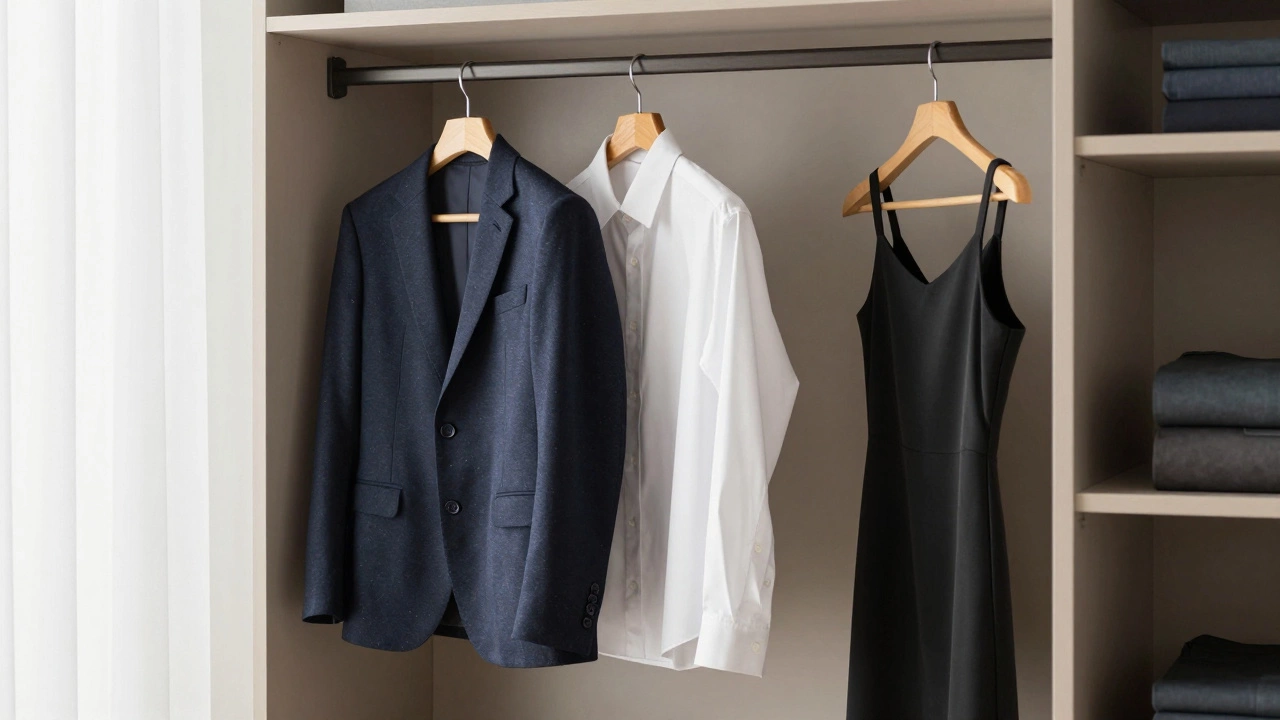
- The Little Black Dress (LBD): For women, this is non-negotiable. Choose a cut that flatters your silhouette-whether it’s a sheath, wrap, or shift style. The key is versatility; it should transition from office to evening with a change of accessories.
- Tailored Trousers: Opt for high-waisted styles in neutral tones like black, grey, or camel. Look for fabrics with a slight stretch for comfort but enough structure to hold their shape. Wide-leg trousers offer a modern, elegant drape.
- The Classic Blazer: A structured blazer in navy or charcoal adds instant polish to jeans or a skirt. Ensure the shoulders fit perfectly; this is the hardest part to alter later.
- Quality Denim: Dark-wash, straight-leg jeans without distressing or fading are a staple. They bridge the gap between casual and formal, allowing you to elevate simpler tops.
- The White Button-Down: Crisp, white cotton shirts are universally flattering. They serve as a blank canvas for layering and accessorizing. Keep them pristine and ironed.
- Classic Footwear: Invest in leather loafers, ankle boots, or pointed-toe flats. Avoid overly trendy shapes like extreme platforms or chunky soles unless they align with your personal style long-term.
These pieces share a common trait: they are seasonless. You can wear them in spring, summer, autumn, and winter with minor adjustments. This longevity is what makes them cost-effective in the long run.
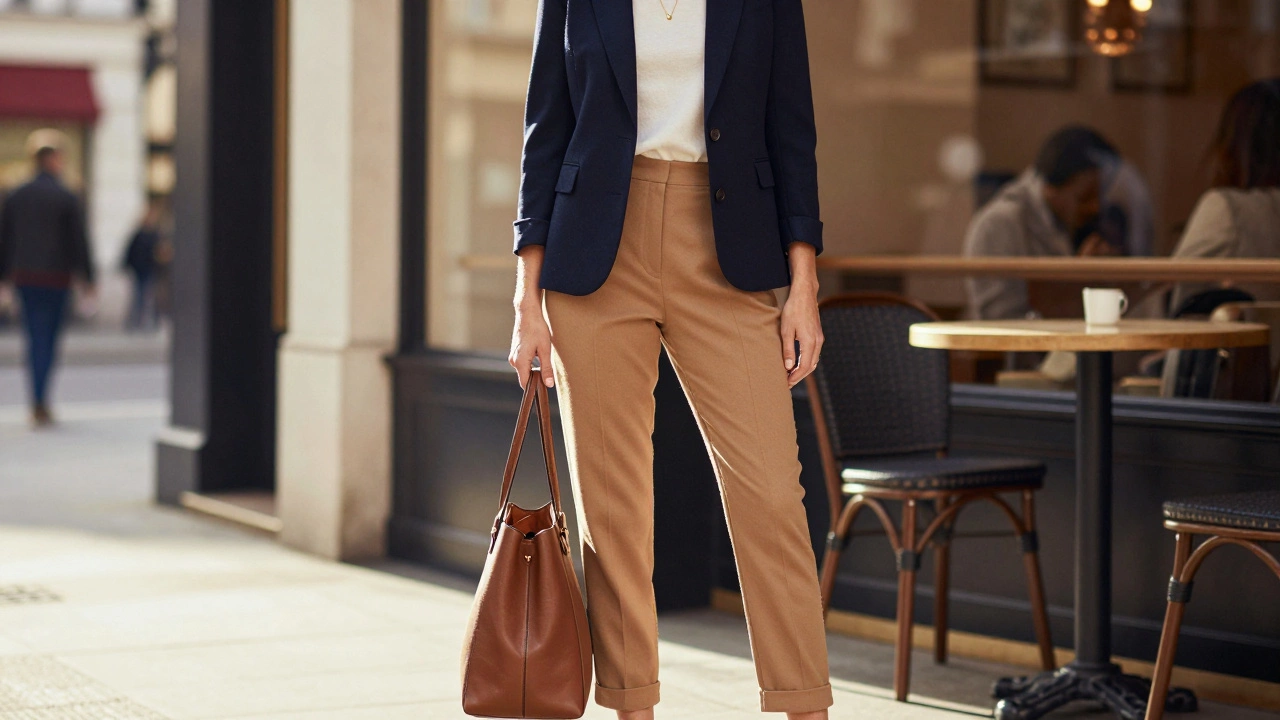
The Power of Color and Fabric Coordination
One of the biggest mistakes people make when trying to look classy is mixing clashing colors or textures. A sophisticated wardrobe operates within a cohesive color palette. This doesn’t mean you can only wear beige and black, but it does mean your colors should complement each other naturally.
Stick to a neutral base palette consisting of blacks, whites, greys, navies, and creams. These colors act as neutrals that pair well with almost anything. Once you have this base, introduce accent colors sparingly. Deep jewel tones like emerald green, burgundy, or royal blue add richness without chaos. Avoid neon shades or overly bright pastels that can look juvenile or dated quickly.
Fabric coordination is equally important. Texture adds depth to an outfit without needing loud patterns. Pair smooth silk with rough tweed, or soft cashmere with crisp cotton. However, avoid mixing too many textures in one outfit. Two or three distinct textures are enough to create visual interest. For example, a wool coat over a silk blouse and denim jeans creates a balanced, layered look that feels intentional.
Curating Over Collecting: The Capsule Approach
A capsule wardrobe is the practical application of class. It involves selecting a limited number of interchangeable items that all work together. This method reduces clutter and simplifies your morning routine. Instead of staring at a crowded closet feeling overwhelmed, you open it to see options that already coordinate.
To start curating, audit your current closet. Remove anything that is damaged, ill-fitting, or hasn’t been worn in the last year. Be ruthless. If you hesitate, let it go. Then, identify gaps in your essentials. Do you lack a good winter coat? A reliable pair of trousers? Focus your shopping budget on filling these voids rather than buying impulse purchases.
The goal is to maximize outfits per item. If a new top doesn’t go with at least three existing bottoms, skip it. This mindset shifts your focus from quantity to quality. You end up with fewer clothes, but every piece earns its place through frequent use and versatility.
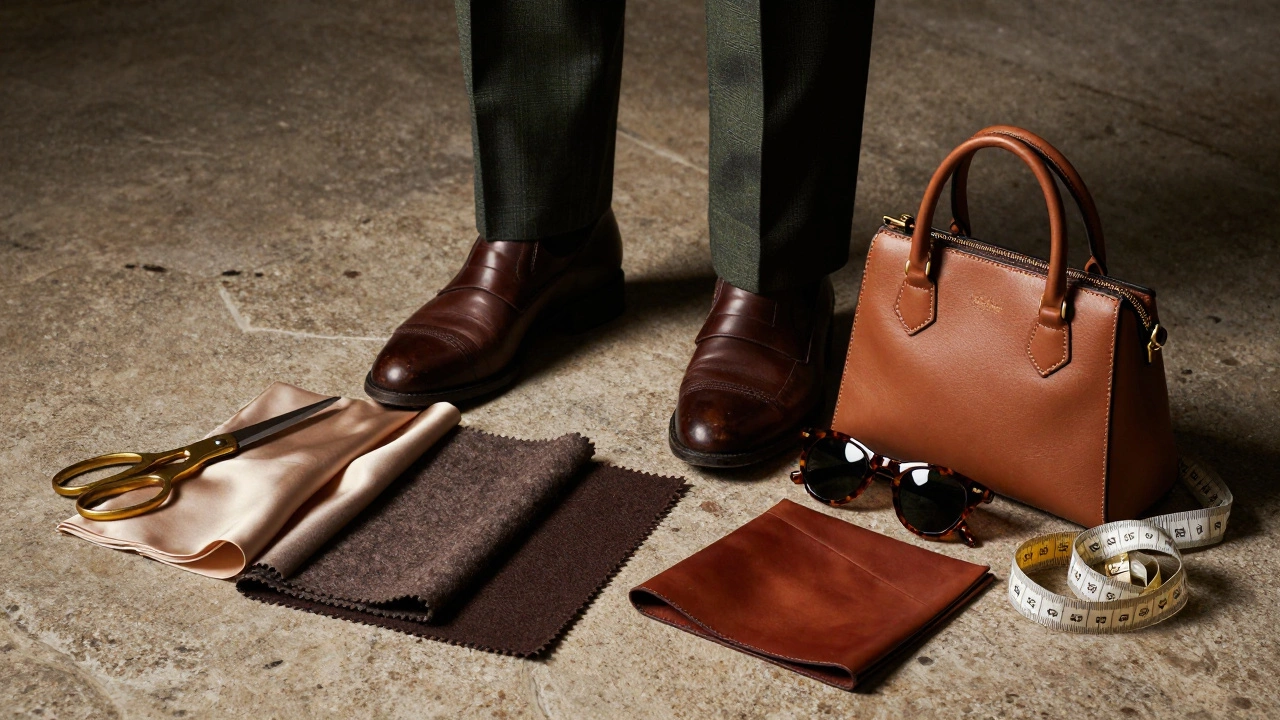
Accessories: The Finishing Touches
Clothes get you in the door, but accessories seal the impression. In a classy wardrobe, less is more. You want pieces that signal attention to detail without screaming for attention.
Jewelry: Stick to simple metals like gold, silver, or rose gold. Small stud earrings, a delicate necklace, or a slim watch convey refinement. Avoid costume jewelry that tarnishes easily or features large, distracting stones.
Bags: Invest in one or two high-quality leather bags in neutral colors. A structured tote for work and a smaller crossbody for evenings cover most scenarios. Leather ages beautifully, developing a patina that adds character over time.
Sunglasses: Classic frames like wayfarers or aviators never go out of style. They protect your eyes and add an air of mystery and coolness to any outfit.
Remember, accessories should complement your outfit, not compete with it. If your clothing is bold, keep accessories minimal. If your outfit is simple, let a statement piece shine.
Maintaining Your Wardrobe: Care and Longevity
Building a classy wardrobe is only half the battle; maintaining it is the other. Garments require care to retain their shape, color, and texture. Neglect turns even the finest pieces into ragged relics.
Read care labels religiously. Dry clean only when necessary, as excessive chemical cleaning can damage fibers over time. Hand wash delicate items like silk and wool to preserve their integrity. Use hangers that support the shape of your garments-wooden hangers for coats and suits, padded hangers for delicate knits.
Store your clothes properly. Fold heavy sweaters to prevent stretching. Rotate seasonal items to give your frequently worn pieces a break. Keep your closet organized so you can see everything clearly; hidden items often get forgotten and damaged by moths or moisture.
Regular maintenance extends the life of your investment pieces. Repair loose buttons, mend small tears immediately, and polish your shoes regularly. These small acts of care show respect for your belongings and reflect well on you.
Is a classy wardrobe expensive?
Not necessarily. While high-quality materials cost more upfront, a classy wardrobe focuses on fewer, better items that last longer. Thrift stores, outlet sales, and mid-range brands often offer excellent quality. The real expense lies in tailoring and proper care, which extend the life of affordable pieces.
How do I know if a piece is timeless?
Timeless pieces lack trendy details like extreme cuts, loud logos, or unusual colors. Ask yourself if you could see this item in a classic movie or on a historical figure. If it looks dated immediately, it’s likely a trend. Simple silhouettes and neutral colors are usually safe bets.
Can I have a classy wardrobe if I work in a creative field?
Absolutely. Class doesn’t mean boring. It means intentional. You can incorporate unique prints, bold colors, or unconventional cuts, but balance them with structured basics. The key is cohesion and confidence, ensuring your creativity enhances rather than overwhelms your look.
What is the biggest mistake people make when building a sophisticated closet?
Buying too many trendy items that don’t coordinate. This leads to a cluttered closet where nothing matches. Focus on building a strong foundation of basics first. Trends can be added sparingly as accents, but they should never dominate your wardrobe.
How often should I update my wardrobe?
A classy wardrobe is updated slowly, replacing items only as they wear out or no longer fit. Aim to add one or two high-quality pieces per season. This gradual approach ensures sustainability and prevents impulsive spending.