Interior Design Golden Rule Checker
Answer the following questions based on your current room setup. The tool will calculate a 'Function Score' and highlight areas for improvement.
Is there at least 30 inches of clear space between major furniture pieces?
Do your furniture pieces fit the room dimensions appropriately (e.g., sofa to coffee table distance)?
Do you use a combination of ambient, task, and accent lighting?
Does your storage solution match your actual usage habits (not just decoration)?
Are natural views and visual corridors preserved, or blocked by bulky furniture?
Are materials chosen for ease of cleaning and longevity relative to how the room is used?
Your Function Score
Imagine walking into a room that looks stunning in photos but feels awkward to live in. Maybe the sofa is too big for the traffic flow, or the bookcase blocks the only natural light source. This disconnect between visual appeal and daily usability is exactly what the golden rule in interior design aims to fix. It isn't about following a strict formula like the rule of thirds, nor is it about matching every pillow to the rug. Instead, it’s a mindset shift: prioritize how a space works before you worry about how it looks. When function leads, style naturally follows.
The Core Principle: Function First, Aesthetics Second
At its heart, the golden rule states that functional integrity must precede aesthetic decoration. Before you pick out paint colors or select curtains, you need to map out how people will actually move through the space. If a dining table leaves no room for chairs to slide in comfortably, the most beautiful wood grain in the world won’t save the room. The same applies to storage. A gorgeous built-in shelving unit is useless if you can’t reach the top shelves without a step stool. By solving these practical problems first, you create a foundation where decorative choices have somewhere to land without causing friction.
This approach prevents the common mistake of buying furniture that fits the 'vibe' but not the floor plan. For instance, a large sectional might look impressive in a showroom, but in a smaller living room, it could block the path to the kitchen. Measuring your space and understanding sight lines ensures that every piece serves a purpose beyond just looking good.
Applying the Rule to Storage Solutions
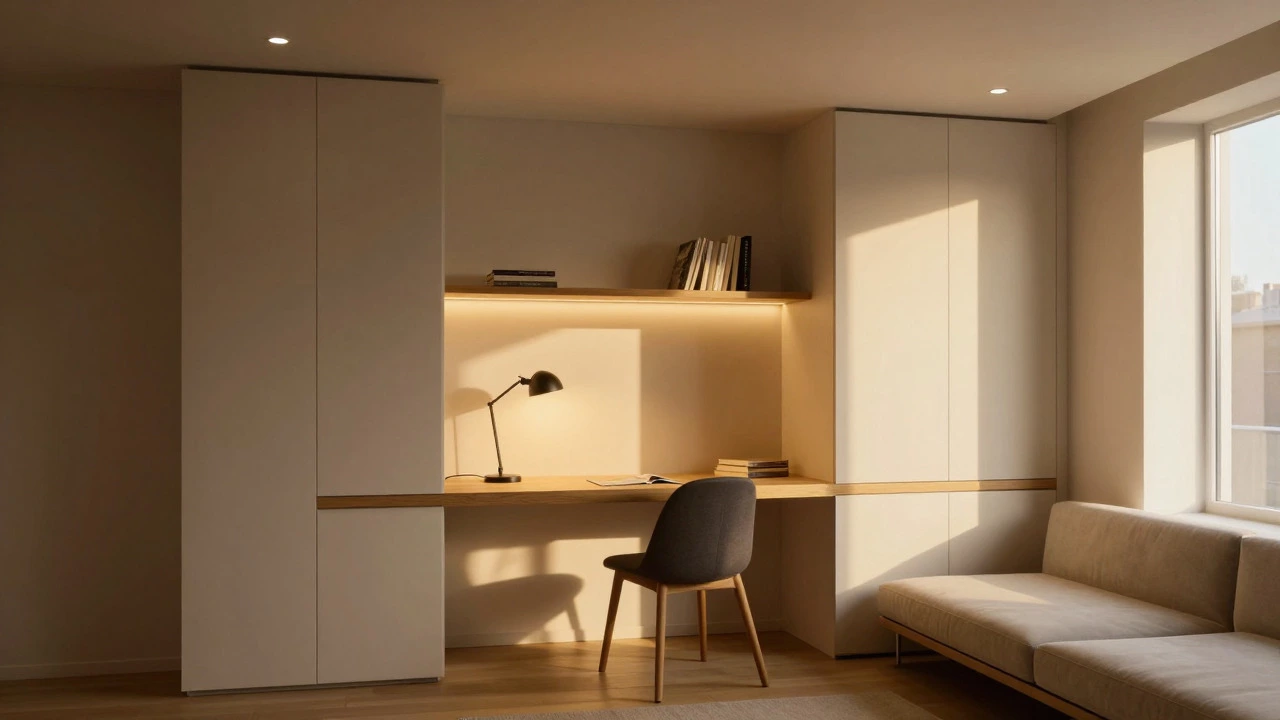
Storage is where this principle shines brightest, especially when dealing with items like bookcases and shelving units. Many homeowners treat bookcases as purely decorative vertical elements, filling them with books they’ve never read and knick-knacks they don’t use. But the golden rule suggests asking: does this storage solution serve my current lifestyle? If you have few physical books, a massive floor-to-ceiling library wall might be overkill. Instead, a mix of open shelves for display and closed cabinets for clutter hides the mess while keeping the space airy. The key is balancing accessibility with visual calm. Items you use daily should be within easy reach; rarely used items can go higher or lower.
Spatial Flow and Traffic Patterns
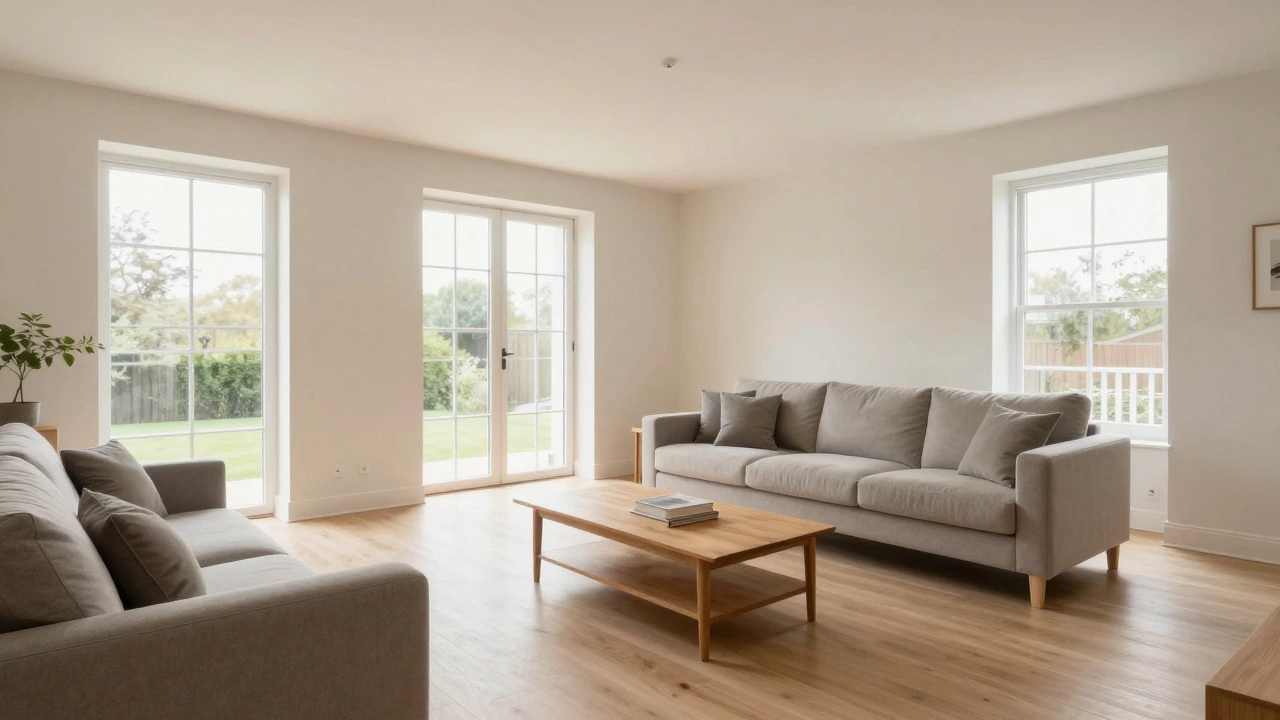
Another critical aspect of the golden rule is maintaining clear traffic paths. In interior design, this is often referred to as circulation. You want to ensure that at least 30 inches of clear space remains between major furniture pieces to allow for comfortable movement. This isn't just a guideline; it's a safety and comfort standard. If you place a coffee table too close to the sofa, you’re constantly bumping your knees. If a hallway is blocked by a console table, you feel cramped every time you pass through. By mapping out these 'zones'-sleeping, working, relaxing-you can arrange furniture to support those activities without forcing awkward movements. Think of your home as a series of rooms that flow into each other, not isolated boxes.
Lighting: The Invisible Architect
Lighting is often an afterthought, but it plays a huge role in whether a space feels functional. The golden rule here is layering. Relying solely on overhead lighting creates harsh shadows and makes rooms feel flat. Instead, combine ambient light (ceiling fixtures), task light (desk lamps, under-cabinet lights), and accent light (picture lights, LED strips). For example, if you have a reading nook, a dedicated floor lamp is essential. Without it, you’re squinting at your book under dim ceiling lights, which defeats the purpose of the cozy corner. Proper lighting highlights architectural features and makes small spaces feel larger, proving that technical details directly impact aesthetic perception.
Scale and Proportion: Getting the Size Right
Even if a piece of furniture is functional, it can ruin a room if the scale is off. A tiny armchair in a vast living room looks lost, while an oversized ottoman in a compact bedroom can make the space feel claustrophobic. The golden rule advises checking proportions against the room’s dimensions. As a general heuristic, leave at least 18 inches between the sofa and the coffee table, and ensure the rug extends at least 12-18 inches under the front legs of the seating arrangement. These specific measurements help ground the furniture and create a cohesive look. When scale is correct, the room feels balanced; when it’s wrong, nothing else matters.
| Mistake | Why It Fails | Golden Rule Solution |
|---|---|---|
| Buying oversized furniture | Blocks traffic, makes room feel small | Measure space first; prioritize clearance zones |
| Decorative-only storage | Clutter accumulates, hard to maintain | Choose storage based on actual usage frequency |
| Single light source | Harsh shadows, poor visibility | Layer ambient, task, and accent lighting |
| Ignoring sight lines | Blocks views, creates visual chaos | Arrange furniture to preserve natural view corridors |
Color and Texture: Supporting the Function
Once the layout is set, color and texture come into play. But even here, the golden rule applies. Dark colors can make a small room feel cozy but also cramped if there isn't enough light. Lighter palettes expand space but might feel cold without warm textures. The goal is to choose finishes that enhance the room's primary function. A home office benefits from neutral tones that reduce eye strain, while a bedroom can handle deeper hues that promote relaxation. Texture adds depth without needing complex patterns, making it easier to maintain a clean, functional look. Don't let trends dictate your palette; let the room's purpose guide your choices.
Common Pitfalls to Avoid
Many people fall into the trap of 'designer thinking,' where they copy layouts from magazines without considering their own habits. If you don't cook much, a massive island might be unnecessary. If you work from home, a dedicated desk area is non-negotiable, regardless of how it looks. Another pitfall is neglecting maintenance. Choosing delicate fabrics for a family room with kids and pets is a recipe for stress. Durable materials might look less luxurious initially, but they last longer and keep the space feeling fresh. Always ask yourself: will I enjoy this in five years, or just today?
Practical Steps to Implement the Golden Rule
- Map Your Life: List the activities that happen in each room. Who uses the space? How often?
- Measure Everything: Take precise measurements of walls, doors, windows, and existing furniture. Note ceiling heights.
- Plan Traffic Flow: Draw arrows showing how people move through the room. Ensure clear paths of at least 30 inches.
- Select Functional Furniture: Choose pieces that fit the measured space and serve the listed activities.
- Add Lighting Layers: Plan for ambient, task, and accent lighting sources.
- Decorate Last: Only add art, rugs, and accessories once the functional skeleton is in place.
Frequently Asked Questions
Is the golden rule in interior design the same as the rule of thirds?
No, they are different concepts. The rule of thirds is a compositional technique used in photography and painting to create visually pleasing arrangements. The golden rule in interior design focuses on prioritizing function and usability over pure aesthetics. While both aim for balance, one is about visual composition, and the other is about practical living.
How do I apply the golden rule to a small apartment?
In small spaces, the golden rule is even more critical. Focus on multi-functional furniture, such as a sofa bed or a drop-leaf table. Use vertical storage to free up floor space. Keep the color palette light to enhance the sense of openness, and avoid bulky pieces that block light or traffic. Every inch must earn its place.
What if I love a piece of furniture that doesn't fit the function?
If a piece is truly special to you, find a way to integrate it functionally. Perhaps a large statement chair can serve as a reading spot with a side table and lamp. If it doesn't serve a clear purpose, consider selling it and finding something that balances beauty with utility. Emotional attachment shouldn't override daily comfort.
Does the golden rule apply to outdoor spaces?
Yes, absolutely. Outdoor spaces require durable materials, proper drainage, and weather-resistant lighting. Function dictates that furniture should be easy to clean and store. Aesthetic choices should complement the surrounding landscape rather than compete with it. Comfort is key, so invest in quality cushions and shade structures.
How important is lighting compared to furniture selection?
Lighting is equally important. Poor lighting can make excellent furniture look dull or uninviting. Good lighting highlights textures, defines zones, and sets the mood. Treat lighting as part of the architecture, not just an accessory. Invest in high-quality fixtures and smart bulbs to control brightness levels throughout the day.