Mould Prevention: How to Stop Black Spots in Your Home Before They Spread
When you see dark patches on your bathroom tiles or fuzzy spots creeping up your bedroom wall, you’re not just dealing with dirt—you’re facing mould prevention, the practice of stopping harmful fungal growth in homes through moisture control and proper ventilation. Also known as mildew control, it’s not about cleaning up after the fact—it’s about stopping it before it starts. Mould doesn’t just look bad. It can make you sick, damage your walls, and ruin furniture. And it doesn’t need much: just a little dampness, poor airflow, and a few days of quiet neglect.
Most people think mould shows up because it’s old or dirty. But the real culprit is usually humidity control, the management of moisture levels in indoor spaces to prevent conditions favourable to fungal growth. Think about your bathroom after a hot shower, or the corner behind your wardrobe where air never moves. That’s where mould loves to hide. It thrives where water lingers—on windowsills, under sinks, along baseboards, even inside walls if there’s a slow leak. And if you’ve got damp walls, surfaces with persistent moisture due to condensation, leaks, or poor insulation, you’re practically inviting it in. You don’t need a flood. Just a few weeks of condensation on cold glass or wet towels left on the floor can be enough.
Good ventilation, the process of circulating fresh air to reduce indoor humidity and remove airborne moisture is your first line of defence. Opening a window for five minutes after a shower cuts down more mould risk than any chemical spray. Exhaust fans in kitchens and bathrooms? Use them. And don’t just turn them on—leave them running for 20 minutes after you’re done. If you’re renting or can’t install a fan, a simple dehumidifier in the damp corner of your home can make a huge difference. Even a few silica gel packs tucked behind furniture help absorb moisture over time.
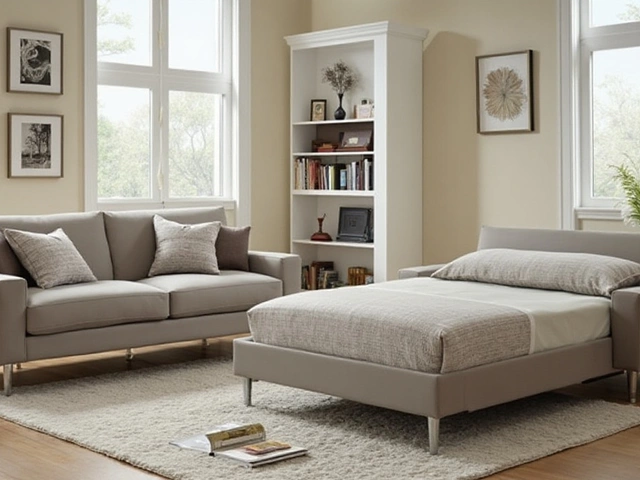
You’ll also notice that mould often shows up near furniture that’s pushed right against the wall. That’s because air can’t circulate behind it. Pull your bed, sofa, or bookshelf out a few inches. It sounds small, but that gap lets air move, dries out the wall, and stops mould from settling in. And if you’ve got old curtains or upholstery that smells musty? That’s not just an odor—it’s mould spores floating in your breathing space.
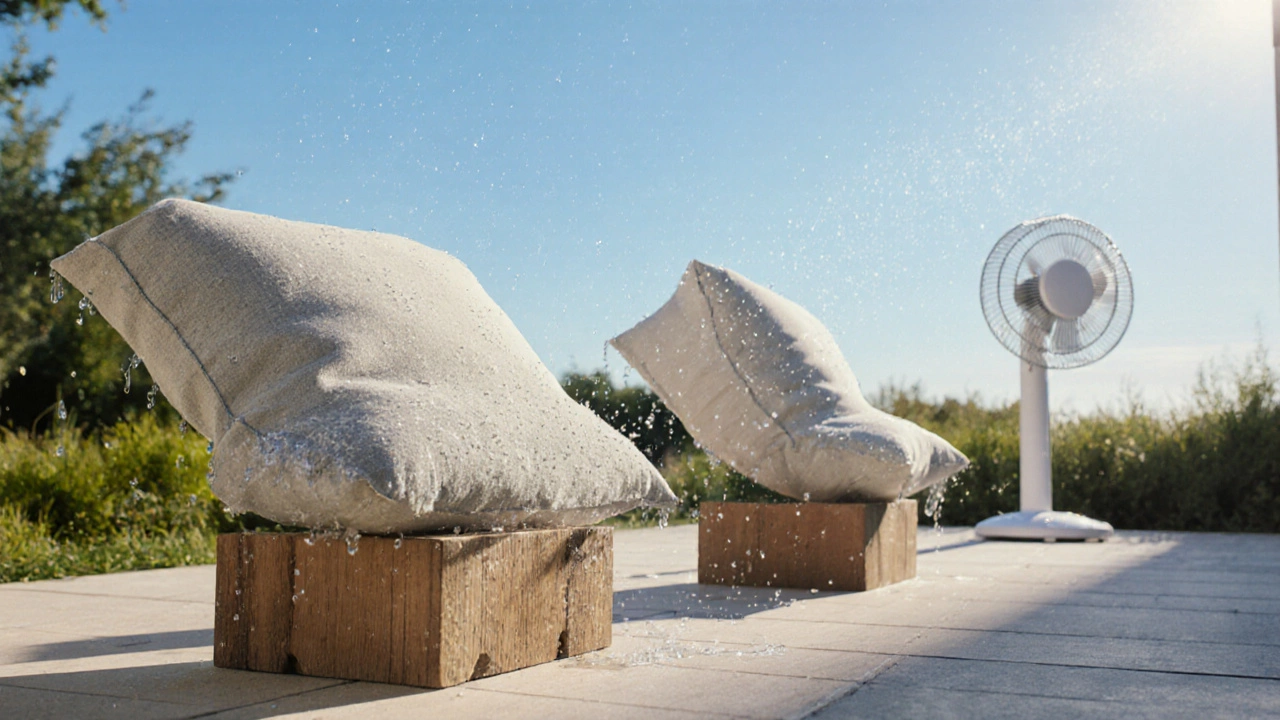
What you’ll find in the posts below aren’t fancy cleaning hacks or expensive products. They’re real, practical fixes that people actually use—like how to stop garden furniture from rotting (which is the same battle as indoor mould), how to choose the right materials for high-moisture areas, and why certain fabrics and finishes make mould worse. You’ll learn what to avoid, what actually works, and how to spot the early signs before it becomes a problem. No jargon. No scare tactics. Just clear, step-by-step ways to keep your home dry, clean, and healthy.