Bedroom Layout Ideas That Actually Work for Real Homes
When you think about bedroom layout, the arrangement of furniture and space in a bedroom to support rest, function, and flow. Also known as sleep space planning, it’s not just about fitting a bed in the corner—it’s about creating a calm, usable room that helps you unwind every night. Too many people treat their bedroom like an afterthought, cramming in furniture without thinking about movement, light, or airflow. But a good layout doesn’t need to be expensive. It just needs to make sense.
Start with the bed, the central piece in any bedroom, typically placed to maximize privacy, access, and visual balance. Also known as sleeping area, it should be the anchor of the room. Avoid putting it directly in line with the door—that’s the first thing you see when you walk in, and it feels exposed. Instead, aim for a position where you can see the door from bed but aren’t staring at it all night. That’s the sweet spot for both comfort and security. Next, think about bedroom furniture arrangement, how nightstands, dressers, wardrobes, and seating fit around the bed without blocking pathways. Also known as furniture flow, it’s what keeps your room from feeling like a maze. You need at least 24 inches of walking space on either side of the bed. If you’ve got a walk-in closet, great. If not, a slim dresser or wardrobe placed perpendicular to the bed can double as a room divider and storage zone.
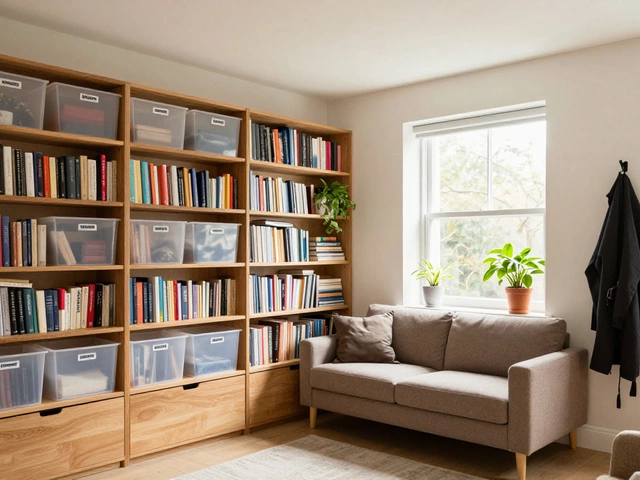
Don’t forget about bedroom storage solutions, smart ways to hide clutter without adding bulky furniture. Also known as hidden storage, these are the quiet heroes of a tidy room. Under-bed drawers, wall-mounted shelves, and multi-functional pieces like ottomans with storage inside? These aren’t just trends—they’re essentials. People with small bedrooms swear by them. And if you’ve got odd corners or awkward walls, that’s not a problem—it’s an opportunity. A corner shelf for books, a narrow console behind the door for robes, or a bench that lifts up for linens? All of it adds up.
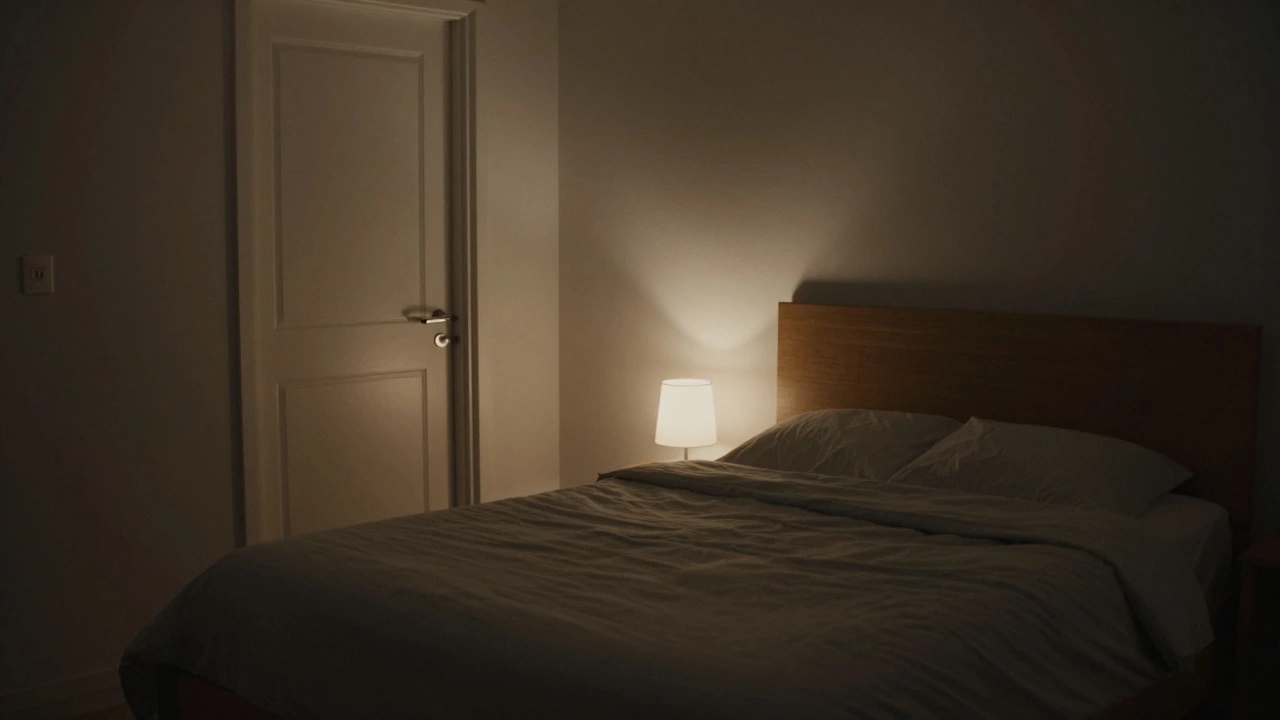
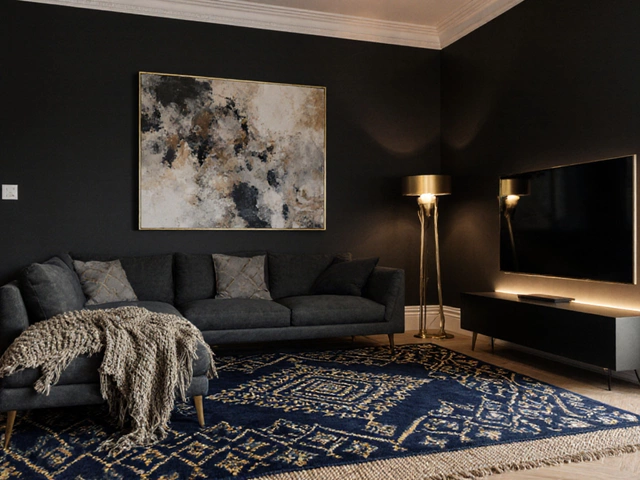
Lighting matters too. A bedroom isn’t just for sleeping—it’s for reading, getting dressed, checking your phone before bed. So layer your light: overhead for general use, bedside for reading, and maybe a soft floor lamp for mood. Avoid harsh, white bulbs. Go for warm tones. They don’t just look better—they help your body wind down.
And while we’re on the topic of space, don’t fall for the myth that bigger is better. A small bedroom with a smart layout feels more peaceful than a huge one stuffed with furniture you don’t use. The goal isn’t to fill every inch. It’s to make every inch work.
Below, you’ll find real examples from actual homes—how people fixed their cramped spaces, turned awkward corners into useful zones, and made their bedrooms feel like true retreats. No designer budgets. No Instagram hacks. Just practical fixes that stick.