Wood Furniture Storage Risk Assessor
You’re cleaning out the house, you’ve got a solid oak dresser or a vintage pine table, and your first thought is: "Just shove it in the garage." It’s convenient. It’s free space. But if that garage isn’t heated, you might be signing up for a very expensive lesson in physics. Here in Wellington, where the damp hangs heavy in the air and the temperature swings from mild to freezing without warning, wood doesn't just sit there-it reacts.
Can you store wood furniture in an unheated garage? Technically, yes. Physically, it’s risky. The short answer is that while it’s possible, it requires serious preparation to avoid warping, cracking, or mold growth. If you skip the prep, you’ll likely find your beautiful piece looking sad and split when you pull it out six months later. Let’s break down exactly what happens to wood in cold, dry (or wet) conditions and how to protect your investment.
The Science of Wood Movement
Wood is hygroscopic. That’s a fancy way of saying it breathes. It absorbs moisture from the air when humidity is high and releases it when the air is dry. In a climate-controlled living room, this movement is minimal. Your house stays roughly between 40-50% relative humidity year-round. An unheated garage? Not so much.
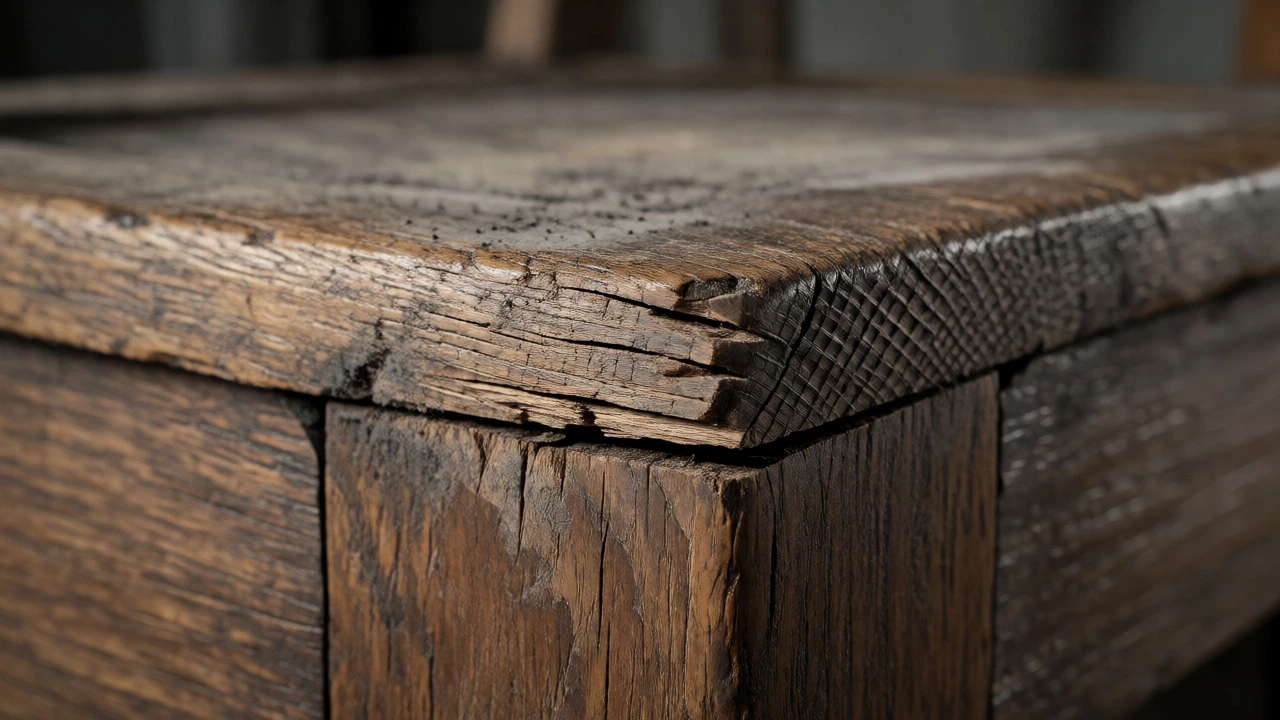
In winter, especially in colder regions, the air inside an unheated structure can drop below 30% humidity, particularly if the outside air is cold and dry. When wood loses too much moisture, its cells shrink. This shrinkage creates tension within the grain. If the tension exceeds the wood’s strength, you get cracks. These aren’t always visible immediately; they start as micro-fissures that widen over time. Conversely, if your garage gets damp in spring or autumn-common in coastal areas like Wellington-the wood swells. Repeated swelling and shrinking causes joints to loosen. A dovetail joint that was tight ten years ago might wobble after two winters in a drafty shed.
Relative Humidity (RH) is the critical metric here. Ideally, wood wants stability. Fluctuations are worse than extremes. A steady 60% RH is manageable. Swinging from 20% to 80% repeatedly is a death sentence for fine joinery.
Real Risks You Face
It’s not just about cracks. There are three main enemies waiting in the dark corners of your garage.
- Warping and Twisting: Uneven exposure to moisture or temperature changes causes different parts of the board to expand or contract at different rates. A flat tabletop can become a shallow bowl. Legs can twist, making the piece unstable.
- Mold and Mildew: If your garage leaks, has poor ventilation, or sits on a concrete slab that wicks up groundwater, mold will thrive. It feeds on the cellulose in the wood and any finishes applied to it. Black mold stains are notoriously difficult to remove without sanding down the entire surface.
- Pest Infestation: Garages are often entry points for insects. Termites love undisturbed, dark spaces with wood. Carpenter ants and powderpost beetles also prefer stored furniture. Unlike your living room, you won’t notice the frass (sawdust-like droppings) until significant damage is done.
Hardwood vs. Softwood: Who Survives Better?
Not all wood is created equal. The species matters significantly when deciding whether to risk the garage.
| Wood Type | Stability in Fluctuating Temps | Risk Level | Best Practice |
|---|---|---|---|
| Teak / Cedar | High (Natural oils resist moisture) | Low | Safe for most garages if covered |
| Oak / Maple | Moderate (Dense but reactive) | Medium | Requires climate buffering |
| Pine / Spruce | Low (Soft, porous, moves easily) | High | Avoid unless sealed heavily |
| Veneer / Particleboard | Very Low (Layers delaminate) | Critical | Do not store in unheated spaces |
Notice the last row. If your furniture is made of particleboard or MDF (Medium-Density Fiberboard), do not put it in an unheated garage. These materials are essentially sawdust glued together. Once they absorb water, they swell and never return to their original shape. They turn into sponge cake. Solid hardwoods like Teak or Cedar have natural oils that repel water, making them more forgiving. Pine, being soft and porous, drinks up humidity changes rapidly.
How to Prep Your Furniture for Storage
If you must use the garage, don’t just drag the chair in and close the door. Preparation is 90% of the battle. Here is a step-by-step protocol to minimize damage.
- Clean Thoroughly: Dust and grime attract moisture and pests. Wipe down every surface with a mild soap solution and let it dry completely. Any leftover food residue is an invitation for ants.
- Inspect and Repair: Check for loose joints or existing cracks. Glue them now. A small crack in a stable environment stays small. In a fluctuating one, it splits wide open.
- Apply a Protective Finish: If the wood is unfinished, apply a coat of wax or oil. If it’s already finished, consider adding a layer of paste wax. This adds a hydrophobic barrier, slowing down moisture exchange. Do not use silicone sprays-they make future refinishing a nightmare.
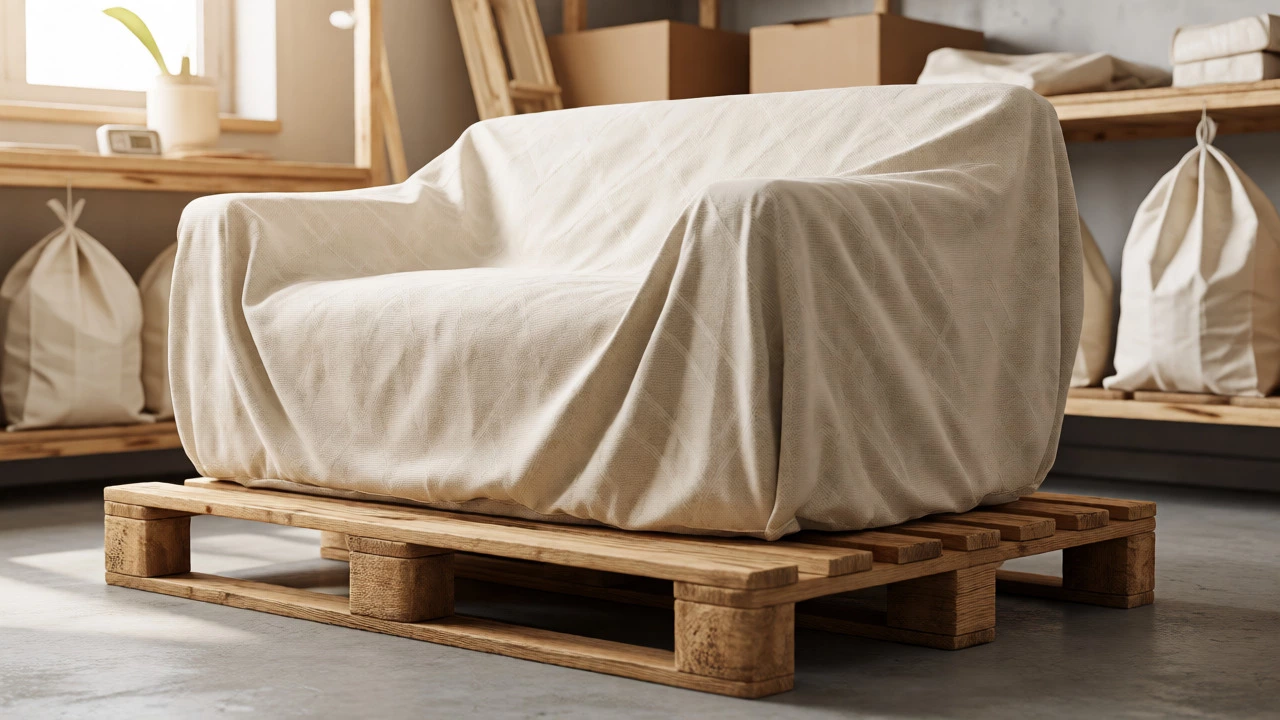
- Elevate Off the Floor: Concrete floors are cold and damp. Moisture wicks up from the ground. Place the furniture on wooden pallets or sturdy blocks. At least four inches of air gap underneath makes a huge difference in preventing bottom-panel rot.
- Wrap Correctly: Avoid plastic sheeting directly against the wood. Plastic traps condensation. If the temperature drops overnight, moisture forms on the plastic and gets trapped against the finish, causing cloudiness or peeling. Use breathable cotton moving blankets or old bedsheets. Secure them with tape, but keep the tape off the wood itself.
Climate Control Hacks for Unheated Spaces
You don’t need to install central heating in the garage. You just need to buffer the environment. Think of it as creating a micro-climate around the furniture.
Desiccants: Silica gel packets are great for small items, but for a full garage, you need bulk desiccants. Products like DampRid hangable bags work well. Place them near the furniture, not touching it. Replace them monthly during humid seasons. For larger collections, consider reusable silica gel units that can be dried out in an oven.
Insulation: If your garage walls are uninsulated metal or brick, they act as thermal bridges. Cold surfaces cause condensation. Hanging reflective insulation boards on the walls behind the furniture can reduce radiant heat loss and condensation buildup. It’s cheap and effective.
Monitoring: Buy a digital hygrometer. Stick it next to the furniture. Check it once a month. If you see humidity spiking above 60% consistently, add more desiccant. If it drops below 30%, you might need a small humidifier if you have valuable instruments or antiques nearby, though usually, drying is the bigger risk in winter.
When to Say No to the Garage
Sometimes, the risk outweighs the convenience. Here are clear red flags where you should look for indoor storage or a climate-controlled unit instead.
- Antique Value: If the piece is over 50 years old and has sentimental or monetary value, the cost of restoration will likely exceed the cost of renting a small storage locker. Antiques are often made with hide glues that soften in humidity and become brittle in extreme dryness.
- Complex Joinery: Chairs with intricate spindle backs or tables with complex aprons have many points of failure. More joints mean more chances for something to pop loose.
- Leaking Roofs: If you know your garage roof leaks even slightly, stop. Water damage is instant and irreversible. Mold starts growing within 48 hours of wetting.
- Extreme Cold Snaps: If you live in an area where temperatures regularly drop below -10°C (14°F), check if your specific wood species can handle it. While wood itself doesn’t freeze, the moisture inside can, leading to ice crystal formation that ruptures cell walls. This is rare in New Zealand but common in continental climates.
Recovery: Bringing It Back Inside
When you finally decide to bring the furniture back into your home, don’t rush. Acclimatization is key. Bring the wrapped furniture into a cool, shaded part of your house for 24-48 hours before unwrapping it. This allows the temperature to equalize gradually, reducing the shock to the finish and the wood.
Once unwrapped, inspect it closely. Look for new cracks. Check the joints. If the wood feels dry, apply a fresh coat of furniture polish or wax to rehydrate the surface. If you find mold, mix one part vinegar with one part water and wipe it down gently. Test in an inconspicuous spot first. Never use bleach on wood-it destroys the fibers.
Storing wood furniture in an unheated garage is a gamble. With careful preparation, elevation, and monitoring, you can win that bet. Without it, you’re just storing firewood.
Does cold weather ruin wood furniture?
Cold weather itself rarely ruins wood, but the associated low humidity does. Cold air holds less moisture, which dries out the wood, causing it to shrink and potentially crack. Extreme cold can also make finishes brittle, leading to crazing or flaking.
Can I store upholstered furniture in a garage?
It is riskier than wood. Fabric absorbs moisture and odors quickly. Mold can grow inside the cushions where you can't see it. Pests like mice love to nest in upholstery. If you must store it, ensure it is completely dry, wrap it in breathable canvas, and place it off the floor.
Should I cover my furniture with plastic?
No, avoid direct plastic contact. Plastic traps moisture against the wood, leading to condensation issues that can ruin the finish. Use breathable materials like cotton blankets or moving pads. If you need protection from dust, use a breathable fabric cover.
How long can wood furniture stay in a garage?
There is no strict limit, but shorter is better. Under ideal prepared conditions, it can last years. However, checking it every few months is crucial. Long-term storage increases the chance of pest infestation and cumulative stress from seasonal humidity cycles.
Is a detached garage safer than an attached one?
Attached garages often benefit from some heat leakage from the house, keeping temperatures slightly more stable. Detached garages experience greater temperature swings. However, detached garages may have better ventilation, which helps prevent mold if rain doesn't blow in. Both require similar precautions regarding humidity control.