2026 Flooring Trend Checker
Select the characteristics of your current flooring to see how it aligns with 2026 standards.
You walk into a house built in 2015, and something feels off. The floors look tired, not because they are dirty, but because the style screams "last decade." We have all seen it: that specific shade of orange-brown laminate or the plush, high-pile carpet that collects dust like a magnet. If you are planning a renovation, you want your home to feel fresh for years, not just months. But how do you tell what is truly outdated versus what is just dated? It is not always about the material itself, but how it is finished, installed, and paired with modern living standards.
The Rise and Fall of High-Gloss Finishes
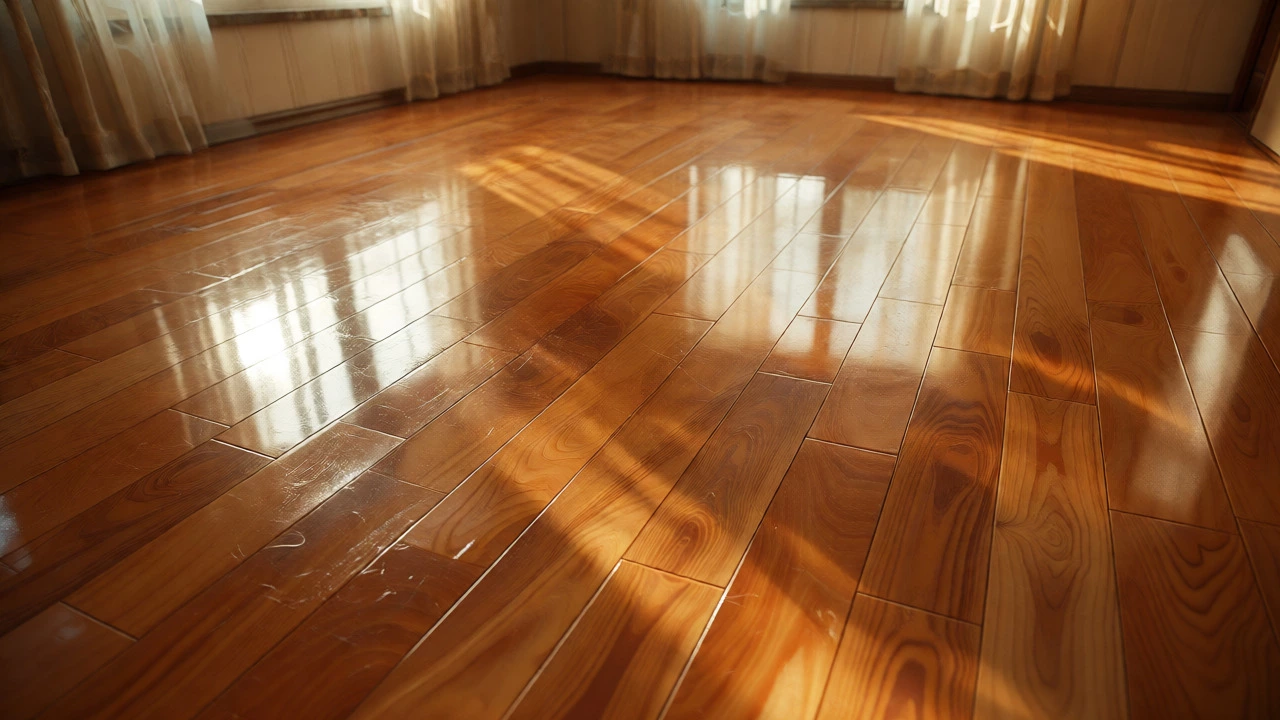
Remember when everything had to shine? From kitchen cabinets to hardwood floors, high-gloss polyurethane was the gold standard. Today, that mirror-like finish looks dated and, frankly, impractical. Why? Because it highlights every speck of dust, every pet hair, and every scratch. In a busy household, maintaining that showroom shine is a nightmare.
Modern preferences have shifted toward matte and satin finishes. These textures hide wear and tear much better while offering a softer, more natural look. If you have existing high-gloss floors, you don't necessarily need to rip them out. A professional screening and recoating with a water-based matte urethane can transform the look instantly. It costs a fraction of replacement and brings the space into the present day. The key is reducing reflectivity. You want light to diffuse across the surface, not bounce directly back at you.
Dark Wood Tones That Shrink Spaces
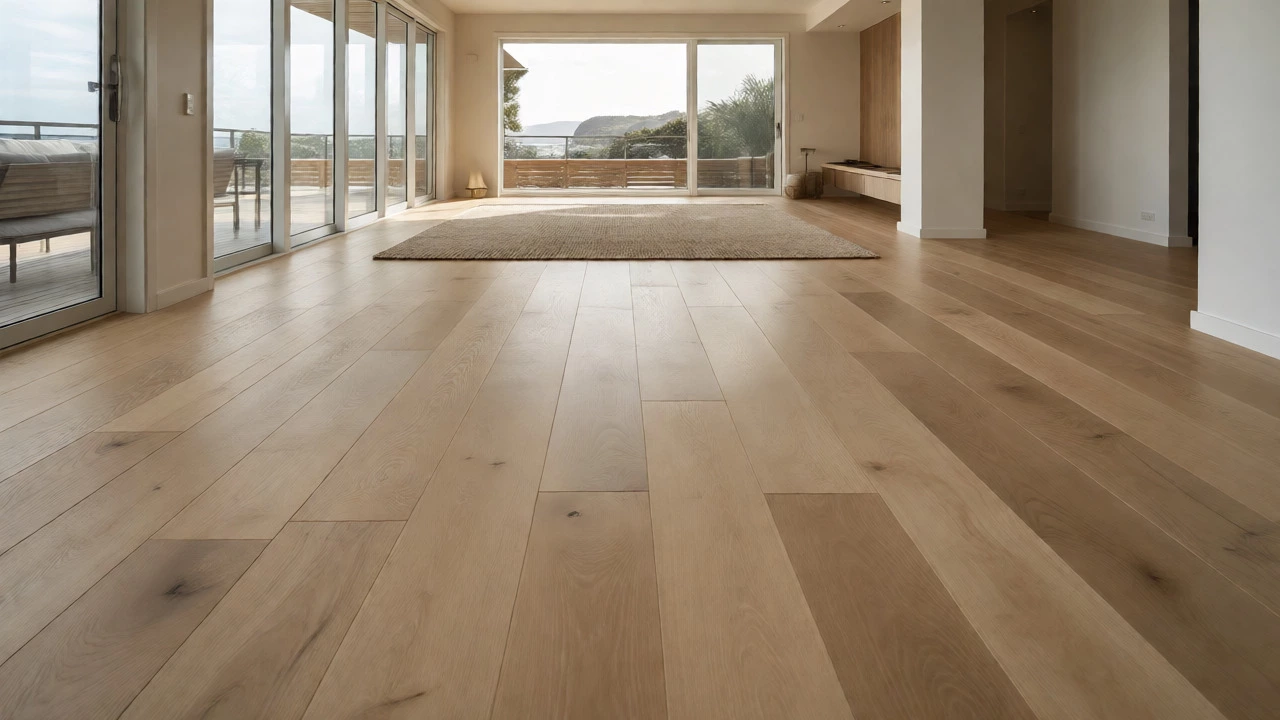
Espresso and ebony stains dominated the early 2010s. While they offer drama, they often make rooms feel smaller and darker. This trend has faded significantly. Current design favors warmth and openness. Lighter woods like white oak, ash, and even bleached maple are taking center stage. They reflect natural light, making interiors feel airy and larger.
This doesn't mean dark wood is dead forever. However, the application has changed. Instead of dark floors throughout an open-plan home, designers now use dark wood sparingly-perhaps in a small powder room or a study-to create contrast. If you are choosing new flooring, consider the size of your room. Small apartments suffer under the weight of dark floors. Larger homes with abundant windows can still pull off darker tones, but usually with a warmer undertone rather than a cool, blackish cast.
Laminate vs. Luxury Vinyl Plank (LVP)
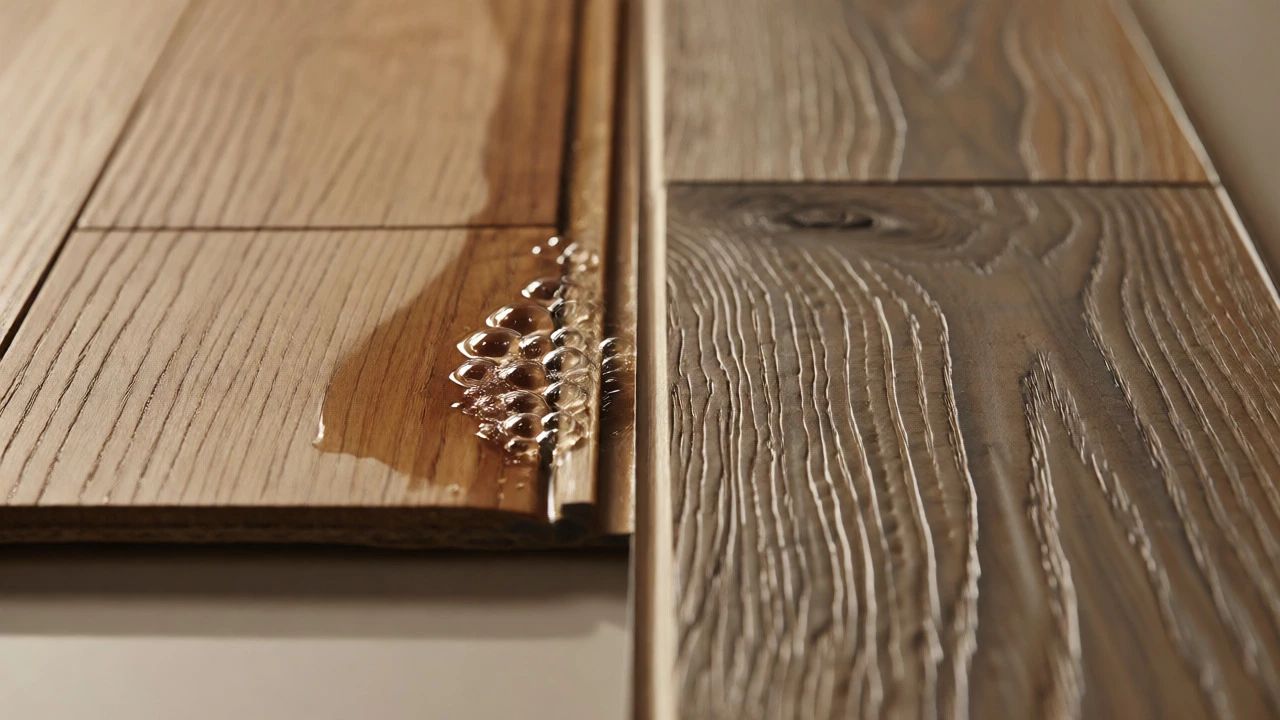
For decades, laminate was the budget-friendly alternative to hardwood. It clicked together easily and looked decent enough. But technology has moved on. Enter Luxury Vinyl Plank (LVP), which offers superior waterproof capabilities, realistic texture, and easier installation compared to traditional laminate.
Old-school laminate is prone to swelling if water seeps into the seams. Once that happens, the plank bubbles, and you have to replace it. LVP, conversely, is 100% waterproof. For kitchens, bathrooms, and laundry rooms, laminate is now considered outdated due to its vulnerability. Furthermore, older laminate often featured repetitive, obvious patterns that looked fake from two feet away. Modern LVP uses advanced printing and embossing techniques to mimic real grain variation, making it nearly indistinguishable from real wood to the untrained eye.
| Feature | Traditional Laminate (Dated) | Luxury Vinyl Plank (Current) | Engineered Hardwood (Timeless) |
|---|---|---|---|
| Water Resistance | Low (swells at seams) | High (100% waterproof core) | Moderate (depends on finish) |
| Visual Realism | Repetitive patterns, flat look | Embossed-in-register texture | Natural grain variation |
| Installation Ease | Click-lock, requires underlayment | Click-lock, rigid core options | Glue-down or float, skilled labor needed |
| Resale Value Impact | Neutral to Negative | Positive (perceived quality) | High Positive |
Wall-to-Wall Carpet in Living Areas
Carpet isn't going away entirely, but its role has changed drastically. Wall-to-wall carpet in living rooms, dining areas, and hallways is widely viewed as outdated. It traps allergens, stains easily, and makes cleaning a chore. The current trend reserves carpet for bedrooms only, where comfort and sound dampening matter most.
If you have carpet in your main living spaces, removing it often reveals beautiful hardwood underneath. Even if the subfloor is concrete, polished concrete or large-format tiles provide a cleaner, more modern aesthetic. When people do choose carpet today, they opt for low-pile, textured styles like berber or sisal-look synthetics. These are durable, easy to vacuum, and don't show footprints. Plush, saxony pile carpets with long fibers are rarely specified in new builds anymore.
Small Tile Formats in Main Areas
While small mosaic tiles work well for backsplashes or shower niches, using tiny square tiles for entire floors can look busy and dated. Grout lines accumulate dirt, and the visual noise distracts from the rest of the room's decor. Large-format porcelain tiles (e.g., 60x60cm or larger) are preferred for their seamless appearance. They minimize grout lines, making the space feel expansive and clean.
Natural stone like marble remains popular, but the layout matters. Herringbone patterns were huge in the mid-2010s and are starting to feel overused. Straight-lay installations with minimal grout lines are currently favored for their simplicity. If you love pattern, consider using it as an accent rug rather than committing to a permanent tile layout that might feel stale in five years.
How to Update Without Replacing Everything
Not everyone has the budget for a full floor replacement. Fortunately, you can update outdated flooring with strategic tweaks. Here is a quick checklist:
- Change the Finish: Switch high-gloss coats to matte or satin.
- Add Area Rugs: Cover dated carpet or laminate with large, neutral-toned rugs to anchor the room.
- Update Baseboards: Replace old, narrow baseboards with wider, painted ones to frame the floor better.
- Refinish Wood: Sand down dark stains to reveal lighter, natural wood tones.
- Clean Grout: Professional deep cleaning and resealing can make old tile look brand new.
These steps cost significantly less than ripping up floors and can dramatically shift the perception of age. Focus on the elements that catch the eye first: shine level, color tone, and cleanliness.
Regional Considerations: Wellington Context
Living in Wellington, New Zealand, adds specific constraints. Our climate is wet and windy. Humidity levels fluctuate, which affects solid hardwood stability. Engineered hardwood or high-quality LVP performs better here than solid timber in many cases. Additionally, older villas often have original kauri or rimu floors. These are valuable assets. Don't sand them down to oblivion trying to chase a trend. Instead, protect them with breathable oils that enhance the natural color without adding artificial gloss. In coastal suburbs, salt air can accelerate corrosion in metal transition strips; opt for brass or stainless steel instead of aluminum.
Is gray flooring still trendy?
Gray flooring peaked around 2015-2018 and is now considered somewhat dated, particularly cool-toned grays. Warmer neutrals like beige, taupe, and natural wood tones are currently preferred. If you have gray floors, warm them up with textiles and lighting rather than replacing them immediately.
Should I remove carpet in my living room?
Yes, generally. Wall-to-wall carpet in living areas is associated with older homes and can detract from resale value. Removing it often reveals underlying hardwood or allows for the installation of modern hard surfaces like LVP or engineered wood, which are easier to maintain and visually cleaner.
What is the most timeless flooring choice?
Natural hardwood in medium tones (like white oak) with a matte finish is widely considered timeless. It adapts to various design styles, from farmhouse to modern minimalist, and holds its value better than synthetic alternatives.
Are wide planks outdated?
No, wide planks remain very popular. Narrow planks (under 3 inches) tend to look busy and dated. Wide planks (7-9 inches) create a sense of calm and spaciousness, which aligns with current interior design principles.
How does humidity affect flooring choices in NZ?
In regions like Wellington, humidity fluctuations can cause solid wood to expand and contract. Engineered wood is more stable due to its cross-layer construction. LVP is also highly resistant to moisture changes, making it a practical choice for coastal environments.