Joanna Gaines Window Treatment Estimator
Calculate the fabric you need and get style recommendations based on the Fixer Upper aesthetic.
Fabric Requirements
Enter measurements to see calculations.
Recommended Cut Length
Style Recommendation
Fabric: Heavyweight Linen
Mounting: High & Wide
You walk into a Fixer Upper home, and something feels instantly right. It’s not just the reclaimed wood or the shiplap walls. It’s the way the light pours in through soft, billowing fabric that looks effortless yet perfectly tailored. If you’ve ever wondered what does Joanna Gaines use for window treatments, you’re asking the right question. Her style isn’t about expensive custom silk; it’s about texture, neutrality, and a relaxed approach to symmetry.
Most people think high-end design requires high-end budgets. Joanna proves otherwise. She relies on accessible materials like linen and cotton blends, paired with simple hardware, to create spaces that feel lived-in and warm. This guide breaks down exactly how she styles her windows so you can replicate that cozy, modern-farmhouse vibe in your own home without needing a contractor.
The Core Philosophy: Softness Over Structure
Before buying a single yard of fabric, understand the mindset. Joanna Gaines avoids heavy, structured valances or stiff pleats that look like hotel lobbies from the 1980s. Instead, she prioritizes movement and airiness. The goal is to soften hard architectural lines-like square windows or thick trim-without blocking natural light entirely.
This approach falls under the broader category of modern farmhouse interior design, which blends rustic charm with contemporary clean lines. In this context, window treatments serve two main jobs: they filter harsh sunlight and add a layer of tactile comfort to the room. You want the fabric to drape naturally, pooling slightly on the floor if privacy allows, or hovering just above it for practicality in high-traffic areas.
| Style | Fabric Type | Best For | Hardware Look |
|---|---|---|---|
| Linen Drapes | Heavyweight Linen or Cotton-Linen Blend | Living Rooms, Bedrooms | Matte Black Iron Rods |
| Café Curtains | Sheer White Cotton | Kitchens, Bathrooms | Tension Rods or Short Wooden Dowels |
| Roman Shades | Textured Weave (Jute, Sisal, or Fabric) | Offices, Small Windows | Hidden Mount or Simple Top Bar |
| Shutters | Painted Wood (White or Gray) | Historic Homes, High Privacy Areas | Integrated into Frame |
Fabric Choices: Why Linen Reigns Supreme
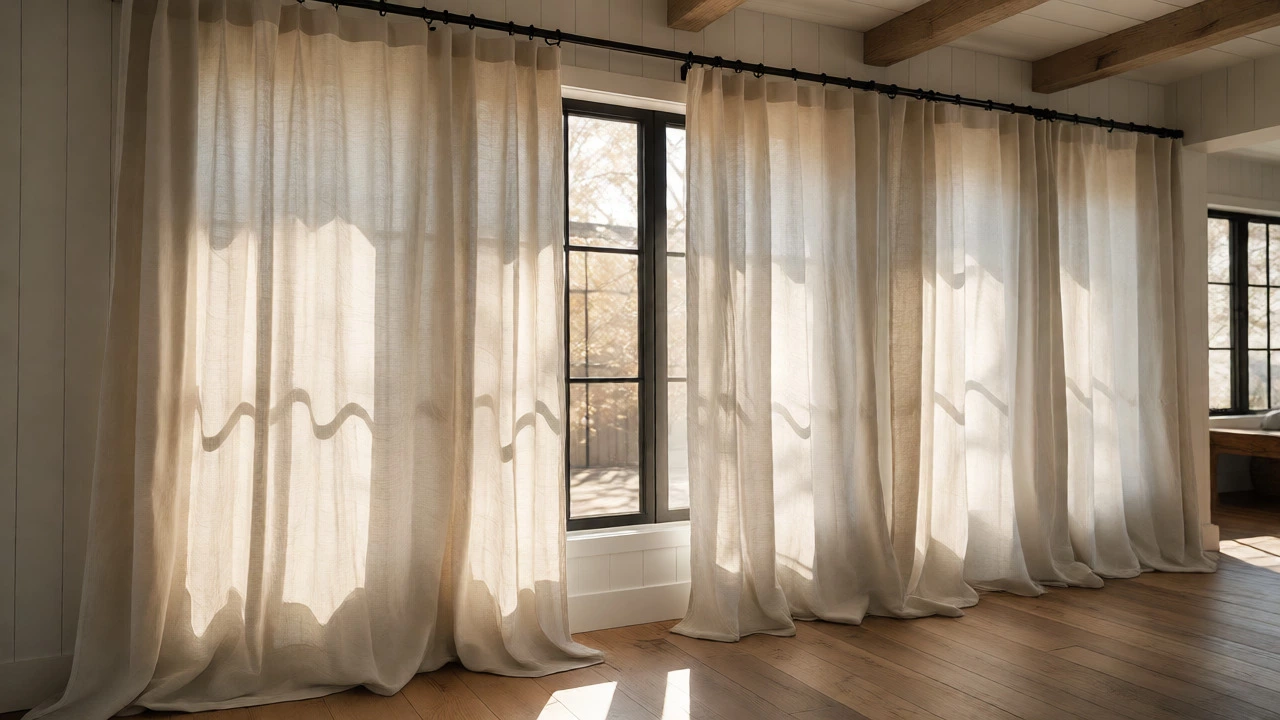
If there is one material synonymous with Joanna Gaines, it’s linen. Specifically, heavyweight linen or high-quality linen-blend curtains. Why? Because linen has a natural slub-a slight irregularity in the weave-that catches light beautifully. It doesn’t look flat or synthetic. When hung, linen creates soft, organic folds rather than sharp, geometric creases.
Joanna often uses off-white, cream, or oatmeal tones. These neutrals reflect light, making rooms appear larger and brighter. She rarely uses bold patterns on large drapery panels. If she introduces pattern, it’s usually subtle-like a faint stripe or a textured weave-not a loud floral print. This keeps the focus on the architecture and the furniture, not the windows.
For kitchens, she might swap full-length drapes for shorter café curtains made of sheer white cotton. This maintains privacy at eye level while allowing maximum daylight to flood the space. The key here is transparency. You want to see the shape of the tree outside, but blur the details enough to feel secluded.
Hardware Matters: Keep It Simple and Industrial
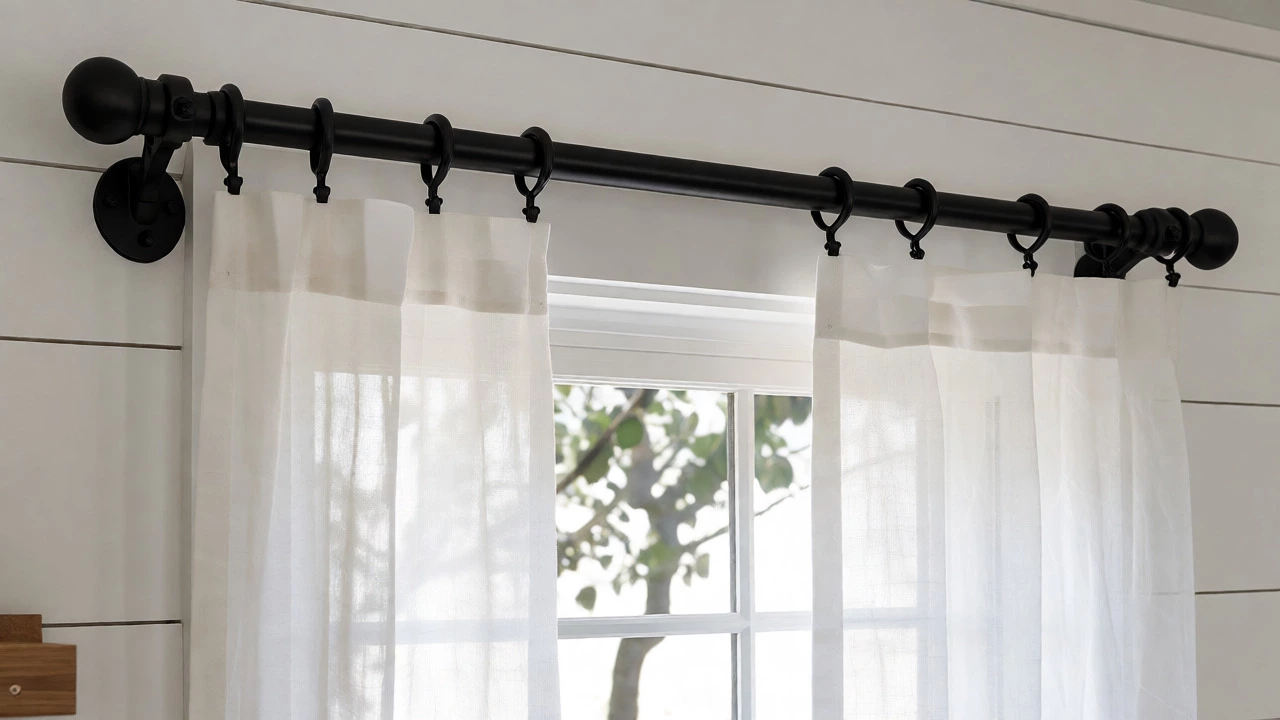
The rod holding up those beautiful linen panels is just as important as the fabric itself. Joanna typically chooses matte black iron rods. They provide a necessary contrast against light-colored walls and fabrics. The finish should be non-reflective; shiny brass or chrome can feel too formal or dated for the casual farmhouse aesthetic.
Notice the diameter of the rods. They are substantial, usually 1 inch or thicker. Thin, spindly rods make heavy linen look top-heavy and cheap. A sturdy rod grounds the window treatment. Also, pay attention to the brackets. They are often exposed and visible, adding an industrial touch that complements metal light fixtures or appliance finishes in the kitchen.
Another common trick is mounting the rod higher and wider than the actual window frame. By placing the rod 4-6 inches above the window casing and extending it 3-5 inches beyond each side, you create the illusion of a taller, wider window. This technique draws the eye upward, emphasizing ceiling height, and lets more light in when the curtains are open because they don’t block the glass.
Length and Fullness: The Golden Rules
Nothing ruins a good curtain like improper length. Joanna Gaines follows two main rules for length:
- Float: The bottom edge hovers 1-2 inches above the floor. This is practical for cleaning and prevents dust accumulation. It’s ideal for living rooms with rugs or high foot traffic.
- Break: The fabric touches the floor and pools slightly by 1-3 inches. This adds drama and luxury, perfect for bedrooms or formal sitting areas where you want a softer, more romantic feel.
Avoiding the "short" look is critical. Curtains that end mid-window or at the sill tend to look unfinished unless you’re specifically going for a retro cottage vibe with café curtains. For full-length drapes, always err on the side of longer. You can hem them later, but you can’t stretch short fabric.
Fullness is the other secret weapon. Cheap-looking curtains are often too thin. To get that rich, gathered look, buy fabric that is 2 to 2.5 times the width of your window. If your window is 36 inches wide, you need roughly 72 to 90 inches of fabric per panel pair. This ensures deep, luxurious folds when closed, rather than a flat sheet of cloth.
Beyond Curtains: Roman Shades and Shutters
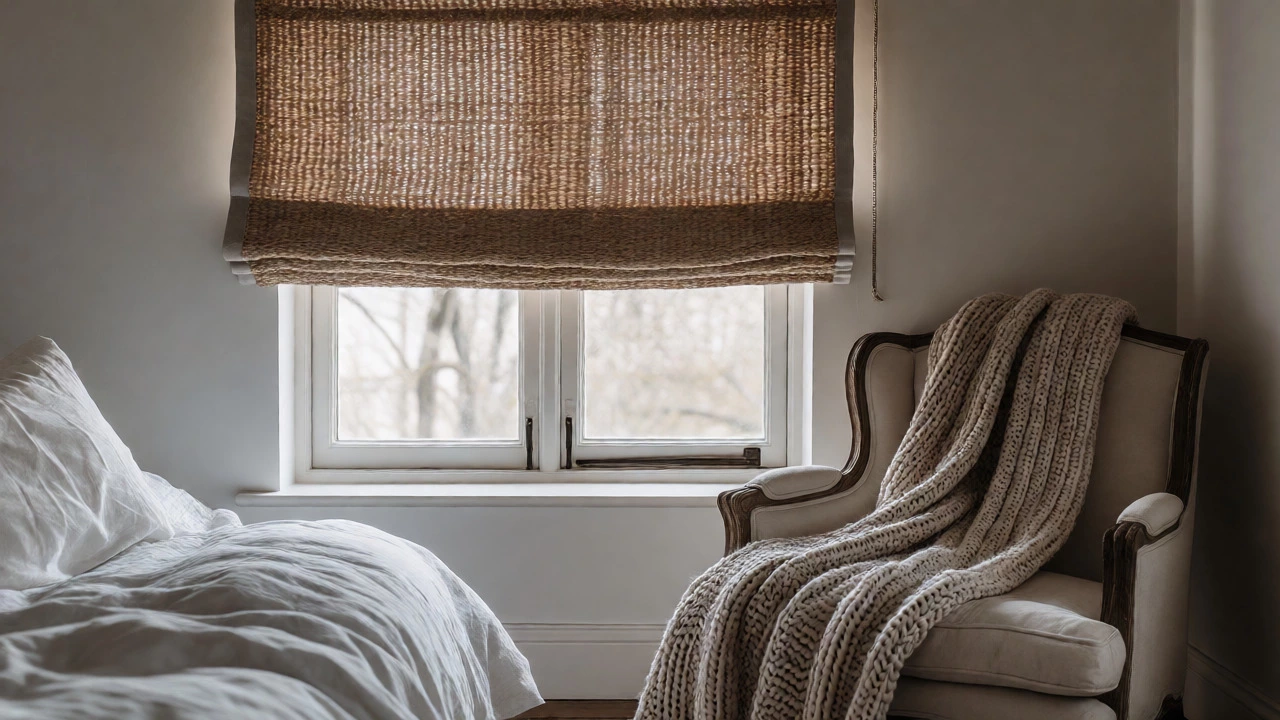
Not every window needs long drapes. In smaller spaces like bathrooms, powder rooms, or home offices, Joanna frequently uses Roman shades. These fold up neatly when raised, saving space and maintaining a clean line. She prefers shades made from natural fibers like jute, sisal, or woven grass. These textures add warmth and earthiness, reinforcing the connection to nature that defines her brand.
In some historic renovations, particularly in Texas homes featured on Fixer Upper, you’ll see plantation shutters. Usually painted white or a soft gray, these offer precise light control and durability. While less common in her newer designs due to cost, they remain a staple for windows requiring frequent adjustment or security. If you choose shutters, ensure they match your trim color exactly for a seamless built-in look.
How to Style Your Windows Like Joanna
Ready to update your own windows? Follow this step-by-step checklist to achieve the Gaines look:
- Measure Accurately: Measure width and height before shopping. Remember to account for the extra width needed for fullness.
- Select Neutral Fabrics: Stick to whites, creams, grays, or taupes. Avoid bright colors or busy prints for main drapery.
- Choose Matte Black Hardware: Opt for iron or steel rods with a matte finish. Skip decorative finials; simple ball or ring ends work best.
- Mount High and Wide: Install the rod closer to the ceiling and extend it past the window frame.
- Add Layers: Consider pairing sheer curtains behind heavier blackout drapes for versatility. This allows you to control privacy and light independently.
- Steam, Don’t Iron: Use a handheld steamer to remove wrinkles from linen. Ironing can flatten the natural texture you paid for.
One final tip: mix textures. Pair smooth linen drapes with a chunky knit throw blanket nearby, or combine sleek shutters with a rough-hewn wooden console table. This contrast makes the room feel dynamic and curated, not sterile.
Common Mistakes to Avoid
Even with the right materials, small errors can undermine the effect. Here are pitfalls to sidestep:
- Using Too Little Fabric: As mentioned, skimping on width leads to flat, unflattering drapes. Always double your window width.
- Hanging Rods Too Low: Keeping rods right on top of the window casing shrinks the perceived size of the room. Go higher.
- Ignoring Light Control: Pure linen is semi-sheer. If you need total darkness for sleep, add a blackout liner behind the linen panels. Otherwise, morning sun will wake you up.
- Mismatching Hardware Finishes: Try to coordinate your curtain rods with other metal accents in the room, like cabinet pulls or light fixtures. Mixing too many metals (gold, silver, black) can look chaotic.
What specific fabric does Joanna Gaines use for curtains?
Joanna Gaines primarily uses heavyweight linen or cotton-linen blends in neutral tones like white, cream, and oatmeal. These fabrics offer a natural texture and soft drape that aligns with her modern farmhouse aesthetic. She avoids synthetic materials that lack breathability and visual depth.
Does Joanna Gaines use blackout curtains?
Typically, no. Her signature look features light-filtering linen that allows natural light to glow softly into the room. However, for bedrooms requiring darkness, she may suggest adding a separate blackout liner behind the linen panels to maintain the aesthetic while ensuring functionality.
What color curtain rods does Joanna Gaines prefer?
She favors matte black iron rods. The dark, industrial finish provides a striking contrast against light walls and fabrics, grounding the window treatment. Occasionally, she uses brushed nickel or oil-rubbed bronze, but matte black remains her go-to choice for its versatility and modern appeal.
How far should curtains hang below the rod?
There is no fixed distance from the rod; instead, the focus is on the bottom length relative to the floor. Curtains should either float 1-2 inches above the floor or pool slightly (break) on the floor. The rod itself is mounted 4-6 inches above the window casing to elongate the appearance of the window.
Can I copy the Joanna Gaines look on a budget?
Absolutely. You don't need custom tailoring. Buy ready-made linen-blend panels from retailers like Target or IKEA, then hem them yourself or take them to a local tailor for a low fee. Pair them with affordable matte black rods from hardware stores. The key is getting the correct measurements and hanging them high and wide.