Outdoor Furniture Value Estimator
1. Select Your Material
2. Customize Your Investment
Long-Term Financial Impact
Based on the expected lifespan of Grade A Teak.
Quick Takeaways
- High-end materials like Grade A teak and powder-coated aluminum save money long-term by avoiding frequent replacements.
- Cheap furniture often fails due to UV degradation and rust, not just wear and tear.
- The "worth it" factor depends on your local climate and how much you actually use your outdoor space.
- Luxury options usually offer better ergonomics and superior fabric durability.
The Material Truth: Why Prices Vary So Much
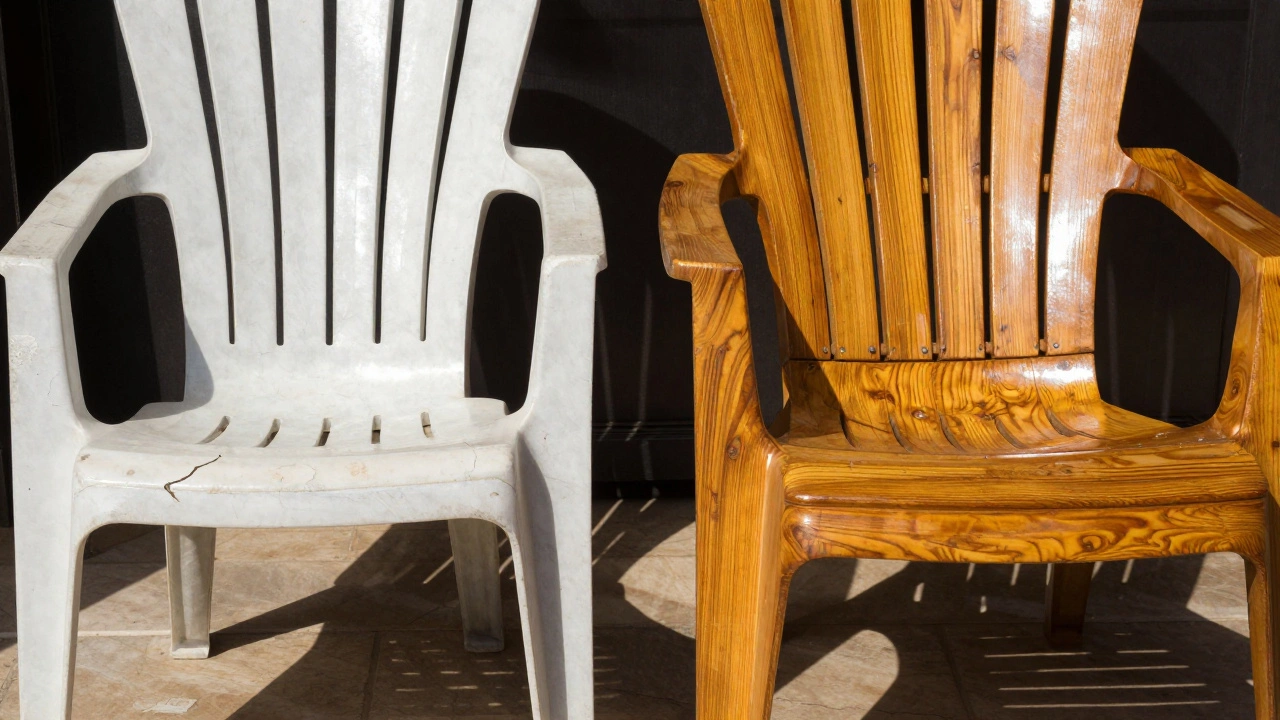
When you see a massive price gap between two chairs that look similar, you are usually paying for the chemistry of the materials. Teak is a dense, oily hardwood from the Tectona grandis tree that naturally resists rot and insects. Grade A teak is the gold standard because it comes from the heartwood of older trees, meaning it has the highest concentration of natural oils. If you buy a "teak-look" set made of acacia or eucalyptus, you are getting a wood that requires annual sealing or it will crack. A genuine teak set can last 50 years if left untreated, which makes the initial 2,000 dollar investment look like a bargain compared to buying a 400 dollar acacia set every four years.
Then there is the metal game. Aluminum is the favorite for luxury brands because it doesn't rust. However, the difference between a budget aluminum chair and a high-end one is the gauge of the metal and the finish. Cheap sets use thin-walled tubing that bends under weight. Expensive sets use heavy-duty, powder-coated aluminum, where the paint is baked on at high temperatures, creating a shell that resists chipping and UV fading far better than standard spray paint.
| Material | Typical Lifespan | Maintenance Level | Price Point |
|---|---|---|---|
| Grade A Teak | 20-50 Years | Low (Natural Silvering) | High |
| Powder-Coated Aluminum | 15-25 Years | Very Low | Medium-High |
| Synthetic HDPE Wicker | 5-10 Years | Low | Medium |
| Plastic/Polypropylene | 2-5 Years | Low | Low |
The Hidden Cost of "Cheap" Cushions
Most people focus on the frame, but the fabric is where the luxury experience actually happens. Budget furniture typically uses cheap polyester that fades the moment the sun hits it. High-end sets almost exclusively use Sunbrella, which is a solution-dyed acrylic fabric where the color is integrated into the fiber itself rather than printed on top. This means the color won't bleach out in the July heat.
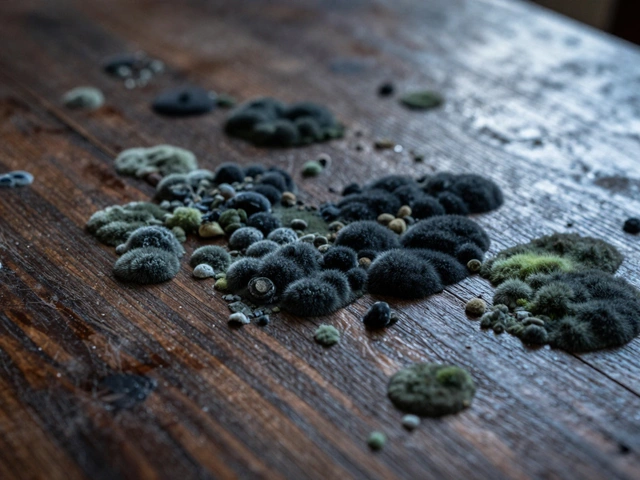
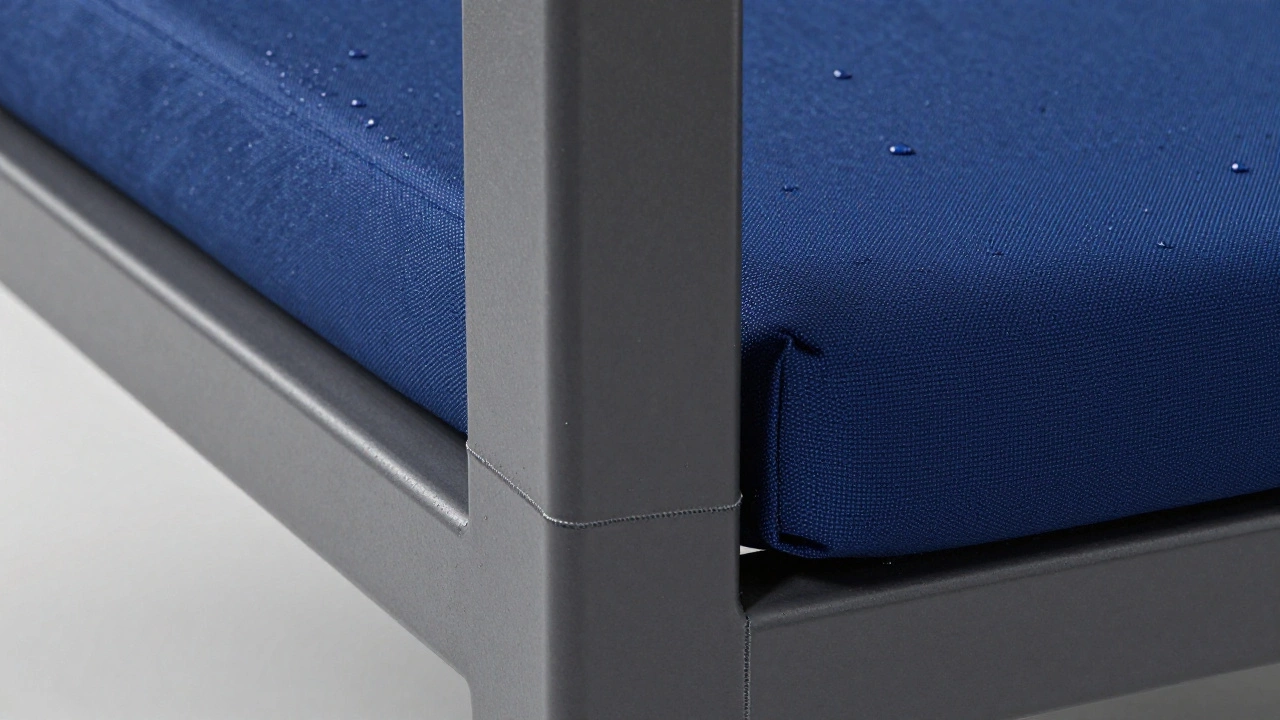
Beyond the fabric, look at the foam. Cheap cushions use open-cell foam that acts like a sponge. Once it gets wet, it stays wet, leading to mildew that ruins the cushion from the inside out. Expensive outdoor furniture uses reticulated foam or "quick-dry foam," which has open pores that allow water to flow straight through. You can literally pour a bucket of water on a luxury cushion, and it will drain in seconds, allowing it to dry rapidly and preventing that musty smell.
When Spending More is a Mistake
Let's be honest: luxury furniture isn't always the right move. If you are renting a home and plan to move in two years, spending 5,000 dollars on a heavy teak dining set is a bad move. Not only is it a waste of capital, but heavy luxury pieces are a nightmare to transport. In this case, mid-range Polywood (high-density polyethylene) is a better bet. It's virtually indestructible, looks like painted wood, and is much easier to sell on the second-hand market when you move.
Another scenario is the "seasonal storage" trap. If you live in a climate with harsh winters and you have a dry shed to store everything in, you don't necessarily need the most expensive weatherproof materials. A mid-tier set that is kept indoors from November to March will last nearly as long as a luxury set left out in the rain. You are paying for the ability to ignore your furniture, and if you are the type of person who meticulously covers and stores their gear, the premium for "all-weather" luxury is diminished.
Evaluating the Build Quality: What to Look For
If you are standing in a showroom, don't just look at the price tag; look at the joints. Cheap furniture relies on spot welds-tiny dots of metal fused together. High-end furniture uses full-seam welds and reinforced joints. Give the chair a shake; if it wobbles or creaks, the structural integrity is low, regardless of the brand name.
Check the fasteners. Are they using cheap zinc screws that will rust in six months, or are they using 316-grade stainless steel hardware? Stainless steel is essential for outdoor longevity, especially if you live near the coast where salt air eats through everything. If a "luxury" brand is using basic screws, they are cutting corners on the parts you can't see, and that's a red flag.
The Psychology of the Investment
There is a concept in home design called "Cost Per Use." If you spend 3,000 dollars on a high-quality sofa that you use every single morning for coffee and every evening for cocktails for ten years, the cost is pennies per day. When you buy a 500 dollar set that becomes uncomfortable and ugly after two seasons, you find yourself in a cycle of "disposable furniture." This doesn't just hit your wallet; it's an environmental disaster. High-end furniture is essentially a move toward sustainability by reducing the volume of plastic and treated wood ending up in landfills.
Moreover, luxury outdoor furniture often focuses on ergonomics. A cheap lounge chair is usually a flat slab of plastic. A high-end piece is designed to support the lumbar spine and distribute weight evenly. If you spend four hours a day outside, the difference in physical comfort is a tangible value that doesn't show up in a material spec sheet but affects your quality of life daily.
Does expensive outdoor furniture really last longer?
Yes, provided it uses high-grade materials. Grade A Teak and powder-coated aluminum are significantly more durable than acacia, pine, or cheap plastics. However, "expensive" doesn't always mean "durable"-some brands charge for a name rather than material quality. Always check if the wood is heartwood and the metal is rust-proof aluminum rather than steel.
Is Sunbrella fabric actually better than standard outdoor polyester?
Absolutely. Standard polyester is printed with color, which fades under UV rays. Sunbrella is solution-dyed, meaning the pigment is part of the fiber. It is also significantly more resistant to mold and mildew and can be cleaned with bleach solutions without losing its color, which is impossible with cheaper fabrics.
How can I tell if teak is "Grade A"?
Grade A teak has a consistent, golden-brown color with very few dark streaks or knots. It feels heavier and more dense. Cheaper teak often has more sapwood (the lighter-colored outer part of the tree), which rots much faster than the heartwood found in Grade A teak.
What is the best material for coastal areas with salt air?
Avoid all steel, even if it is painted. Powder-coated aluminum or high-quality plastics like HDPE (Polywood) are the best choices. Teak also performs exceptionally well in salty environments because of its natural oils.
Should I buy luxury furniture if I store it in a shed during winter?
If you have the discipline to store and cover your furniture, you can get away with mid-range materials. The primary reason to buy the most expensive, weatherproof options is if you want furniture that can stay outside year-round with minimal effort.
Next Steps for Your Buying Journey
If you are still undecided, start by auditing your lifestyle. If you are a "furniture flipper" who changes decor every two years, stick to mid-range modular sets. If you are building a forever home and want a legacy piece, go for Grade A Teak.
Before you swipe your card, ask the salesperson for a sample of the fabric and a spec sheet on the metal gauge. If they cannot tell you the specific grade of the aluminum or the source of the wood, you are likely paying for a brand name, not a better product. Your best bet is to find a local dealer who offers a warranty on the frames-luxury furniture should come with at least a 5-to-10-year structural guarantee.