Bookcase Anti-Tip Hardware Selector
Recommended Solution
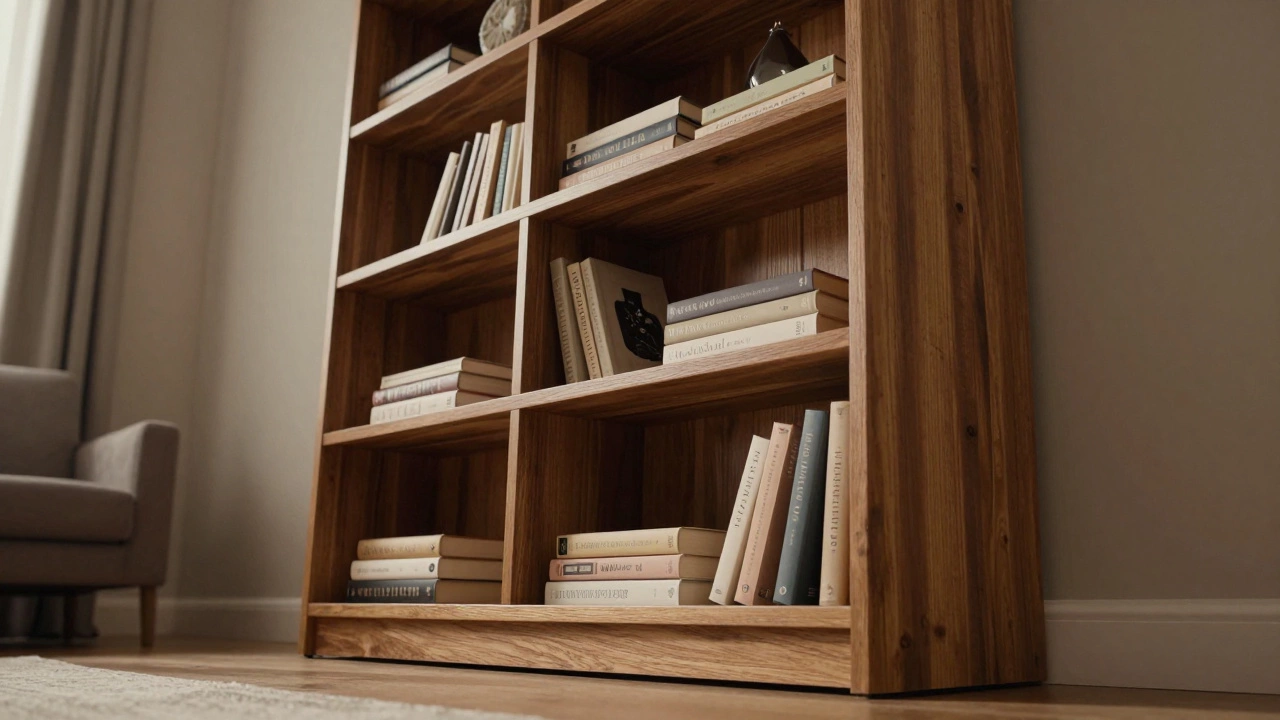
Imagine the worst-case scenario: your toddler pulls on the bottom shelf of a tall, heavy freestanding bookcase is a standalone storage unit designed for books and decor that lacks permanent attachment to walls. Without proper securing, it can tip forward with terrifying speed. In seconds, hundreds of pounds of wood, glass, and books crash down. It’s not just about ruined furniture; it’s about serious injury or worse. You might think your bookcase looks stable enough, but gravity doesn’t care how sturdy it looks-it only cares about physics.
The good news? Securing a bookcase is one of the most impactful home safety upgrades you can make. It takes less than an hour, costs under $20, and gives you peace of mind that lasts for years. Whether you have drywall, plaster, brick, or concrete, there’s a reliable way to anchor your furniture. Let’s walk through exactly how to do it right, avoiding common mistakes that leave things dangerously loose.
Why Bookcases Tip (And Why It Happens Faster Than You Think)
To secure something effectively, you first need to understand why it fails. A freestanding bookcase tips because its center of gravity shifts outside its base footprint. When weight is added high up-like encyclopedias on the top shelf-or when someone leans against it, the pivot point moves from the front legs to the back edge. Once that happens, the unit rotates forward.
This isn’t theoretical. According to consumer safety reports, thousands of injuries occur annually from tipped furniture, mostly involving children under five. The mechanism is simple: a child climbs onto a lower shelf, their weight acts as leverage, and the entire structure pivots. Even adults aren’t immune-reaching for a high item while standing on a step stool can trigger the same imbalance if the unit isn’t anchored.
The key insight here is that stability isn’t just about weight distribution; it’s about restraint. No matter how well-balanced your bookcase is, without a physical connection to the wall, it remains vulnerable to sudden forces. That’s where anti-tip hardware comes in.
Choosing the Right Anti-Tip Hardware
Not all anti-tip solutions are created equal. Some rely on friction, others on mechanical locks, and some combine both. Here’s what actually works:
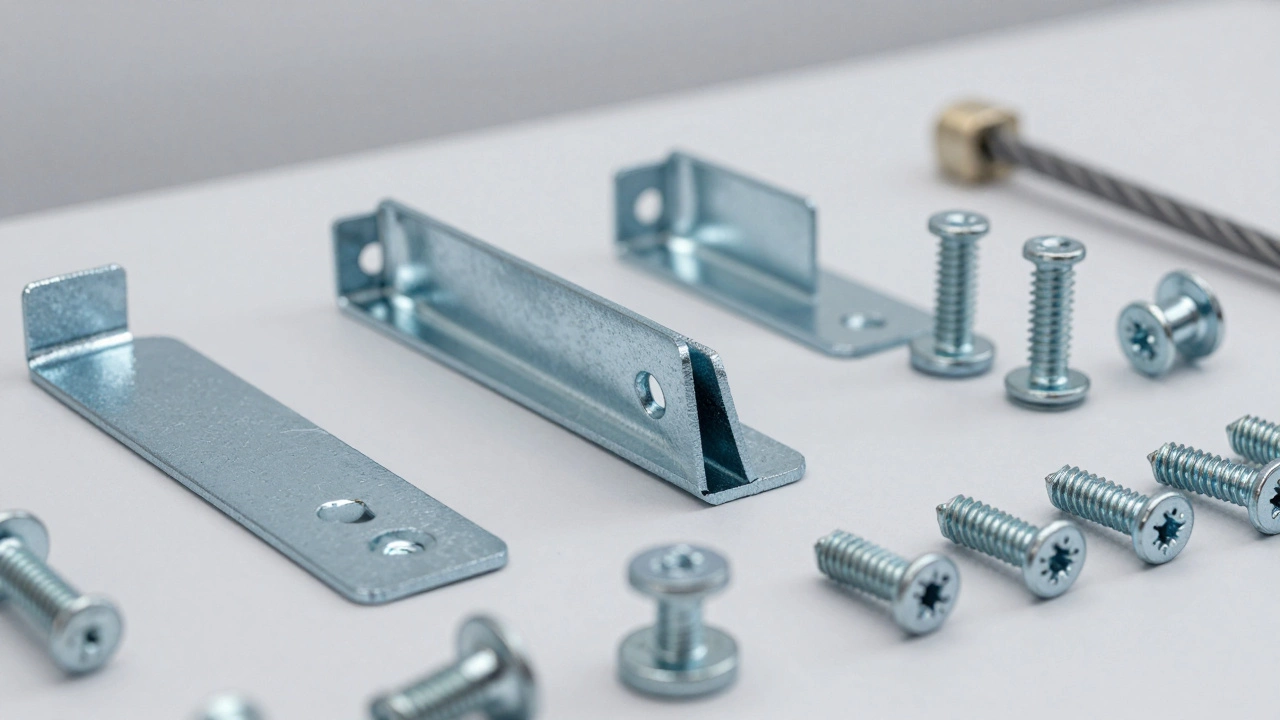
- Metal anti-tip brackets: These L-shaped metal plates attach to the back of the bookcase and the wall. They’re rigid, strong, and widely available at hardware stores. Look for ones rated for at least 50-100 lbs depending on your bookcase’s weight.
- Cable-style restraints: Flexible steel cables connect the top rear corner of the bookcase to a wall anchor. Great for irregular surfaces or when you want minimal visual impact. Ensure the cable has a locking mechanism so it doesn’t loosen over time.
- Adhesive-backed straps: Often marketed as “no-drill” options. While convenient, these rarely hold up under real-world stress. Avoid them for heavy or tall units-they’re fine for lightweight baskets, not bookshelves.
- Wall anchors: Essential for attaching any bracket or cable securely. Drywall anchors vary greatly in strength. Plastic expansion anchors fail quickly; toggle bolts or snap-toggles offer far superior holding power.
If you’re unsure which type to pick, go with metal brackets paired with toggle bolts. This combination provides maximum rigidity and resistance to pulling force. For renters who can’t drill holes, explore removable adhesive strips specifically engineered for furniture anchoring-but verify their load rating carefully.
| Type | Strength Rating | Installation Difficulty | Best For |
|---|---|---|---|
| Metal Bracket + Toggle Bolt | Up to 100+ lbs | Moderate | Tall/heavy bookcases, permanent homes |
| Cable Restraint | Up to 75 lbs | Easy | Irrregular walls, aesthetic sensitivity |
| Adhesive Strap | Under 20 lbs | Very Easy | Lightweight units, temporary setups |
| Furniture Anchor Kit | Varies by brand | Moderate | Multi-unit households, standardized approach |
Step-by-Step Installation Guide
Securing your bookcase properly requires precision, not guesswork. Follow these steps to ensure a rock-solid installation:
- Locate wall studs: Use a stud finder to identify wooden framing behind your drywall. Anchoring into studs offers the strongest support. If no stud aligns with your bookcase’s back panel, use high-quality toggle bolts instead.
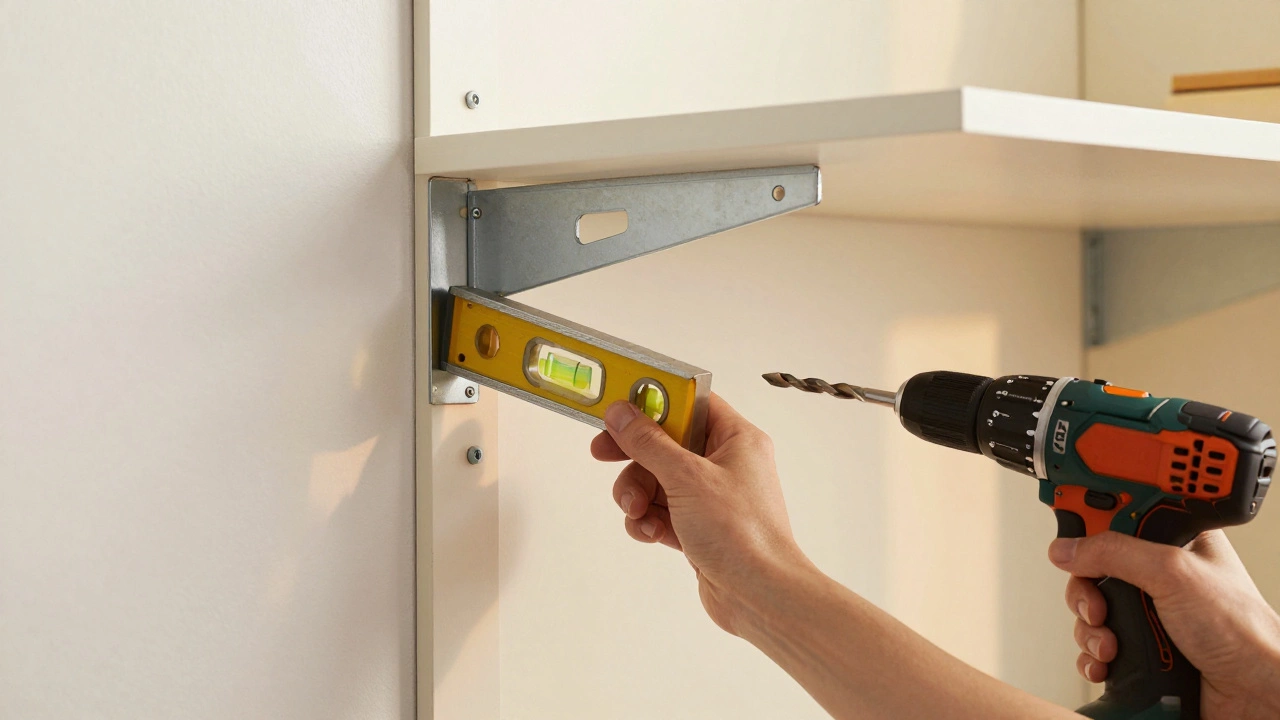
- Mark mounting points: Hold the bracket against the wall where it will attach to the bookcase. Mark screw holes with a pencil. Double-check alignment before drilling.
- Drill pilot holes: Use a drill bit slightly smaller than your screws. Drill straight into the wall, ensuring depth matches the length of your anchors or screws.
- Insert anchors: If using toggle bolts, insert them through the hole until they snap open behind the drywall. Tighten gently to avoid damaging the wall surface.
- Attach bracket to wall: Screw the bracket firmly into place. Make sure it sits flush against the wall without wobbling.
- Mount bracket to bookcase: Position the bookcase close to the wall. Align the second part of the bracket with the pre-installed wall piece. Secure with screws provided in the kit.
- Test stability: Gently push on the top of the bookcase. There should be zero movement. If it shifts, tighten screws or reposition anchors.
A pro tip: always install two brackets-one near the top and one near the middle-for extra security. Single-bracket installations may suffice for short units, but taller ones benefit from dual-point anchoring.
Special Cases: Brick, Concrete, and Plaster Walls
Drywall is common, but many older homes feature plaster, brick, or concrete walls. Each material demands different tools and techniques.
Plaster walls: Older plaster layers can crack easily. Use masonry screws or specialized plaster anchors. Drill slowly to avoid shattering the surface. Consider reinforcing weak spots with additional backing boards inside the wall cavity.
Brick or concrete: These materials require masonry bits and wedge anchors. Drill into the mortar joint rather than the brick itself to minimize damage. Wedge anchors expand inside the hole, creating immense grip. Always clean dust thoroughly before inserting anchors.
Glass or tile backsplashes: If your bookcase stands near a kitchen counter with tiled backsplash, avoid drilling directly into tiles unless absolutely necessary. Instead, mount brackets above the tile line or use surface-mounted rails that distribute pressure across multiple points.
Common Mistakes to Avoid
Even experienced DIYers mess up bookcase anchoring. Here’s what to watch out for:
- Using cheap plastic anchors: They look promising but fail under tension. Invest in metal toggles or snap-toggles for lasting performance.
- Ignoring stud locations: Mounting solely into drywall reduces holding power significantly. Studs provide structural integrity.
- Over-tightening screws: Stripping threads weakens connections. Tighten snugly, not forcibly.
- Skipping level checks: An uneven bookcase puts uneven stress on brackets. Use a spirit level during installation to ensure perfect vertical alignment.
- Forgetting periodic inspections: Screws can loosen over time due to vibration or temperature changes. Check every six months and retighten if needed.
Another overlooked issue: ignoring manufacturer guidelines. Many modern bookcases come with specific anchoring instructions tailored to their design. Deviating from those recommendations voids warranties and compromises safety.
What About Renters Who Can’t Drill?
Renters often face restrictions on modifying walls. Fortunately, alternatives exist:
- Command-brand furniture anchors: Designed for light-duty applications. Suitable only for small, lightweight shelves-not full-sized bookcases.
- Freestanding corner units: Choose designs built-in stability features like wide bases or interlocking joints. Still recommend supplemental anchoring if possible.
- Negotiate with landlords: Explain the safety benefits. Most property owners prefer minor modifications over liability risks associated with unsecured furniture.
Remember: even temporary solutions beat no solution at all. Prioritize child safety above convenience.
Maintaining Long-Term Security
Once installed, don’t set it and forget it. Regular maintenance ensures continued reliability:
- Inspect quarterly: Look for signs of wear, loosened screws, or cracked anchors. Replace damaged components immediately.
- Rebalance loads: Keep heavier items on lower shelves. Top-heavy arrangements increase tipping risk regardless of anchoring.
- Adjust after moving: Relocating a bookcase disrupts existing anchors. Reinstall completely rather than relying on old holes.
- Update hardware periodically: Technology improves. Newer anchors may offer better performance than outdated versions still in use.
Think of anchoring as ongoing care, not a one-time task. Small efforts now prevent major problems later.
Can I secure a bookcase without drilling into the wall?
Yes, but options are limited. Adhesive-based straps work best for lightweight units under 20 lbs. For heavier bookcases, consider freestanding models with built-in stabilizers or negotiate permission to drill with your landlord. Never compromise safety for convenience.
How much weight can a typical anti-tip bracket hold?
Most quality metal brackets support between 50-100 lbs when properly installed with toggle bolts or stud anchors. Always check product specifications and exceed expected load requirements for safety margins.
Should I anchor my bookcase to one side or both sides?
Anchor to the wall behind the bookcase, ideally using two brackets spaced vertically. Side anchoring alone won’t prevent forward tipping. Dual-wall attachment maximizes stability against rotational forces.
Is it safe to move a secured bookcase?
No. Always remove anchoring hardware before relocating a bookcase. Attempting to move an anchored unit damages walls, breaks anchors, and creates hazardous situations. Reinstall securely upon reaching new location.
Do I really need to worry if I don’t have kids?
Absolutely. Pets, accidental bumps, earthquakes, or even leaning too hard while retrieving items can cause tipping. Child-free households still benefit immensely from proactive anchoring measures.